What is a spotlight
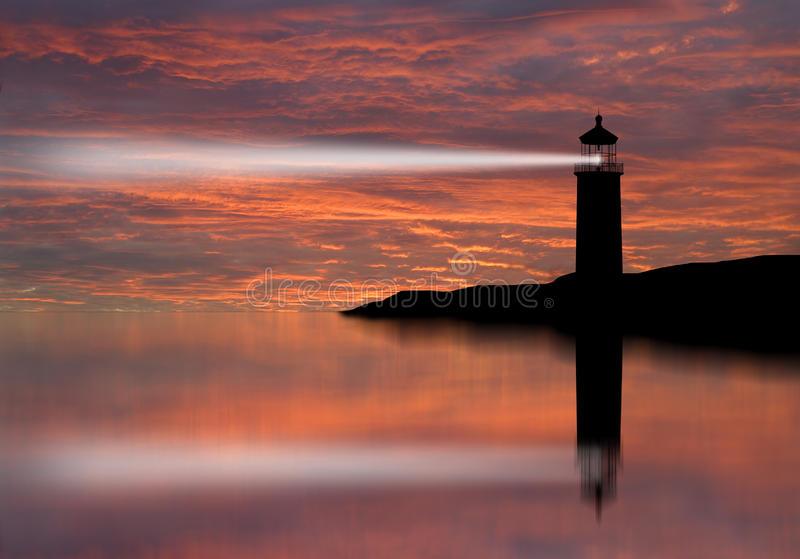
Among the lighting devices, a separate niche is occupied by searchlights from the Latin projectus “directed or thrown forward” - these are devices that concentrate light rays in a certain direction using a reflective cone-shaped or parabolic reflector. The idea was first reflected in the drawings of Leonardo da Vinci, and in Russia it was brought to life by Ivan Petrovich Kulibin under Catherine II in the 9th century. He made an optical telegraph using a system of mirrors that redistributed light from ordinary wax candles into a directed beam.
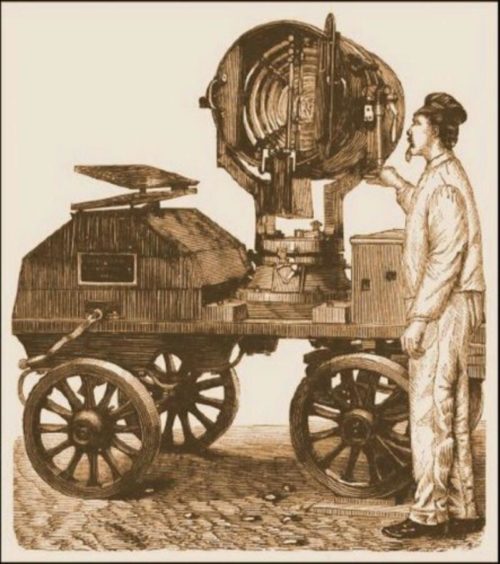
The invention was used as a semaphore in the fleet and in land communications, with which the scientist illuminated the dark passages of the Tsarskoye Selo palace.In the future, the topic developed in the military direction already with electric light sources, and the reflector circuit was used in almost all lighting fixtures where a concentrated beam of light was needed.
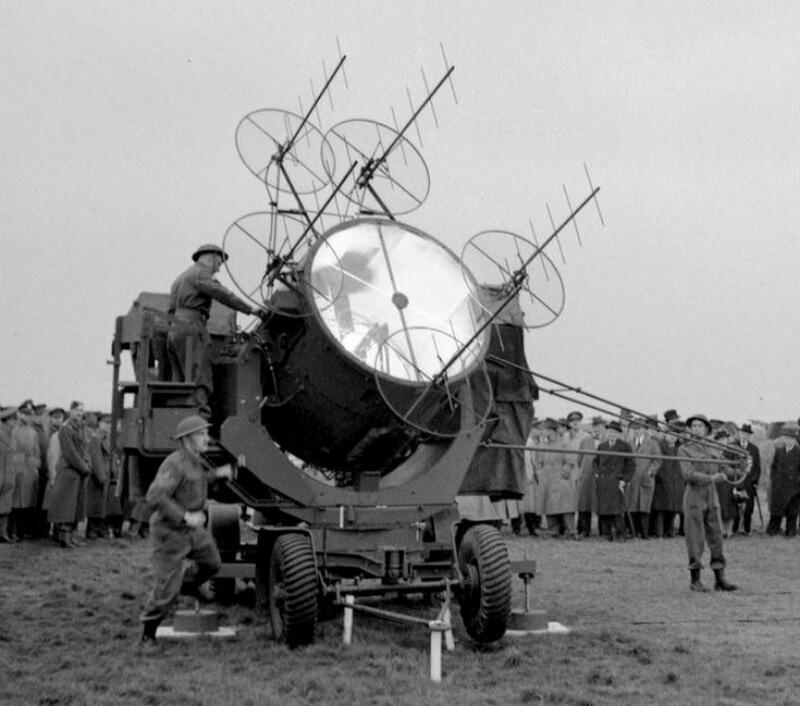
To increase the range, it was necessary to increase the diameter of the parabolic reflector, and some types of searchlights reached 2 meters in diameter in size. In the future, instead of protective glass, focusing lenses began to be installed. Although part of the useful luminescence spectrum is lost in the lens, this solution made it possible to save on the area of the reflective surface and to manufacture compact devices, up to manual ones.
Spotlight Specifications
Based on the task assigned to the device, manufacturers of lighting equipment manufacture products with certain properties that are related not so much to the design of the device, but directly to the light emitted by it, namely:
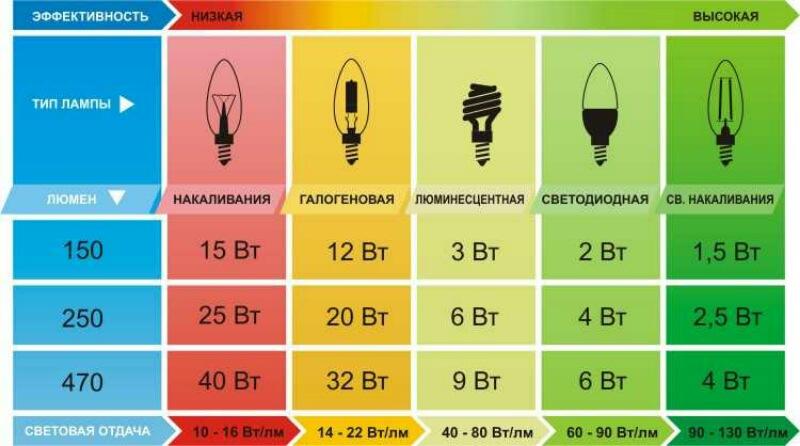
- power - the level of electricity consumption by the light source expressed in Watts (W). The higher the power, the brighter and further the lamp finishes. At the same time, different types of the same power have different energy efficiency - the ratio of energy consumption to light output;
![What is a spotlight]()
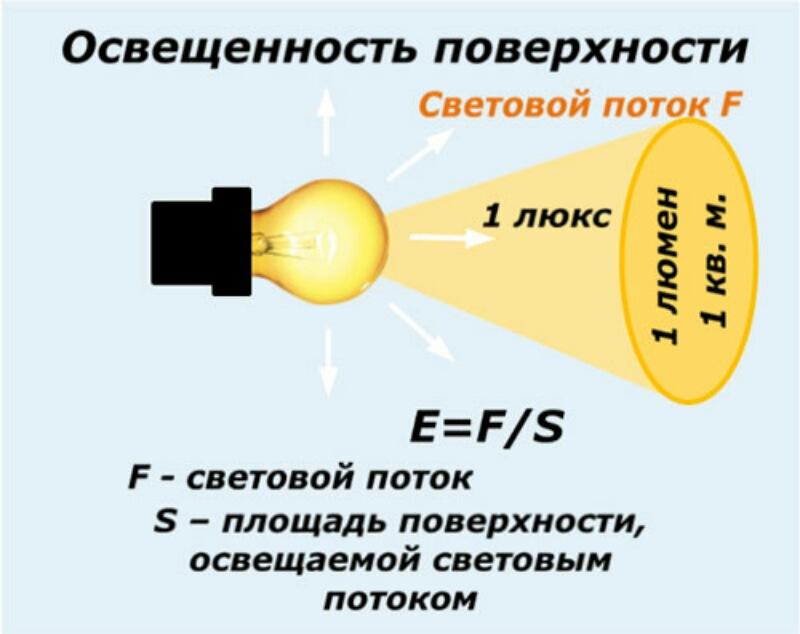
- light flow - the main characteristic that determines the efficiency of the light source, expressed in lumens (Lm). However, the final efficiency of a floodlight, taking into account all optical losses, is measured in lux using a luxmeter;
![What is a spotlight]()
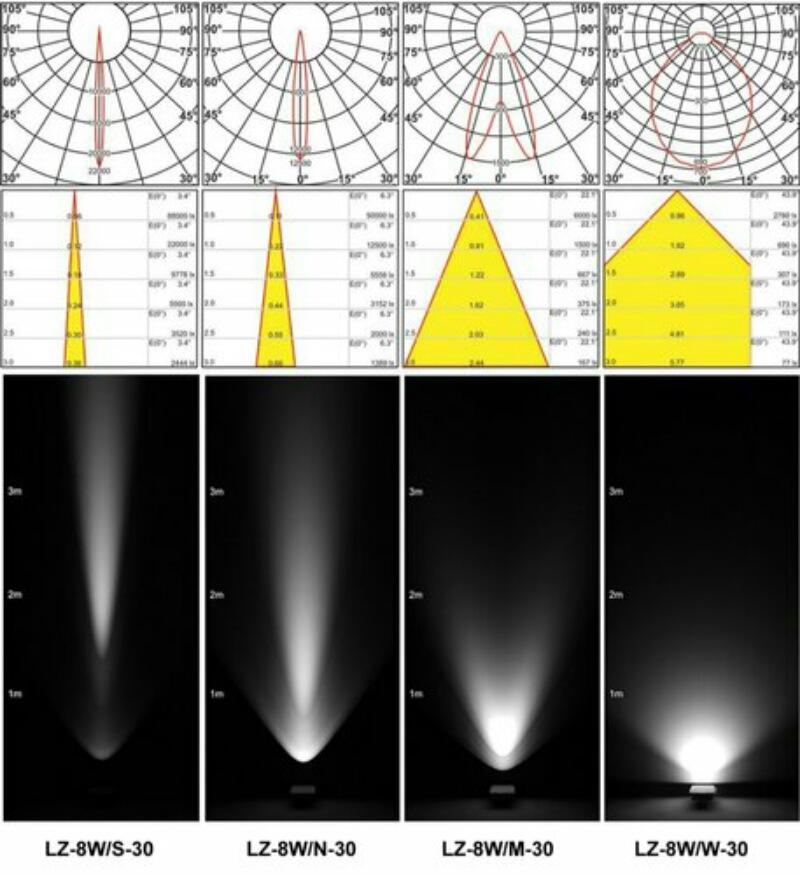
- scattering angle - depending on the design and diameter of the reflector, the angle of divergence of the light cone is formed from 6 to 160 °.The smaller the angle, the farther the device will shine, but the side illumination will be minimal. And vice versa: the larger the angle, the larger the area covered by the light spot with a minimum range;
![What is a spotlight]()
- light temperature - the shade of the illuminated objects, measured in Kelvin (K). Varies from red to white. The color rendering index depends on the temperature - the parameter on which depends on how naturally the color palette will be perceived by the human eye. Best color rendering index lies in the neutral range of 3500–4500 K.
![What is a spotlight]()
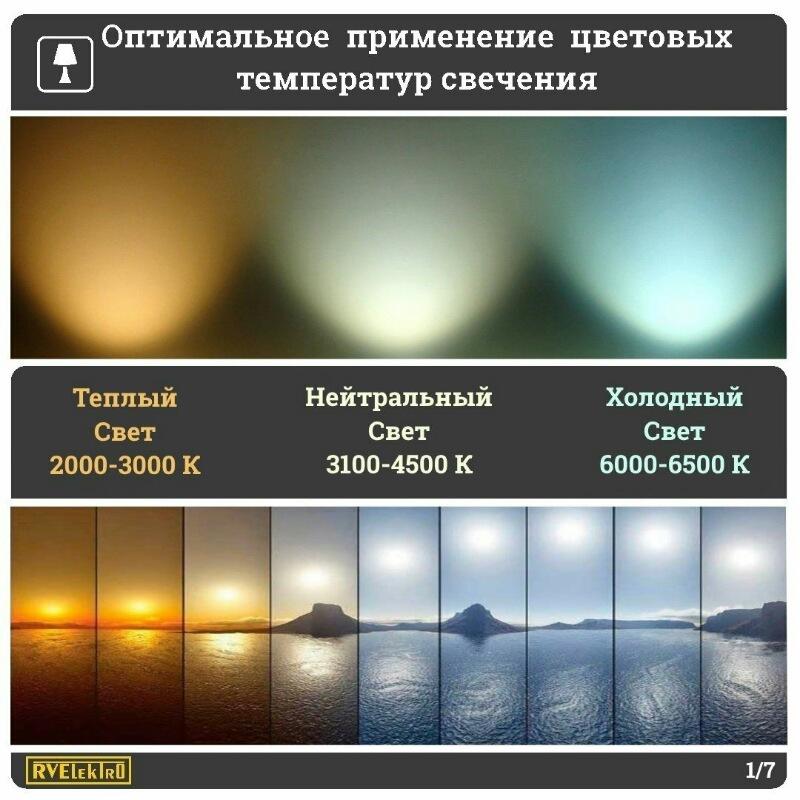
Warm light is weaker, but better penetrates fog, snow and rain. In good visibility conditions, the cool shade covers a greater distance, although the colors and contours of objects may merge into one spot.
Depending on the expected operating conditions, floodlights have certain design features:
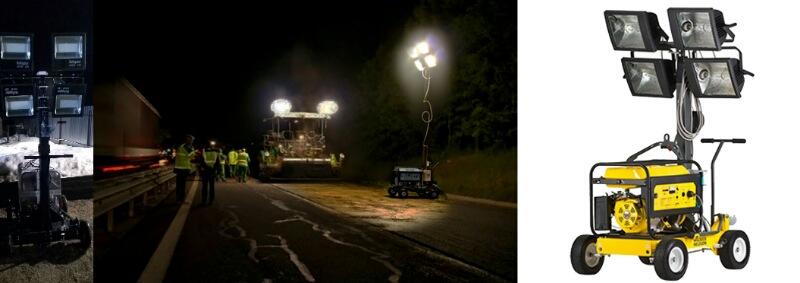
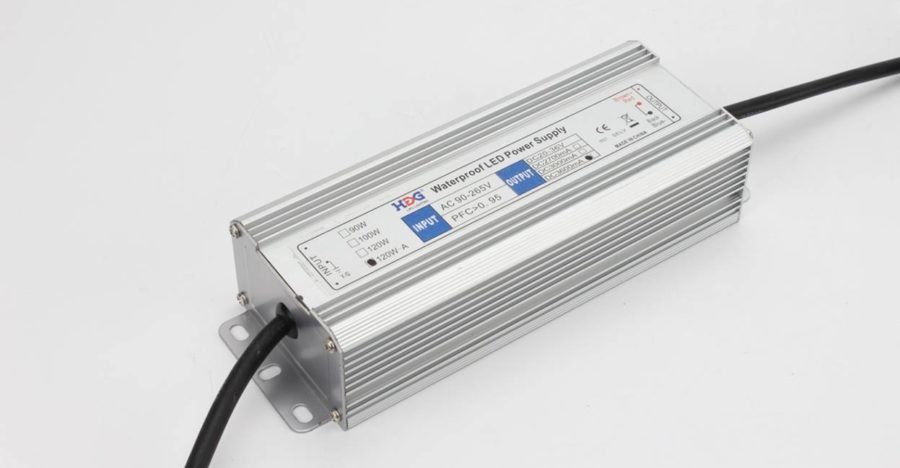
- power supply - most devices are powered directly from the 220 V network, but some types of lamps require a ballast or driver. As a rule, these circuit elements are included in the design of the device initially or are connected from the outside. There are also stand-alone searchlights powered by batteries, gasoline or diesel generators;
![driver]() LED driver
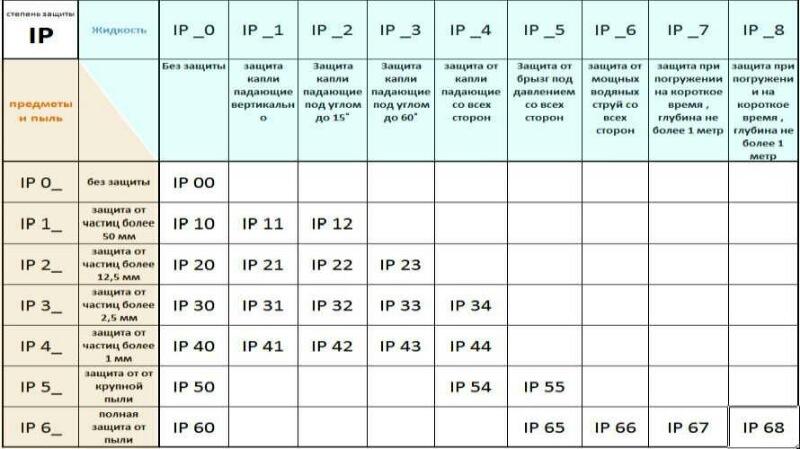
LED driver - degree of protection - a characteristic that determines the factors and environmental conditions under which the shell of the unit guarantees the stable operation of the system. According to the international classification, IP is measured in numbers relative to the degree of protection against solid particles and moisture.
![What is a spotlight]()
Types of spotlights
The main design difference concerns the light source.In the first, relatively efficient electric lamps, Edison or Ilyich electric arc lamps with an incandescent filament made of carbon, platinum, and tungsten were installed. And although the filament of platinum demonstrated the greatest resource and light output, due to the economic inexpediency, cheaper tungsten was used to replace it. In the future, the evolution of lamps moved in the direction of increasing efficiency, resource, compactness, and cheaper production.
Halogen
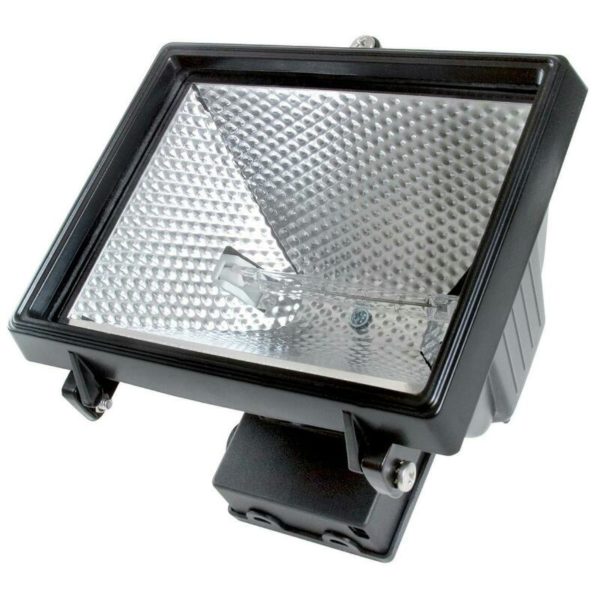
The first modification of incandescent lamps was a quartz glass bulb filled with inert gases and iodine halogens. In an inert environment, the filament does not burn out so intensely, which made it possible to increase the voltage and increase the light output. For floodlights, a linear halogen lamp with a double-sided R7s base is most often used.
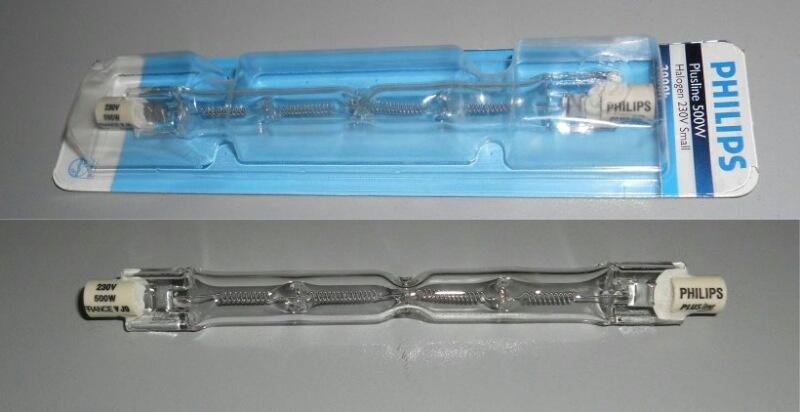
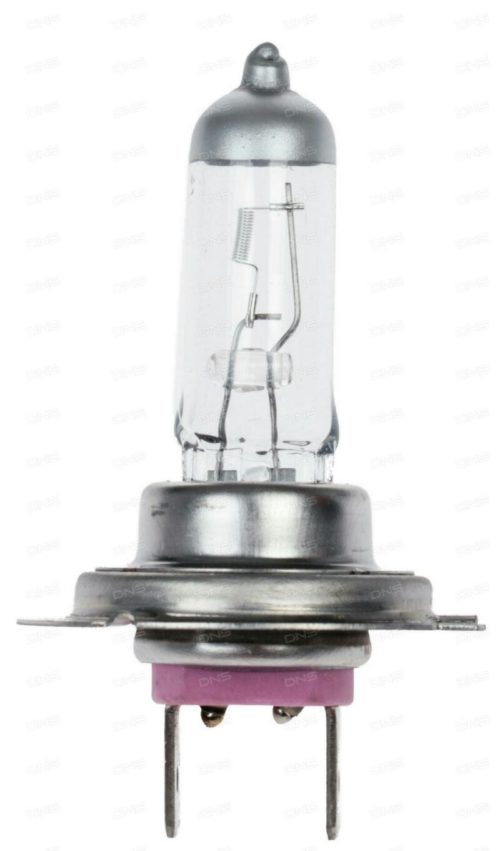
For round reflectors, there are more compact lamps with G-type pin bases.
energy efficiency halogen averages 22 lm / watt versus 15 lm / watt for Ilyich lamps. The resource of their work is also increased at least 1.5 times. A transformer is required for power, but there are types designed for direct connection to a 220 V network.
Metal halide
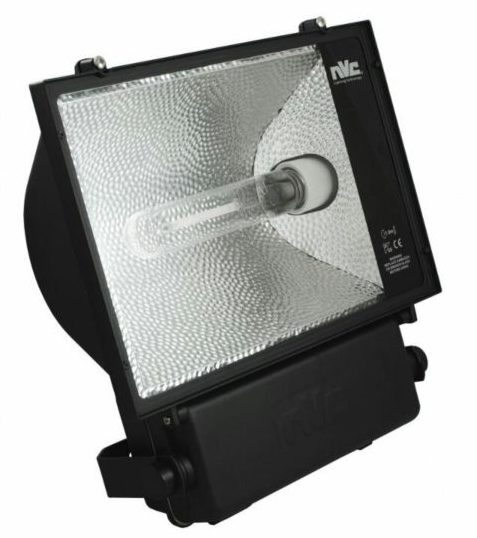
They are a double glass flask, the inner of which, under high pressure, contains halides of various metals - gases that can glow when activated by an electric discharge. There is no conductor or filament in the design. The most common type of lamp has an E27 or E40 screw base, however, in studio, stage lighting, single-sided and double-sided pin bases are sometimes used.
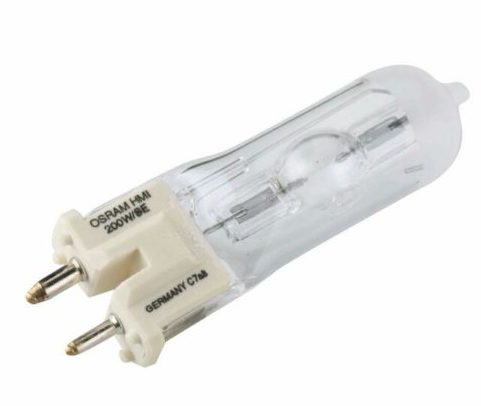
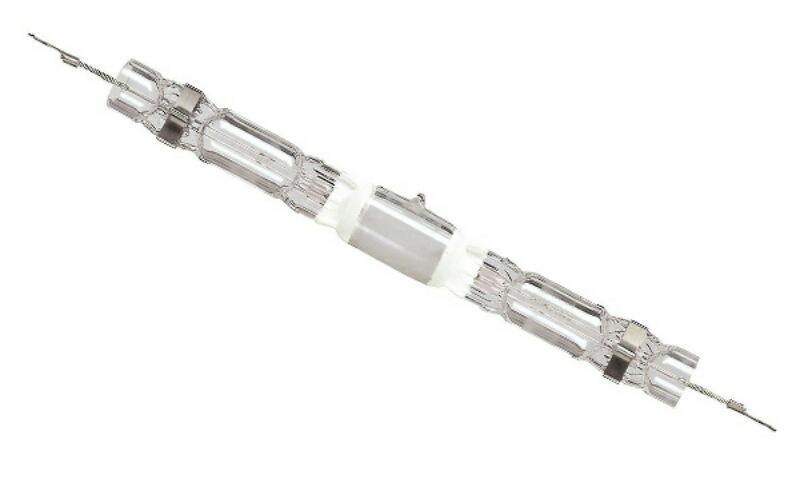
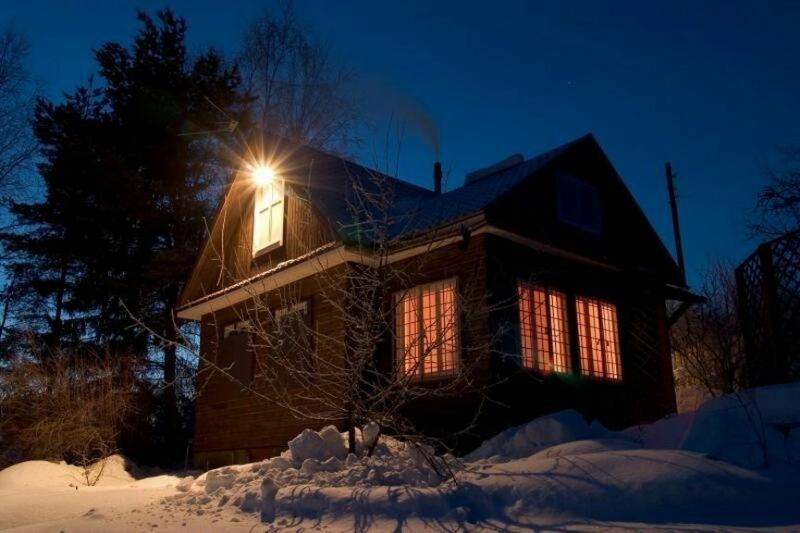
MGLs are distinguished by high color rendering, a resource of up to 20,000 hours and an energy efficiency of 85 Lm/Watt.To start the device, a choke is required - a ballast, among other things, maintaining stable operation during power surges. The lamps do not require warming up and start at temperatures of -40°C, which allows them to be used in northern latitudes.
Sodium lamps (DNaT)
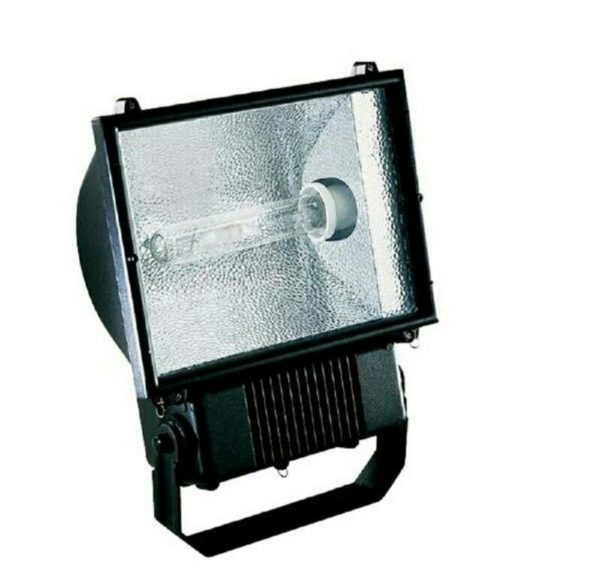
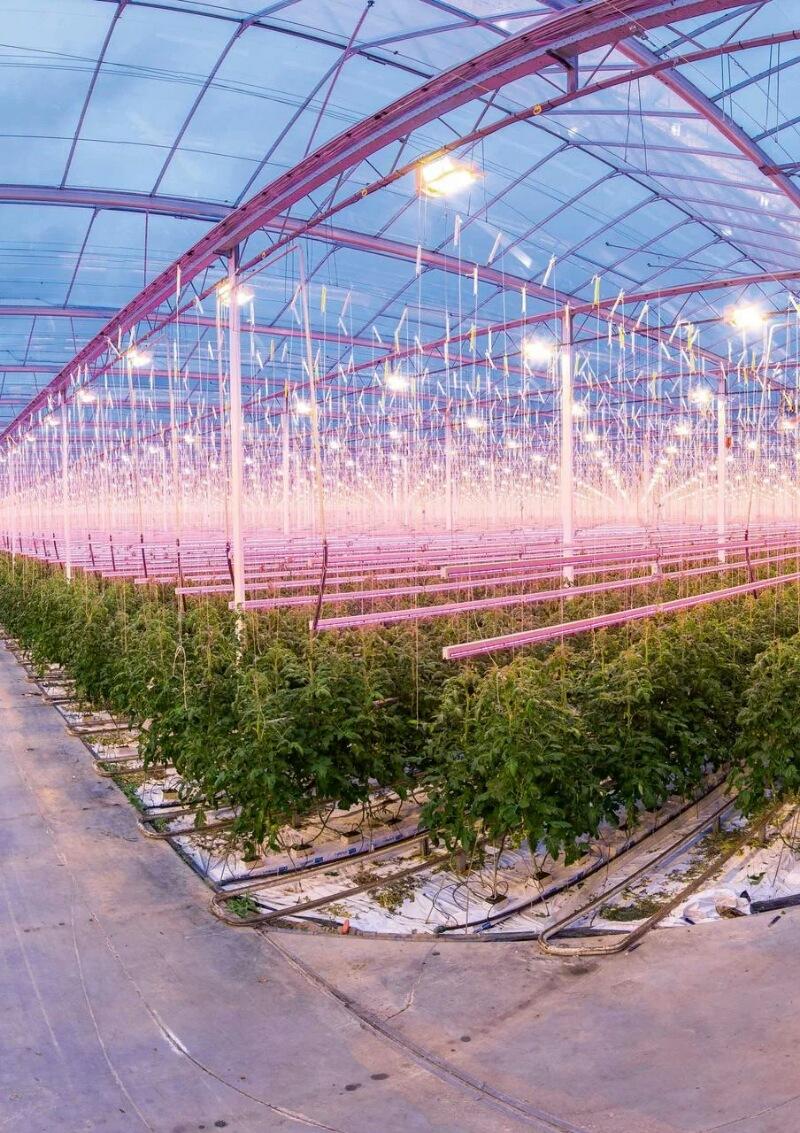
Structurally, they practically do not differ from metal halide. Sodium salts are added to the inner flask, evaporating which give out a powerful flow of light energy of the yellow and red spectrum. High pressure lamps have an energy efficiency of about 130 lm / watt, and a low one up to 180 lm / watt. At the same time, the monochrome spectrum of the glow distorts the color rendition, but is as close as possible to the solar spectrum in the ranges necessary for plant photosynthesis. It is these types of spotlights that are most often installed in greenhouses.
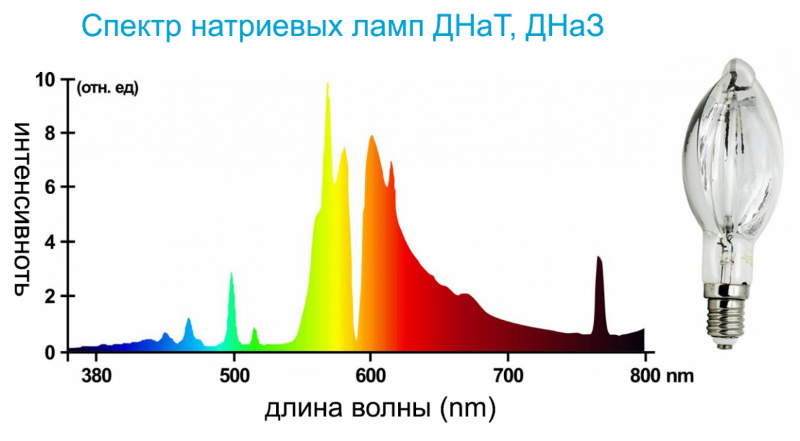
Standard types of lamps have a screw base, but there are varieties with pins.
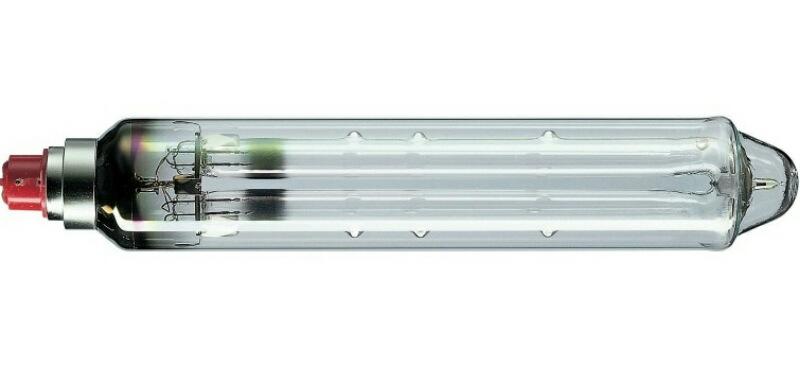
To simulate daylight and improve color reproduction, samples with white-tinted glass are available.
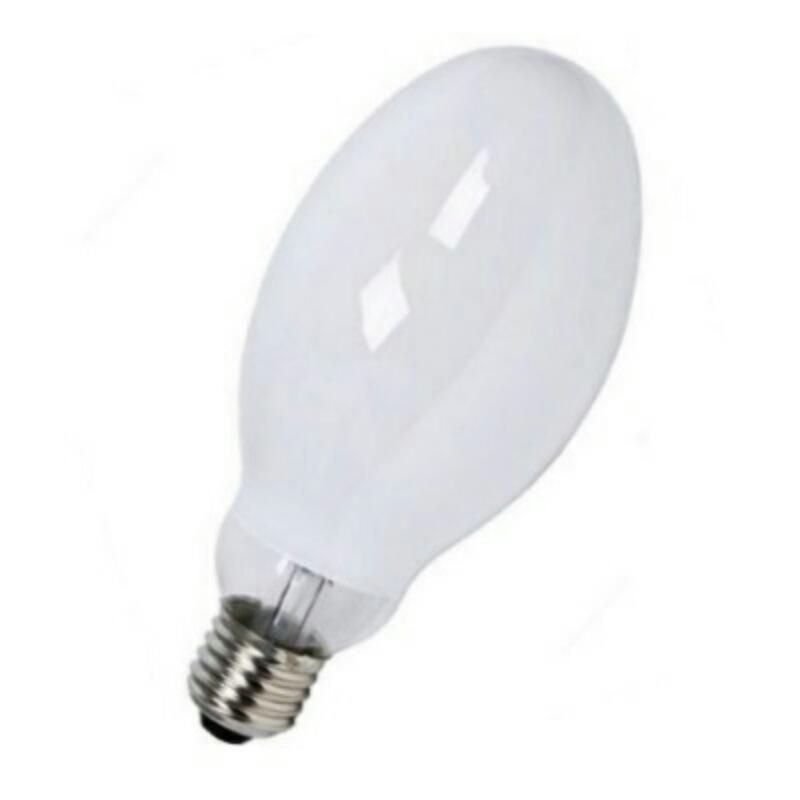
At temperatures below 35°C, salt vapor glows less intensely. The devices are extremely sensitive to fluctuations in the mains, therefore, for their operation and ignition, it is necessary throttle. The service life fluctuates in the range of 13,000–15,000 hours, followed by a drawdown in the luminous flux.
Infrared illuminators
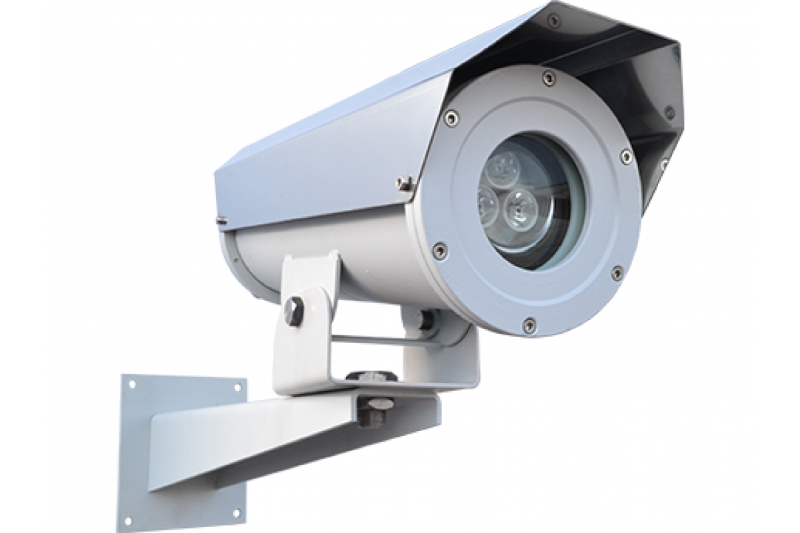
Unlike other lighting devices, IR lamps emit only the infrared range invisible to the human eye from 800 nanometers. In combination with video cameras designed to operate in these ranges, they represent a covert night video surveillance system.
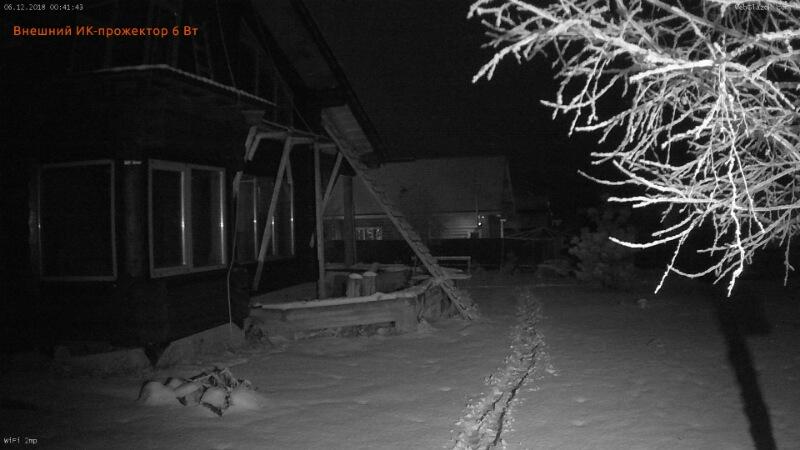
The camera captures only the reflected rays from the IR spotlights in black and white, and the rest of the space appears unlit. As a light source for these devices, gas-discharge or LED lamps with a given spectrum of luminescence.
Note! There are rare anomalies in the development of human organs of vision in which infrared rays are partially visible.
LED
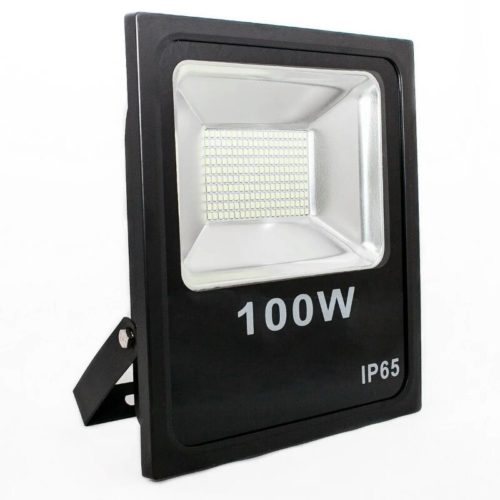
They have become widespread in the last 20 years due to their compactness, low cost and energy efficiency in the range from 70 to 130 lm / watt. There are two types of LED bulbs used for spotlights:
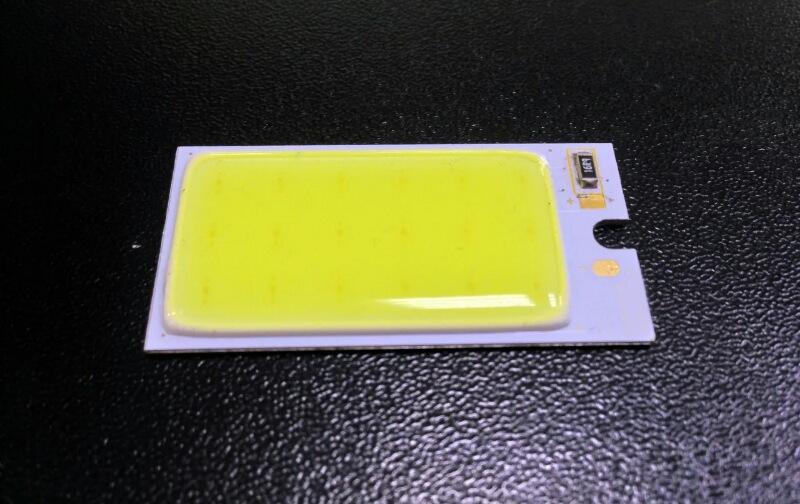
- COB - crystals located close to each other and filled with a phosphor. They give out a uniform stream of light, but they get very hot, and therefore they need a massive radiator or forced cooling.
![What is a spotlight]()
- smd - matrices with a set of led elements of the same power.
![What is a spotlight]()
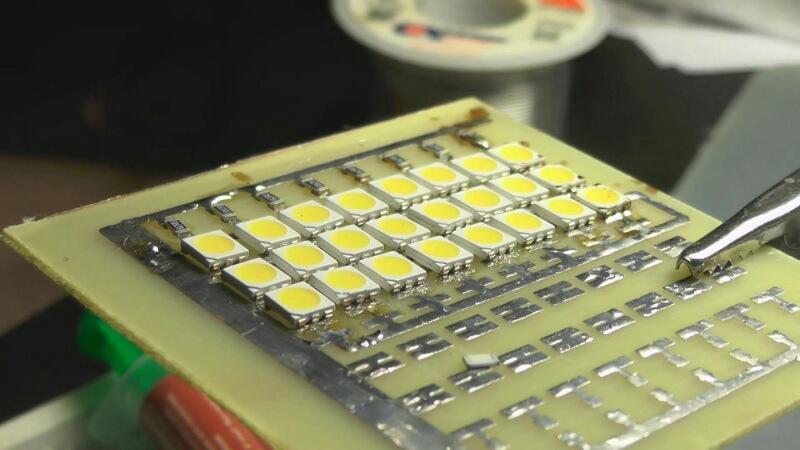
They have a greater spread, but due to the presence of space between the elements, they have better heat dissipation. With a serial connection, if one LED burns out, the entire board fails. AT parallel option, the entire load falls on the remaining light bulbs, which accelerates their wear.
After frequent overheating, LED elements, if they do not burn out, then give a drawdown of up to 30%. In this regard, manufacturers are paying more attention to SMD matrices, which are not so demanding on heat dissipation. American Cree LEDs, Japanese Nichia or German Osram LEDs produce an average of 100 Lm / W and have a resource of up to 50,000 hours of operation.
Searchlight device
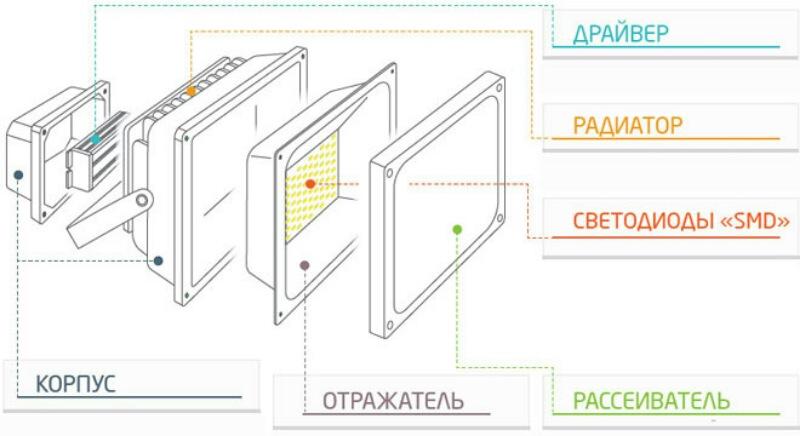
Traditionally, the design consists of the following elements:
- frame - made of plastic or metal.The best solution is if the case is entirely made of aluminum: light, corrosion resistant and with sufficient thermal conductivity. The back is equipped with a metal radiator;
- reflector - a reflector made of shiny metal or foil plastic, acting as a mirror to focus the beam;
- protective glass - sometimes made of heat-resistant polycarbonate. In models with a wide dispersion angle, it has a corrugation for a better distribution of the light spot. In some samples, a focusing lens is installed instead of glass;
- Light source;
- power unit - represented by a transformer, driver or choke, depending on the type of lamp. It may be absent if the device works directly from a 220 V network or is connected externally.
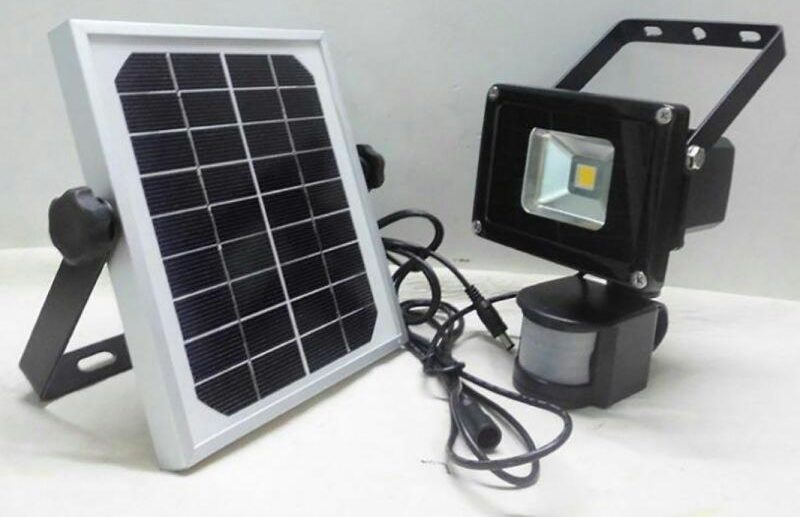
A separate niche is occupied by fully autonomous devices with a solar panel and a battery. Some samples are equipped with light and motion sensors for automatic activation at night or when a moving object enters the sensor's field of view.
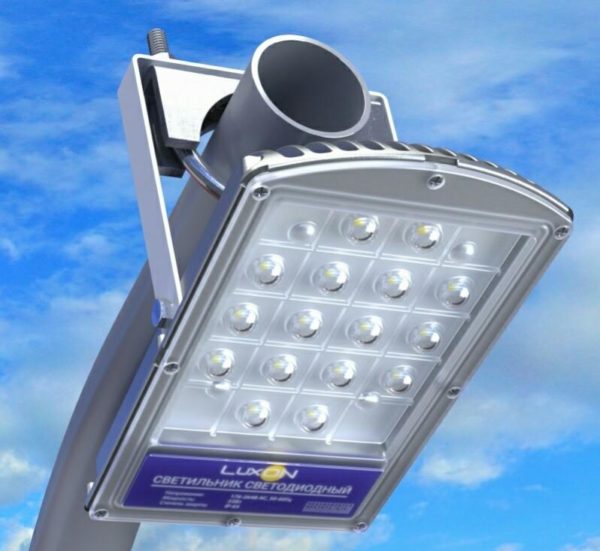
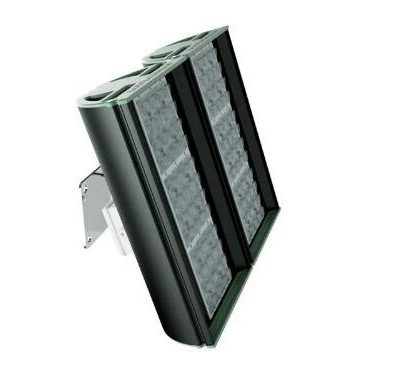
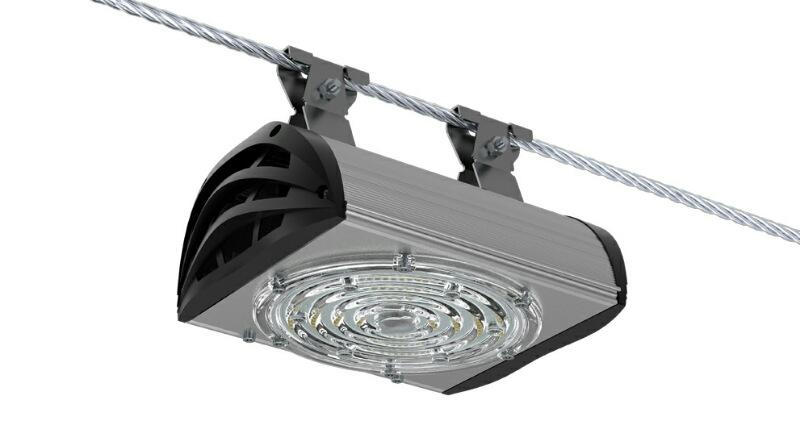
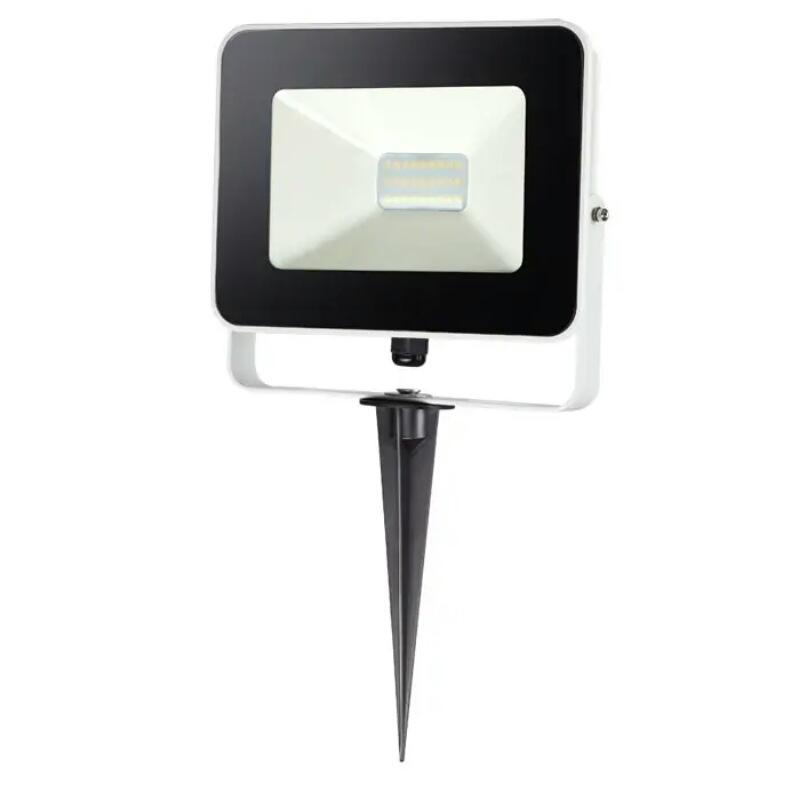
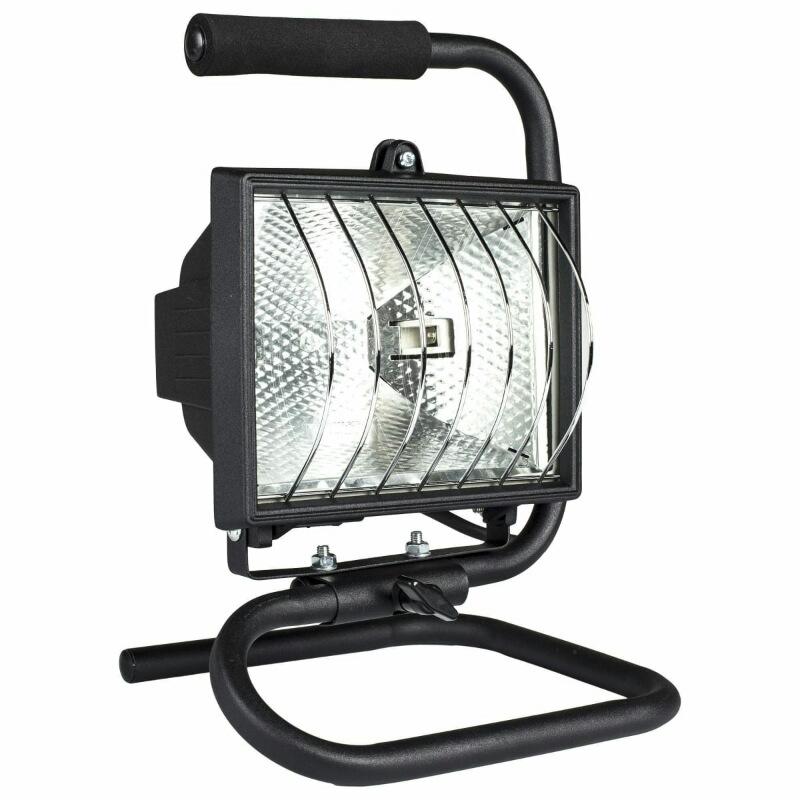
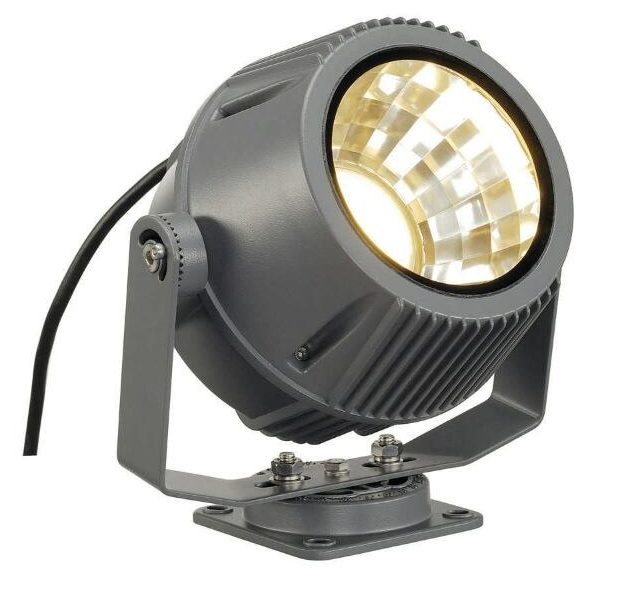
Depending on the purpose, the devices have several types of fastening:
- To the console.
![What is a spotlight]()
- Bracket.
![What is a spotlight]()
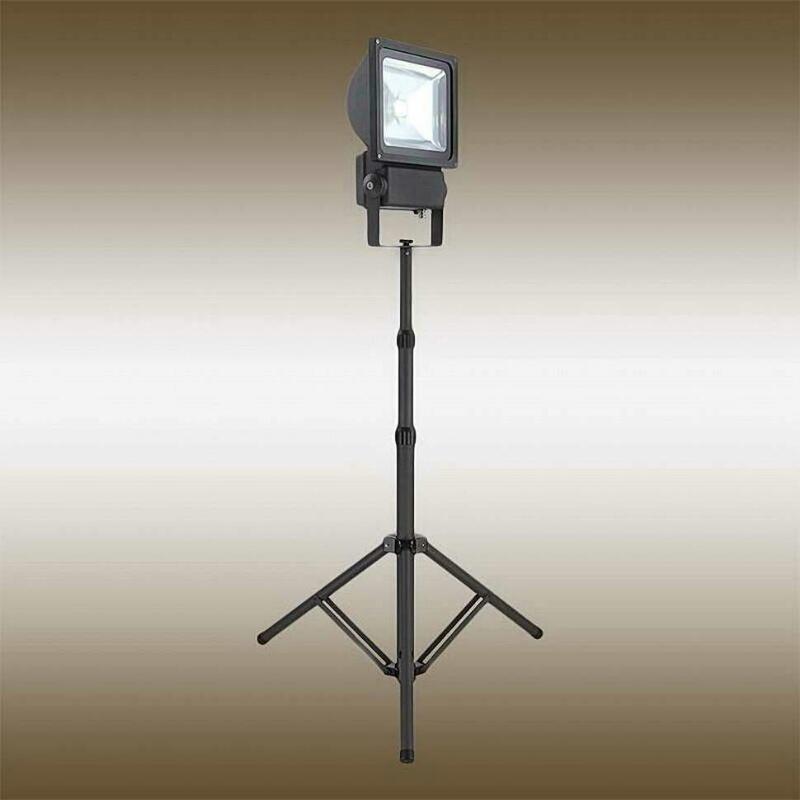
- Tripod.
![What is a spotlight]()
- Suspension.
![What is a spotlight]()
- Ground stake.
![What is a spotlight]()
- Portable option.
![What is a spotlight]()
- Rotary module.
![What is a spotlight]()
Scope of application
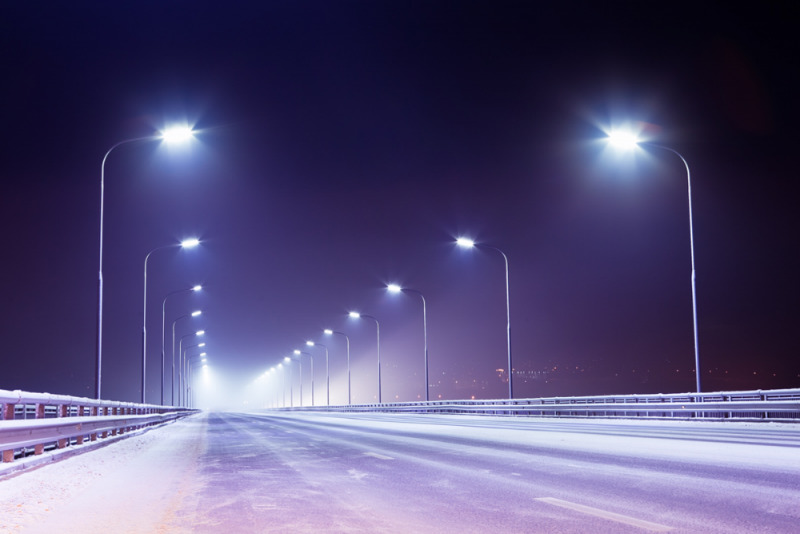
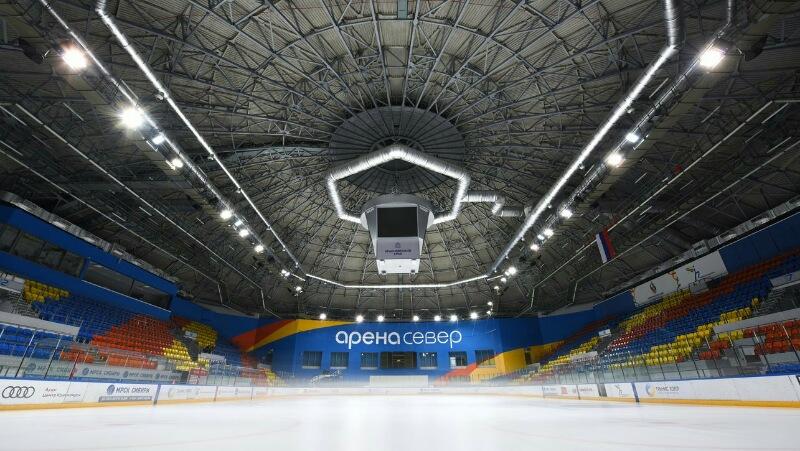
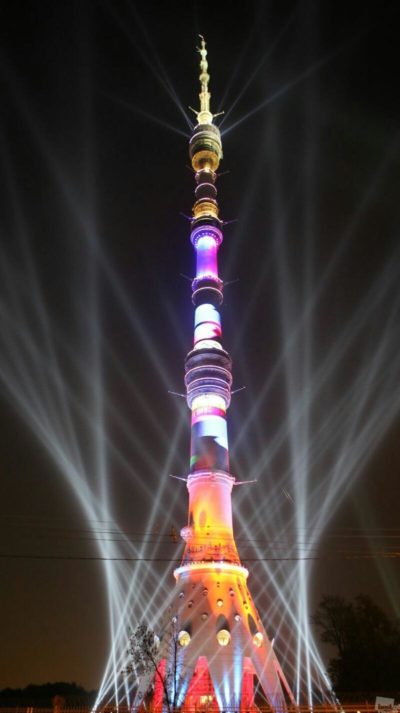
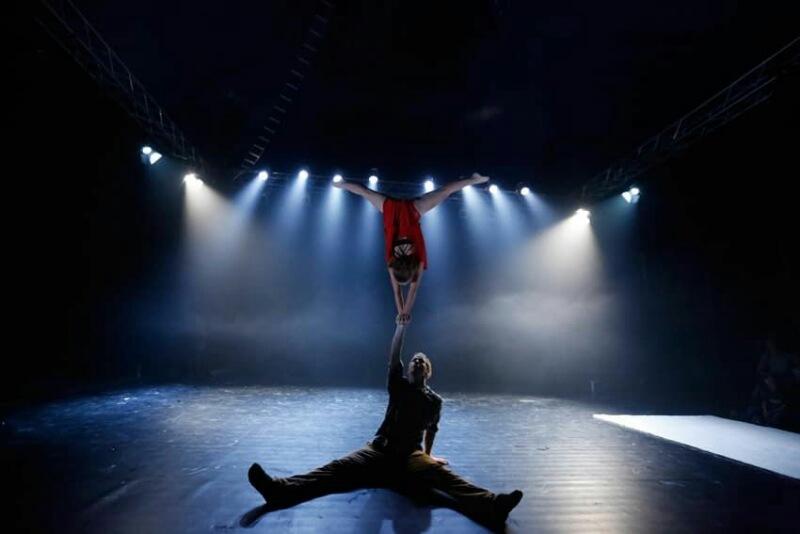
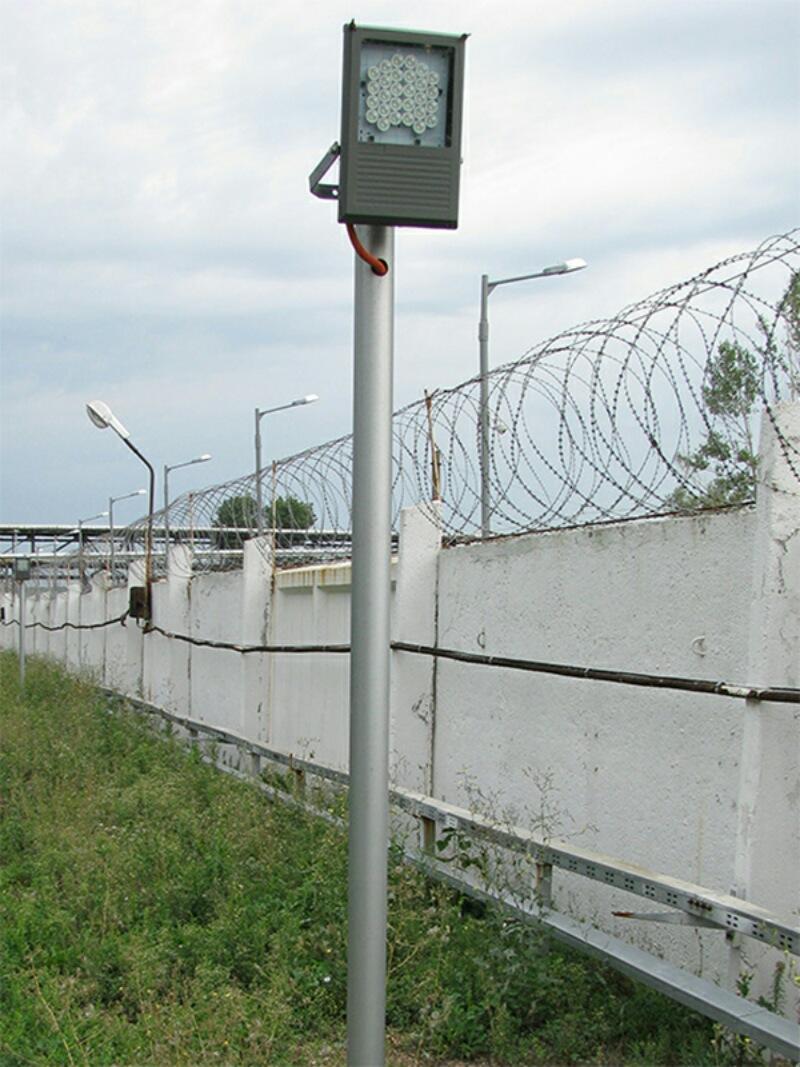
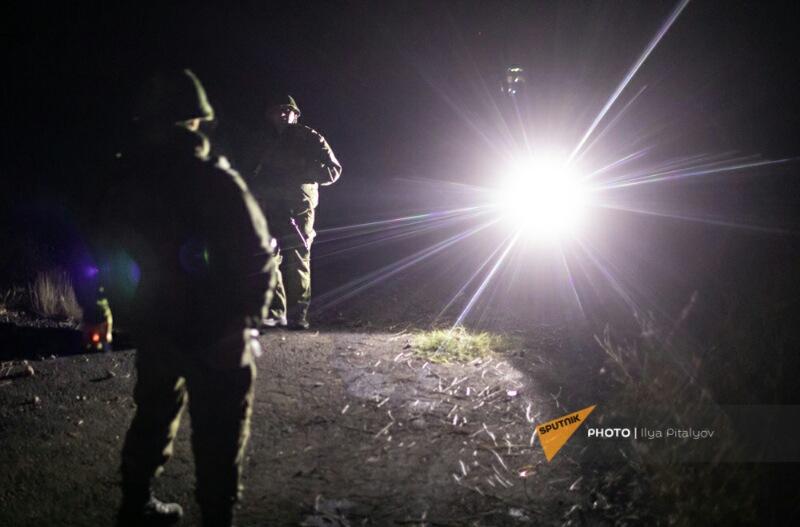
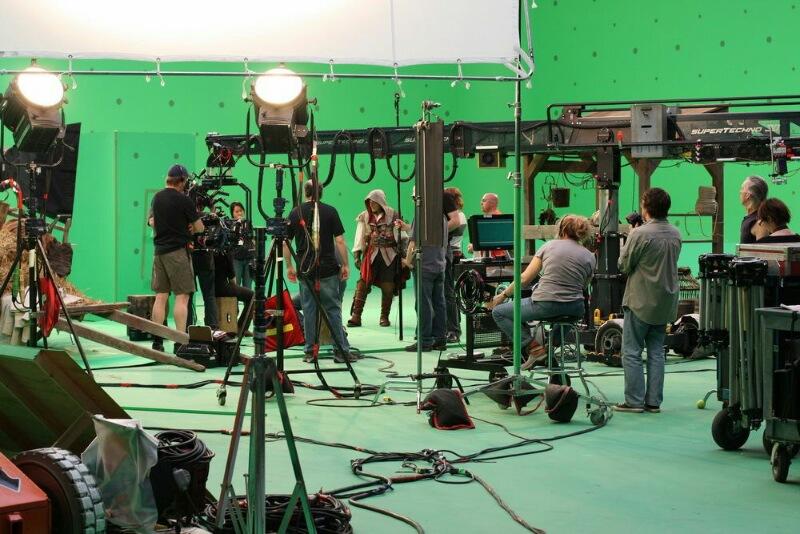
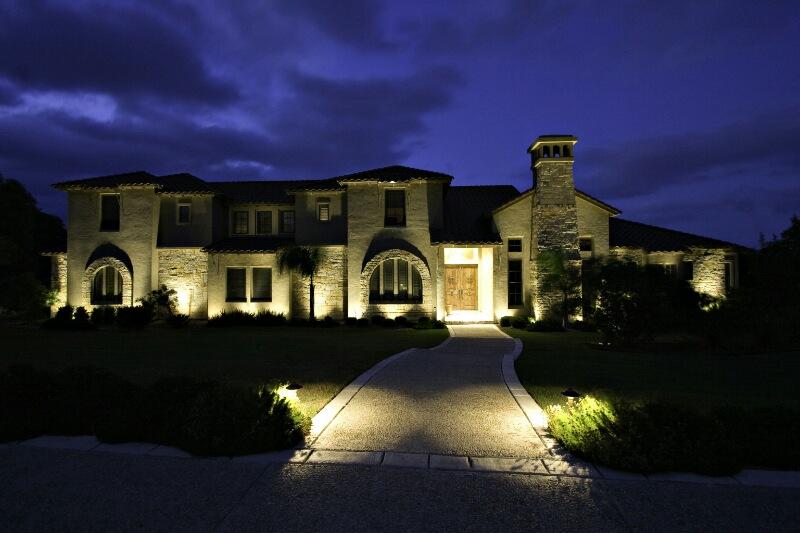
Searchlights are widely used in all areas of life where it is necessary to illuminate large areas or over long distances.