Classes and degrees of protection of luminaires
The degrees and classes of protection of luminaires determine the conditions under which lighting devices can be operated. To choose the right equipment, it is worth understanding the markings.
What is the IP protection class of luminaires
The degree of protection of luminaires from water and dust ingress is set by the Ingress Protection system, abbreviated as IP. This is a set of tests that determine the level of protection, the possibility of foreign objects entering the device.
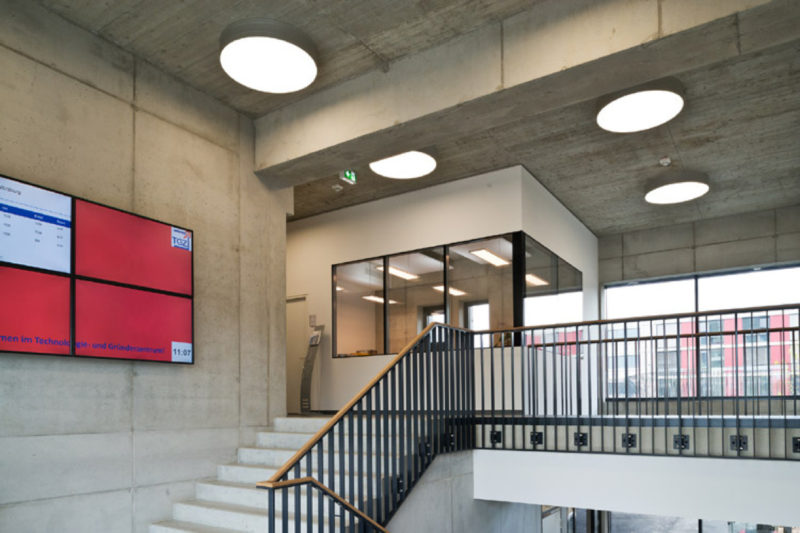
The degree of protection looks like IP and two numbers. Each number indicates a certain level and operating conditions.
The difference between class and degree of protection
The concept of the protection class of luminaires determines electrical safety when interacting with the device. According to GOST IEC 61140-2112, lighting fixtures are subject to certain requirements for the insulation of live elements.The housing and the protective shell must withstand various mechanical stresses.
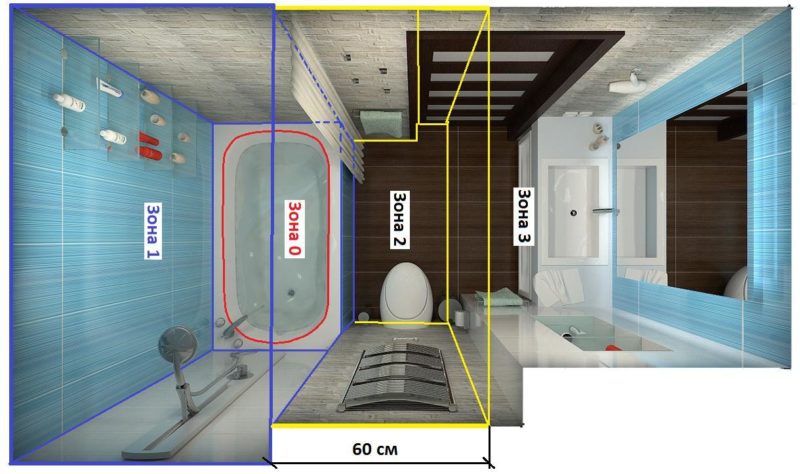
Table of protection (IP) against the ingress of moisture and dust
| Degree of protection IP | Liquid | IP_0 | IP 1 | IP_2 | IP_3 | IP_4 | IP_5 | 1Р_6 | 1Р_7 | 1Р_8 |
| Objects and dust | without protection | drip protection vertically falling | protection against drops falling at an angle up to 15° | protection against drops falling at an angle up to 60° | protection against drops falling from all sides | pressure splash protection from all sides | protection against powerful water jets from all sides | protection against immersion for a short time, depth no more than 1 m | protection during immersion and for a short time, depth no more than 1 m | |
| IP0_ | without protection | IP00 | ||||||||
| IP1_ | protection against particles over 50 mm | IP10 | IP 11 | IP 12 | ||||||
| IP2_ | protection against particles over 12.5 mm | IP20 | IP 21 | IP 22 | IP 23 | |||||
| IPZ_ | protection against particles over 2.5 mm | IP 30 | IP 31 | IP 32 | IP 33 | IP 34 | ||||
| IP4_ | protection against particles over 1 mm | IP40 | IP 41 | IP 42 | IP 43 | IP44 | ||||
| IP5_ | coarse dust protection | IP 50 | IP 54 | IP 55 | ||||||
| IP6_ | complete dust protection | IP60 | IP65 | IP66 | IP67 | IP68 |
Classes of protection against electric shock
The class number indicates how to prevent possible electrical injury. Luminaire classes:
- 0. Such devices are protected by a single layer of insulation.
- I. Equipped with earthing in case the equipment is damaged.
- II. Double insulation used. Devices with this protection class are marked with a special graphic symbol.
- III. Low voltage devices. Even if the insulating layer is damaged, the lighting equipment is safe for people and animals.
Class III electrical appliances are used in facilities or situations where electric shock is most likely to occur.For example, in small rooms, swimming pools, when carrying a lamp.
Fire Protection
Luminaires are divided into groups installed on materials with different levels of fire protection:
- on non-flammable surfaces made of stone and concrete;
- on low flammable material;
- on flammable materials.
Considering the type of surface material for mounting fixtures, you need to choose the appropriate equipment.
How to choose a luminaire by protection class
Commonly used IP ratings for luminaires:
- IP20 - lighting devices recommended for installation in rooms with a normal environment. Such facilities should be free from pollution or moist air. Usually they include offices, shopping centers, entertainment venues.
- IP21, IP22 - the equipment is intended for cold shops. With this protection class, no moisture or condensation can enter the device.
- IP23. These lighting devices include devices for lighting construction sites.
- IP40. – lighting for shops and shopping centers. Such devices are not waterproof.
- IP43, IP44. Outdoor luminaires for installation at a low height, where foreign bodies and water cannot enter. Often installed in baths and saunas.
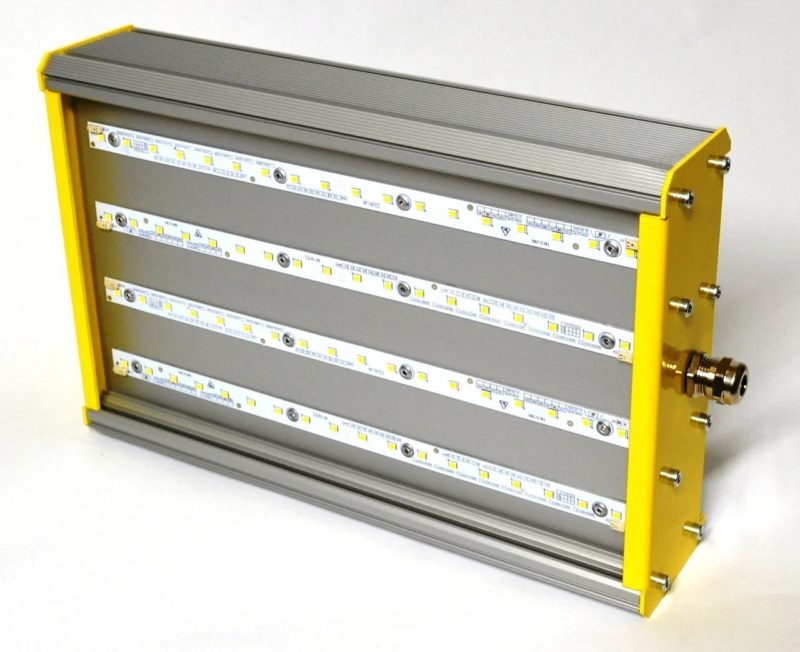
- IP50. Can be used in rooms with a high concentration of dust in the air. Such devices are sealed and easy to clean from contamination. Even with a serious mechanical impact, the lamp will not collapse, small elements will not fall out of it. This is especially important in food production.
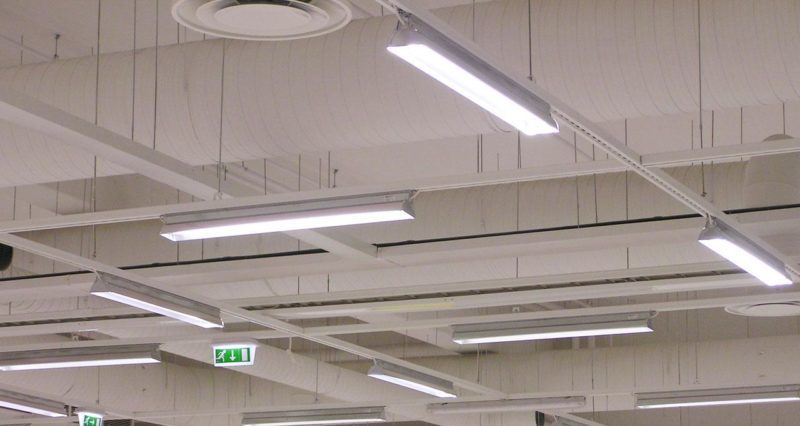
- IP53, 54, 55 - used at food industry facilities or catering points.There are restrictions on the type of products. Devices marked IP54 are installed in heavy industrial facilities, as well as in places with a large number of corrosive particles and severe air pollution.
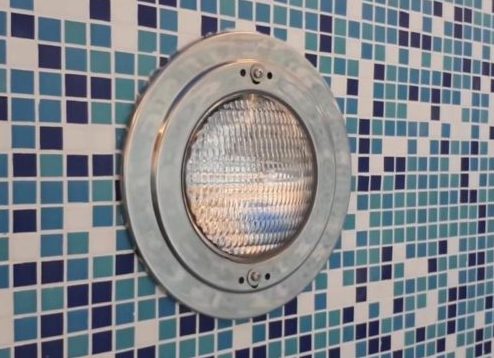
- IP67, IP68. These lights can be used underwater - installed in fountains and pools.
In addition to the degree of protection IP, lighting fixtures are marked with Latin letters, which act as an additional designation. Four of them, located in the left column, show the level of safety of devices in contact with them:
- A - the inside of the hand;
- B - such lamps are protected from touching with fingers;
- C - various tools;
- D – wires or other conductive products.
For example, the device has a unit of measurement equal to 3. This means that an object with a diameter exceeding 2.5 mm cannot enter the body. Then the symbol "C" is indicated in the marking. Such devices include ordinary household lamps in chandeliers.
In the right column of the marking, additional images are indicated to clarify the features of objects and actions:
- H – relation to the class of high-voltage devices;
- M - indicates whether the level of protection against ingress of moisture was tested during operation;
- S - when tested in the aquatic environment, the device did not work;
- W - the presence of a sufficient level of protection during operation in various weather conditions.
Thematic video: Briefly about the degree of protection of luminaires
Depending on the level of protection, a luminaire is selected for specific operating conditions.
Characteristics and types of anti-vandal lamps
Anti-vandal lamps are made from impact-resistant materials. When destroyed, they do not crumble into small elements, for example, glass fragments, which are dangerous to people and animals.
It is easy to remove various drawings and inscriptions left by intruders from the surface of anti-vandal lamps. Such lighting fixtures of anti-vandal protection class are installed in the entrances of apartment buildings.
Property owners do not have to worry about the safety of the lighting in the stairwells. The design of anti-vandal lamps includes special glass fasteners that protect the lamp from theft.
There are no strict norms and the definition of "anti-vandal" in Russian GOSTs. There is only a definition of "resistance to external mechanical influences." European standards have numerical designations within which luminaires can be considered vandal-proof.
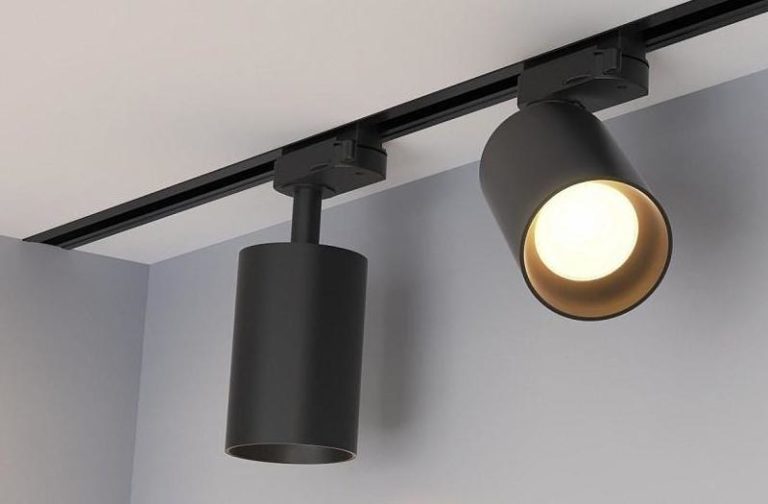
The main indicator of the security of the lamp is the impact force in joules, after which it remains operational. Devices are marked in the range from IK01 to IK10. The highest degree of protection against vandalism is 10. Such models can withstand a fall of a load weighing 5 kg from a height of 40 m. With a hammer weight of 0.2 kg and a fall height of 7.5 cm, the impact-resistant luminaire has an IK01 protection class.
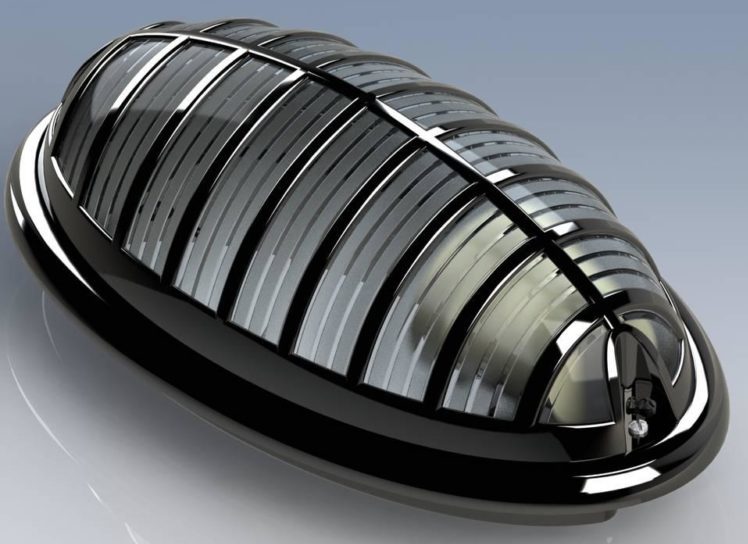
Since there is no single systematization of anti-vandal lighting devices, they can be divided into types according to certain criteria:
- Production material. Protected luminaires usually have a solid stainless steel backplate. The plafond is made of impact-resistant plastic or tempered glass.An external metal mesh acts as an additional protection.
- Mount type. Almost all protected lighting devices are mounted to the ceiling or wall. Their design does not involve suspension or brackets.
- The shape of the fixtures. Lighting fixtures are divided in shape into hemispherical, rectangular and "pills". Anti-vandal lighting devices are usually not made in the shape of an "acorn".
Often protected lighting equipment has a built-in motion sensor.
conclusions
When choosing fixtures for indoor or outdoor lighting, you should pay attention to the level of security of the device, fire and electrical safety. It is important to take into account the material of the ceiling and external protection, the type of fastening, the possibility of placement near flammable materials.