The device for facade lighting of a country house
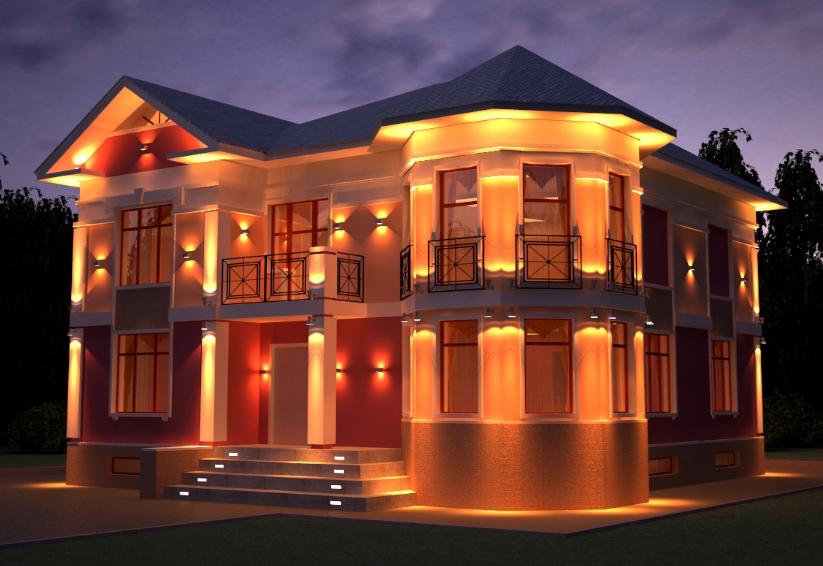
Illumination of the house from the outside allows you to improve the appearance of the facade, illuminates the site and highlights the necessary building elements. Properly using light, you can transform the building and focus on its features. The important thing is that you can choose and install the equipment yourself if you follow the instructions.
Functions and requirements
It is necessary to understand the functions of street lighting in order to understand what tasks it will perform:
- Aesthetic. If you choose the right type of lighting, you can transform any home and make it stand out from the crowd. With the help of light, it is easy to focus on certain elements of the facade or emphasize unusual architecture.
- Practical. The light reflects off the façade and spreads across the site, illuminating it and increasing the safety of movement.You can use additional elements along the paths or near places of rest, select them so that they are combined with facade lighting.
Regardless of what tasks the equipment will perform, it must meet the requirements:
- Reliability and simplicity. This takes into account weather resistance and service life. Installation features are of great importance - the simpler it is, the less risk of doing something wrong.
- Economical energy consumption. Since the backlight works for many hours, using uneconomical fixtures can double the electricity bill. Choose the most economical models.
- Safety. When installing, exclude any risk of electric shock to people and animals. Carry out work in accordance with building codes and use outdoor accessories.
- autonomy. It is better to use systems that automatically turn on and off at a set time, and they can also dim the lights so that the lights are dimmed at night. The second option is photocells, they turn on the backlight at dusk.
- maintainability. It is important that you can quickly replace the lamp or damaged element.
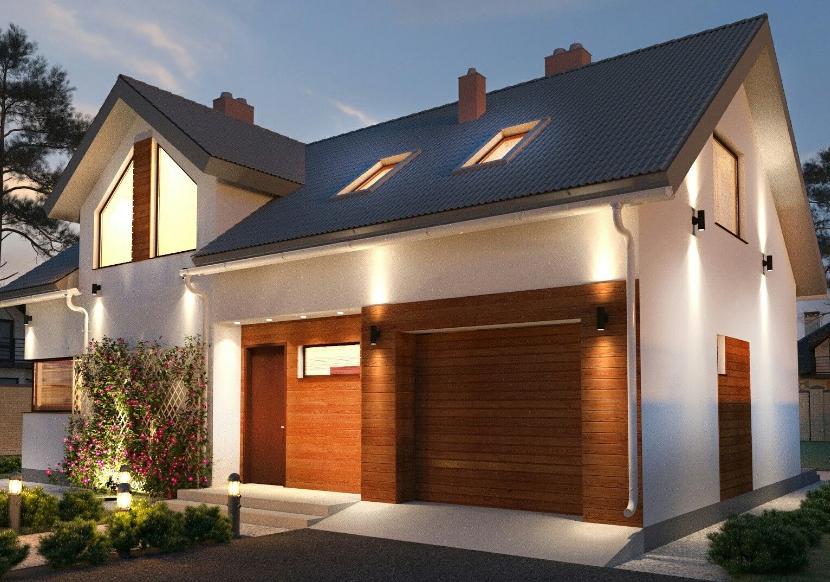
It is best to design wiring while building a house or during a major renovation.
Types and methods of illumination
There are several options, each with its own characteristics. Therefore, it is necessary to select taking into account the type of structure, its architecture and the effect to be achieved. Sometimes a combination of different solutions is used if it helps to better highlight the features of the building.
Flood (fill) lighting
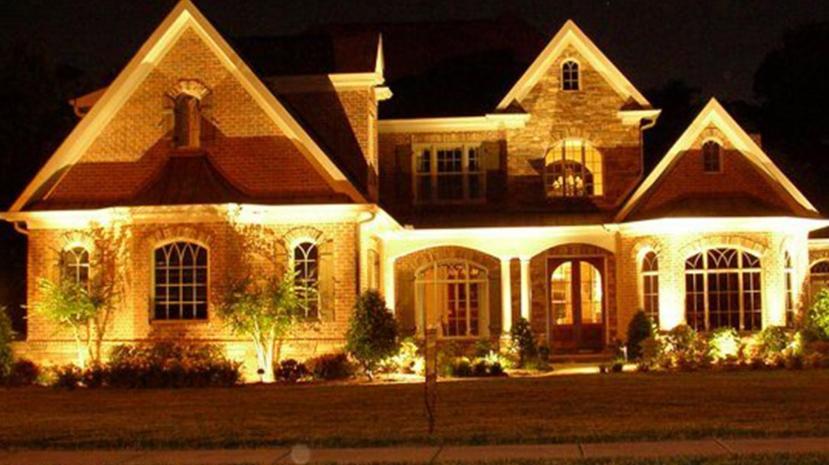
Its peculiarity is that the entire facade or building is illuminated from all sides. It looks good when the house is located in an open area or on a hill. Differences from other methods are:
- The surface should be illuminated evenly from the foundation to the roof. The smaller the difference in illumination, the better the backlight looks.
- If you need to highlight individual elements, then use additional fixtures. They create color accents on the surface.
- This solution well illuminates the house and the area around. Due to the abundance of light, you can not put lanterns in the yard or along garden paths.
- The method is not suitable for small plots, places with large trees and dense buildings. In such conditions, the effect of facade lighting is reduced.
- When illuminating the surface, lamps can be placed on the ground, along the roof, placed on poles or trees next to the house. The latter type may not be suitable, as it illuminates not only the facade, but also the rooms inside. It is desirable that the bedrooms are located on the other side, or blinds should be placed on the windows.
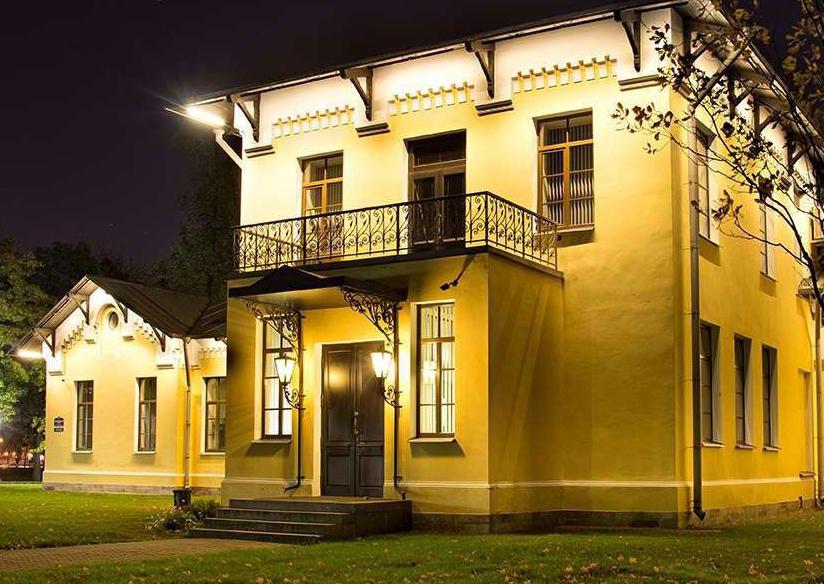
Ground floodlights are enough for one-story buildings, the main thing is to direct them to the surface.
Local
This type of lighting is also called local or accent. It is suitable for private houses and suburban areas, as it is possible to highlight only certain parts of the building or illuminate small buildings. Features are:
- Wall lamps are more often used, which highlight the elements of the facade or focus on some parts of the surface. It is allowed to highlight both the walls and the roof, if it is of an unusual shape.
- You can also highlight the lower part of the building to create a light background on the site.In this case, both the house and garden paths are illuminated, which is very convenient.
- It is better to take into account the features of the structure and combine different solutions depending on the specifics of the site and the house.
- You can select only the corners, highlight the house number and street name. There are no restrictions here, it is worth proceeding from practical considerations.
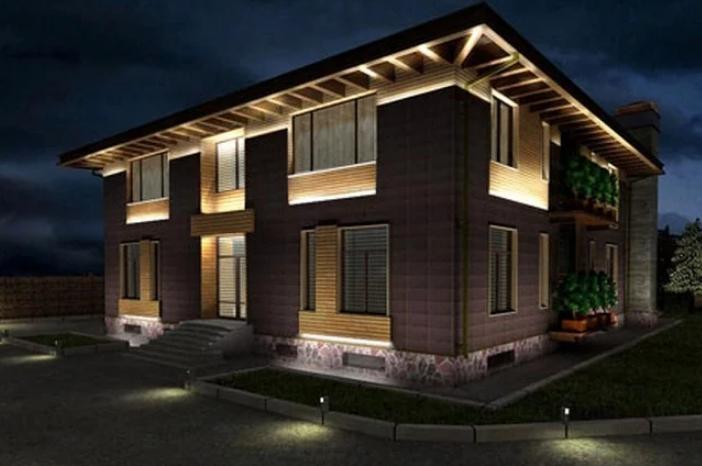
It is better to use luminaire options with the ability to adjust the direction of the light in order to set it perfectly accurately.
Concealed lighting
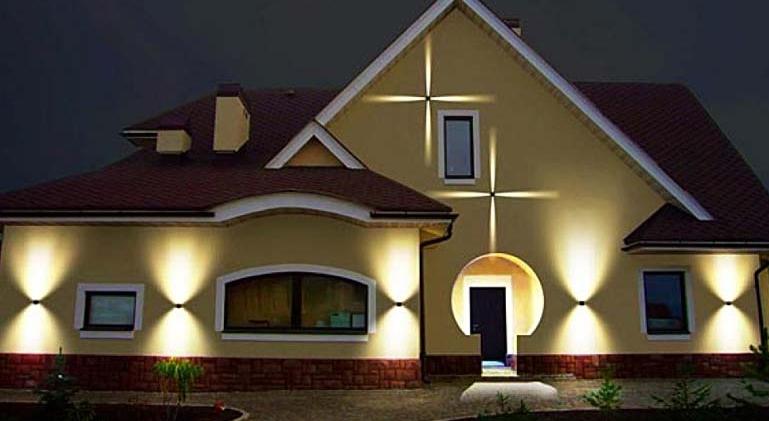
This option is distinguished by the fact that not direct, but reflected light is used. For this, lamps of a special design are used with a deflector that directs and reflects light to obtain the desired effect. The features are:
- The backlight is installed on the facade in a suitable place so that the reflected light stream highlights individual sections or emphasizes the architectural features of the building.
- Lamps can also be used to create a decorative effect due to illumination. They do not necessarily have a practical function.
- The equipment can direct the light in one, two or four directions. Moreover, the width of the reflected beam can be different, which allows you to create interesting light compositions by combining different models.
- This option can highlight windows, corners of a building, illuminate an entrance, or emphasize the contours of a roof. It all depends on the wishes of the person.
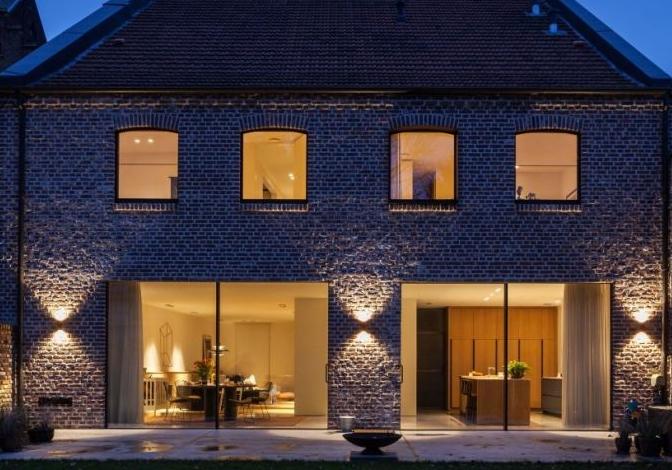
Hidden illumination of the facade of a private house requires preliminary laying of cables to the location of the lamps.
Artistic LED lighting
The method appeared recently, but has become very popular when illuminating facades for a number of reasons:
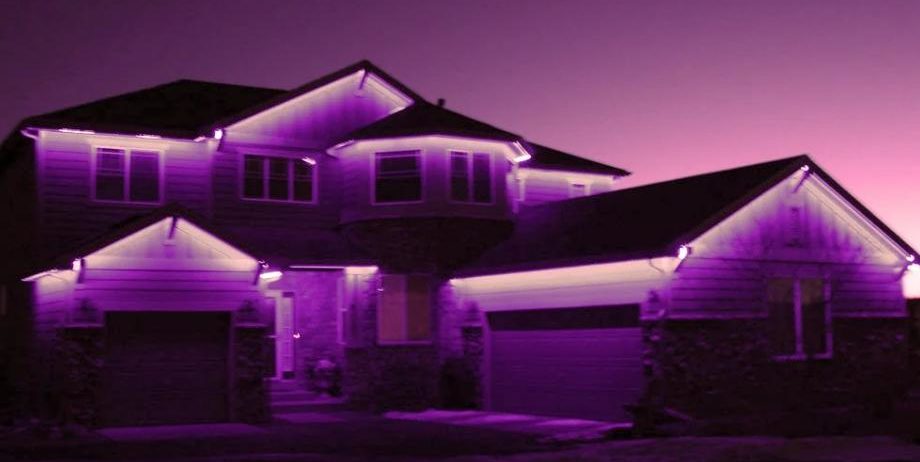
- LED strips consume little electricity, while providing good lighting of the building. The service life when properly installed is 50,000 hours, which is much longer than any other equivalent.
- With their help, you can highlight the contours of the building, frame windows or the entrance. Also, the option is suitable for lighting roof slopes, steps on the porch, etc.
- Pin lighting can be on any ledges, in niches, corners of buildings. It takes up little space, so there is no need to prepare the walls. The connection point can be chosen at any end of the tape, which is also convenient.
- The system can be supplemented with classic lamps. In this case, also choose LED options to save energy as much as possible.
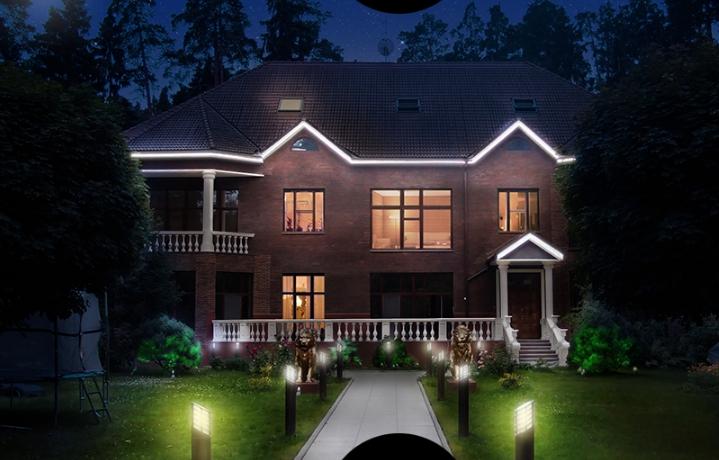
On the street, you can use the LED strip only in a silicone sheath.
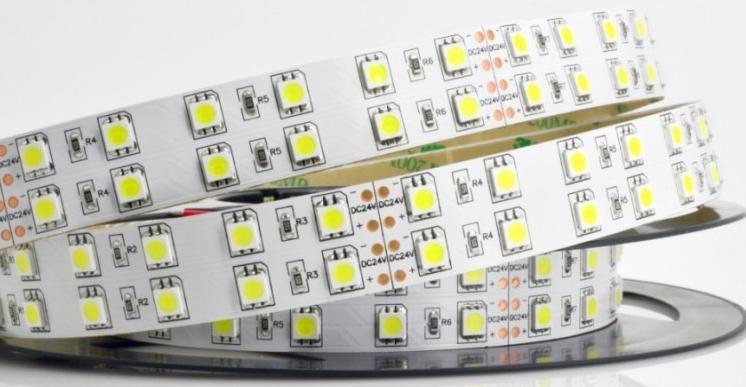
Light dynamic backlight
Suitable for LED lights and strips. This option has many features:
- The ability to change the color of the backlight, which allows you to create different effects on the facade of the building.
- You can highlight individual parts due to contrast or select different modes.
- It is possible to adjust the backlight intensity and color temperature. This makes the design possibilities much wider.
- If desired, you can use the color changing mode so that the facade is constantly changing.
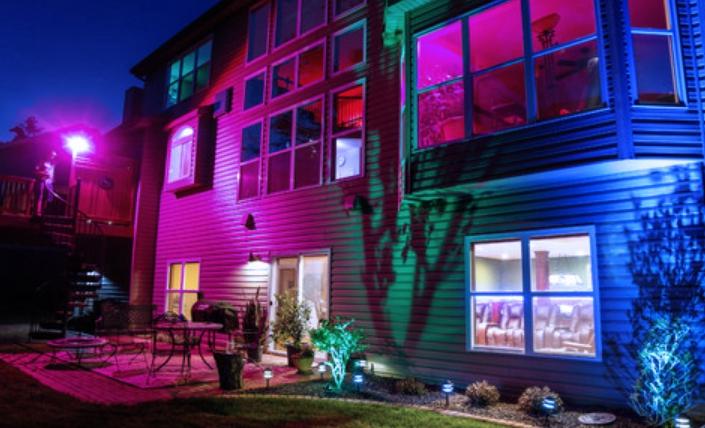
When choosing, you need to use controllers and dimmers to ensure the maximum number of effects.
Luminaire types
Facade lighting of a country house can be implemented using different equipment.It is necessary to choose taking into account the design of the building and the requirements for lighting. First of all, it is worth determining the type of lamps:
- Halogen lamps give good light, but consume a lot of electricity and have a short service life. They are rarely used.
- DRLLamps are placed in spotlights for general lighting. They work stably, but they do not tolerate changes in temperature and humidity.
- Fluorescent lamps consume little electricity and give good light. The main thing is to select sealed shades to protect equipment from moisture.
- LED lamps consume little electricity, last a long time, so they are best suited for the facade. There are models of all types, which will allow you to choose the right one for any home.
- LED strips are used for contours, highlighting individual parts or framing them. Simple and reliable solution.
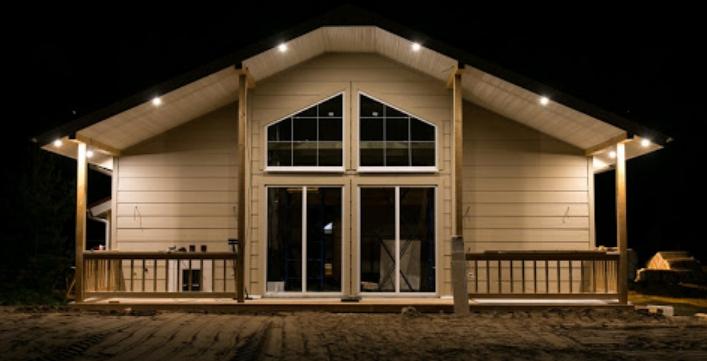
Also for contour lighting can be used such tapes as Duralight, flexible neon etc. And on New Year's holidays, the facade is additionally decorated with garlands.
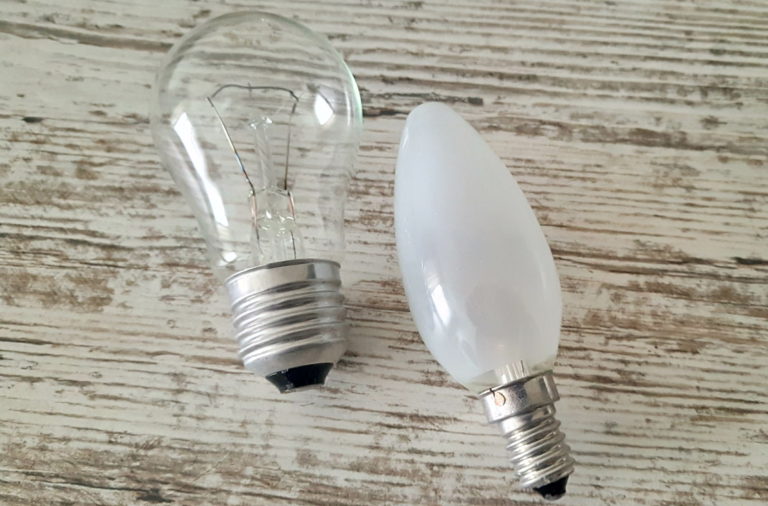
Recessed luminaires
The design is the same as that of the options used on stretch and plasterboard ceilings. The difference is that moisture-proof weather-resistant models are made for facades that are not afraid of temperature changes. Key Features:
- The body of the luminaire is hidden in a pre-prepared niche. Therefore, it is necessary to think over this point in advance so that there are no problems during installation.
- It is most convenient to place the equipment under the ledges of the roof and in the blind area, if you leave niches in advance.
- When choosing a place, remember that you need to provide good protection of the lamp from moisture.
- When finishing the facade, you can leave space for mounting recessed fixtures anywhere.
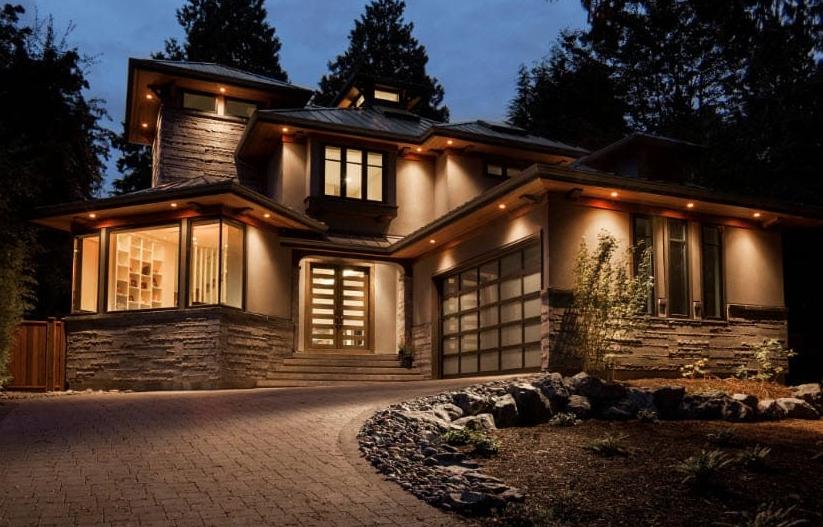
It is necessary to choose the location of the equipment, taking into account its power and lighting area.
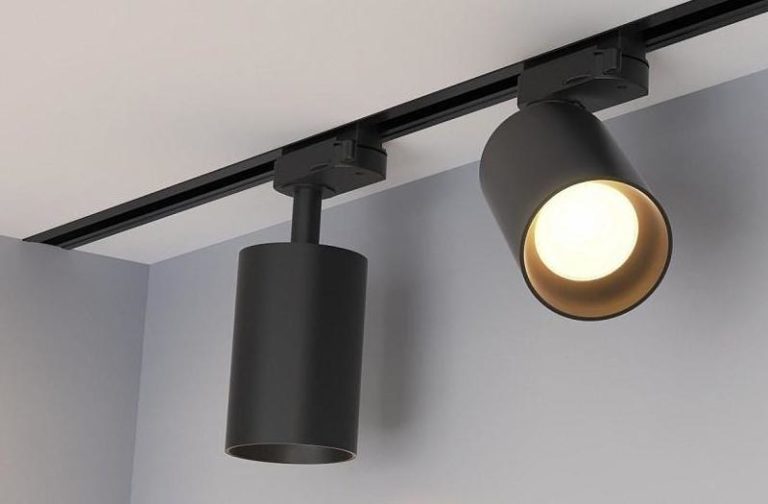
wall models
The easiest option to install, the main thing is to wire in advance. For installation, choose a reliable mounting option. There are several types of equipment:
- Concealed luminaires that illuminate the wall in the right direction. They are usually fastened with dowels, and the reflector is installed separately. Can be placed anywhere on a wall or on a foundation.
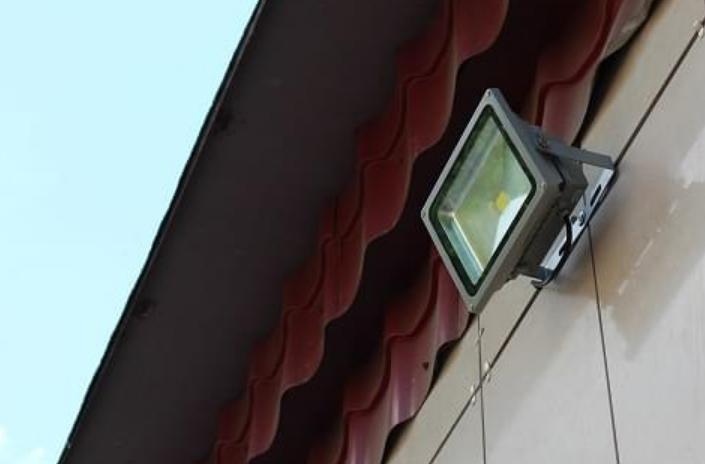
- Models with a reflector that create a directional beam of light. Most often they are mounted on a swivel bracket, which allows you to adjust the backlight as needed.
- Spotlights and lamps on holders. To move the light source away from the wall and provide greater grip, models are used on metal brackets, the length of which can be from 10 cm to half a meter or even more.
If the wires were not laid in advance, they are placed in cable channels matched to the color of the facade.
ground lamps
Suitable if flood lighting of the facade is made, which should cover the entire surface from the foundation to the roof. This type has many features:
- Use floodlights with a directional flow and a reflector that distributes light evenly over the entire height of the cottage or other building. Their power depends on the illuminated area.
- LED options are better suited, as they give a bright light and last a long time on the street.
- It can be installed both on the ground and in the blind area, garden paths or pre-poured concrete areas.Lay the wires in a special sleeve underground.
- The spotlight must be adjustable in at least one plane.
Often, to protect against accidental damage to equipment, it is placed in a metal frame.
Overhead options
This includes different types of tapes that are attached to the surface in a suitable place and illuminate a small area or create an outline of a building. Features are:
- It is best to attach to clamps of a suitable size; you should not use double-sided tapes, as they quickly lose their properties.
- The ledges are a good place for mounting, tapes are attached to them through the distance.
- It is possible to fix an aluminum profile under the tape on the facade. He will protect her from adverse influences. And if you choose the option with a diffuser, then the lighting will become more uniform.
It is very important to securely secure the wire connection and consider the location of the control unit.
6 simple steps for DIY facade lighting
If you prepare in advance and follow a few simple tips, the work can be done in just a few days. This will save significant money, as facade lighting installation services are not cheap. The instruction consists of the following steps:
- Make at least the simplest project. It is better to do this before finishing the facade or before its overhaul. Determine the type of equipment that will be used and consider how best to bring the wires to the right places.
- Connect the wiring to a separate machine in the instrument panel, so that if necessary, turn it off separately from the interior lighting. Use a copper cable with a suitable section for outdoor use.For installation, use a special sleeve to provide additional protection.
- If the façade is already finished, use appropriately sized cable ducts for wiring. Try to place them along ledges or cornices so that they are as small as possible conspicuous.
- Choose fasteners for the selected type of fixtures. Depending on the type of facade, you will need a power tool with a concrete drill or other equipment. It is also necessary to ensure safe work at height, for this you can use a ladder or scaffolding.
- After installing the fixtures or tape, connect the wiring. It is best to insulate the connections with special heat shrink tubing or use a sealed connector.
- Connect controls. Check system operation to make sure everything is fine.
Choosing a facade lighting for a cottage or a country house is not difficult if you understand the features of the main types and determine which one is best suited. It is better to put LED equipment as the most economical and safe. Do-it-yourself installation is easy if you think over the project in advance, lay the wiring and fix the lamps or LED strip on the facade well.
Video: Top 5 Facade Lighting Mistakes
