What is lighting and what types exist
Lighting is important in all spheres of life, as people receive most of the information through their eyesight. It is impossible to provide normal working or resting conditions if the light is too dim. This impairs visibility and causes increased fatigue. With prolonged work in a room with insufficient illumination, vision problems develop.
What is lighting
Lighting is light that can come from both natural and artificial sources. The quality of light is determined by its brightness, uniformity of distribution and a number of other characteristics.
If natural light is difficult to regulate, then a number of requirements are imposed on artificial light. It is divided into different types depending on the purpose, location and other factors. The most commonly used combination natural and artificial lighting. Combining the two options allows you to achieve the best effect.
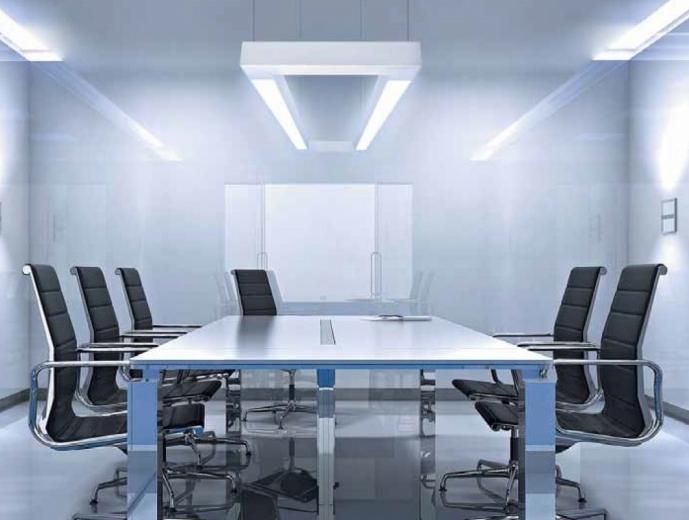
Daylight
This is the light coming from the sun during the daytime. Indicators may vary depending on the region, cloud cover, the location of buildings and trees near the building. The following types of lighting are distinguished:
- Lateral. It enters the premises through window openings, which can be located both on one side and on two or more sides, it all depends on the characteristics of the building. When designing buildings, the optimal window sizes are determined to ensure the normal penetration of natural light. It is also taken into account that the southern and eastern side are illuminated much better than the western and northern ones.
- Upper. In residential buildings, it is realized through the installation skylightsthat are built into the roof. Dome and other similar structures are often used in greenhouses or pools. In industrial premises, so-called lanterns are used - superstructures on the roof with windows on both sides. Suitable for large buildings where light from windows does not penetrate deep into workshops or warehouses.
![What is lighting and what types exist]() Overhead lighting is most often used in public buildings.
Overhead lighting is most often used in public buildings. - Combined. This is a combination of top and side lighting, which allows you to achieve the best result. But this option is the most difficult to implement and it is not always possible to use it.
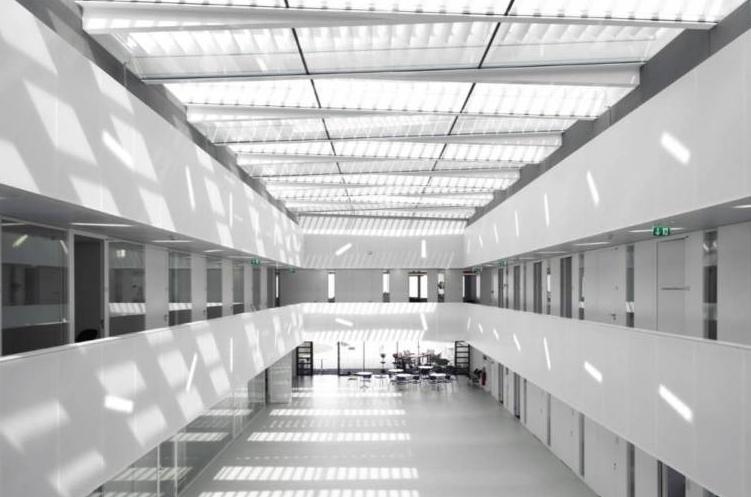
The coefficient of natural light is an indicator that is used in the test. Measurements are carried out with special equipment.
artificial lighting
This option is used when there is a lack of natural light. It allows you to provide optimal conditions regardless of external conditions, therefore it is considered the main one. Depending on the purpose, different types of lighting of this type are distinguished, each has its own characteristics.
General lighting
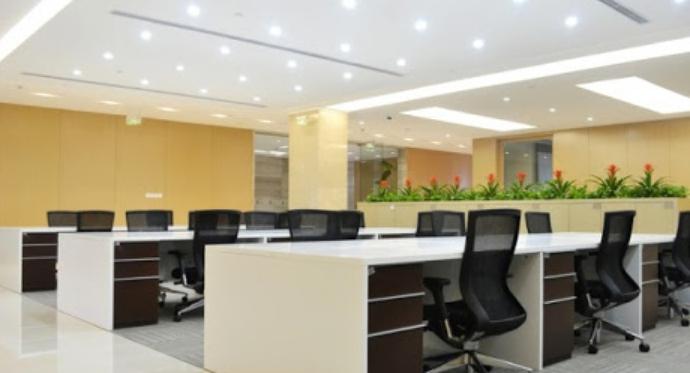
Can be used both outdoors and indoors. There is almost everywhere, often this is the only option that is enough for normal work or leisure. We must remember the following:
- Lamps are most often located on the ceiling, but can also be installed on the walls.
- Different types of premises have their own lighting standards, which should be followed when choosing equipment and its power.
- Of great importance is the uniformity of the distribution of the light flux. Therefore, powerful lamps with diffusing shades are used. Indicators are measured in areas that are lit the worst.
- When illuminating the site, the location of the lamps is selected so as to ensure normal working conditions at the production site or any other site. Often, the most important places or objects of increased danger are allocated additionally to increase security.
- In industrial premises, the location of lamps, their type and power are selected in advance. Installation work is carried out strictly according to the project.
- In living rooms, most often general lighting provides chandelier. But there may be options using several built-in lights or other equipment.
If a lot of employees over 40 years old work in the room, the illumination standards need to be increased.
Zonal and local
These types of electric lighting are used as additional ones. With their help, you can ensure the convenience of work or rest, as well as illuminate the area of \u200b\u200bthe room, if necessary. It is important to remember the following here:
- The zonal option allows you to select a specific zone if it is required to complete the work. For example, this option is often used on kitchen, when illuminating the workspace.
![What is lighting and what types exist]() Zoning the dining area in the kitchen.
Zoning the dining area in the kitchen. - Local lighting allows you to select a small area. For example, it makes no sense to illuminate a desktop or a machine from above, it is much more reasonable to put a lamp with a directional light and an adjustable ceiling. This includes wall and bedside lamps.
- When choosing equipment, it is worth remembering that the selected area should not be much brighter than the space around. This is especially true for directional lamps. A large difference in brightness causes visual discomfort and provokes rapid eye fatigue.
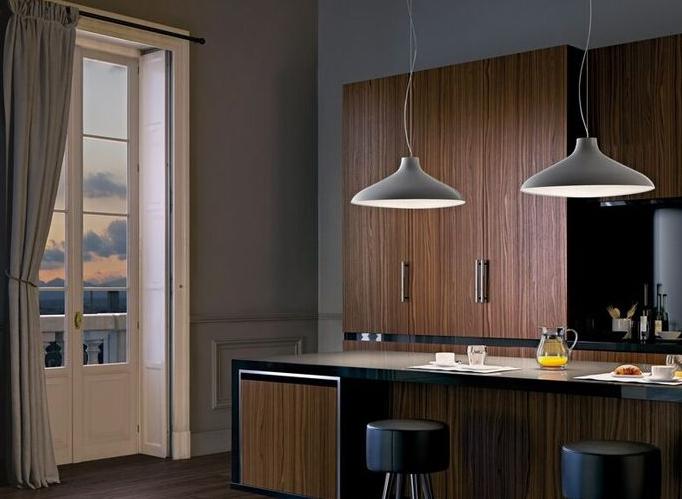
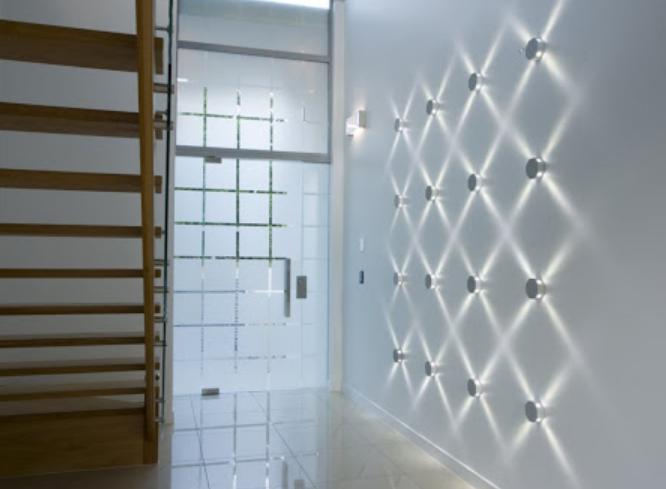
decorative
This option is necessary for placing accents in the room, highlighting objects or zones. It is always used additionally. Features are:
- You can use built-in equipment as well as wall, ceiling or floor lamps. It is best to use models with adjustable shades to customize them to the features of the room.
- To highlight paintings or sculptures, small-sized options are selected. It is important here to focus on a particular object, but not to highlight it too much.
- Backlight can be used in aquariums, basins, along the paths on the site or even in flower beds and alpine slides. There are no restrictions, but equipment with increased resistance to moisture is selected for open air.
Architectural, advertising and showcase
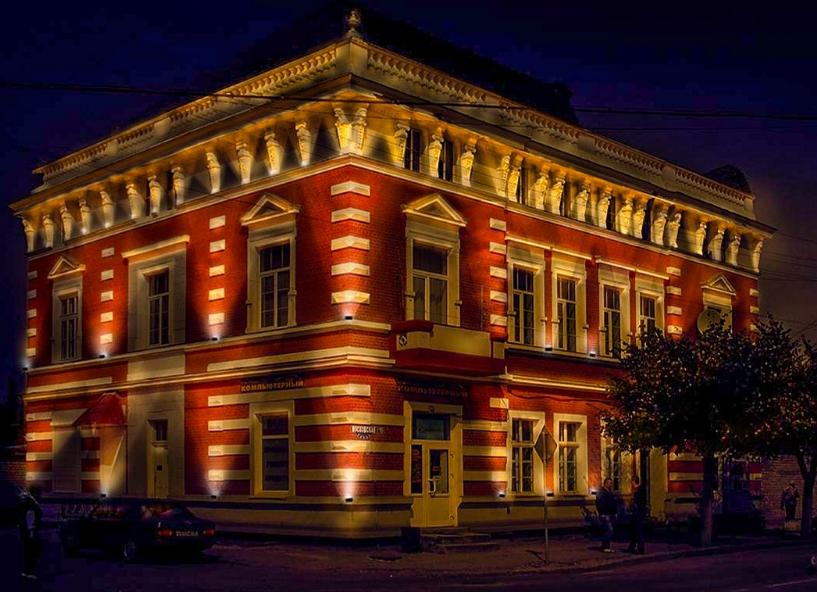
These lighting systems are used in outdoor design, so they must meet a number of requirements. It is especially important to comply with the norms in conditions of dense urban development and an abundance of light sources. The following is important:
- architectural lighting should not fall out of the general row if the building is located in the city.There are no special restrictions on private territories, the main thing is to choose safe and economical equipment. Now technology allows you to spend a minimum of energy on lighting thanks to LED lamps.
![architectural lighting]() Architectural lighting sets the building apart from the general background.
Architectural lighting sets the building apart from the general background. - Advertising lighting should draw attention to billboards and other objects. At the same time, it is regulated by a number of norms and is agreed with the city authorities or the organization serving the route. In the premises, advertising elements stand out not only due to brightness, but also due to color, often dynamic lighting or various flashing indicators are used for this purpose.
- Window displays have their own rules. They should not dazzle pedestrians and drivers or create areas that are too bright. In addition, there are recommendations for different types of products, somewhere it is better to use cold light, and somewhere warm.
By the way! Showcases can have general lighting and accent areas in order to to highlight individual products.
emergency
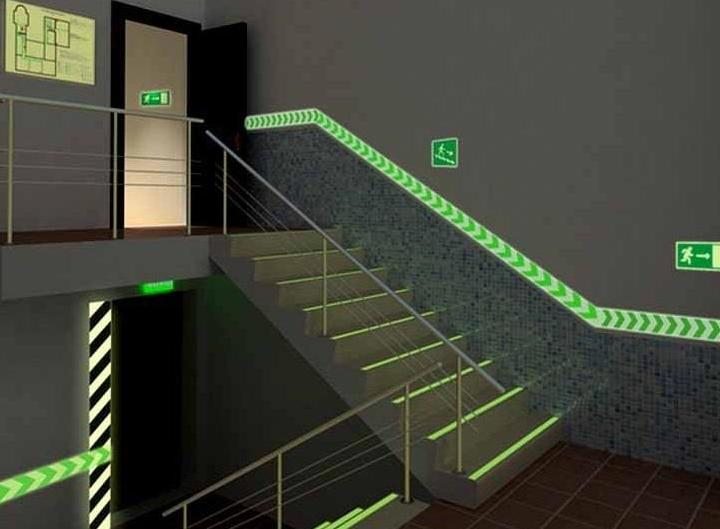
This option is necessary for the evacuation or safe movement of people during power outages. The development of the system is carried out taking into account a number of requirements and is agreed in the supervisory authorities. Features are:
- Equipment with an independent power source is used. Most often these are LED lamps with a battery.
- Illumination rate - not less than 5% of the indicators used in standard conditions.
- Be sure to indicate exits and flights of stairs. The distance between the lamps should not exceed 25 m.

Outdoor and security
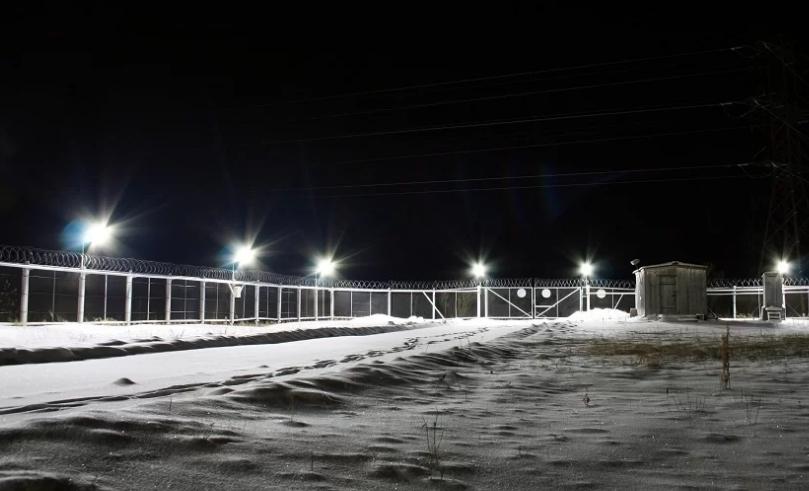
These options are required to improve security and simplify control over the territory and premises.With regard to outdoor lighting, the perimeter, walls of buildings and objects that require special control are most often highlighted. To save energy, such lights are often equipped with motion sensors.
security lighting used in corridors and industrial premises. Most often, it simultaneously performs the function of a standby light or serves to ensure safe movement in areas that are not used when working at night.
Video lesson: Classification of lighting.
Separation by purpose
Depending on the purpose, different types of electric lighting are distinguished. The main ones are:
- Industrial buildings and facilities, as well as public spaces. These can be workshops and offices, as well as classrooms at a school or warehouses. The list is large and each type has its own norms and requirements.
- Private houses and apartments. Here, not only high-quality lighting of rooms is important, but also interior design. There are no fixed norms in residential areas, but there are recommended indicators.
- street lighting. There are two options here - lanterns on the streets of settlements and local light sources in courtyards and private areas.
Street light can also be decorative if used for facade lighting.
Lighting methods
Depend on the design of the fixtures and are selected individually. Understanding the features is easy:
- Directional light - thanks to the reflector, it spreads to a certain surface and highlights it well.
- Reflected - the stream is directed to the ceiling and walls and fills the room with uniform light.
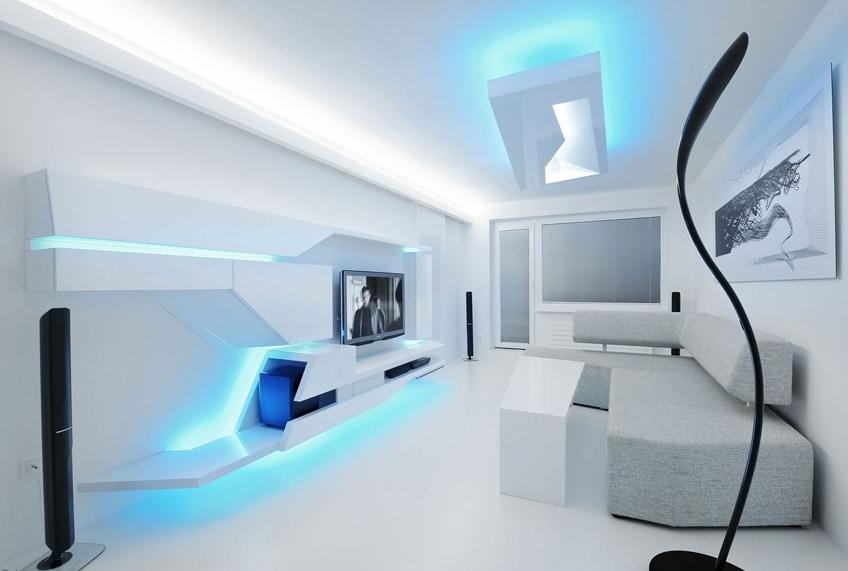
![What is lighting and what types exist]() Reflected light in a modern interior.
Reflected light in a modern interior. - Diffused - due to the plafond of matte material, the light is evenly distributed around.
- Mixed - two or three options are combined to provide a good result.
Understanding the features of lighting and its varieties is easy if you use the information from the review. The main thing is to comply with the norms and recommendations established for a particular area.