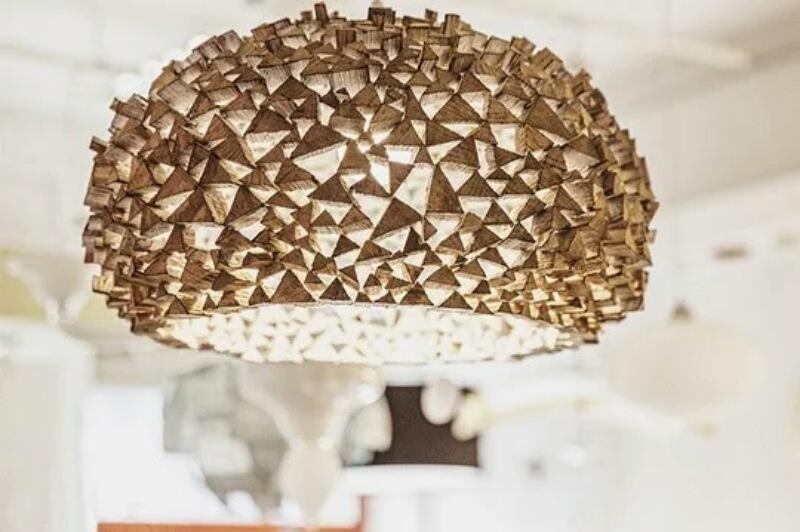
Detailed description of the varieties of chandeliers
It has been necessary to group several light sources into one complex since the time when a person learned to illuminate his home with candles and lamps. One candle was not enough for a large area, which became the reason for the invention of various candelabra - candlesticks for several candles, and by placing them higher, towards the ceiling, it was possible to achieve uniform light dispersion. This is how the first chandeliers arose - lighting fixtures from several candlesticks, lamps, and now electric lamps, mounted under the ceiling. And despite the increased demand for point lighting, zonal lighting with neon lamps and LED strips, the well-established concept of lighting technology of ancient times not only did not disappear, but began to develop in parallel. The fact is that with a creative and competent approach to home design, different types of lamps are combined, replacing or complementing each other as needed.
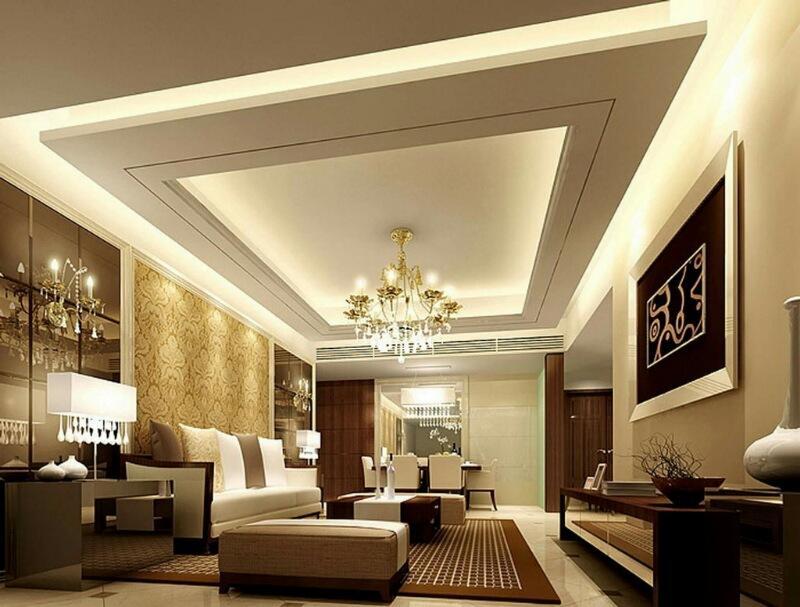
However, the main types of chandeliers are designed as self-sufficient devices, and combinations are arranged more for aesthetic than practical reasons. Additional lights on the middle and lower levels, as a rule, are placed inconspicuously, helping to zone the space without contrasting against the general background and highlighting the chandelier as a central design object.
Varieties of styles
Different types of lamps and chandeliers are grouped based on external data, and all that remains is to install a model that either exactly matches the interior design, or sharply contrasts with it, but at the same time matches one of the categories: color, texture or material.
Industrial
The style has several subspecies:
- loft - most accurately reflects the essence of industrialization. The design is thought out from a position of practicality and conciseness, but with some charm inherent in factories and enterprises of the 60s of the twentieth century in the United States. Mounts in the form of rods with chains or a cable hold metal reflectors in dark, non-staining tones. The lamp sometimes has a protective grille;
![Detailed description of the varieties of chandeliers]()
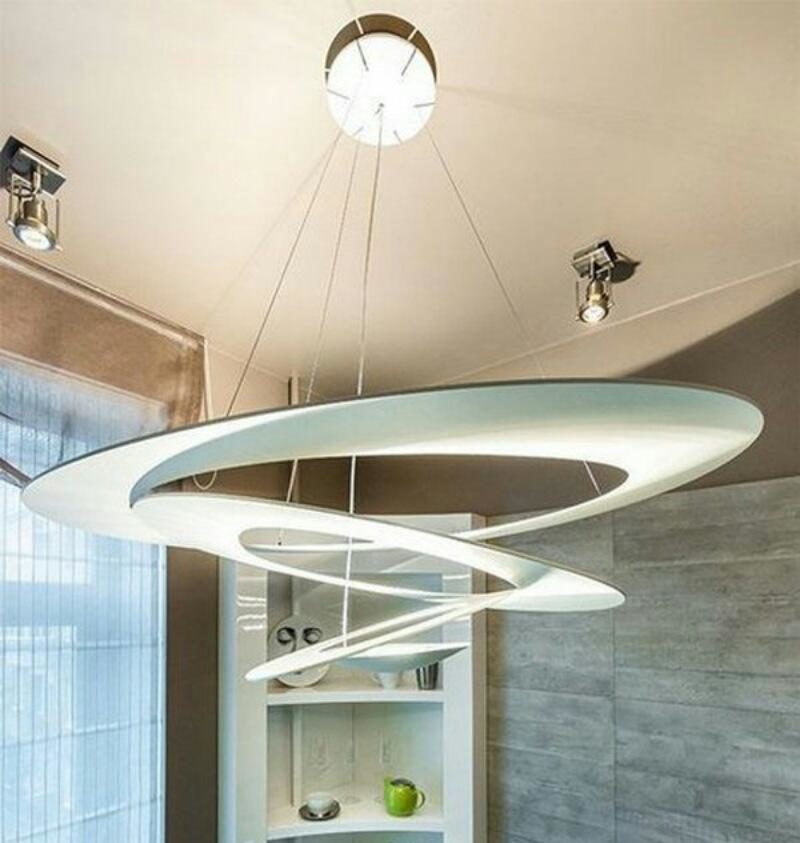
- high tech — a modern direction with a look into the future. A clear, precise geometry of the reinforcement is limited by some rationalism. Diode or halogen lamps are in harmony with chrome, shiny or matte steel and glass fittings. The overall impression is reminiscent of spaceships, teleporters and other sci-fi blockbuster delights;
![Detailed description of the varieties of chandeliers]()
- modern - a combination of industrial notes in the form of practical shapes and materials, but with some regard for the classic design. Forms are smoother and more harmonious; fittings often cannot do without crystal and semi-precious stones.A compromise between the fantasy of the future and the sophistication of the Renaissance;
![Detailed description of the varieties of chandeliers]()
- minimalism - the name defines the essence of the style. Nothing superfluous, only rigor, conciseness, expediency. Adjusted proportions, a minimum set of materials (steel, plastic, glass) and shapes (circle, square, tablet or pyramid). However, with a creative approach, they fit perfectly into the corresponding interior.
![Detailed description of the varieties of chandeliers]()
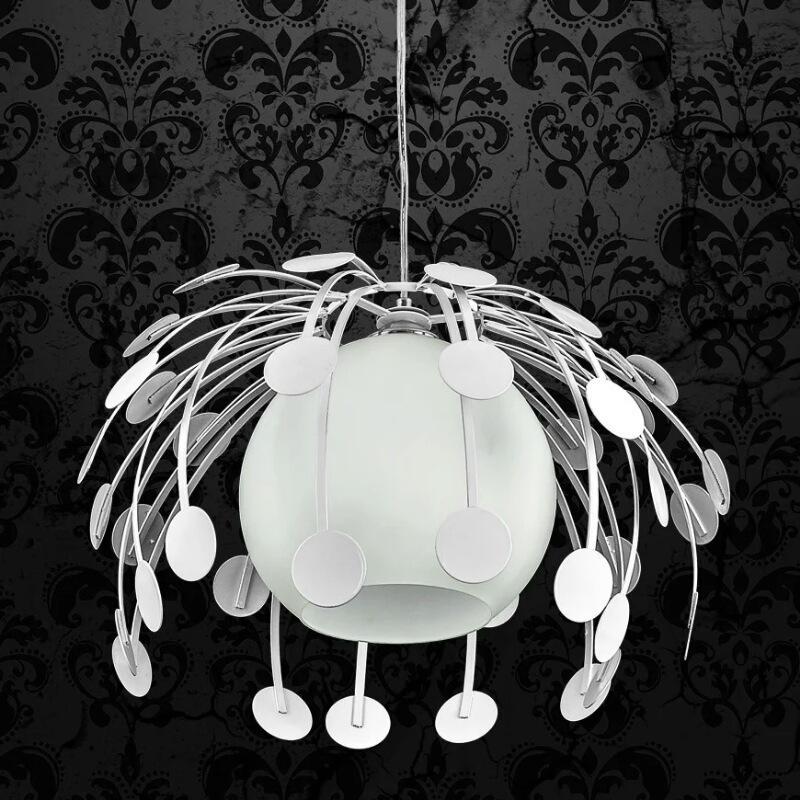
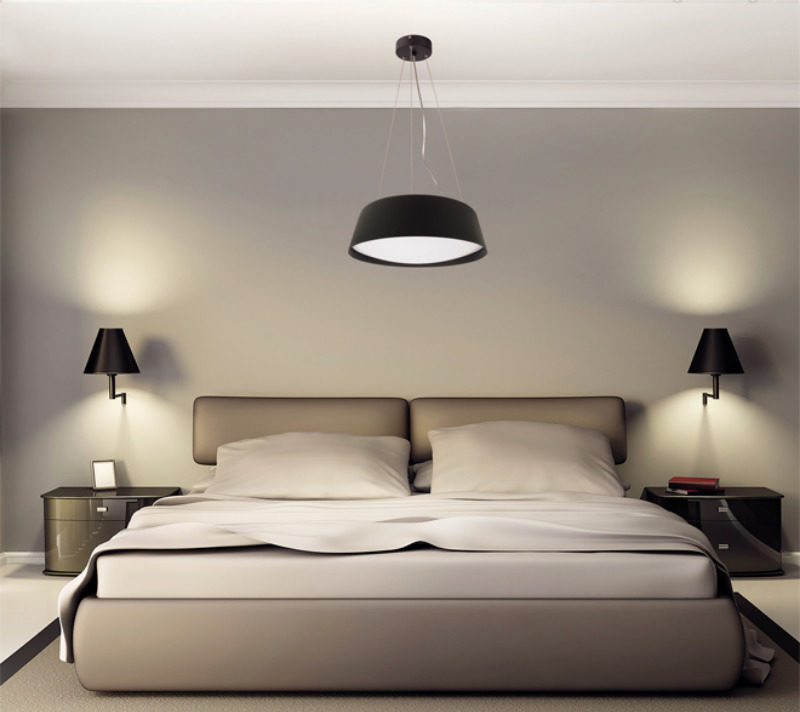
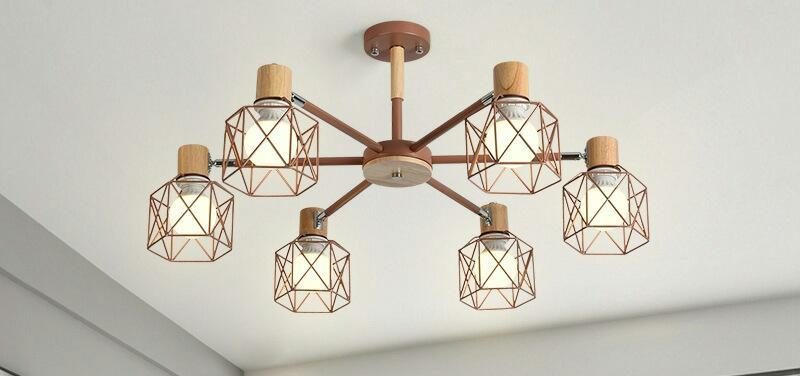
The main rule of style is a combination of environmental friendliness with minimalism. The fittings are almost always made of natural-colored wood, sometimes painted in soft, discreet tones. Round or square shades are made of glass, wood with stone included. Lamps often hang low, which is explained by the lack of sunlight in the Scandinavian regions and the need to place the lamp lower, at the same time saving on the power of the light source. The brutality of these chandeliers is applicable in interiors with a natural, classic and at the same time minimalist bias.
Castle
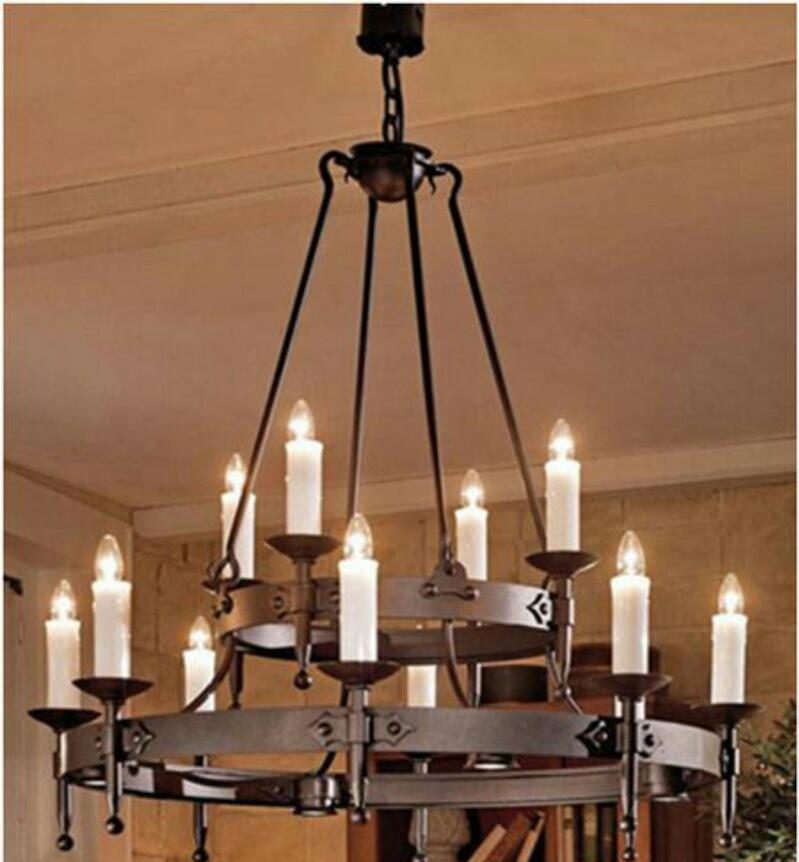
The nobility of medieval castles requires the space of an estate or a penthouse, since in a cramped room of an apartment a massive chandelier made of wood, forged fittings and fittings will look attractive. Wood and iron are artificially aged or coated with paint that imitates gold, silver, bronze or copper. With a certain brutality, the design is not devoid of metal or wooden decorative details in the form of weapons, coats of arms, shields. Light bulbs in the form of antique candles are placed in blown glass shades, and sometimes left without a shell for clarity. Bunk, low-hanging structures are suitable for the living room.
Baroque
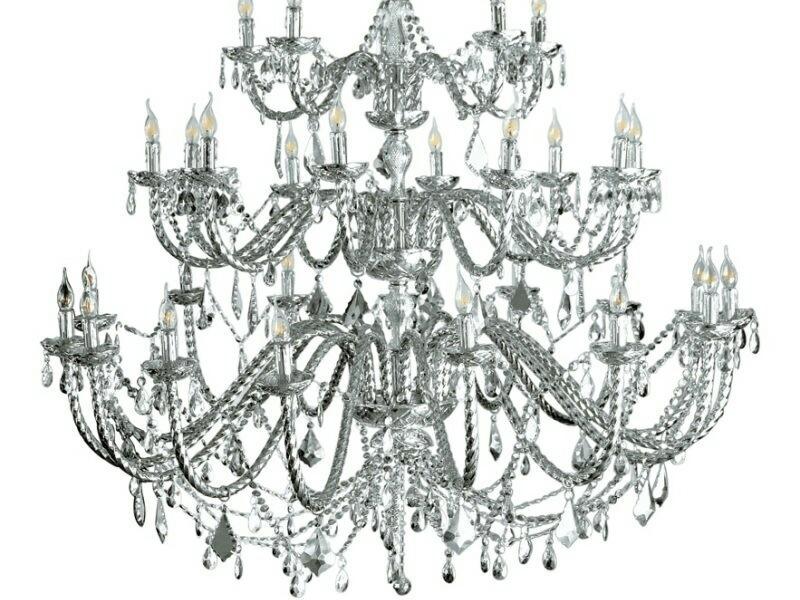
It is characterized by a word that in semantic translation means excess.Tiered, sumptuous chandeliers are made up of many swirls, curves, small pieces of jewelery fittings, gilded chains, and crystal pendants, the density of which sometimes rolls over. In this case, combinations of glass, metal, plaster, stone elements are used, painted in contrasting or plain colors.
Empire
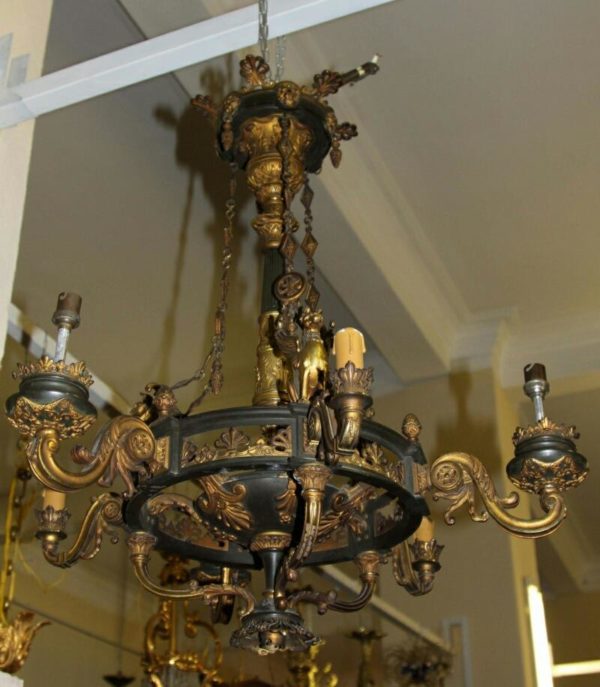
Displays the era of French imperialism under Napoleon Bonaparte. It is distinguished by pomposity and incurable pathos, expressed in heavy chandeliers made of forged or cast bronze. There is a finish of gilded plaster moldings, carved wood, crystal and porcelain shades, multi-colored beads, pendants painted in the colors of the French flag. Candle-shaped lamps, typical of the period, are most often left uncovered.
Retro
The essence of style is most successfully expressed in two directions:
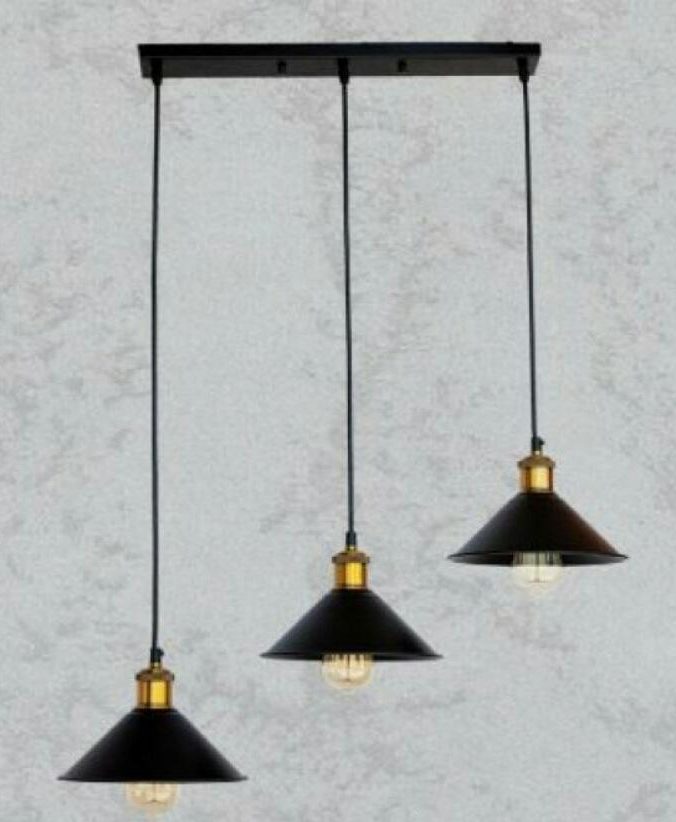
- vintage - reflects the romantic fashion trends of the thirties, when preference was given to glass, metal lattice shades, conical reflectors hanging on chains or ropes. Products are made in dark colors, contrasting with copper and bronze. Some products repeat the design of kerosene or gas lamps of the late IX - early XX century. The light sources are antique filament lamps;
![Detailed description of the varieties of chandeliers]()
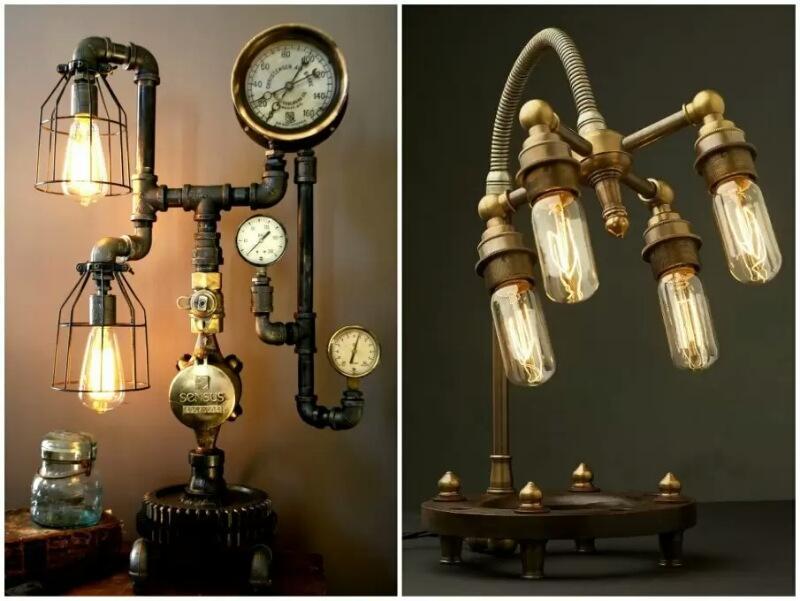
- steampunk - a symbiosis of vintage with a loft, but with a bias in science fiction on the topic: "how it would be if technical development stopped at the retro era." The models differ from the vintage ones by artsy and creative forms with the inclusion of various gears, analog dials, water pipes and mechanisms in the design of the chandelier. All these decorations carry a hint of possible functionality, which can only be guessed at. The combination with Edison lamps enhances the fantastic effect.
![Detailed description of the varieties of chandeliers]()
Art Deco
Exotic elements of archaic and antique solutions are placed in a clearly defined round or square shape with some pomp of the later baroque. Varieties of certain chandeliers of this style reflect the geographical factors inherent in the peoples of the Middle East, African and South European regions.
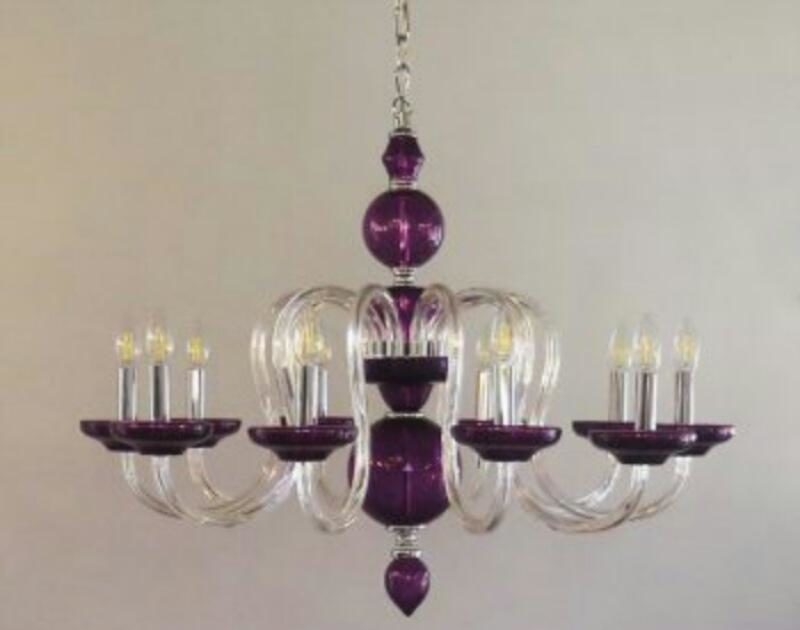
Ethnic style
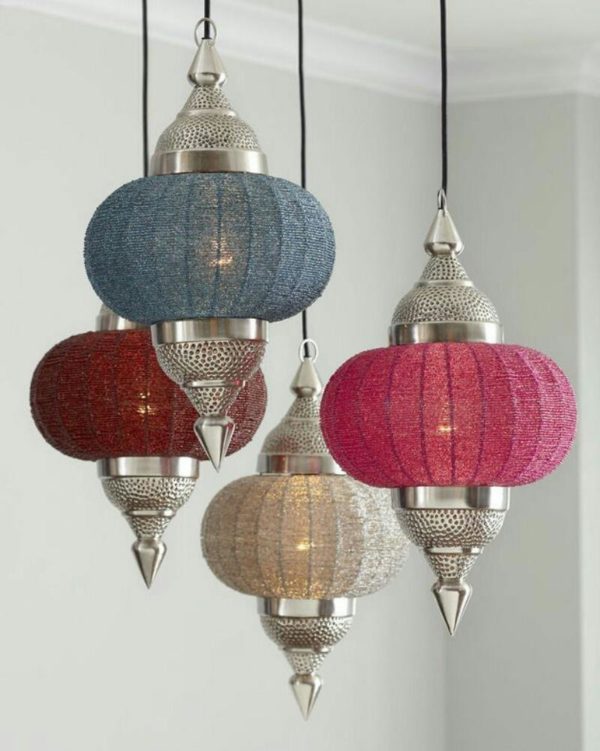
It represents the quintessence of the character of a particular ethnic group in a given period of time, for example:
- Indian - a group of lamps is placed in round, colorful lampshades made of fabric or multi-colored glass pendants;
![Detailed description of the varieties of chandeliers]()
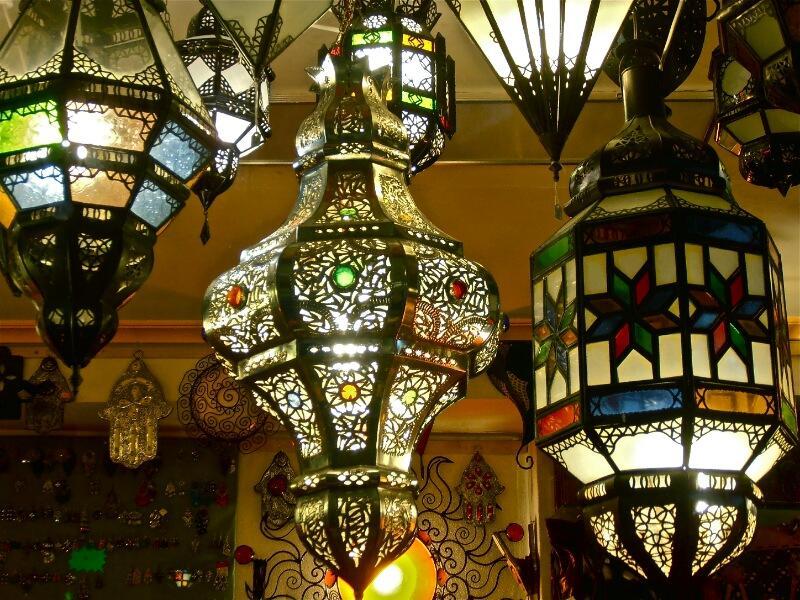
- Moroccan – stained-glass ceiling lamps are formed from a round or faceted metal frame, into which multi-colored glass is glued with a predominance of yellow, red, green and blue colors of a peacock feather;
![Detailed description of the varieties of chandeliers]()
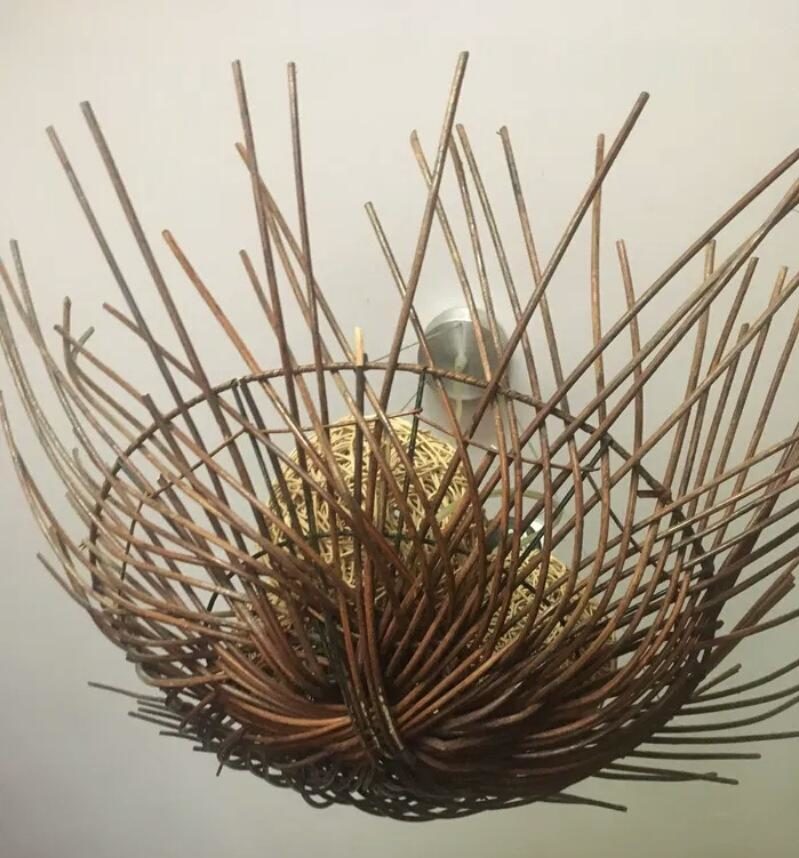
- African - the most exotic option. Gifts from the African savannah are used as materials for fittings and lampshade: bones, skins, feathers, stones, branches of shrubs and reeds. The glass lampshades are in contrasting black, red, and yellow;
![Detailed description of the varieties of chandeliers]()
- British - in its classic form, this is a demonstration of English restraint, conservatism and a sense of superiority, expressed in the use of accurate proportions, pastel colors. Lampshades are made, most often of metal, covered with fabric or frosted glass.
![Detailed description of the varieties of chandeliers]()
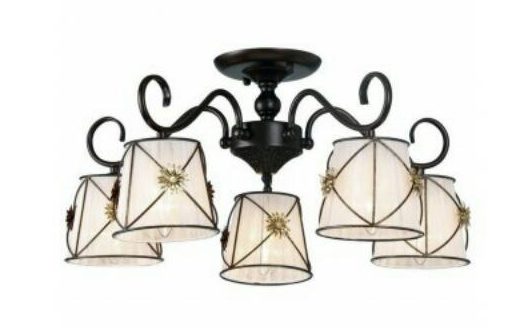
floristic
Made in a classic style, chandeliers with a floral bias necessarily have flowers and leaves in their design.
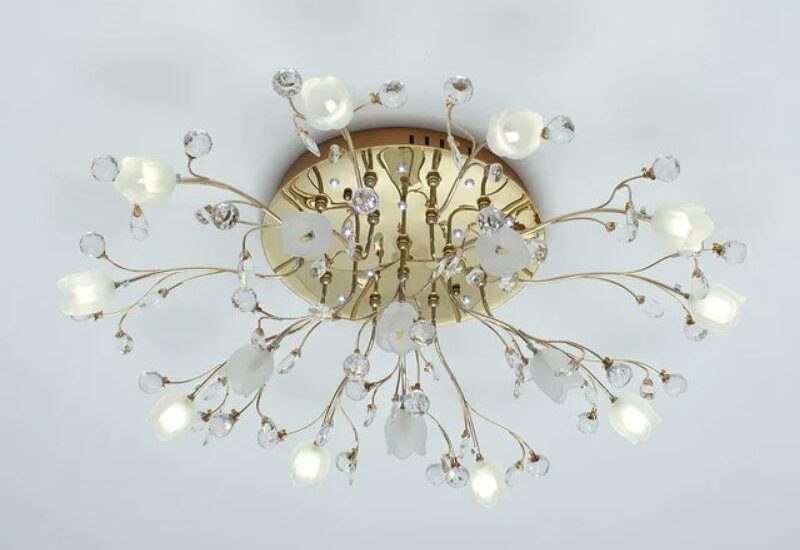
Country style
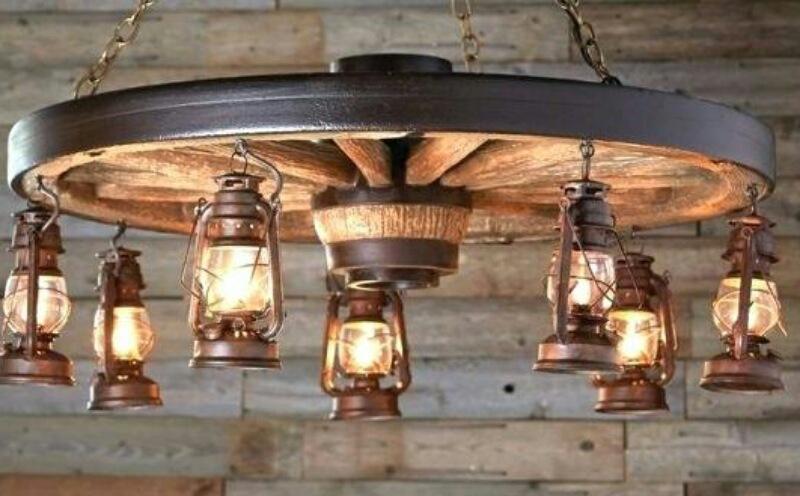
The design is based on three materials: rough-hewn wood, wrought iron, antique fabrics. All elements are artificially aged. Some products are modified household items, for example, wheels from a cart or spinning wheel, clay pots, rocker arms.
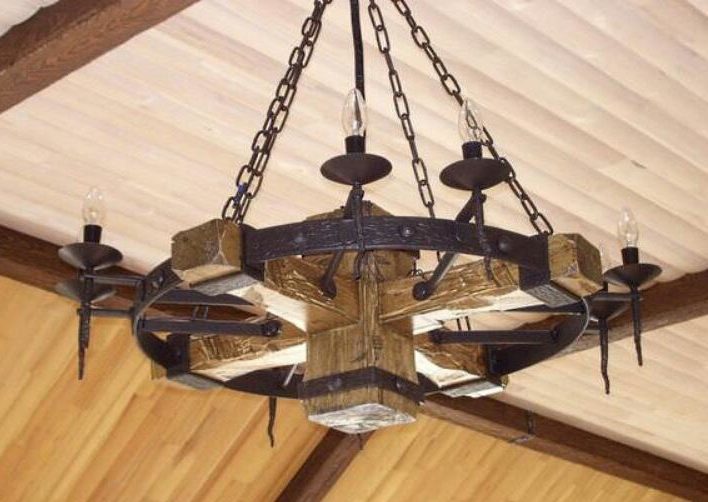
Oriental
It is represented by two directions based on the culture of the Arab and Asian peoples:
- middle eastern style - associated with the Muslim religion of the Arabs. Their lamps symbolize heavenly bodies or the domes of mosques. Arabs love to display wealth and luxury in the use of gold with precious stones or their imitation.
![Detailed description of the varieties of chandeliers]()
- far eastern chandeliers is the exact opposite of Arabic. Chinese lanterns are relatively simple structures made of wire or wood, covered with rice paper with images of hieroglyphs, dragons, birds, scenes from the Chinese epic. There are practically no other colors in the design, except for white, black, red, as well as their shades.
![Detailed description of the varieties of chandeliers]()
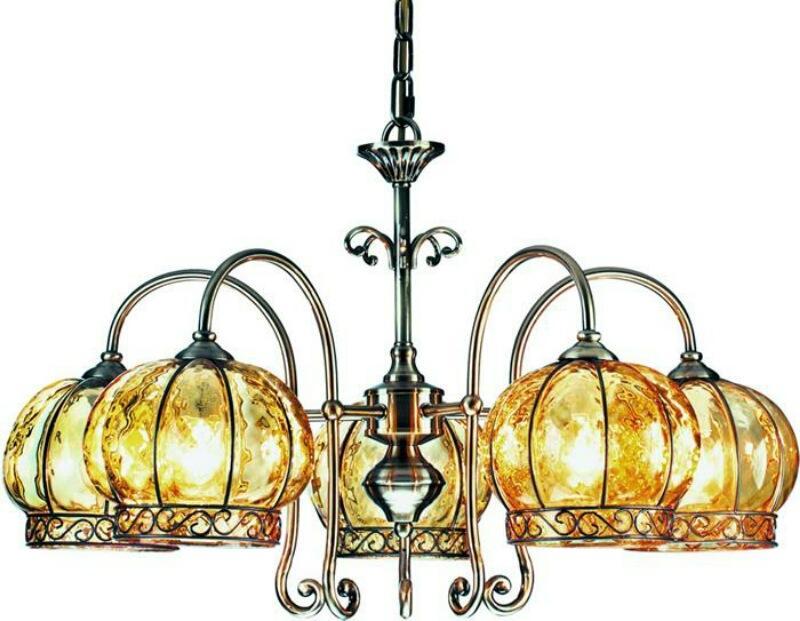
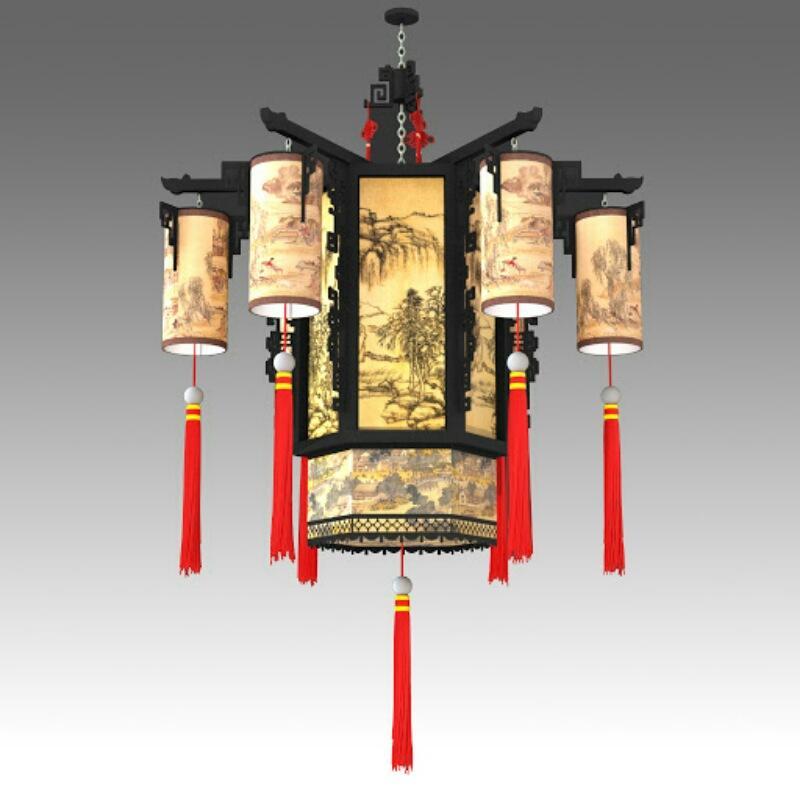
Japan
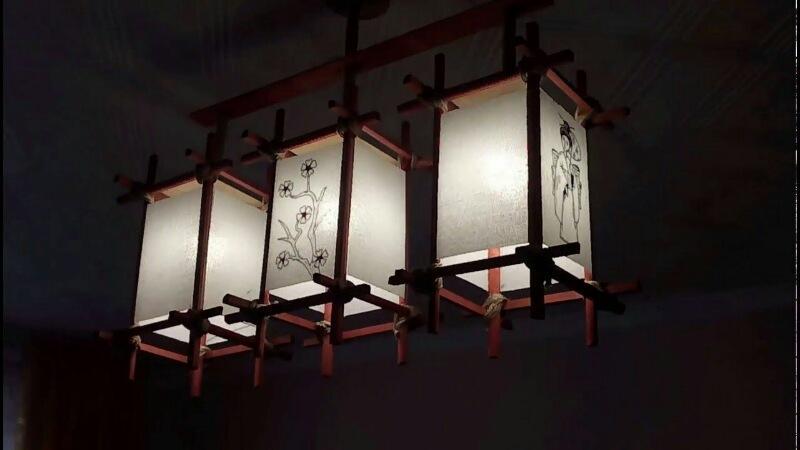
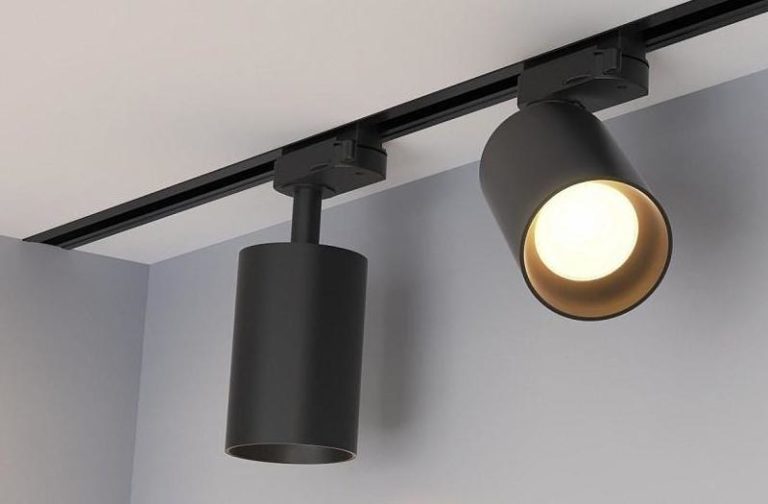
The homeland of the samurai in the design of lighting fixtures does not change the concept. This is the extreme degree of eastern rigor and conservatism. Japanese chandeliers are usually square or rectangular in shape. The body of the lampshade is made of wood or metal, covered with fabric, paper. The color scheme, like in China, is limited to just a few colors, including red, white and black, where white dominates the beige tones.
Chandelier models
The classification of pendant lamps sometimes directly depends on the material from which most of the structural elements are made. In this regard, some products are named according to the predominant material.
crystal
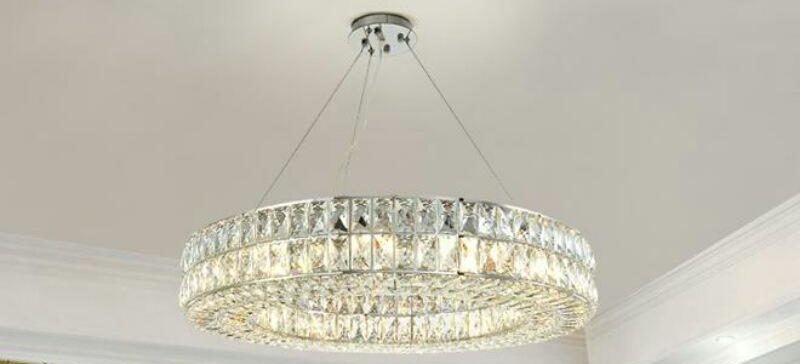
Glass itself is not so plastic that small design details can be easily made from it. To facilitate this process, additives are added to the composition of silicate or quartz glass: lead, zinc, barium.These substances change the permeability and reflectivity of the surface of the parts, turning ordinary glass into a product that sparkles with all its facets. The peak of achievement in this area was the semi-precious stones of Swarovski - artificial crystal, as similar as possible to a diamond in the light of bright lamps. Crystal pendant lamps do not lose their relevance, as their design is constantly changing and improving.
metal
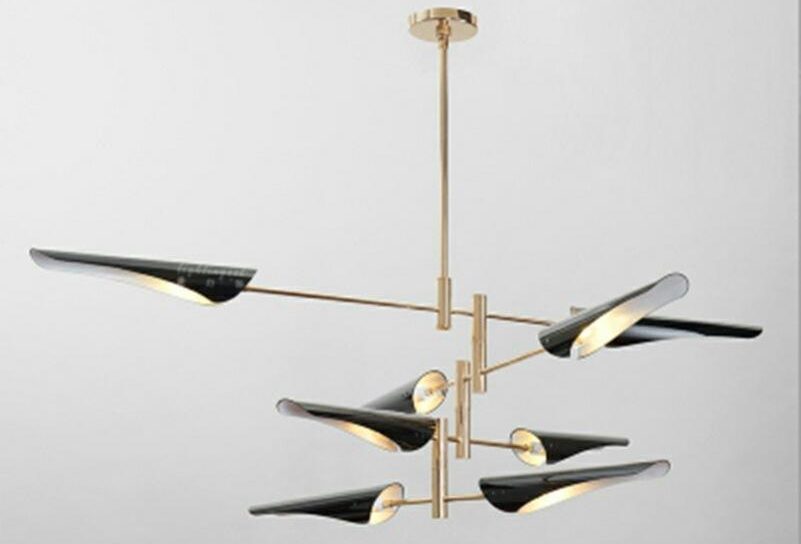
The plasticity of the metal is limitless, and its use is limited only by a flight of fancy. Factory fixtures are produced by rolling and stamping. In some cases, if Empire or Baroque style models are needed, the armature is cast in moulds. Modern steel and aluminum alloys have long replaced heavy or difficult to process bronze, copper, cast iron, and the color and texture is regulated by various paintwork, nickel plating, chrome plating, bluing. Fashion supports handmade forged products made to order by blacksmiths.
Wooden
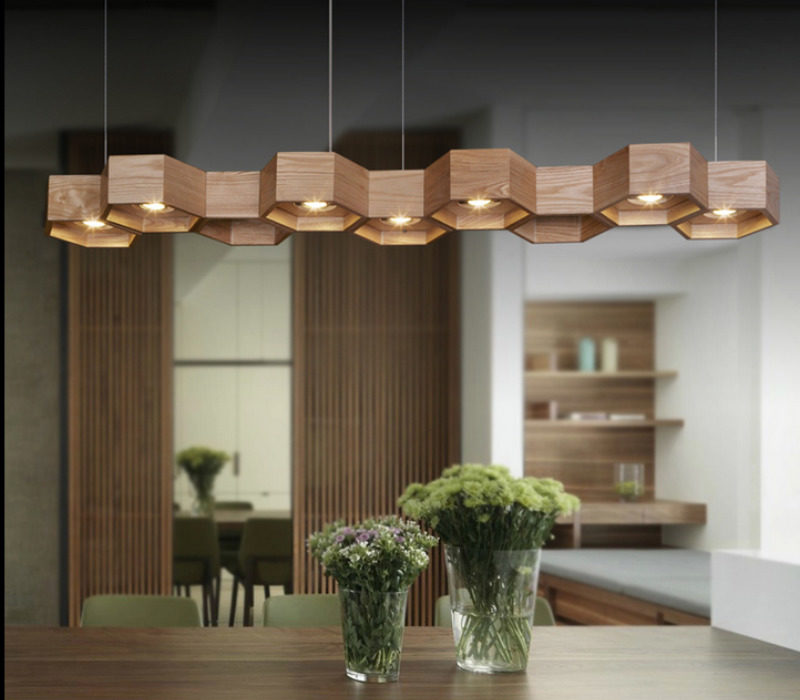
Relatively tricky stuff. Since wood is flammable, wooden chandeliers are demanding on the maximum temperature of the lamp. Over time, the bonding points under the influence of moisture and temperature differences diverge, therefore wooden lamps are not installed in rooms with high humidity. Not every interior is suitable for such a device. Although the desire for environmental friendliness is now gaining momentum in Europe, the use of impregnations and varnishes negates the natural safety of wood, and without them, the pores quickly become clogged with dust. The choice is justified only when designing a room in a rustic, ethnic or castle style.
Textile and paper
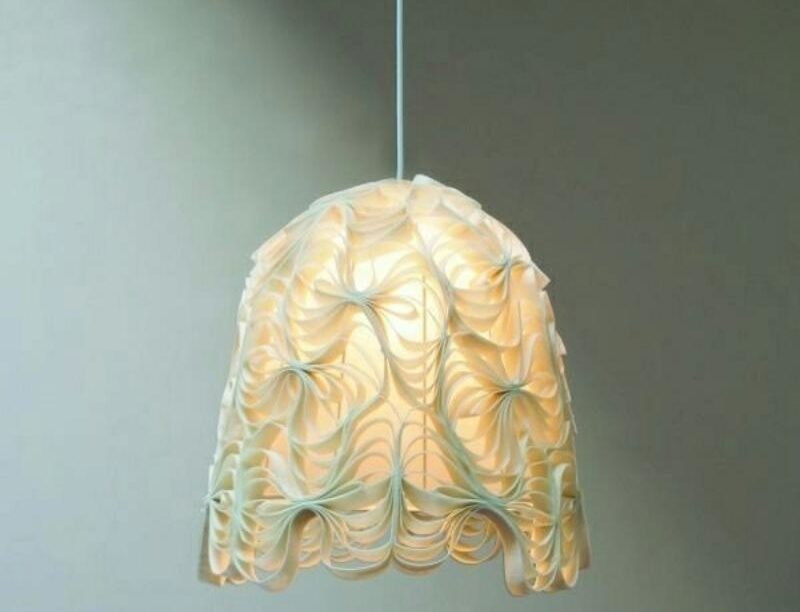
The lightness of such lamps allows you to save on fasteners, and in style they are quite versatile, but fabric and paper also have their own peculiarities. Textiles and paper without special impregnation accumulate moisture and dust, so the fabric has to be washed and the paper rubbed with a brush, which leads to wear.
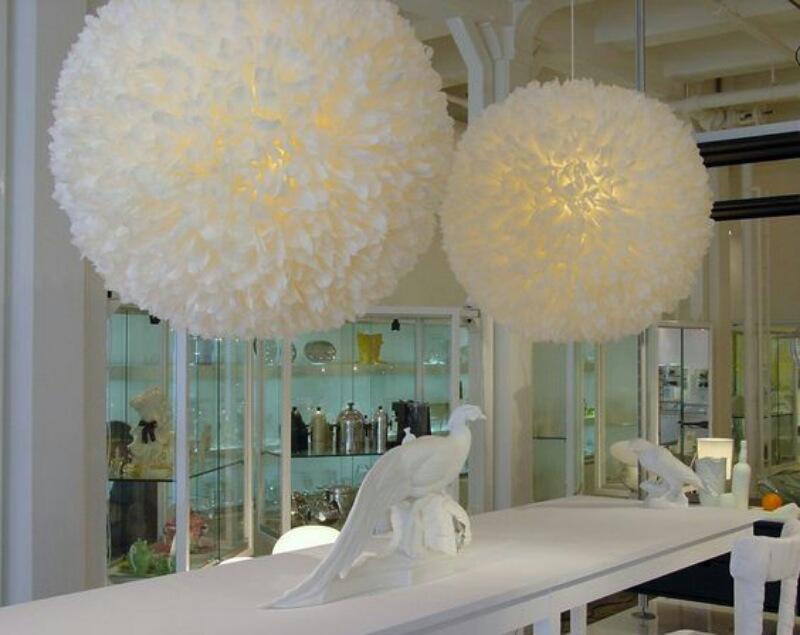
In addition, the choice of lamps for such lampshades is limited to LED elements that do not pose a danger to flammable materials. However, the simplicity of the product allows you to make ceiling lamps on your own, experimenting with shape, color, texture.
Chandeliers-fans
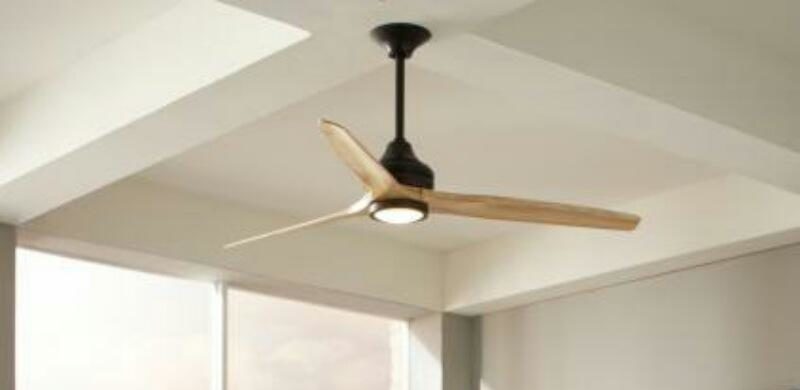
Luminaire mounted in a non-rotating fan axle. The symbiosis of two devices is designed for rooms with high temperature and humidity, recreation areas, especially in countries with a hot climate.
LED
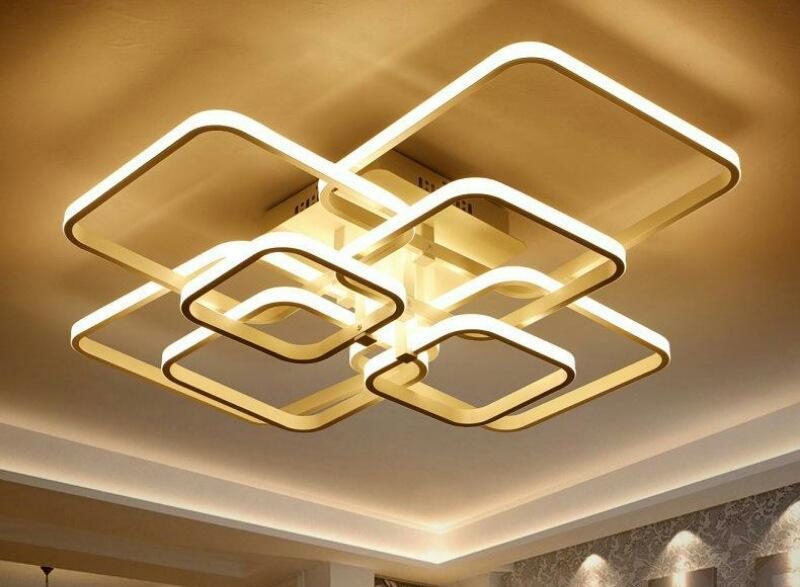
A find not only for high-tech style, but also minimal, and in some cases you can experiment with modern or loft. The devices do not have traditional shades, and the shape of the fittings goes in the plane of the LED strip. With a special module, you can control not only the brightness, but also the color of the lamp. The only drawback is the difficulty with replacing LED strips.
Chandeliers Tiffany
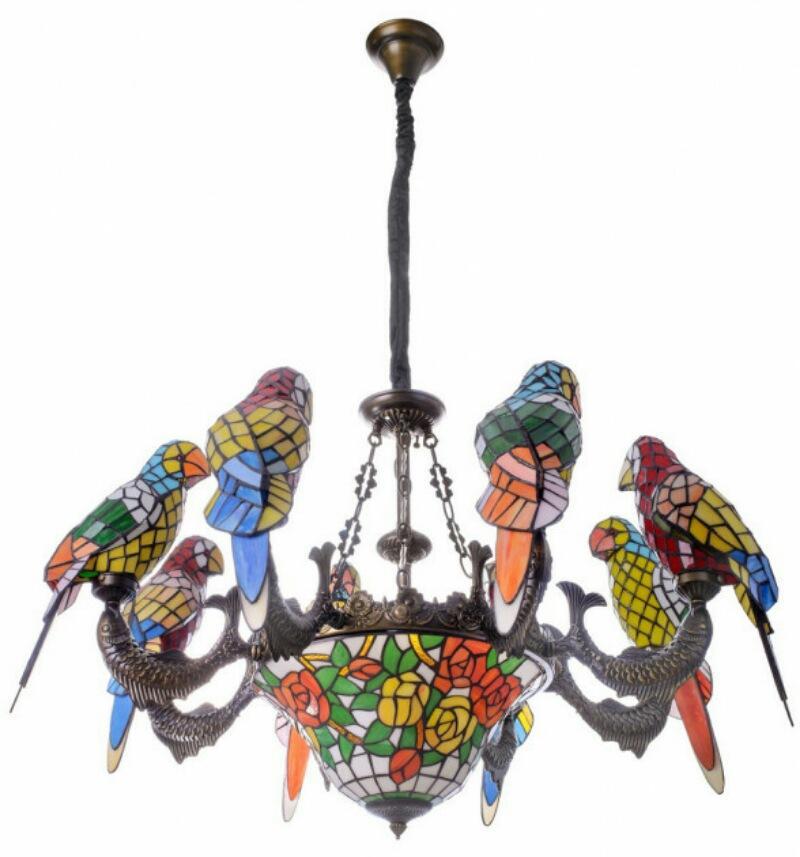
Modern lamps made of multi-colored pieces of glass wrapped in foil and soldered together with tin. The technology is named after its inventor. All models are handmade and exist in single copies, which increases not only their aesthetic, but also their real value.
Spider Chandeliers
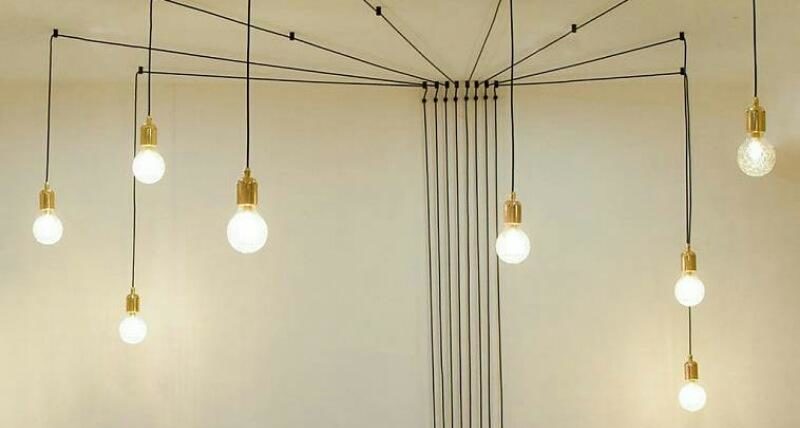
Bulbs distant from each other along the radius with rods or wires converging at one point. The device has a shape resembling the body and legs of a spider. Conductors can be in a plastic or textile sheath in various colors.The concept allows you to evenly illuminate a large area, but is only suitable for gothic or industrial style.
Designer chandeliers
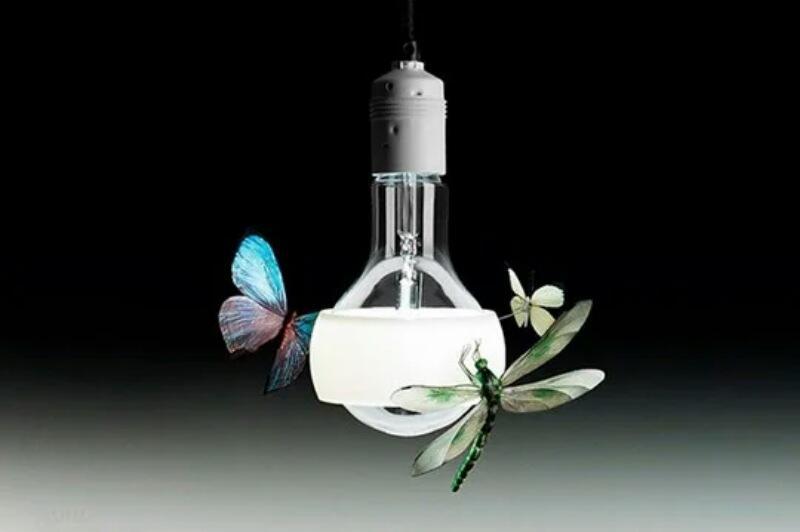
Piece products, which are works of art from famous designers and studios. Made by hand according to original concepts.
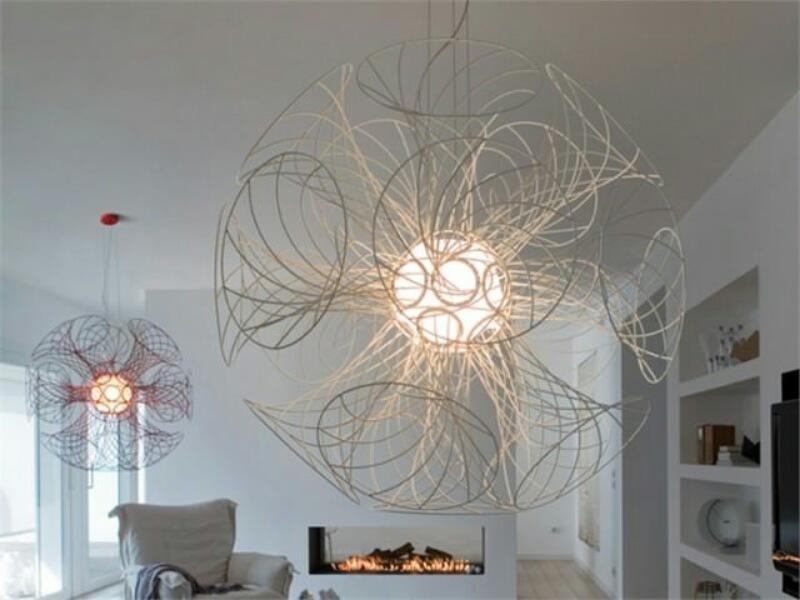
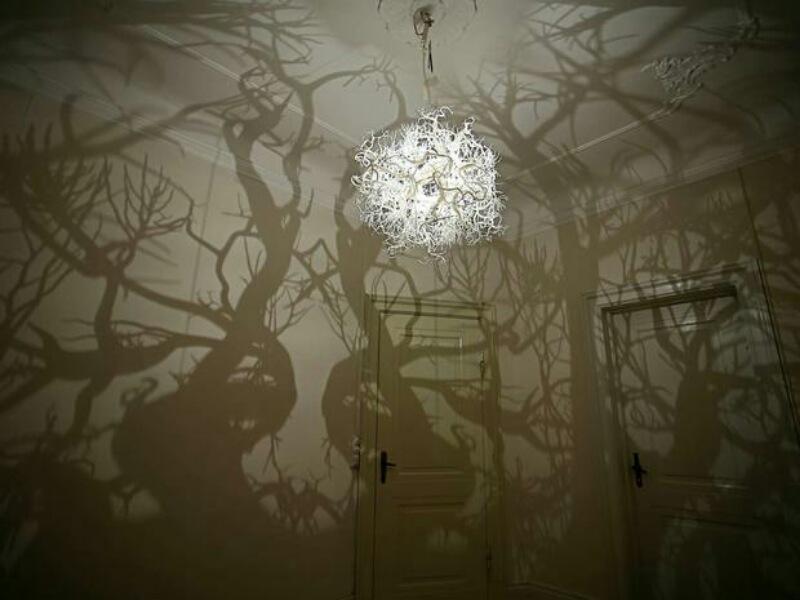
The verbal description of each model can drag on indefinitely, so it's better to see once the essence of a creative approach that is not limited by rigid frames and styles.
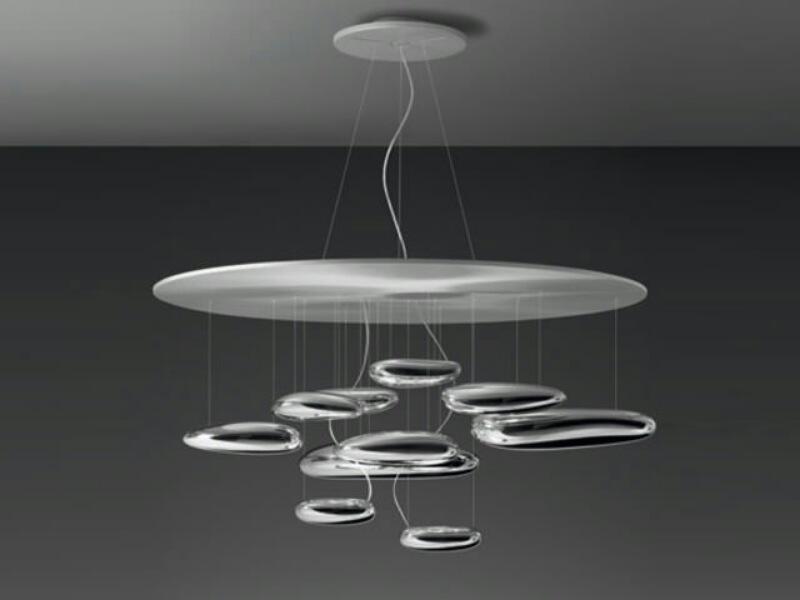
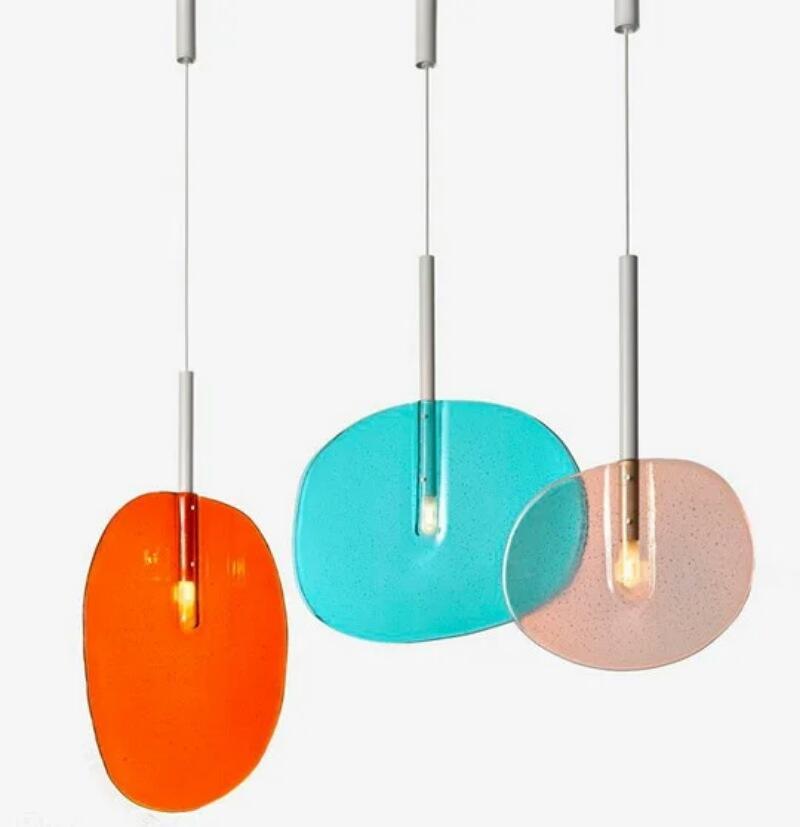
Designers are experimenting with precious stones, crystals, silk, glass, metal, natural materials and forms - in general, with everything that takes a flight of fancy.