Types of LED Lamp Bases
LED lamps are gradually gaining more and more importance in home, street, transport and industrial lighting. The most important thing when choosing a lamp is not to make a mistake with the parameters. There are different types of LED base, and this article will talk about each of them. How is one type different from another? How to decipher the marking? Finally, what principles should be based on when choosing a base for an LED light bulb? Answers follow in the text.
Some introductory information
A base (also a holder) is a part with which a light bulb is fixed in a cartridge and receives current. Bases for LED devices are metal, plastic, ceramic. Some models do without this part at all. The inner part of the holding connector contains the filaments, and the outer part contains the connecting contacts. For the right choice of plinths LED lamps It would be useful to learn a little more about the different types and their areas of application.
Types of socles for LED lamps
Threaded, E (Edison)
The most common type of holders. The letter E directly points to the father of this light bulb - Thomas Edison. The screw base is the most versatile mounting method, not only because of its simplicity, but also due to its operation on 220 V voltage.
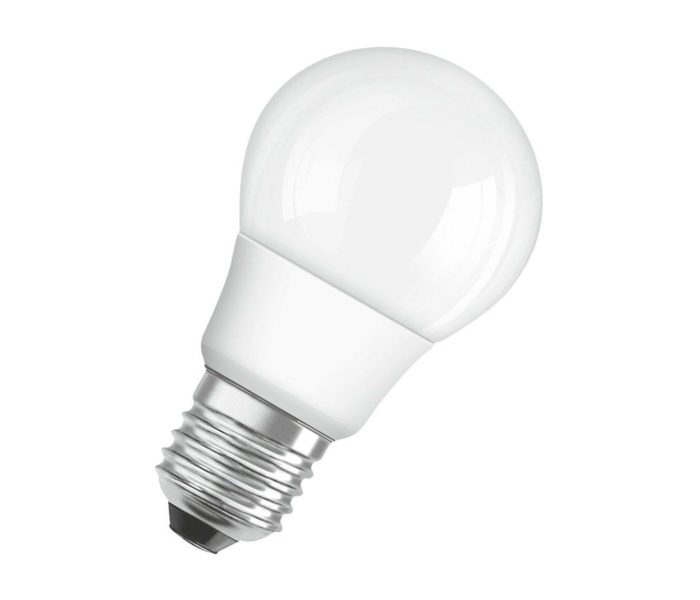
Known models of LED lamps with E type connector:
Find out also: What is the difference between E14 and E27 socles.
Male, G
No less in demand are LED lamps with connectors marked with the letter G.
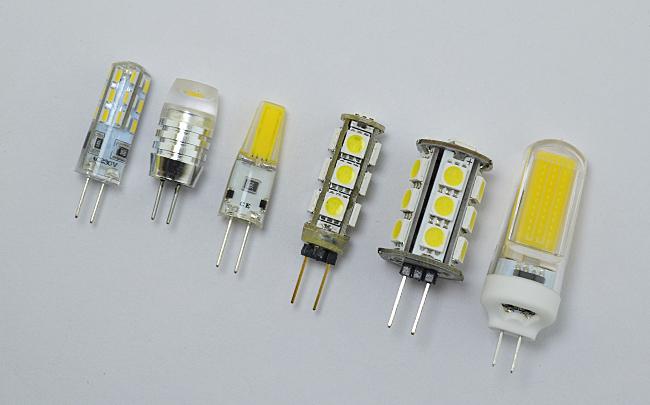
The most commonly used models are:
- GU3 (for 220 V or 12 V network);
- G4 (12V or 24V);
- GU10 (swivel base);
- G9 (for decorative LED lamps);
- G13;
- G23;
- GX53 - a light bulb with a screw holder, used for installation in stretch, suspended, plasterboard ceilings;
- GX70 - differs from GX53 only in the distance between the pins.
Telephone, T
This type of LED light bulbs is not used in everyday life. Applications - electronics and industry:
- control panels;
- automatic guards;
- power plants.
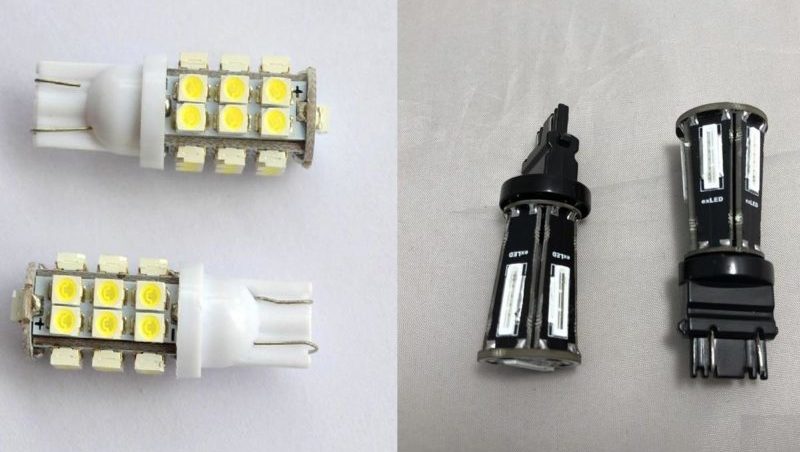
The number after the letter T in the marking shows the outer width, which is measured by the contact plates.
pin, V
This type of holder is, in fact, an improved version of Edison's threaded plinths. It was designed for smaller types of lamps, which, if necessary, can be quickly replaced. The ICE pin base is distinguished by round pins located on the sides.With the help of these parts, the holder is inserted into the cartridge.
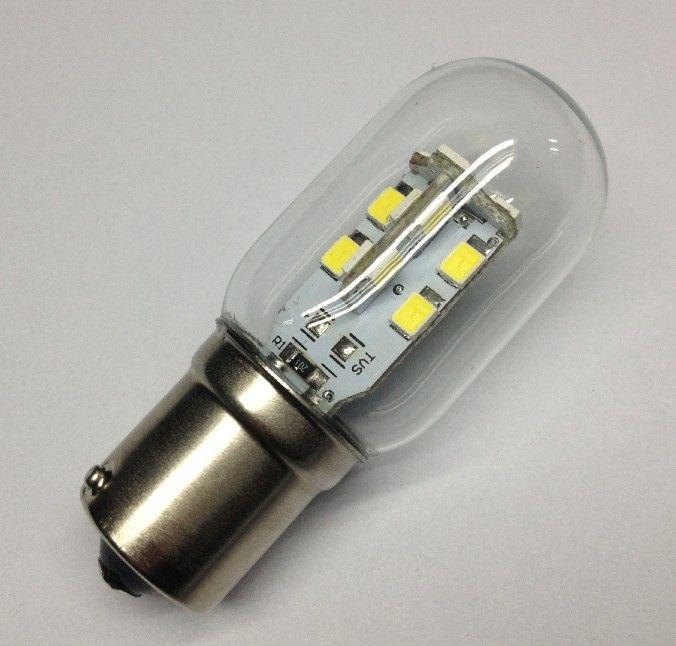
In order for base B to “sit down” in the cartridge, it must be easily scrolled.
There is also a BA model with asymmetrical pins. Such lighting devices are used in car headlights, lights of ships, trains.
Recessed contact holder, R
R type bases are rarely used in LED lighting. These holders are more typical for halogen and quartz lamps. Most often, recessed contact connectors are used in small, lightweight fixtures that are included in high-intensity lighting systems. A simple example of such an installation is street spotlights.
The most famous recessed contact holder model is the R7s. On the marking after these symbols, the numbers 78 or 118 are indicated. This is the total length of the lamp in millimeters.
Soffit, S
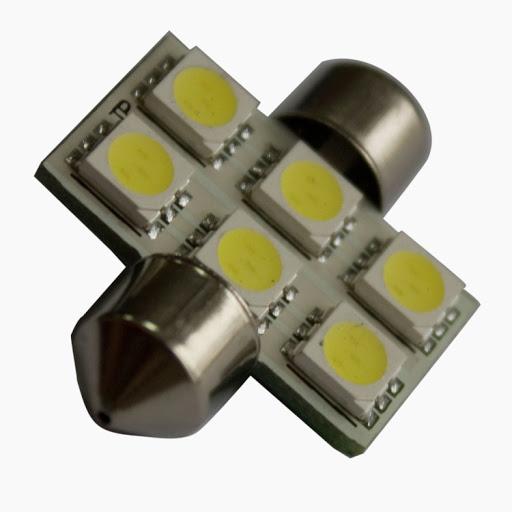
Marking with a capital letter S have soffit holders. They are equipped with contacts on both sides. Car enthusiasts, of course, know about the importance of lamps with soffit sockets for illuminating numbers. In addition, S-bases are used to illuminate mirrors, bathrooms, as well as scenes in theaters and concert halls. The number after the letter S indicates the diameter of the case.
Focusing, P
The main task of this type of plinth lies in the name itself. Movie projectors, spotlights: all these lighting fixtures cannot be imagined without lamps with focusing holders. The main nuance of the design of such compounds is a special lens. It collects and then scatters the light flux in the right direction. The number in the marking indicates the diameter of the holder body.
Holder Features
Threaded
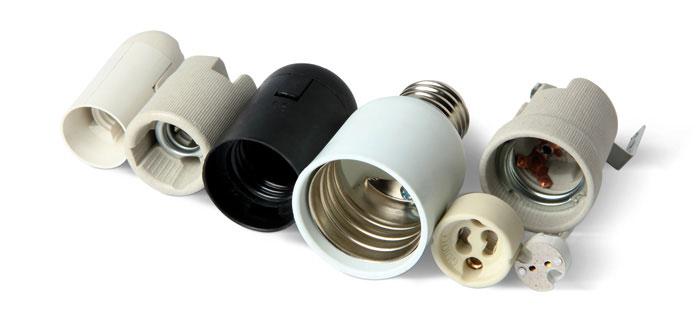
This type of connector is used in almost all fixtures in the house - from chandeliers to wall sconces. The adaptation of LED lamps to this type of base contributed to the gradual departure of incandescent bulbs and housekeepers into the past. The threaded holder itself is connected to the light bulb bulb with strong glue. Because of this, it is very careful to replace a failed instance. If the plinth remains inside the cartridge, it is best to use pliers to remove it.
Pin
The ICE connector marked G, in comparison with the halogen "colleague", gives a brighter glow, lasts longer, almost does not heat up, "eats" little energy. Often, to coordinate the light flux in one desired direction, a reflector is mounted in lamps with a threaded LED holder. Ceramic G bases with reliably insulated wires are widely used.
How to understand the label
Deciphering the markings on the holder is much easier than it seems. The first letter is the connector type (they were listed above). After the letter comes a number that indicates the distance between the pins or the diameter in millimeters. A small letter indicates the number of contacts or plates (s - 1, d - 2, t - 3, q - 4, p -5). At the end of the cipher there may be another capital letter with additional information about lamp type. For example, the R7s marking says that this is a socket with a recessed contact with a diameter of 7 mm with 1 plate.
Rules for selecting a base for LED lamps
In order not to make a mistake when buying a holder for an LED lamp, you need to consider a number of important points:
- Factor number 1 - the voltage in the mains. A certain type of connector can only work with the correct voltage.So, for example, models E17 and E26 are not suitable for 220 V - only 110 V. At the same time, G9 will only work at 220 V.
- The bases of LED lamps E14 and E27 cannot be used in a circuit with dimmers (dimmers).
- If a lamp with a pin holder fails, it does not need to be thrown away immediately. Pins are those unique features by which you can find exactly the same copy in the store.
- When choosing connectors, you should always take into account the rated power of the entire luminaire.
Thematic video.