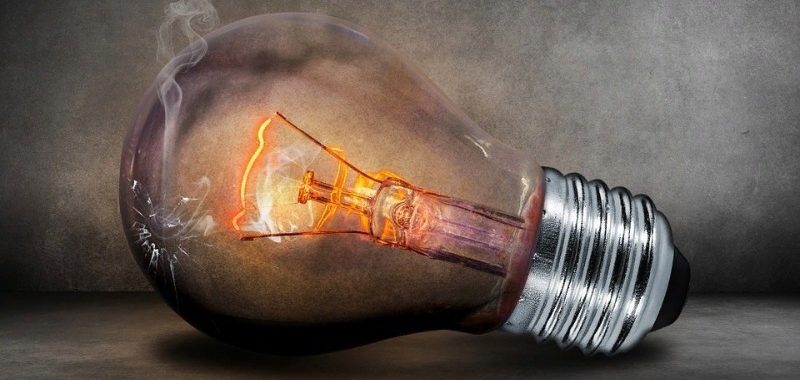
The history of the invention of the incandescent lamp
Incandescent lamps are gradually being replaced by more modern lighting options. But new light sources still have a relationship with the classic "pear". Its history lasted more than one decade and contains a lot of interesting things.
What year was the incandescent light bulb invented?
The year of the appearance of the lamp can be considered 1802, when a British chemist experimented with applying current to pieces of platinum. But the first serious experiments began in 1840. Then the Englishman De la Rue passed an electric current through a platinum wire placed in a glass container. Perhaps there was a vacuum inside.
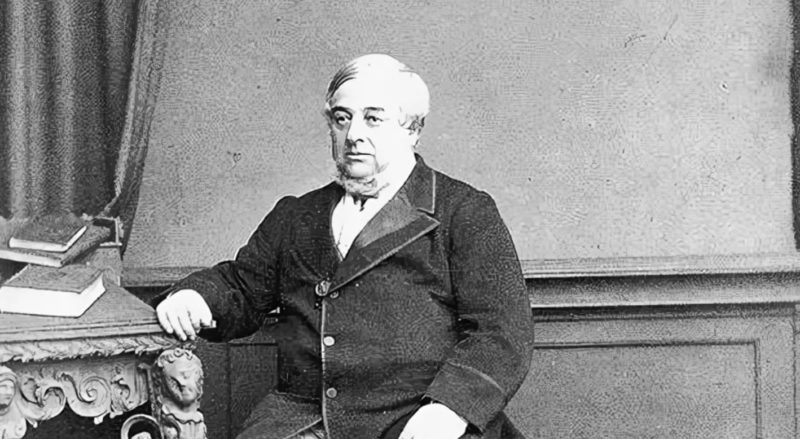
In the same year, Russian scientist Alexander Milashenko created a carbon thread. Later, many experiments were carried out, which were more or less successful.
The official patent for a carbon fiber incandescent lamp was received by the American developer Thomas Edison in 1879. He managed to create a device that works for 40 hours.
The source has become the most long-playing known. Further improvements increased the burning time many times over.
How did the discovery happen
The need for electric lighting has long worried great minds. Different scientists of the world made separate discoveries and small achievements, so it is impossible to say unequivocally who invented the light bulb.
The honor of discovering the lamp belongs not only to Thomas Edison. For example, the German G. Gebel in 1854 created an electric light bulb, similar to the modern one: a charred bamboo thread was placed in a glass cylinder.
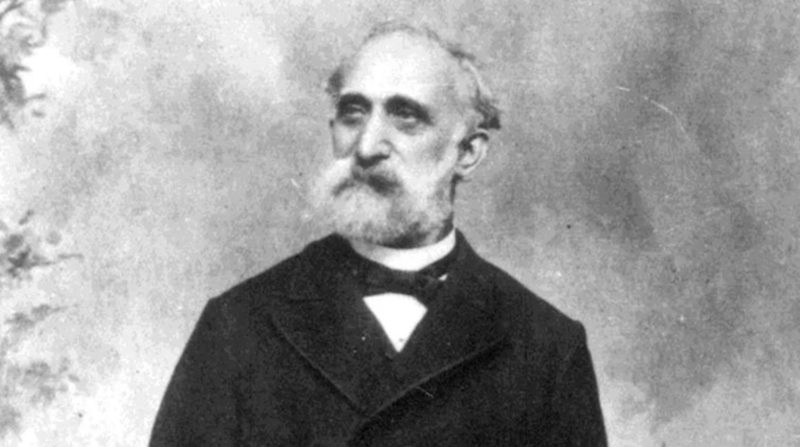
In the upper part, the vacuum was created by mercury vapor. The durability of such products was several hours. After 5 years, he created the first practical lamp.
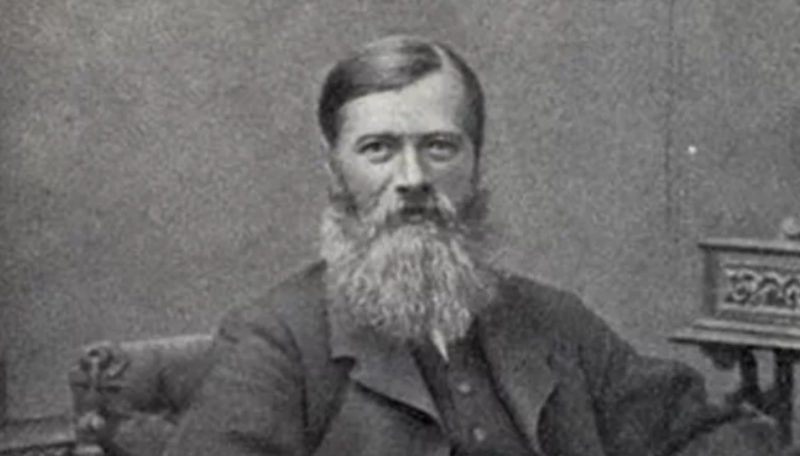
On the issue of what year the light bulb was invented, the world and Russian points of view are different. In Russia, the first inventors of the incandescent lamp used for lighting were P.N. Yablochkin and A.N. Lodygin.
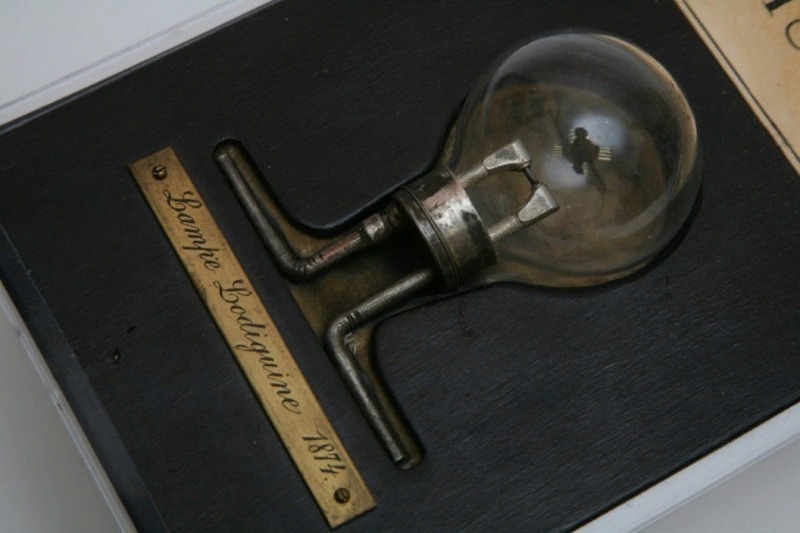
They developed several types of lighting techniques. Yablochkin in 1875-1876 first designed the arc lamp, but it was considered ineffective. Lodygin in 1874 issued the first official patent for an incandescent lamp. So in Russia there were own developments.
Electric lamps by A. N. Lodygin
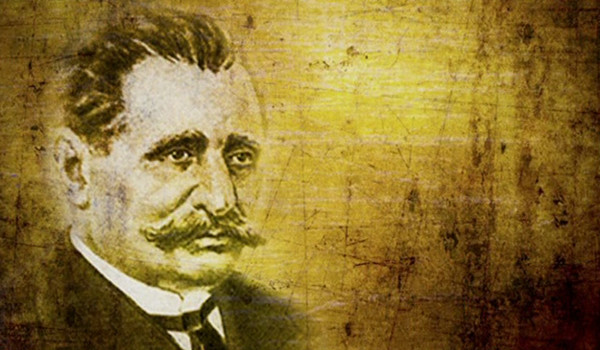
There were several. The first - with a carbon rod with a diameter of 2 mm from retort coal. Such coal was obtained by sublimation - the evaporation of carbon during combustion without oxygen access to fuel containing carbon. The vapors settled on the walls of the retort and formed a layer of a certain thickness.
Patents obtained in the UK, France, Spain, Belgium, etc.
But the rod in the air atmosphere burned out after a few tens of minutes. Lodygin's employee V.F.Didrichson suggested pumping air out of the flask with a hand pump. The working resource has risen to 700-1000 hours. In 1876, such experimental devices illuminated the room for several months.
Lodygin's second was a model with a metal filament. A “thread” could also be a thin ribbon. US patent issued to Lodygin in 1890. The metals for the thread were tungsten, iridium, palladium, osmium - that is, substances with a high melting point. Lodygin is considered the founder of incandescent lamps with a metal thread. The essence of the manufacture of these devices has not changed so far.
After 16 years, Lodygin sold the technology for manufacturing lamps with a metal filament body to the American company General Electric for a small amount. This type of information was later called "know-how" - Cyrillic transliteration of the English phrase know-how - "I know how". To organize the industrial production of Lodygin's inventions, the company invited T. Edison.
Electric arc lamp - "Yablochkov Candle"
In it P.N. The apples of the axis of two carbon electrodes were not located on the same line, as it was before him, but in parallel. And he separated them with an insulating insert made of gypsum. As the electrodes burned out and the arc faded, it was not necessary to move them and restore the arc, i.e., to ignite it again. For such an unusual solution, US patent No. 112024 was obtained, with priority from 1876.
To simplify the re-ignition of the arc, he added metal powder to the plaster. Arc Glow Color P.N. Yablochkov changed by adding salts of different metals.
Who really invented the lamp
Officially, Thomas Edison is considered the inventor and the first person to register a patent.During his life, the entrepreneur has issued 1093 patents in the United States and about 3000 in other countries for various products.
He was also engaged in the improvement of film cameras, telephone and telegraph, invented the phonograph. He is also the author of the greeting "hello" in a telephone conversation.
The inventor was born in 1847 in a simple family in Ohio, USA. Young Thomas worked as a telegraph operator. After 1864, he created and patented his first "electric ballot apparatus" - a device for quickly counting "yes" and "no" votes.
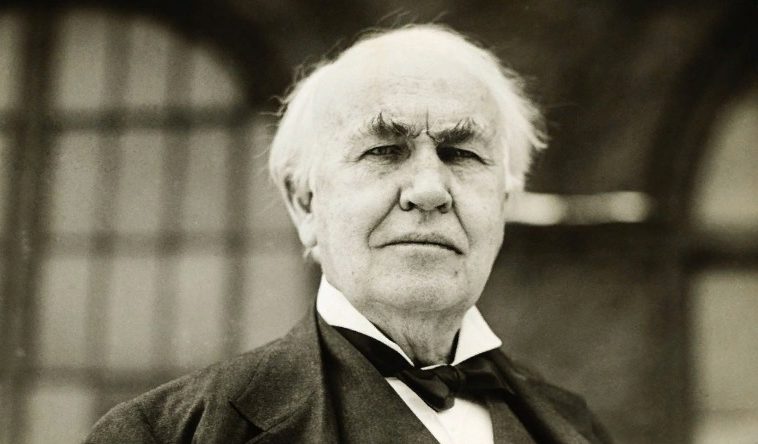
Characterize the achievements of Edison and awards, for example, the Congressional Gold Medal. This highest promotion in the USA went to the scientist in 1928. There were others in the piggy bank, as well as several honorary positions.
The principle of operation of the first incandescent lamp
In selecting the material for the lamp filament, Thomas conducted about 1,500 experiments with various materials, and more than 6,000 studies on the carbonization of various plants.
At the same time, the design of the lamp was improved. The inventor used a carbon thread through which an electric current was conducted from a dynamo.
The principle of operation of such a lamp involves the conversion of electricity into a luminous flux inside a bulb with a vacuum, which provides protection against excessive overheating and long-term operation. The glass cap is hermetically fixed on a metal base, to which electrical wires are connected.
First production of lamps
The persistent light source quickly gained popularity, and enterprising businessmen hurried to organize their mass production. One of the first was T. Edison himself. He achieved an increase in product life up to 1200 hours and produced up to 130,000 units per year.
French A.Shayet moved to the US in 1896 and opened a factory to make lamps that lasted 30% longer and were brighter than other brands.
The release lasted more than 10 years, then options with tungsten filaments and other improvements appeared. The Shaye factory was unable to modernize and stopped working in 1941.
Recommended for viewing: The process of manufacturing an incandescent lamp
Stages of development of incandescent lamps
After T. Edison patented the lamp, many entrepreneurs began to improve their products in order to provide the market with a competitive product. The peak was between 1890 and 1920.
The first prototypes of lamps powered by electricity were equipped with platinum filaments, then carbon ones appeared. But they all burned out quickly. In 1904, the tungsten version became popular. Then three methods of working with it were used.
The last option was invented by W. Coolidge. He applied tungsten with cadmium amalgam. As a result, a plastic substance appeared, from which the wire was made.
It was calcined in vacuum, cadmium and other components evaporated and a pure tungsten filament remained. It was this technology that was the simplest and gave a good result. Other methods were either too complicated or did not ensure the purity of the thread.
Conventional lighting devices have a simple design, but its invention and improvement took many years of experience and work. This topic is devoted to scientific articles and materials that keep the history of creation. Thanks to the discovery, people today live comfortably.