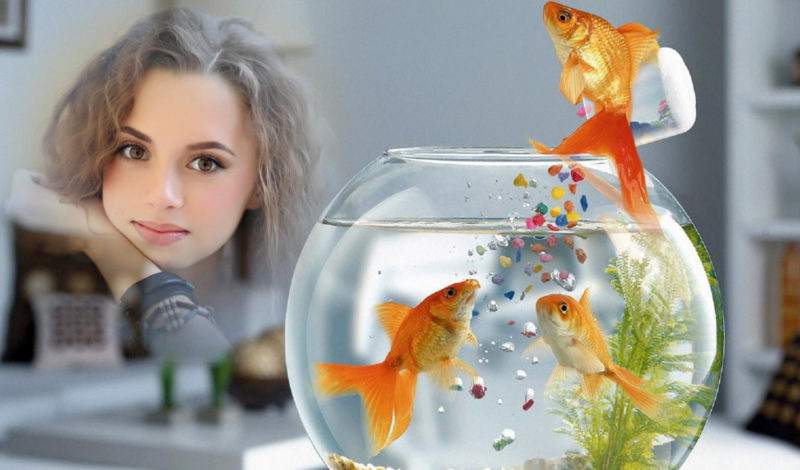
How to make LED aquarium lighting
The life of its inhabitants depends on the lighting of the aquarium. To make the light in the aquarium means to correctly select the right light source. In addition to brightness, it is necessary to take into account the wavelength of the light flux.
Plants need a constant supply of the blue and red spectrum, but the wavelength must match the characteristics that we will learn in this article. A homemade lamp for an aquarium will allow you to choose the optimal values for your underwater kingdom. Let's take a closer look at the intricacies of this wonderful work.
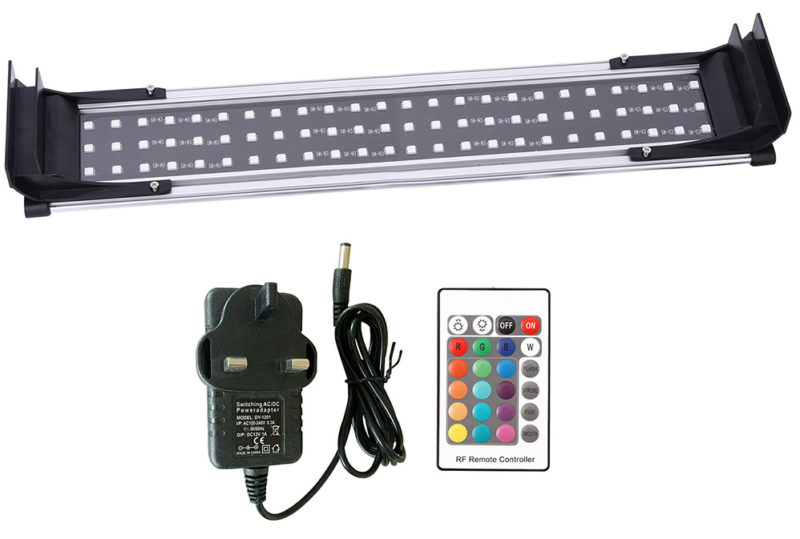
Illumination power and spectral range
[ads-quote-center cite='George Bernard Shaw']“Life is not about finding yourself. Life is about creating yourself”[/ads-quote-center]
Before you start calculating and choosing a light source, you need to familiarize yourself with the preferences of the inhabitants of the aquarium - this will help determine the intensity of lighting.Each plant and fish develops at different times of the day, so in some cases you have to turn on the red and blue spectrum at night, and the white spectrum during the day, or vice versa.
The development of the plant world requires illumination with a wavelength of 430-450 nanometers for blue (the value must strictly correspond to the range, otherwise all efforts will not bring the desired effect), as well as 660 nanometers for red.
Light flow measured in lumens (lm) and brightness in lux (lx), therefore, illumination (E) is equal to the brightness of the luminous flux (F) / room area (S). Good lighting for the aquarium will be a luminous flux of 15-30 lm per liter of water.
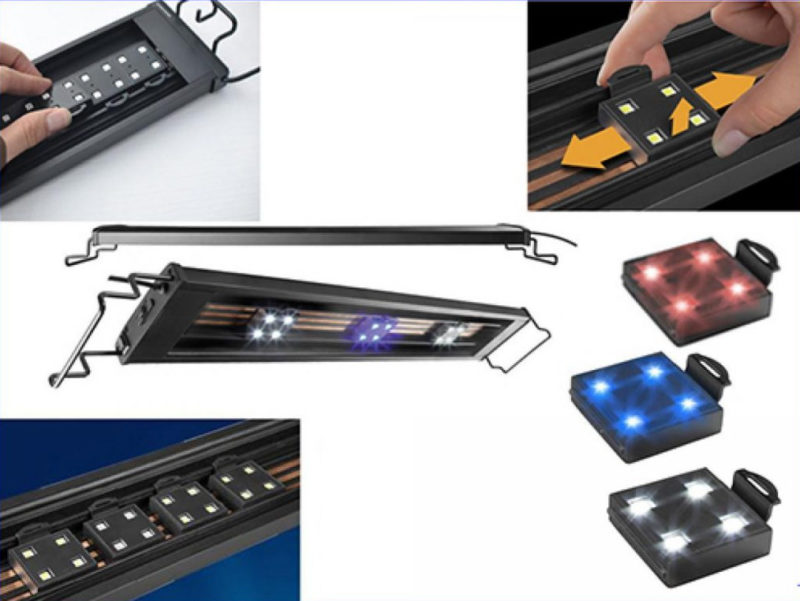
To make the lamp as bright as possible and have small dimensions, it is necessary to choose LEDs or a strip of them with maximum brightness. If you still have not decided on a light source (ribbon or individual LEDs), we will help - it doesn’t matter, the difference is only in convenience installation and connections. With tape, making a lamp is much easier.
A simplified example of calculating a light source: we have already said that 15-30 lumens of luminous flux per liter is needed for good aquarium lighting. When buying, pay attention to characteristics, they are indicated on the packaging of the LED strip or LED.
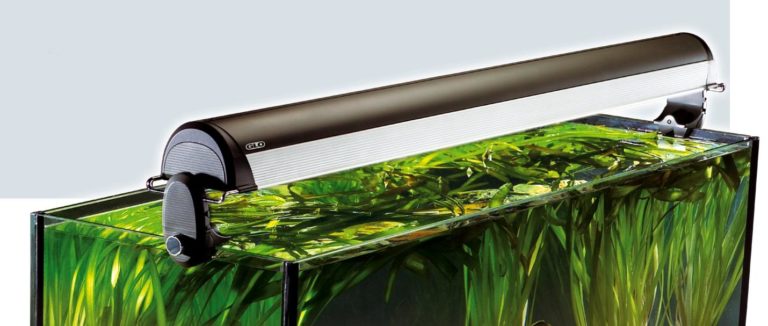
On average, the brightness of modern tapes is approximately 1500 lm, which means that it is necessary to divide 1500 by the average value, say 20, and we get 1500/20 = 75 l.Therefore, 5 m of tape will be enough to illuminate an aquarium with a capacity of 75 liters. Don't forget that you will also be using blue and red light sources. They also add light.
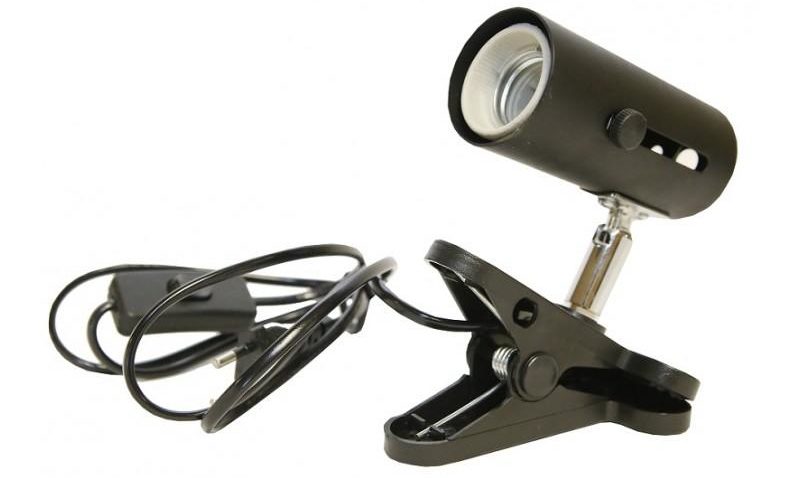
The calculated values are overestimated, in practice it has been proven that 10 m of LED strip (5 m of white and 2.5 m of red and blue each) is enough to illuminate a 150-180 l aquarium. Purchase the power supply immediately with the tape, as you need to select a device appropriate power.
The controller allows you to turn on the tape in separate modes, changes the brightness and gives remote control of the backlight. You can buy it where the tape is. Think right away whether you need it or not.
We make a lamp
A homemade lamp for an aquarium can be of any shape, it is not necessary to adhere to certain criteria. An important point was the calculation, but we got acquainted with it and did not find anything complicated in it.
We will produce a lamp based on an aluminum profile. There can be a lot of execution options, we will just give an example and show in what sequence it is assembled.
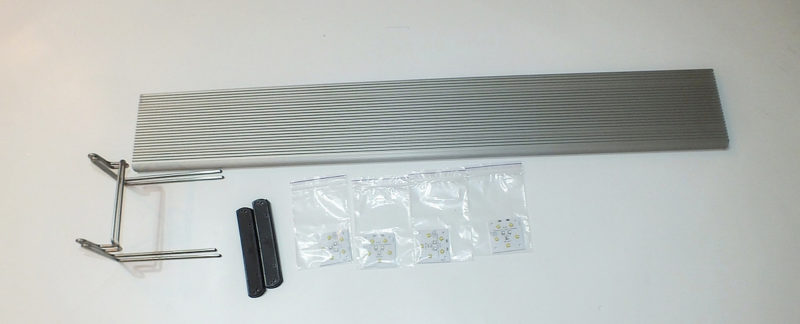
To get started, prepare your workspace and lay out everything you need. For installation, we need a case (in this case, an aluminum profile with transparent glass), a glue gun, screws, power unit, brackets for installation on an aquarium, connecting wires.
A homemade lamp for an aquarium is unique in that we can make it using any LED type. For example, we will combine. We use a white LED strip as the main light source, it is quite bright and easy to fix. LED Strip Light fastened with sticky base. It is enough just to remove the oilcloth and the back side will become sticky.
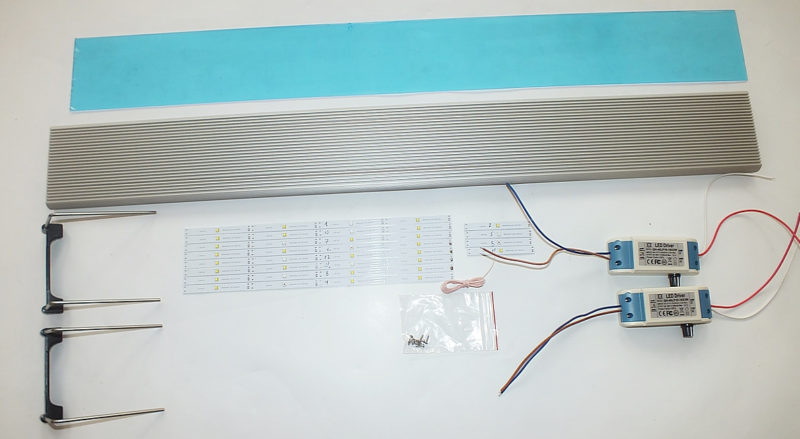
We managed to match LED boards with blue and red elements that match the desired wavelength. We will mount them in the middle of the profile. Mounting is done with a glue gun. Before gluing, you need to place all the elements on the board and make sure that all the parts fit well and are in place.
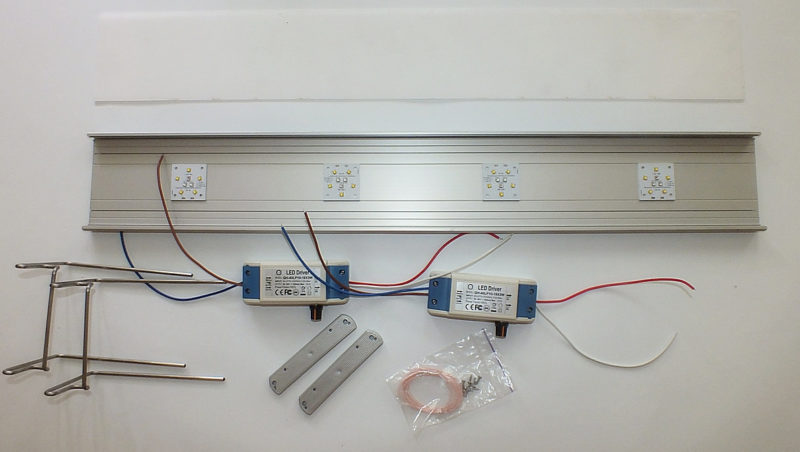
Further solder LED square boards to the supply wires and fix them on the profile. The next step is to fix the LED strip and also unsolder the wire.
In our case, we use two power supplies, because we needed to turn on the blue and red spectrum separately only for the night. The person for whom this lamp was made wanted to use a timer so that the algae in the aquarium would develop better and faster, and this happens at night.
The timer is a small plastic device on which the desired start time is set. It has a socket, screen and programming buttons. After setting the settings, simply connect the cord of the device to be launched to the device's socket. In our case, this is the LED power supply.
When all the elements are installed, proceed to the installation of mounting brackets.
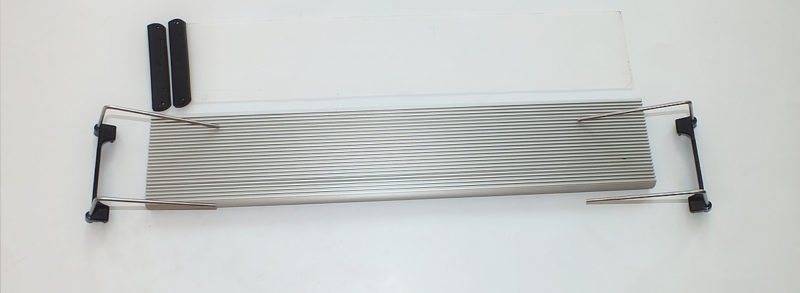
We managed to pick up the brackets in a hardware store, and as a bar that fixes them motionlessly, a piece of an unnecessary TV case came in handy.Upon completion of the work, the luminaire is closed with a protective glass, which prevents water from entering the electrical part. This is the device we have:
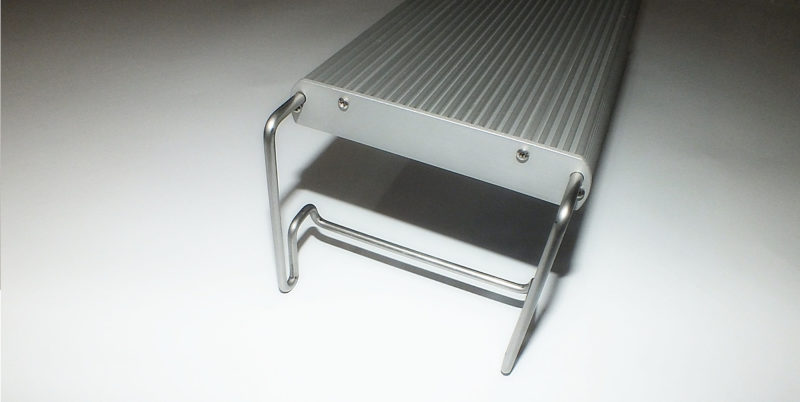
As you can see, there is nothing complicated. This is a rather fascinating process, which not only brought benefits, but also became an occasion to show off your creativity to friends and acquaintances, and of course to you, dear readers. Good luck and good work!
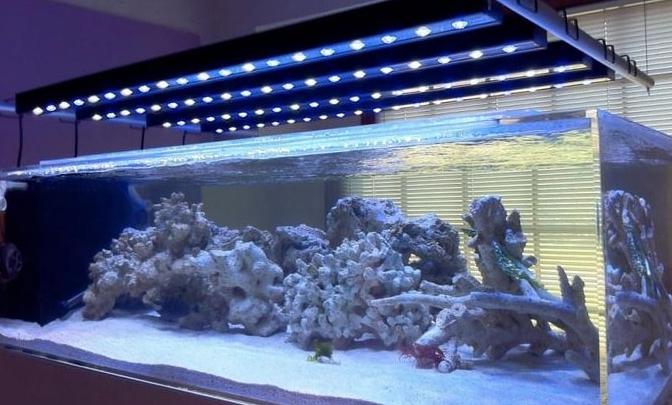
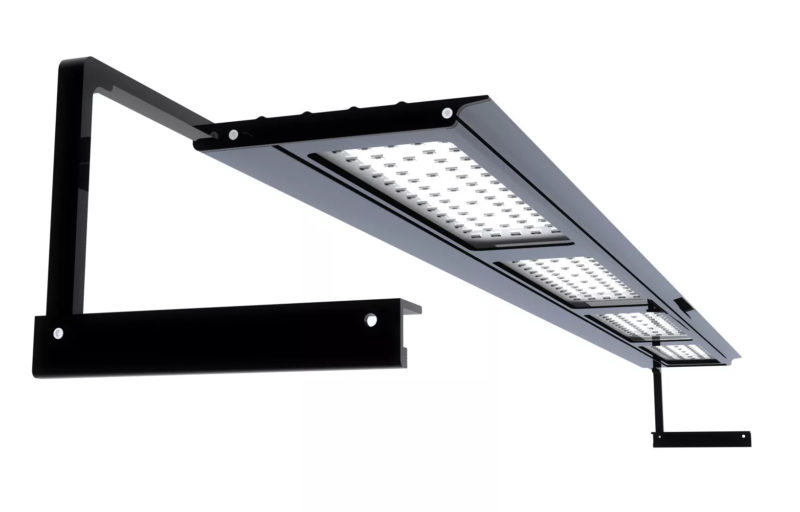
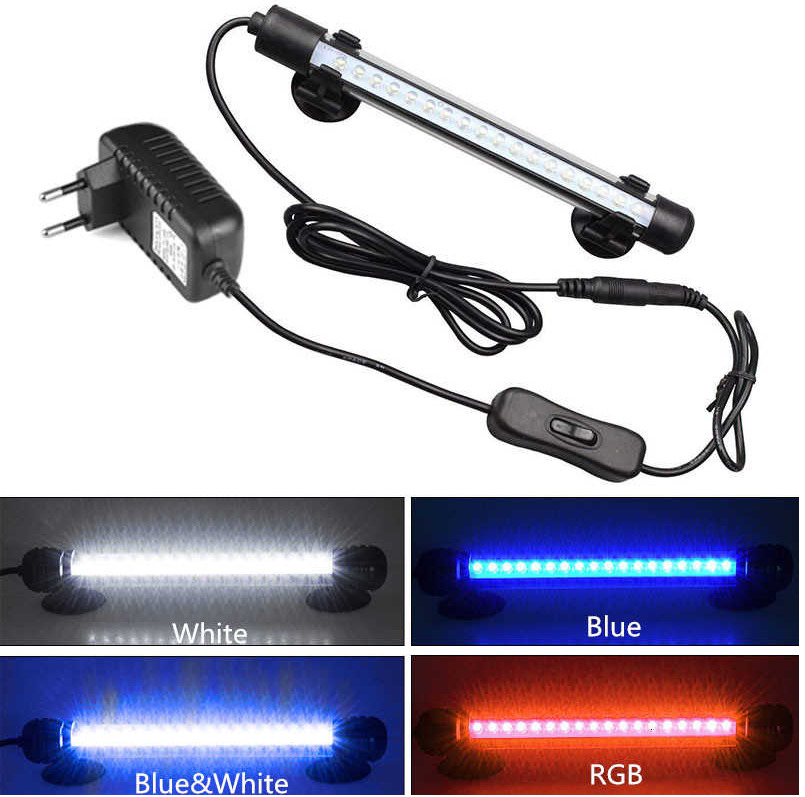
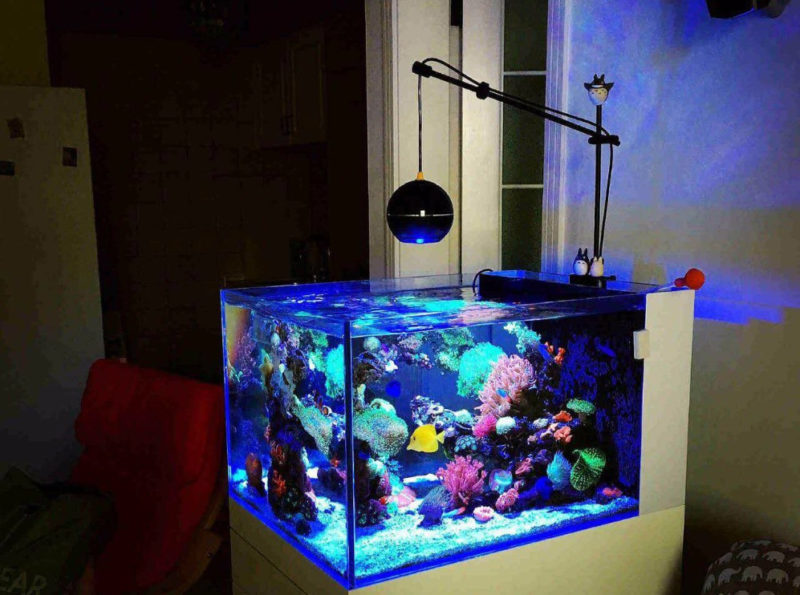
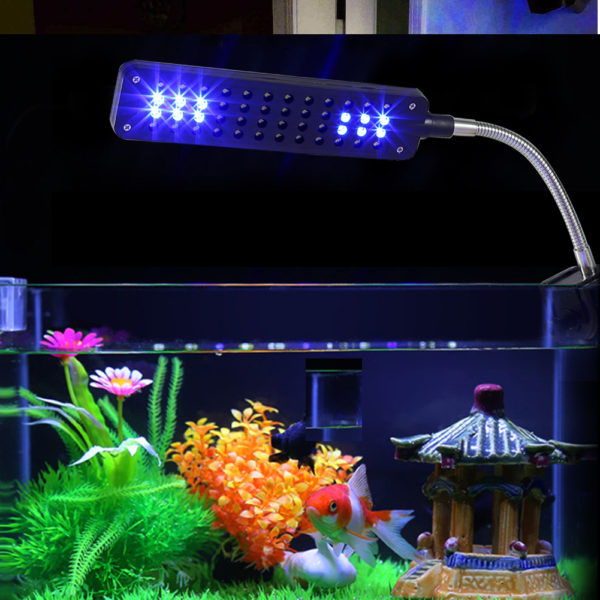
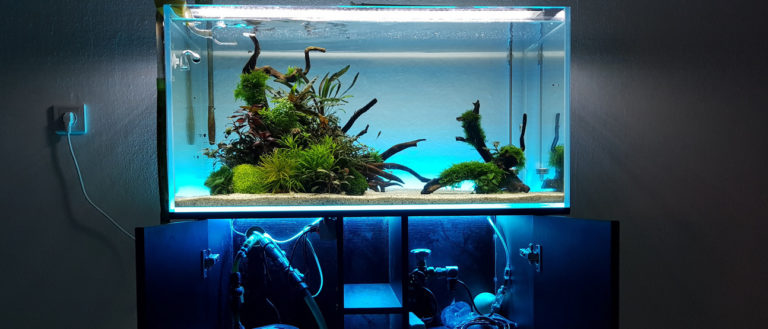
Options for inspiration
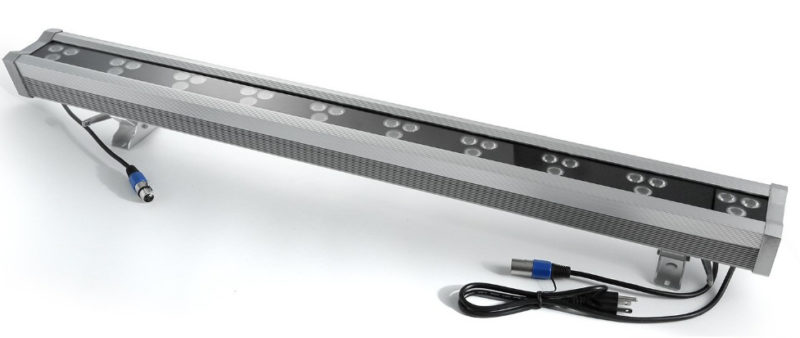
Briefly about the main
We hope our article has shown you how to make a good and high-quality lamp.The main thing is that the creation of a lamp and its subsequent energy consumption will not take a lot of money from the budget. Such a stylish and useful accessory will please you and your guests. Properly calculated lamps will create the best conditions for the development of your underwater inhabitants.
The video shows how to make a lamp using an aluminum cable channel and LED strip.
If you have any thoughts or ideas on making homemade lamps for an aquarium, leave your ideas in the comments, we will be happy to supplement this article with them and share useful information with other visitors. Good time of the day.