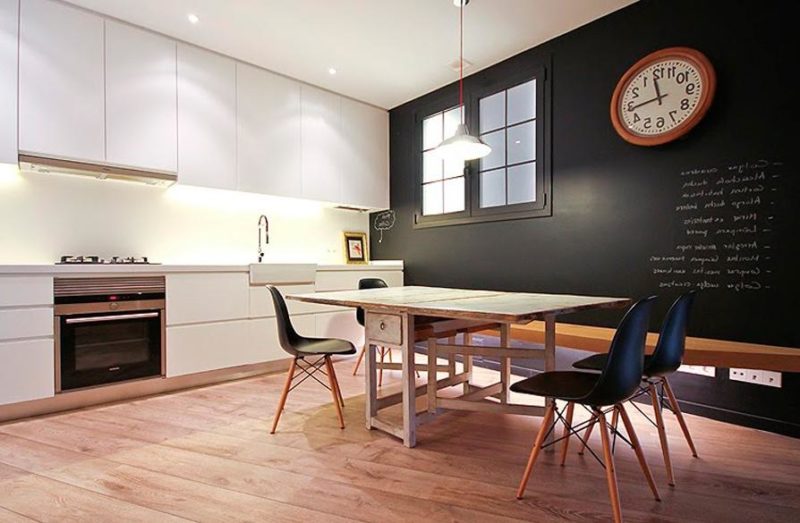
What is a combined lighting system and where is it used
Combined lighting allows you to create optimal conditions for work or leisure. With it, you can implement different projects and highlight individual zones, if necessary. At the same time, there are different combination options, so it is best to sort out the issue in advance.
The concept of combined lighting
Combined is called lighting, in which two or more types of lamps. This allows you to optimize the light and adapt it to specific conditions. In this case, initially only general lighting can be installed in a room, office or workshop. It can be supplemented if required.
Advantages of the combined option:
- The ability to allocate a separate area for comfortable work or needlework.
- Adjustable models allow you to direct the light flux to the right place.
- The use of a combined system helps to illuminate both horizontal and vertical or diagonal planes.
- Save energy by turning off additional sources of lightif they are not needed.
- Lamps can be installed anywhere. They are both stationary and portable.
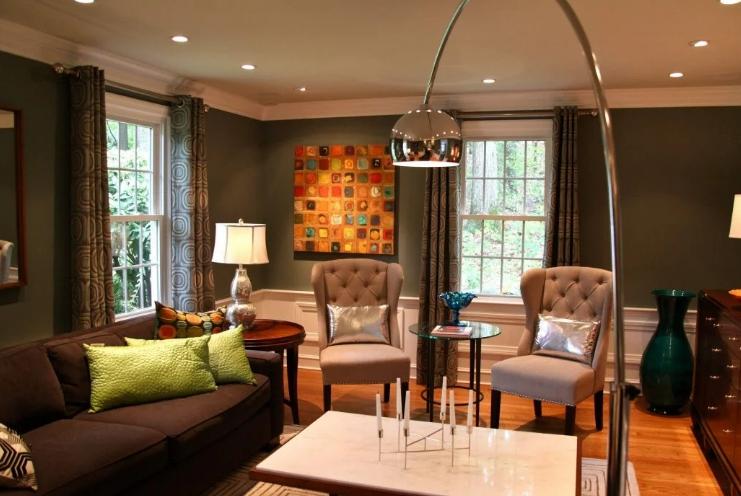
Combined light also has disadvantages:
- Higher costs compared to a general lighting system. You have to buy additional equipment and supply electricity.
- The complexity of the implementation of combined natural lighting. This can only be done at the stage of construction or major repairs of the building.
By the way! For industrial premises, it is necessary to coordinate the lighting system with supervisory authorities.
Types of combined lighting
There are several types that differ in implementation features. Different types can be used indoors, there are no restrictions.
Natural lighting
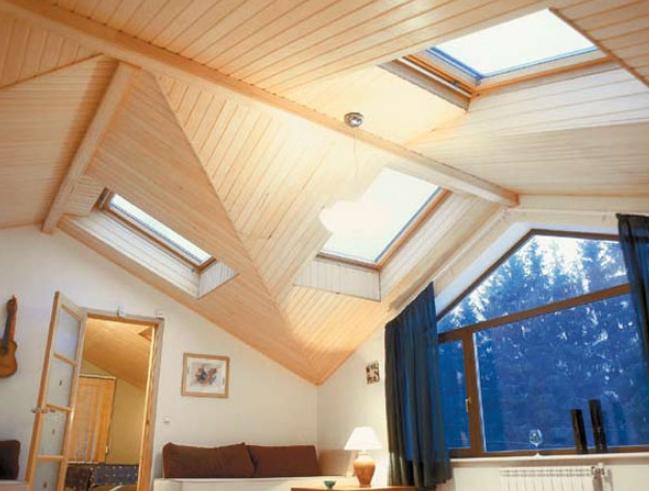
The combined system consists of window openings in the walls and in the roof. At the same time, the natural option has features that you need to remember when planning:
- The windows in the walls are arranged so as to ensure a uniform flow of light into the room. Their size is determined based on the area inside. But at the same time, too large windows will be expensive, plus heat loss through them will be much greater. It is important to determine the optimal height and width, as well as the quantity.
- In production workshops on the roof they make a structure called a lantern. This is a superstructure with windows on both sides, which most often runs the entire length of the building. This design simplifies construction and reduces the risk of leaks.
- On the attic floors special windows are inserted that complement the light from the openings on the gables. This option is suitable for small buildings.
Artificial lighting
Combined artificial lighting - the main option in most rooms. It does not depend on the weather outside and provides a comfortable environment at any time of the day. Most often, the basis is general lighting, it is selected for specific conditions.
Additional elements are selected according to the specifics of the work performed or in accordance with the characteristics of a particular room. For example, in the kitchen it is necessary to highlight the working area, and in the corridor - the space near the mirror. The most common options are listed below.
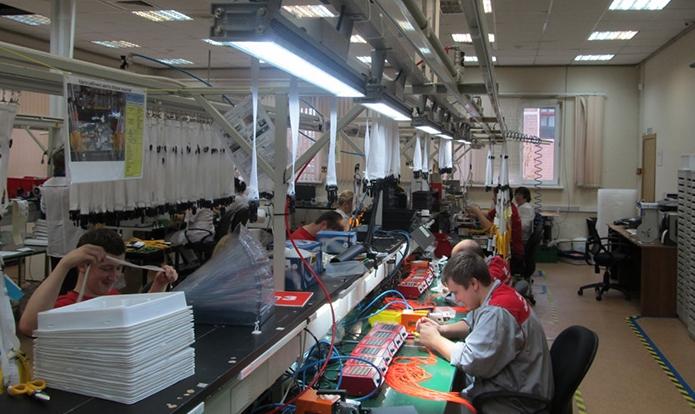
General
It can be used in different rooms where you need to change the intensity of lighting from time to time or highlight certain parts of the room. For example, built-in lamps are placed along the wall, which are turned on if it is necessary to illuminate the dining table, recreation area, etc.
Another variety - track systems, which not only go to the right place and turn on when needed, but can also move to any point on the bus. Complexes of equipment of various types can be used in order to achieve the desired result due to their combination.
Local
This option can also be combined. Most often, a lamp is located on the wall or ceiling, which illuminates a separate part of the room, and additional equipment is also used. For example, a table lamp that can be turned on if you need to perform work of special accuracy.
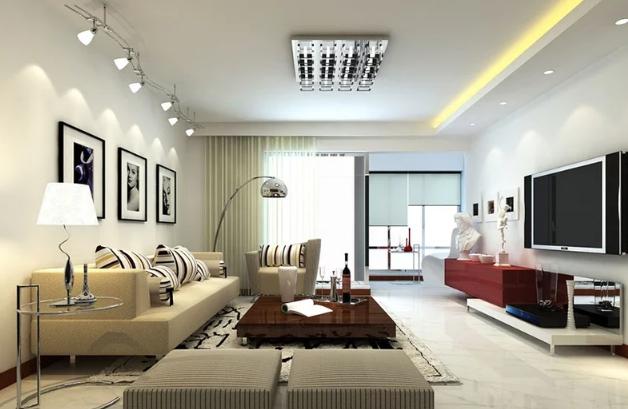
Sometimes you need to change the color of the backlight or use special lamps, they complement the general or local light and are applied as needed. An additional option could be LED Strip Light.
By the way! If you install a large number of spotlights, you can do without a chandelier.
decorative
In this case, mixed light will be an excellent solution, as it can be used to diversify decorative lighting. For example, the installation of downlights and built-in equipment so that you can combine modes or change them depending on the situation.
By installing different light options, it is easy to change the accents in the room and focus on the right objects. Modern option - LED equipment, especially well combined Spotlights and diode tapes.
Design features
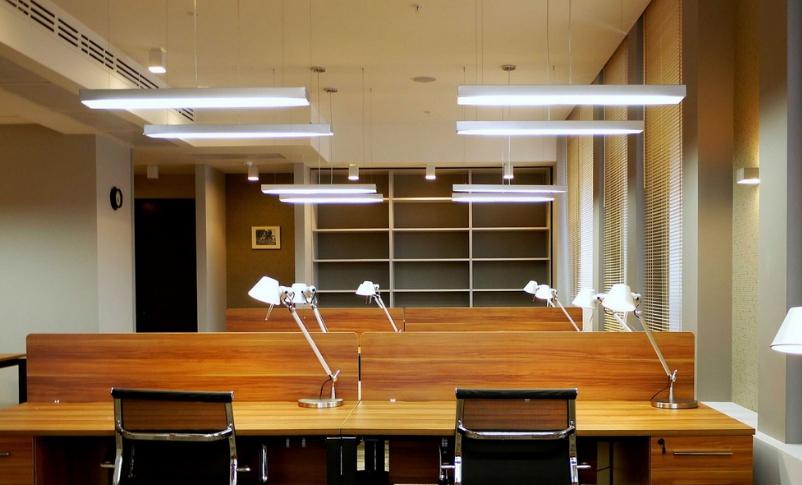
High demands on combined lighting are made mainly in production halls and office space. There are no rigid frames in residential buildings and apartments, you can put different lamps. When it comes to planning, there are a few things to keep in mind:
- The specifics of the premises and the nature of the work performed are taken into account. After that, the optimal lighting standards are selected, they are prescribed in SNiP and SP. In addition, industry regulations, if any, can be additionally used.
- It is better to entrust the design of the future system to professionals. It is important to develop an accurate project indicating the location of the fixtures, their type and power. Work is often carried out as part of the overall design, if all activities are carried out in a complex.
- You can use different project development methods. For example, proceed from the standard of illumination and select lighting equipment in accordance with this indicator.The second option - if there are already lamps or you need to use equipment of a certain type, then the necessary amount light sources and their location in the room.
- When planning, it is necessary to make a number of calculations, since the level of illumination depends not only on the lamps used, but also on the color of the walls and ceilings. The presence of natural light, the color of the walls and ceiling, and other important aspects are also taken into account.
After installation of the equipment, the illumination indicators are checked. To do this, use a special device - a luxometer.
Combined lighting allows you to adapt to any conditions. With its help, it is easy to highlight individual zones or provide the desired brightness of light on the work surface.