Classification of types and systems of artificial lighting
Artificial lighting appeared a very long time ago and has undergone many changes. Modern light sources are different from those used 1000, 100 or even 20 years ago. Nowadays, not only the normal performance of work, but also a comfortable stay at home depends on high-quality light. To ensure optimal conditions, it is necessary to understand the types of equipment and its main features.
The history of the development of artificial light sources
The first artificial means of lighting was the fire of a fire. In ancient times, people were located near the fire in the dark to ensure normal visibility and protect themselves from wild animals. But this option had a significant disadvantage - it could not be carried with you, so more mobile solutions began to appear over time.
Lights, lamps and candles
Over time, people have noticed that some resinous woods burn much better and longer than others.Therefore, they began to use them for lighting that could be carried over short distances. Then, to improve the effect, various natural resins and oils began to be used. They soaked wood or dry vegetation in order to provide lighting later.
Torches were the first autonomous version of light, most often they were wrapped in cloth or fibers soaked in animal fat, oil or oil. Technologies differed depending on the region, so the burning time was different, it all depended on the quality of the impregnation.
The first lamps were primitive - a little fat, resin, oil or oil was poured into a small clay container and a wick was placed. This option burned much longer, so it was best suited for lighting dwellings. Over time, the design was improved so that it was convenient to carry it when moving along the street.
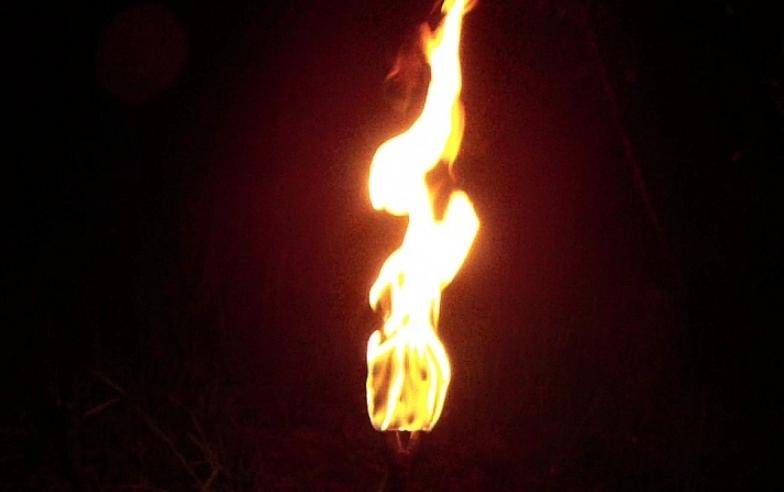
The next stage in the evolution of lighting fixtures was candles. They used wax or paraffin. This option was superior to all the previous ones, but also had a number of disadvantages.
By the way! Features of the development of lighting elements depended on the region and available natural materials.
gas lanterns
With the development of such sciences as physics and materials science, people have discovered interesting properties of certain gases. It turned out that when burned, they give a bright light, so you can illuminate large spaces. Gas was supplied either from cylinders, replaced as needed, or through pipelines.
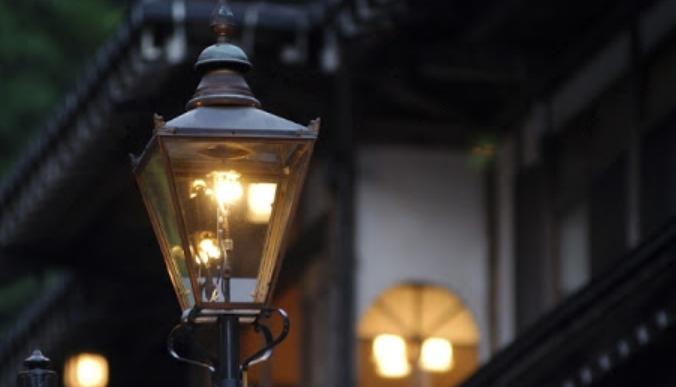
The wicks have also been improved. Instead of quickly burning hemp, other options with special impregnations began to be used.And the gas supply adjustment system made it possible to save fuel and adjust the brightness.
Electrical light sources
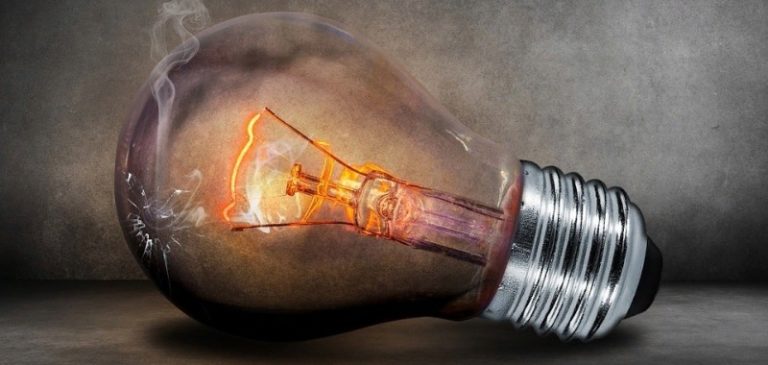
After the discovery of electricity, artificial light made a qualitative leap in its development. Scientists selected materials that can emit light when heated to high temperatures. Initially, graphite, tungsten, rhenium, molybdenum and platinum were used. Due to the heating, the filaments and spirals quickly burned out, so they began to be placed in a glass flask, from which air was pumped out or filled with an inert gas.
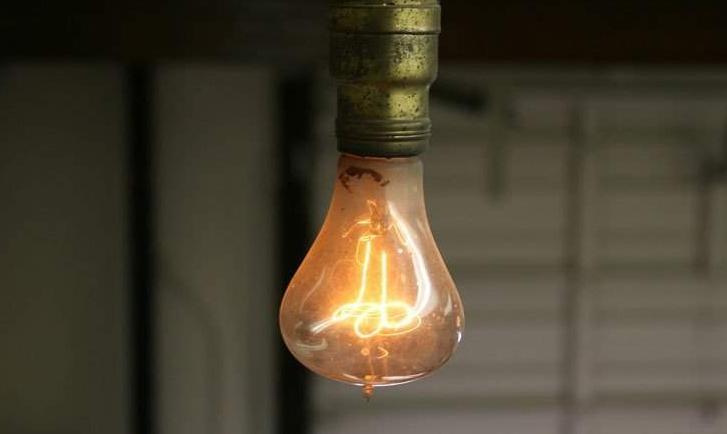
The most commonly used in incandescent lamps is an alloy of tungsten and rhenium. Also widely used are lamps operating due to electric arc and glow discharges, which were discovered during the invention of conventional light bulbs.
Types and systems of artificial lighting
Types of artificial lighting are different depending on the location, direction of flow and purpose. Each of the classifications has its own characteristics, so you need to understand them in order to use the option that suits you the most.
By location and purpose
There are only three varieties, they are universal and suitable for both industrial and residential premises. Features of each type:
- General lighting is located on the ceiling or walls. The main requirement is the uniform distribution of light throughout the room or production workshop and the provision of normal working or leisure conditions. For a small area, a chandelier or lamp in the middle is enough. In other cases, it is calculated in advance amount equipment and its location.
![Classification of types and systems of artificial lighting]() General lighting should provide uniform light throughout the area of the room.
General lighting should provide uniform light throughout the area of the room. - Local lighting helps to highlight a separate area or work surface. Here can be used ceiling, wall, floor, recessed and desktop. In some cases, adjustable models will be the best solution, in which the luminous flux is directed where it is needed.
- Combined options combine both types and allow you to achieve the best result. In this case, the general lighting works constantly, and the local one turns on when necessary.
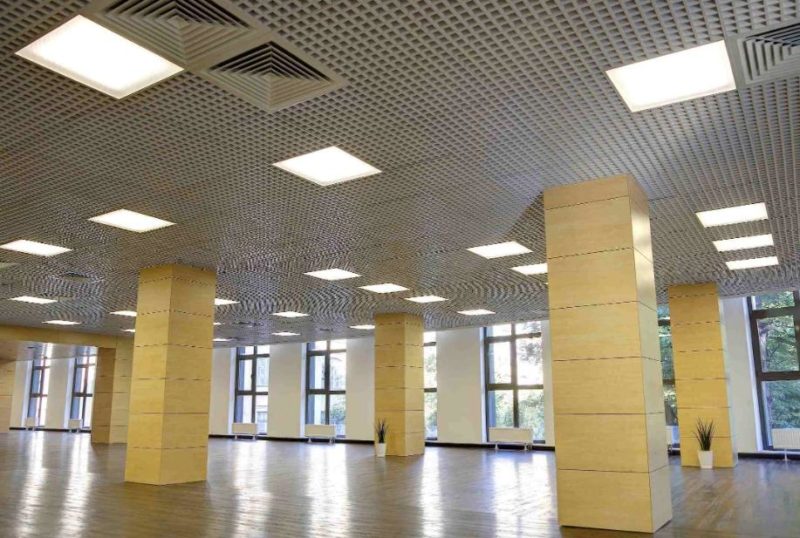
You can install a system of fixtures that turn on in different modes to provide illumination of the desired part of the space.
In the direction of the light flux
Comfort for vision depends on the type of light flux. In addition, in different conditions it is necessary to use different solutions to ensure the best result. The main types are:
- direct lighting. Light directly hits a surface or some object. This ensures good visibility. The main thing is to choose such an option so that the light does not hit your eyes.
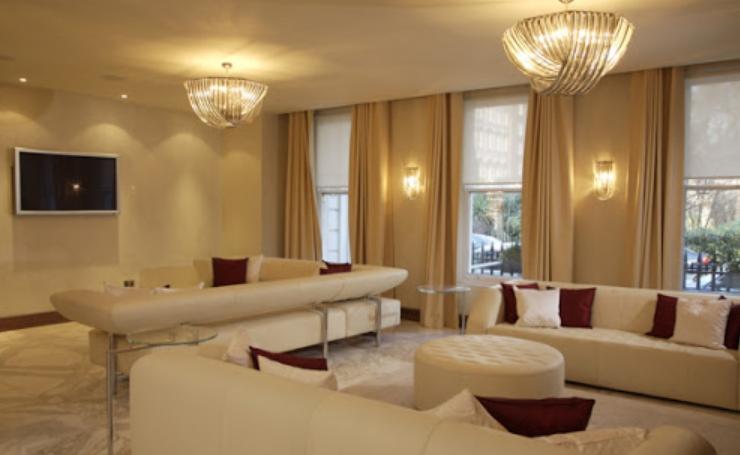
- Reflected lighting. The luminous flux is directed to the walls or ceiling and illuminates the room by reflection. Suitable for living space, creates a comfortable environment.
![Classification of types and systems of artificial lighting]() Chandeliers with reflected light are well suited for living spaces.
Chandeliers with reflected light are well suited for living spaces. - Scattered lighting. Another type that does not create visual discomfort. The light from the bulb passes through the diffuser and is evenly distributed around.
- mixed lighting. Any combination of the described options, if it provides a good result, can be used.
By function
Functional features are important for industrial and work premises, so this classification is more about them. There are several types:
- Working. Must provide good working conditions.It can be both general and local.
- duty. Turns on during business hours. It serves both for visibility and security purposes.
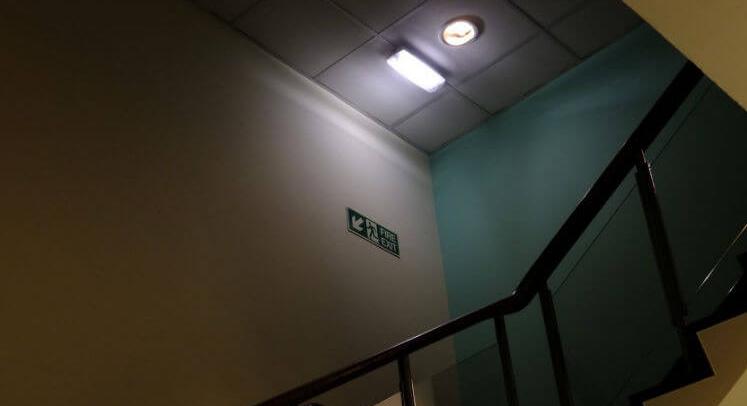
- emergency. Provide lighting for escape routes in the event of a power outage. Luminaires usually operate from autonomous power sources.
![Classification of types and systems of artificial lighting]() Emergency lighting should ensure the safe movement of people.
Emergency lighting should ensure the safe movement of people. - Signal. Provides visibility in high-risk areas.
- Bactericidal. It is used in medical and other institutions for the disinfection of ambient air, water or products.
- Erythemal illumination emits ultraviolet waves of a certain frequency. It is used in rooms without natural light and replaces the ultraviolet radiation of the sun to stimulate physiological processes in the body.
In specific types of production, special types of lighting can also be used.
Video lesson of the faculty of Moscow State Technical University. N.E. Bauman: BZD course. Lighting.
The main parameters of artificial light sources
All requirements established by law are in SNiP 23-05-95. Up-to-date information is collected in SP 52.13330.2011 "Natural and artificial lighting". Based on these documents, the optimal lighting characteristics are selected. As for the parameters, the following are considered the main ones:
- Operating indicators of the electrical network. Typically, the equipment operates on a standard voltage of 220 V, but there may be other options.
- Power of electric lamps in watts. It all depends on the type of equipment and the illuminated area.
- Lighting standards in lux. There are tables with accurate data for all types of premises.
- Colorful temperature. The quality of lighting and visibility in the room or within the workplace depends on this.
- Color rendering index (Ra).Shows how correctly colors are perceived in comparison with sunlight. For normal perception, the indicator should be 80 or more.
- Availability of additional devices. This can be a step-down transformer, ballasts or a light dimmer.
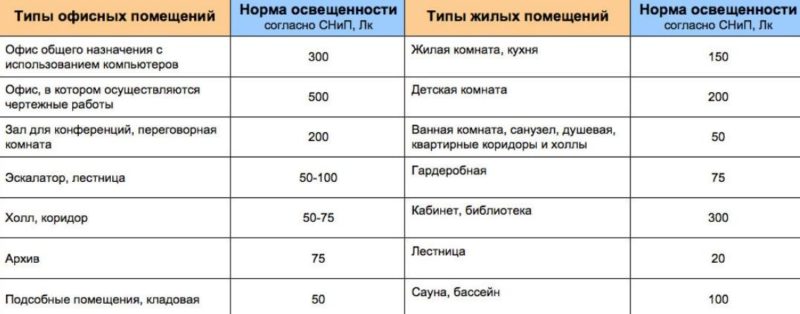
The quality of artificial lighting affects the comfort of staying in the room or the efficiency of work. It is necessary to select equipment that creates optimal conditions and provides minimal eye strain.