Types of light sources
Understanding the features of light sources is not difficult, since in fact there are only two options. Moreover, one of them is well known to everyone, and the second is not difficult to classify by type and disassemble the main characteristics.
What is a light source
A light source is an object that emits electromagnetic energy in the region of the spectrum that is perceived by human vision. According to the laws of physics, if individual objects are heated to a certain temperature, they begin to glow.
In fact, any luminous object can be called a light source - be it the sun, fireflies, or a variety of lighting equipment produced by modern factories.

Types and classifications of light sources
All options can be divided into two main types - natural and artificial sources. It is easiest to proceed from this when considering the issue, since information is easy to systematize.
natural light sources
This group includes all natural phenomena and objects that can emit light visible to humans. Moreover, radiation can be both a primary and a secondary property of an object or phenomenon. All variants in this section have arisen without the intervention of people and the activities of other beings. Main natural sources:
- Sun. A well-known object that not only emits light due to its incandescent structure, but is also the source of life on Earth.
- Stars, Moon and other objects from space. A huge number of luminous dots appear in the sky every day after sunset. And at the same time, the nature of the glow is different. If the Moon has reflected light, then other objects can glow on their own. Also, the glow can come from intergalactic gas, it is also visible in some parts of the sky.
- Polar Lights is another natural source.
- Atmospheric electrical discharges also belong here, although they flare up for a short period of time.
- Minerals and organic products can glow when oxidized, that is, when burned.
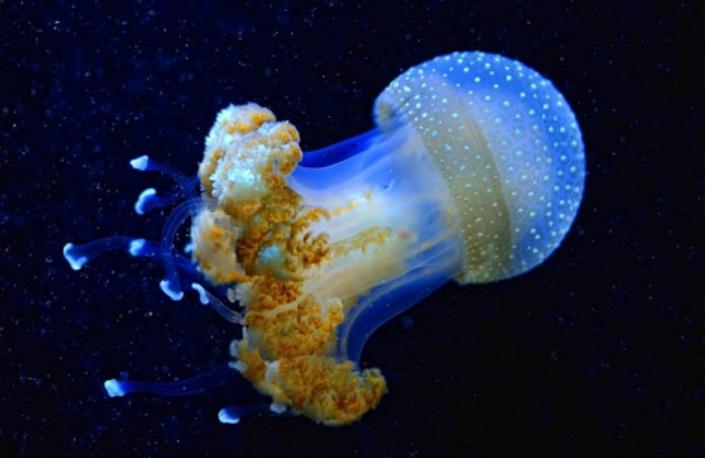
- Bioluminescence of living organisms, a vivid example is the well-known fireflies.
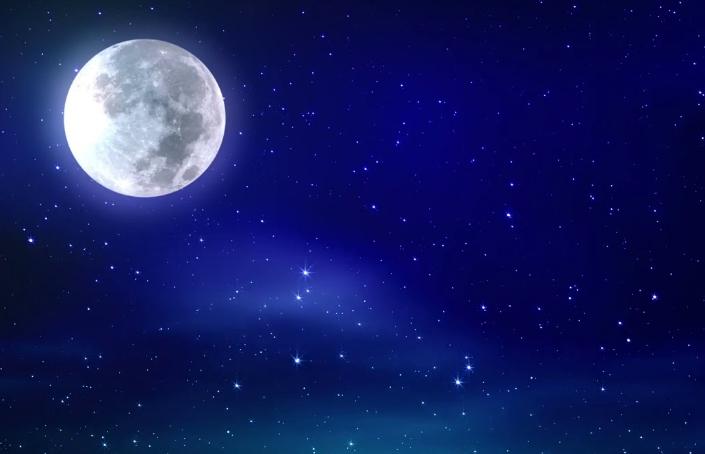
All these variants are found in the natural environment and do not depend on humans in any way. He cannot adjust their brightness and influence it.
artificial light sources
In this case, the source is any element that gives radiation as a result of energy conversion. Almost all options of artificial origin are powered by electricity. That is, the primary energy that is used to produce light is current.
Based on physical categories, we can divide all artificial options into three main varieties. Each of them has its own characteristics:
- Heat sources are the most common today. The principle of operation is that a certain object (most often a tungsten filament) is heated to a temperature when it begins to radiate not only heat, but also visible light. This option was widely used first, but now it is being replaced by more progressive and safe ones, because heating to high temperatures is not the best solution in many situations.
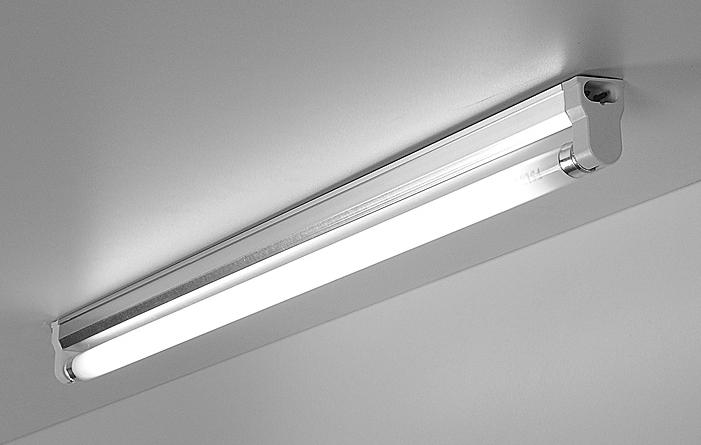
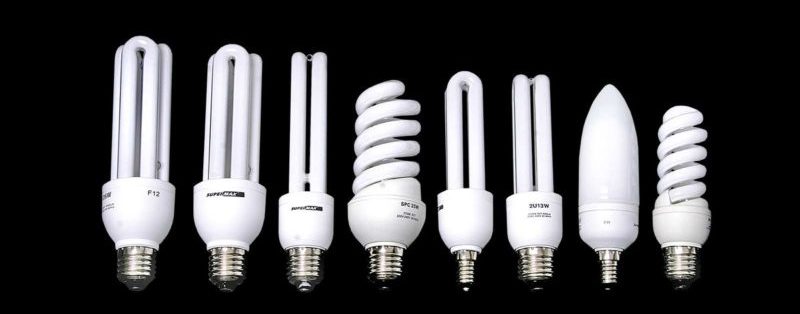
- Fluorescent Options work due to the phenomenon of luminescence. In this case, the energy is converted into optical radiation. Widely used in various industries, the main advantage is that they do not heat up in the process. Another plus is low electricity consumption. But due to the mercury content, they should be properly disposed of, and if broken, ventilate the room.
![Types of light sources]() Fluorescent light sources are an excellent solution for industry and offices.
Fluorescent light sources are an excellent solution for industry and offices. - LED sources appeared recently, but are used more and more every year. The main working element is a semiconductor crystal. In it, when electrons under the action of electricity move from one energy level to another, the emission of photons begins. A very productive and safe system that provides excellent lighting quality.
Recommended for viewing: Physics video tutorials
All currently produced lamps can be divided into several categories depending on the principle of operation and design features. Types of light sources:
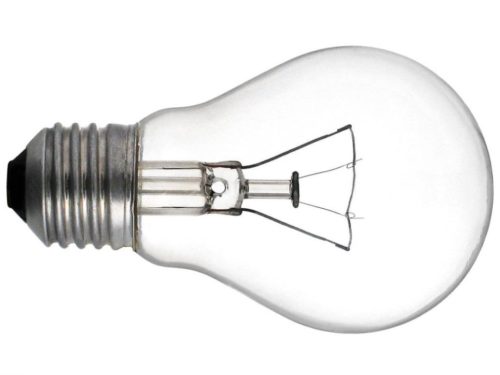
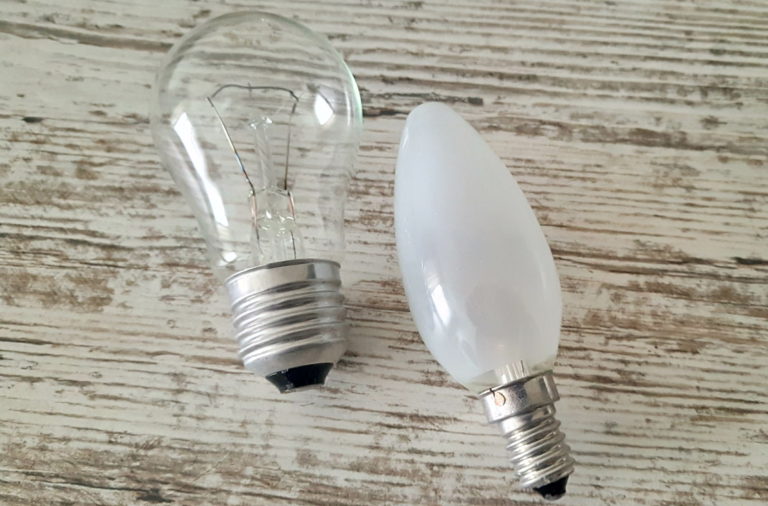
- Incandescent lamps.Used for over 100 years, the main element is a tungsten filament, which, when heated, gives off light. In order to prevent the tungsten from being sprayed so quickly with strong heating, and the spiral to serve as long as possible, the flask is sealed and filled with an inert gas. The main advantage is the low price, but the quality of light is not the highest, and the service life is the shortest among all options. During operation, the flask heats up very much, so the ceiling should be located at least 3 cm from it.
![Types of light sources]() Incandescent lamps
Incandescent lamps - Halogen lamps filled with a special composition, which, together with the use of quartz glass, made it possible to obtain high-quality light with a good color rendering index. Due to the reflectors, you can clearly direct the light. But in terms of energy efficiency and service life, this solution does not differ much from the first option, since here, too, the main working element is the filament.
- Fluorescent lamps are a tube filled with an inert gas with mercury vapor, in which there are 2 electrodes. When electricity is applied between the electrodes, an arc discharge occurs and mercury vapor begins to glow. But the main part of the light is given by the phosphor - the composition applied to the inner surface of the tube, due to which uniform illumination is obtained. They are mainly used in offices, automatic machines are needed for connection, the service life is up to 20,000 hours.
- Compact fluorescent options. They are made for standard socles, which allows them to be used instead of incandescent lamps. The quality of light is much higher, while the consumption of electricity is less. This solution has the same advantages as conventional fluorescent lamps.
![Fault Prevention]() Types of CFL
Types of CFL - LED light bulbs work due to semiconductors, which distinguishes them from analogues. This technology allows you to achieve different color temperatures and brightness, so you can use LEDs in all rooms. The power consumption is the lowest among all the options, and the service life is the longest, usually from 50,000 hours.
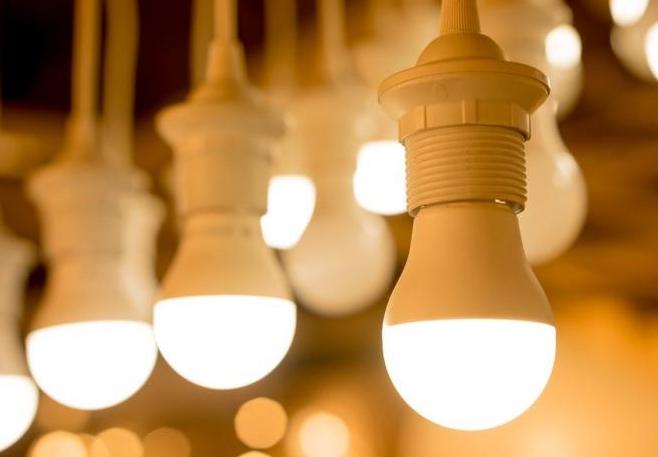
By the way! LED lamps are the safest, they do not heat up during operation, there is no glass and vapors of harmful substances in the products.
Main characteristics of light sources
Indicators and terms are used mainly for artificial light sources. Here are the main characteristics that are used most often:
- Luminous flux - the amount of light falling on a specific area in a certain time, it is proportional to the radiation flux that the human eye sees. Measured in Lumens.
- The stability of the luminous flux shows how much the quality of the illumination of the lamp changes over time.
- Total life indicates how long the lamp should last. But the second indicator is more important - the useful life, which reflects the operating time when the lamp produces high-quality light.
- The warranty period indicates the minimum lamp life while maintaining good light quality.
- The rated voltage indicates at what voltage the lamp provides the declared characteristics. In models with ballasts and transformers, this indicator is not needed.
- The type of current used for work. It can be constant (usually low voltage), but most often the lamps operate on alternating current.
- Rated power shows the electricity consumption of the equipment when the rated voltage is applied.
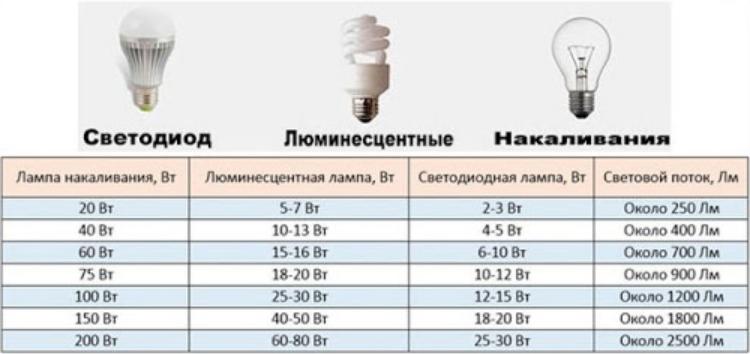
In modern LED lamps, indicators such as the type of light (warm or cold) are used.
The light source must be selected taking into account the requirements for lighting and kind lamp. It is better to give preference to modern LED lamps, which consume at least 10 times less electricity and provide better light than their counterparts. Proceed not only from the price, but also from the period of work, the cost of electricity and safety for humans.