Description and types of ceiling lights
Ceiling lamps are an integral and important element in the design of residential and work spaces. They provide the right lighting. The article details the types of ceiling lights, gives recommendations and useful tips for installation.
What it is
Ceiling lamp - a stationary source of artificial lighting, giving diffused, directional or reflected light. It is fixed on the ceiling, and is of paramount importance in local and general lighting of apartments and work premises. With the help of a ceiling lamp, the desired light is created in each zone of the room.
Classification
According to the method of attachment, ceiling lamps are:
- hanging;
- waybills;
- embedded (point).
Suspended
Pendant lights are familiar chandeliers. Despite idle talk that chandeliers are the last century, they still decorate the interior of almost every apartment and office.First of all, it is practical and effective.
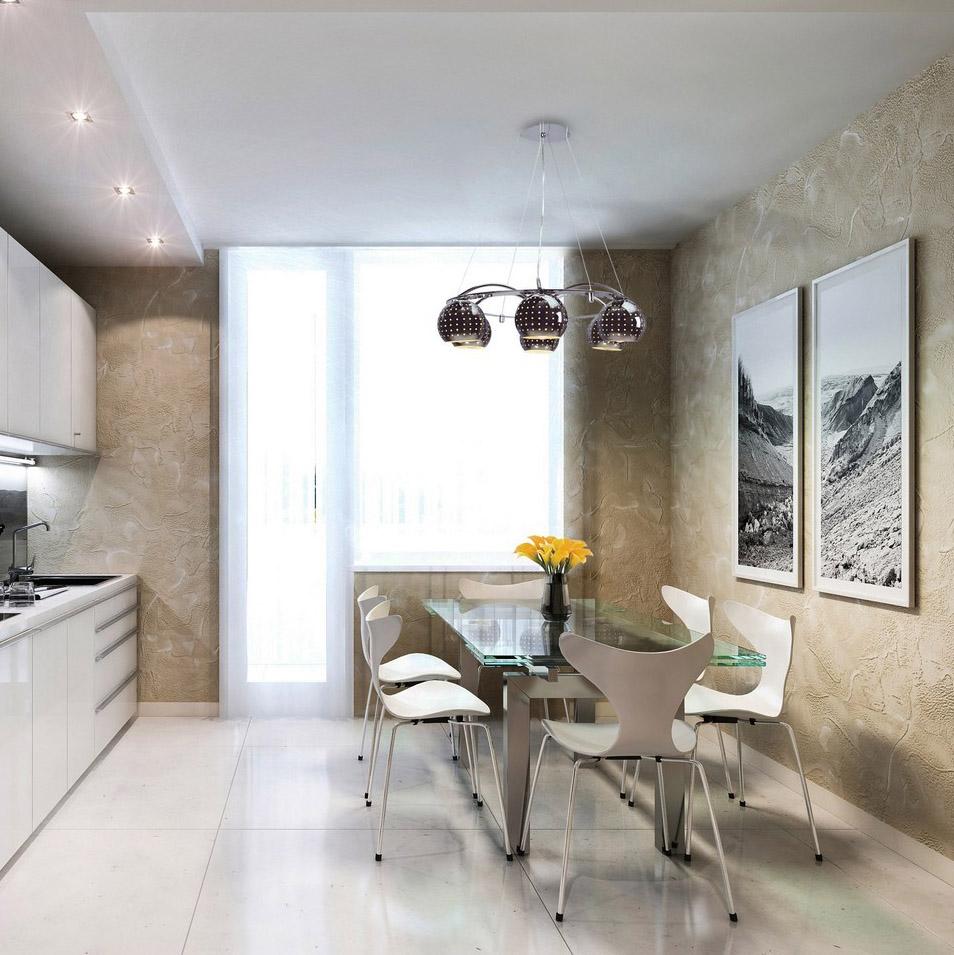
There are many types of chandeliers on the market now. When choosing, you need to proceed from the characteristics of the room, its size. A chandelier should not look huge in a small room and vice versa.
Overhead
This type of ceiling lamps has a low cost. The overhead lamp is easy to mount with your own hands, it does not take much effort. It consists of a plastic case with parts and wires, mounted on the ceiling with dowels and turboprops.
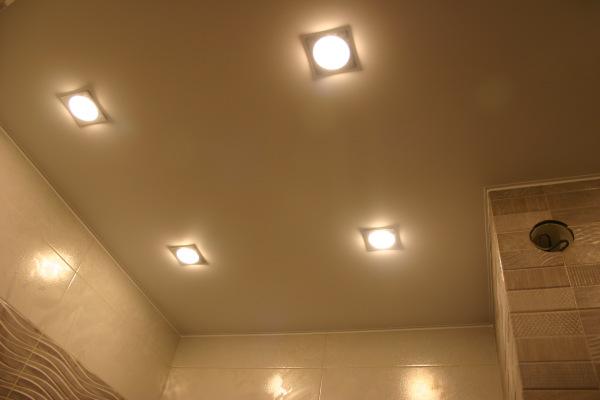
Before you buy a bathroom lamp, you need to carefully look at the second digit in the IP index. It shows how the lamp is protected from moisture. The indicator should be at least 4, better than 5.
Embedded (point)
Such lamps are built directly into the stretch ceiling. For rooms with an unusual design, avant-garde design, unique interior, this solution is the best fit.
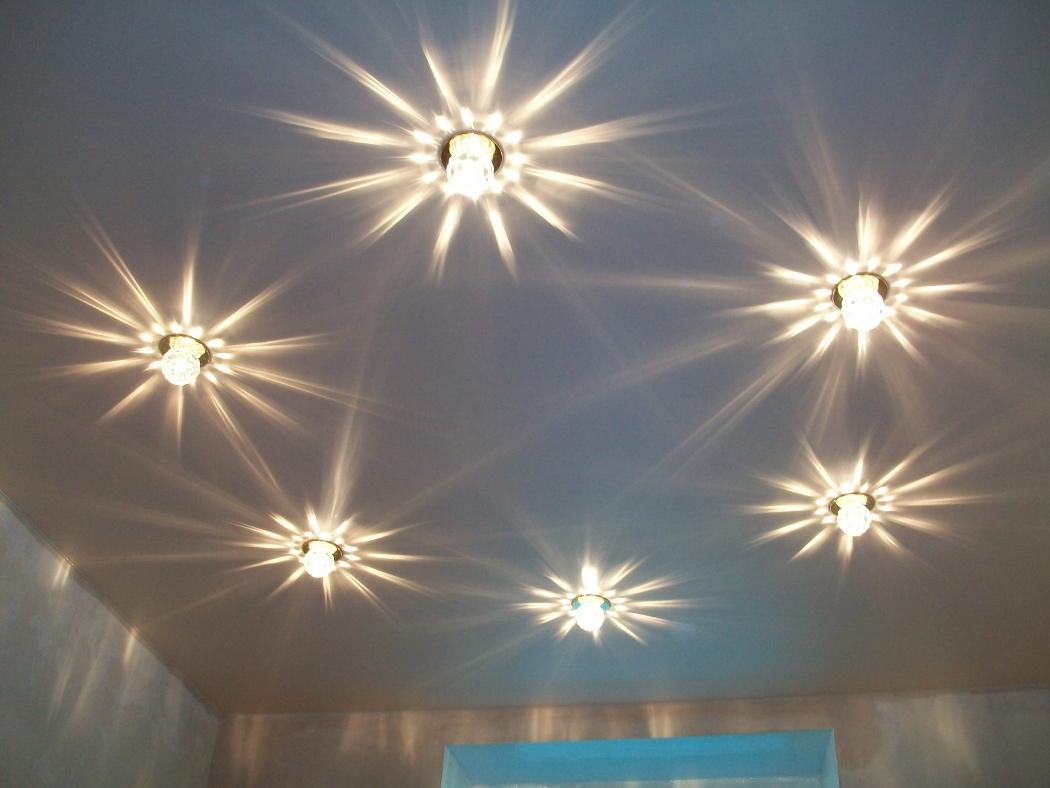
Recessed luminaires often have a special coating of the body: matte brass, chrome, bronze; according to the design, they can be rotary or not. The former can be directed in the right direction manually, the latter are static and shine only on one area of the room.
According to the method of lighting, ceiling lamps are divided into 4 types:
- diffused lighting;
- directional lighting;
- reflected lighting;
- combined.
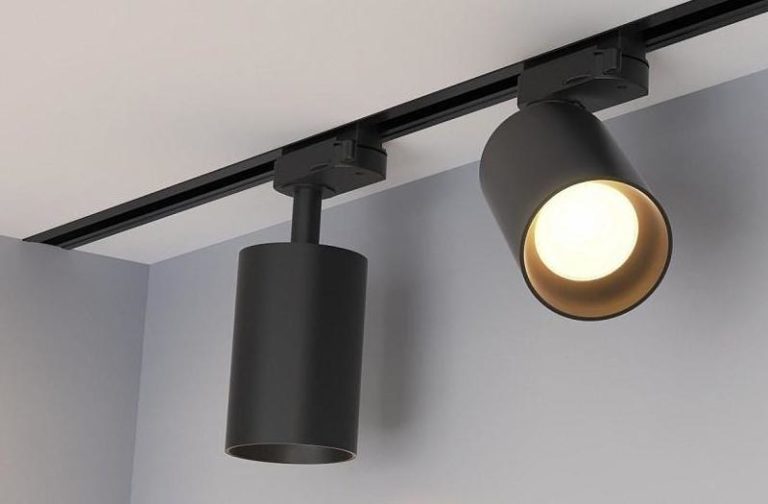
Experience using spotlights instead of chandeliers
Ambient lighting luminaires have matte shades or special diffusers. The light spreads evenly throughout the room. Direct light fixtures emit light that is concentrated in a specific area. With reflected lighting, the stream of light is reflected from the walls and ceiling, which allows it to be evenly scattered throughout the room. Combined luminaires direct the light flux up and down at the same time. There are options in which the light is directed in different directions asymmetrically. In some advanced models, you can adjust the direction and intensity of the light.
LED lights vs chandeliers: which is better
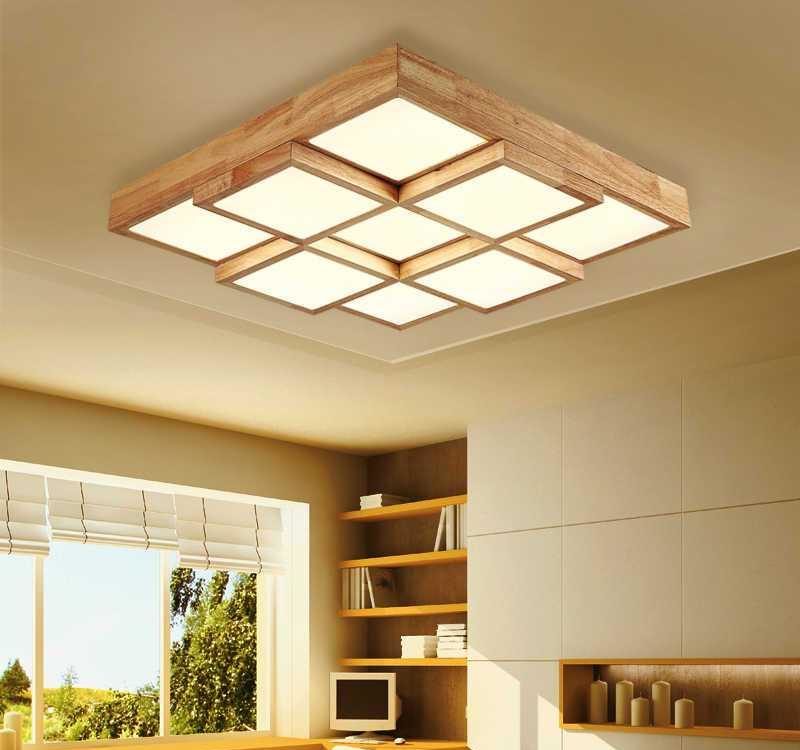
They have a number of undoubted advantages:
- The device gives light, which is evenly distributed over the entire area of \u200b\u200bthe room.
- For a long time you can forget about changing the light bulb.
- LED lamps significantly reduce energy consumption.
- Doesn't overheat.
- You can switch the light modes (daylight, cold, warm).
- Durability (up to 15 years).
In addition, the lower cost speaks in favor of LED than a good chandelier. However, a chandelier looks much prettier and can completely change the visual perception of a room. From a purely practical point of view, in the "opposition" between LED lamps and chandeliers, it is fair to talk about a fighting draw. Both types of ceiling lights have a number of pros and cons. So the purchase of a particular device is usually due to personal choice, as well as the tasks and design features of the room.
The choice of lamp for each room
When choosing a ceiling lamp, you must have a clear understanding of which room it is needed for. For example, in a small room with a low ceiling, a chandelier with 1-3 shades will suffice. For a spacious room, it is better to purchase a lamp with a large number of light diffusers. To better understand this, it is worth stopping at each room in the house.
Corridor and hallway
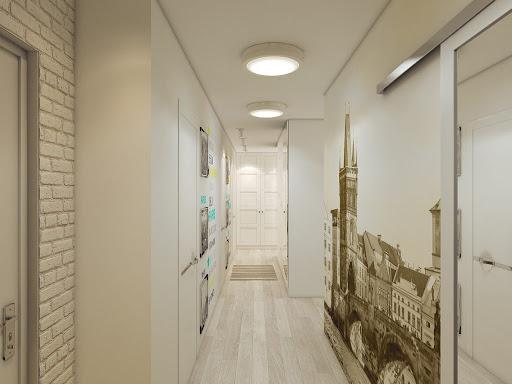
For the corridor and hallway, overhead or recessed lamps are best suited. Firstly, they are compact, and secondly, the hanging tool can be inadvertently hooked by hand when removing outerwear. It is important that the lamps give natural daylight, because it is the mirror in the hallway that will help you choose the right tones for makeup and clothes.
Living room and kitchen
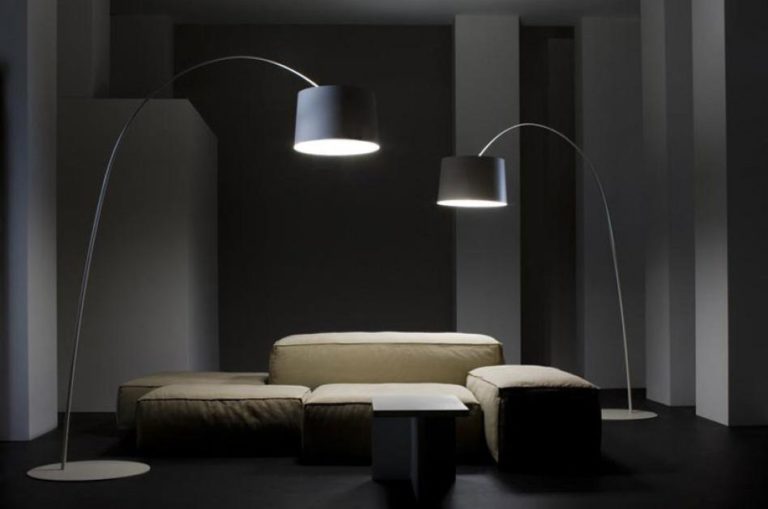
How to choose the right light for a multifunctional space like a living room? Evening movie viewing, reading, a gala dinner with guests, working from home - all this, as a rule, takes place in the living room. The answer is clear: it is worth buying a ceiling lamp with adjustable brightness and light intensity. This will allow you to achieve the right lighting for any occasion. If a chandelier is already installed in the living room, but the light from it is always the same, there is no need to dismantle it. It is enough to install an additional pair of overhead or recessed light sources to get the desired variability. Without a chandelier, they will give soft, cozy lighting; with it, they will further enhance the lighting. These principles also apply to the kitchen.
Bedroom
The bedroom needs soft warm light.It is suitable for reading and relaxing, does not adversely affect the eyes. Next to the desktop or mirror, you can additionally install a bright light source - built-in or suspended, so that you can turn it on if necessary.
Rules for the selection of lighting in the children's room, in the bedroom and throughout the house as a whole.
Children's
The principle of choosing a lamp in the nursery is the same as in the corridor. The child can play, jump on the bed and accidentally hook the suspension, so it is better to use built-in or overhead models. The second principle is that the light must be adjustable. The child in the nursery spends most of the time, doing different things - from playing with friends and watching cartoons to doing homework, and each case requires a different light intensity. In trendy varieties of smart-lamps, for example, you can program your own scenario and time for changing the brightness of the light. This will help the child develop a stable daily routine.
If the nursery is divided into several zones - for sleeping, lessons, reading, games, a separate light source can be hung above each of them. Zone lighting with the help of floor lamps, table lamps, sconces is also useful.
Bathroom
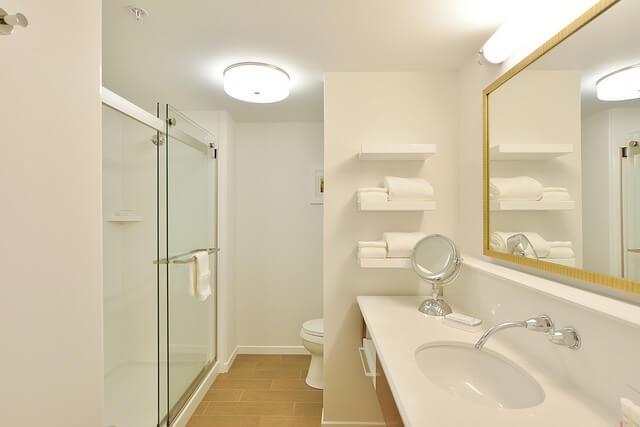
The main thing here is reliable protection against moisture. First of all, you need to pay attention to the second digit in the IP index: it shows the degree of protection. The normal score is 4 or more.
How to choose a lamp for the type of ceiling
Of key importance is the compatibility of the lamp and the material from which the ceiling is made. There will not always be “peace and love” between them.
- concrete ceilings. On an ordinary concrete ceiling with whitewash and other types of finishes, you can install any lamp, without restrictions.
- Wood, drywall. The ceiling of fire hazardous materials such as drywall provides for the installation of any suspended and overhead models. With recessed lights, you should be careful. The main thing is that the lamps do not overheat the ceiling. For this, an LED built-in model is suitable.
- Stretch ceiling
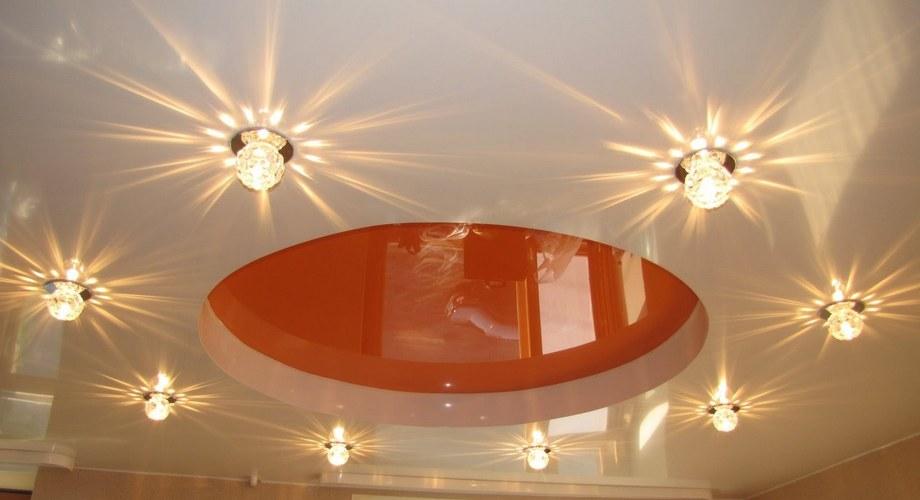
Ordinary lamps can cause overheating of the material, which will affect the appearance of the stretch ceiling.
Helpful Tips
The most popular and simple solution for the home is considered to be a large ceiling lamp, conventional or LED, located in the center of the room.
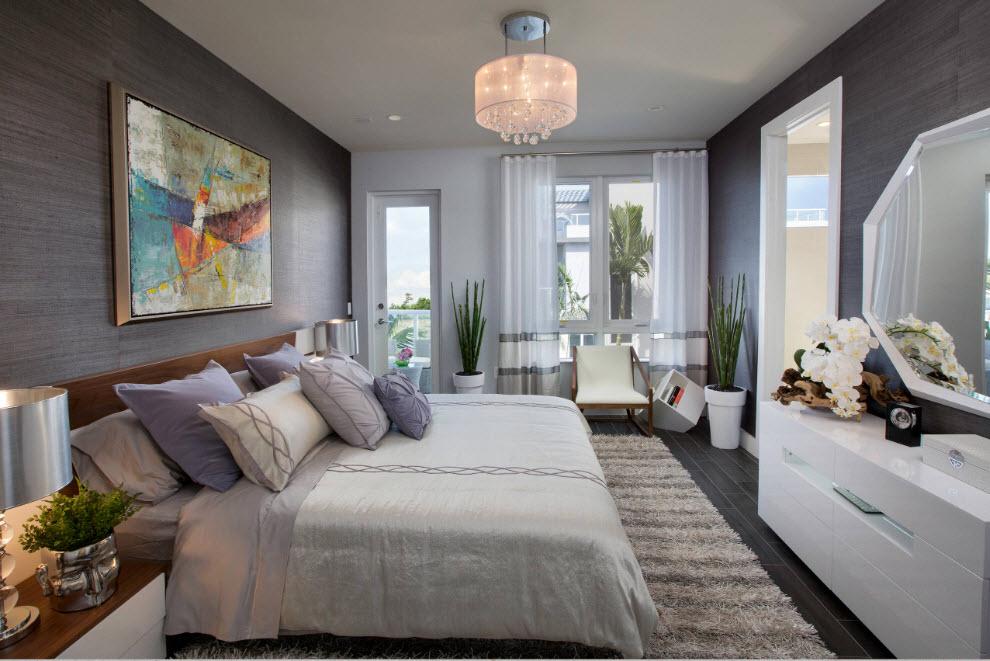
But, no matter how all-encompassing the light flux is, it is better to make additional zonal lighting - for example, in the corners of the room, away from the main light source. This will help create local lighting for the reading area, table, etc.
Modern trends in interior design include the rejection of a chandelier suspended in the center of the room. Instead, you can install an unusual type of lamp a little away from the center. Another option is to develop your own scheme, which will include pendant, overhead and recessed fixtures. The main thing is to correctly disperse them relative to the center of the room in order to achieve efficiency.
At the stage of planning the purchase of a lamp, one must not only proceed from the available budget, but also think rationally. Too cheap, albeit a beautiful chandelier - obviously a losing option.Often such models give an uneven stream of light, and some parts of the room are too lit, while others are not enough. In addition, such chandeliers have a high risk of premature failure. The best option is a not too expensive lamp from a trusted company with a good reputation in the market.