How to calculate the required number of lumens per square meter of a room
The number of lumens per square meter determines the level of illumination in a room. Different indicators are used for different rooms, so you need to understand the rules in order to ensure good lighting in an apartment or house. For offices, workrooms and garages, the requirements are established by the norms of SNiP and cannot be deviated from.
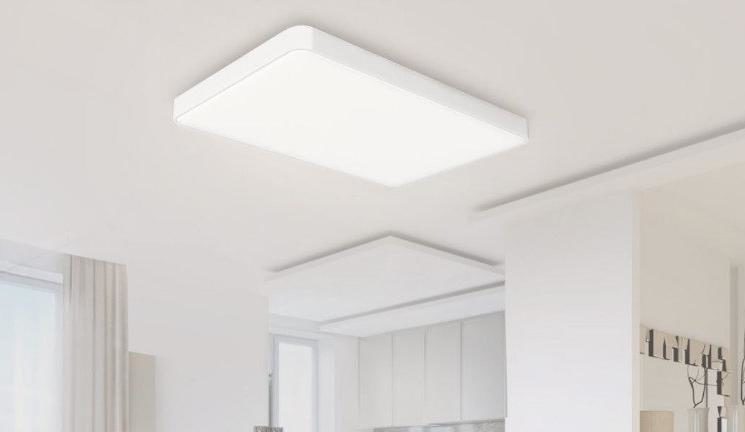
Organization of lighting in residential premises
This option is different from others, a person spends a lot of time in rooms, so you need to provide high-quality light. The comfort of your stay depends on this, as well as the load on your eyesight. In a residential area, it is important to create an atmosphere conducive to relaxation. Three types of lighting are used for this:
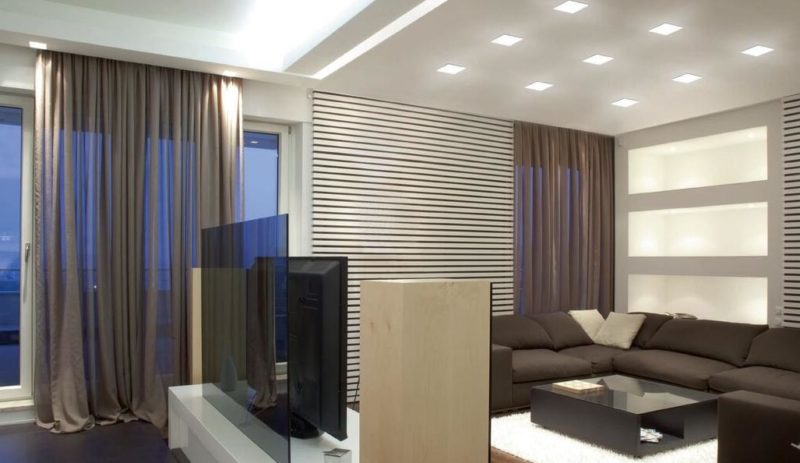
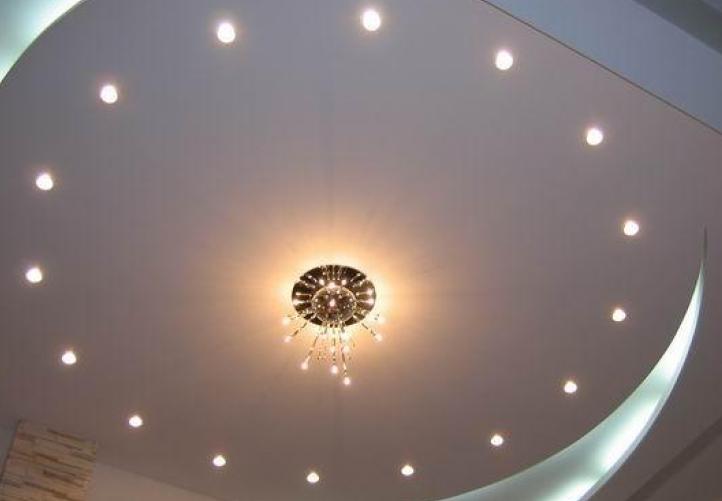
- General. Implemented by installing one or more chandeliers, which usually include several shades evenly distributed over the diameter.A light panel, a lamp with a diffuser or a large number of recessed light sources can also be used. This is the main option that provides uniform illumination of the room and is used most often.
- Local. It is not always possible to achieve optimal performance due to general lighting. Sometimes it is necessary to allocate a separate zone or area for work, repairs, needlework, etc. The most commonly used desktop, wall, floor or recessed lights. Equipment with the ability to adjust the direction of light is well suited.
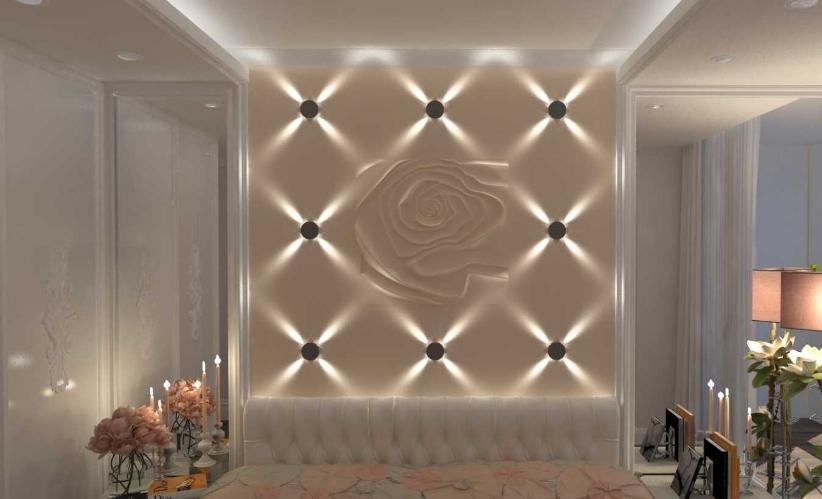
- decorative. Serves to decorate the interior, helps to highlight individual zones or elements. Wall or built-in lamps are used, which are directed to a specific object.
![How to calculate the required number of lumens per square meter of a room]() Decorative lighting can serve as a full-fledged element of interior design.
Decorative lighting can serve as a full-fledged element of interior design. - Combined. The most convenient solution that combines general and local lighting and helps to adapt conditions to different purposes. Local light is usually turned on only when necessary, which reduces energy consumption.
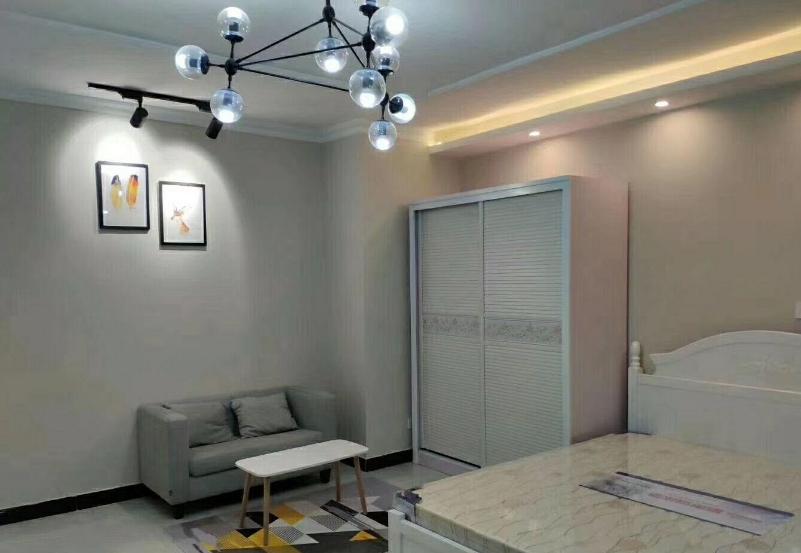
If set track system, you can use it for decorative purposes or lighting a separate area of \u200b\u200bthe room. Plafonds can be easily moved along the conductor and directed anywhere.
The calculation of lumens for a room is usually carried out only for the first two types of lighting. For a decorative option, it is important to choose the optimal level of illumination and the correct location of the fixtures.
Norms of illumination of residential premises according to SNiP
The SNiP prescribes the norms for most types of premises.Some of them are advisory in nature, and some are mandatory, this applies primarily to working premises and productions. You can quickly find out how much light you need per square meter if you use the table.
Modern standards are written in suites. This is a unit of illumination equal to 1 lumenspread over an area of 1 sq. m. This is a universal indicator that is suitable for all types of premises.
| Room type | Illumination rate in lux |
| Corridors and hallways, storerooms, bathrooms and toilets | From 50 |
| Dressing rooms | From 75 |
| Stairs, rooms in saunas and baths | From 100 |
| Bedrooms, living rooms and kitchens | From 150 |
| Children's rooms and play areas | From 200 |
| Workrooms, libraries, office premises with a PC | From 300 |
| Precision work areas, drawing board rooms | From 500 |
| Garages and boxes | From 200 |
Information on the characteristics of light in lumens should be indicated on the package with a light bulb or in the passport for the chandelier (if the light sources are built-in). But you can roughly determine the indicators if you know lamp power and her type.
| LED (power in W) | Fluorescent (power in W) | Incandescent lamp (wattage) | Approximate luminous flux (in lumens) |
| 2-3 | 5-7 | 20 | 250 |
| 4-5 | 10-13 | 40 | 400 |
| 8-10 | 15-16 | 60 | 700 |
| 10-12 | 18-20 | 75 | 900 |
| 12-15 | 25-30 | 100 | 1200 |
| 18-20 | 40-50 | 150 | 1800 |
| 25-30 | 60-80 | 200 | 2500 |
There can be two lighting zones in one room. For example, in a bedroom with subdued general lighting, there may be a work desk with a lamp or a brightly lit dressing table for applying makeup.
Self-calculation of the required amount of light and lighting fixtures
Understanding the calculations is not difficult, since all the data can be found in the public domain.If you follow a simple instruction, you can determine the main indicators that will be required when determining the power and number of lamps for a particular room. There are several factors to pay attention to:
- The table determines how many lumens per 1 square meter are required for normal illumination in a particular room. The easiest way is to make a general plan of an apartment or house indicating the recommended illumination for each room, then the likelihood of errors is reduced. Considered and type of fixtures - if they are with diffusing shades or the luminous flux is directed to the ceiling, you need to increase the performance by 20-30%.
- The selected value indicates the norm for a square meter. To calculate the total figure, you need to know the area of \u200b\u200bthe room. It is multiplied by the norm, the result is the total value for the room. For example, if the illumination is 200 lm, and the area is 12 sq.m., then the final result will be 2400 lumens.
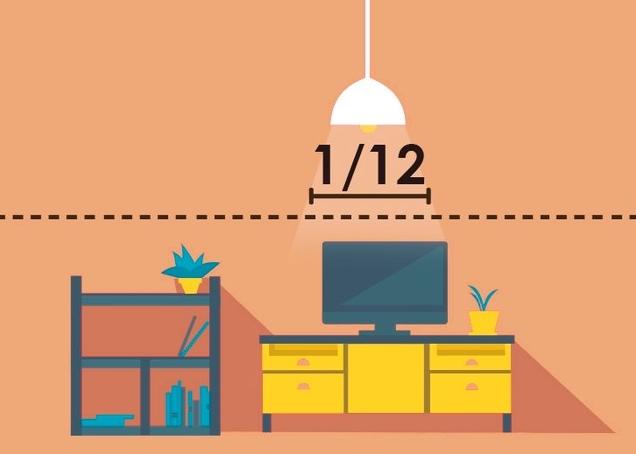
- The figures in the tables are given for luminaires that are located at a height of 2.7 meters or lower. But if the light source is higher, it is necessary to use a correction factor, the result that was obtained earlier is multiplied by it. With a height of 2.7 to 3 mm, multiply by 1.2; from 3 to 3.5 - by 1.5; from 3.5 to 4.5 - by 2.
![How to calculate the required number of lumens per square meter of a room]() The higher the lamp is located, the more its light is scattered.
The higher the lamp is located, the more its light is scattered. - It is important to consider the features of the use of the premises. If you need a calm, relaxing environment for relaxing or socializing, general diffused lighting is best. Functional lighting is needed to highlight individual areas: a working area in the kitchen, a table for working with documents, a place for needlework, etc.Accent light is needed to highlight individual objects, space zoning or decorative lighting.
- Reflection coefficient surfaces must also be taken into account. The following data is taken into account here: white walls or ceilings reflect 70% of the light, light - 50%, gray - 30%, dark - 10%. The easiest way is to sum up the indicators of walls, ceiling and floor, divide the total by 3 and use the average correction factor.
When using LED lamps, it is worth additionally considering some parameters that affect lighting:
- Colorful temperature: can be warm, neutral or cold. For residential premises, the first 2 types are used.
- Color rendering index (Ra). For normal perception of colors, it should be 80 or more.
- Flicker index - no more than 10%.
Used for plants phytolamps with a certain spectrum.
Video lesson: How to do the calculation of illumination manually.
Possible errors in the calculation
Most often, the following errors are made in the calculations:
- Correction factors are not taken into account.
- Too bright light is used, which creates discomfort.
![How to calculate the required number of lumens per square meter of a room]() Rooms with too much light can look uncomfortable.
Rooms with too much light can look uncomfortable. - Location of fixtures selected incorrectly and the lighting is uneven.
- Using averaged data without studying the information on the packaging of the lamps.
It is not difficult to calculate the illumination for residential premises, since there are norms and you can build on them. At the same time, it is important to take into account all additional factors and choose equipment with high-quality and uniform light.