What are lamps - classification of varieties
There are different types of lamps on the market. To find the right one for your house or apartment, you should understand the main types and their features. Properly selected equipment not only provides good lighting, but also serves as an additional design element.
What is a lamp
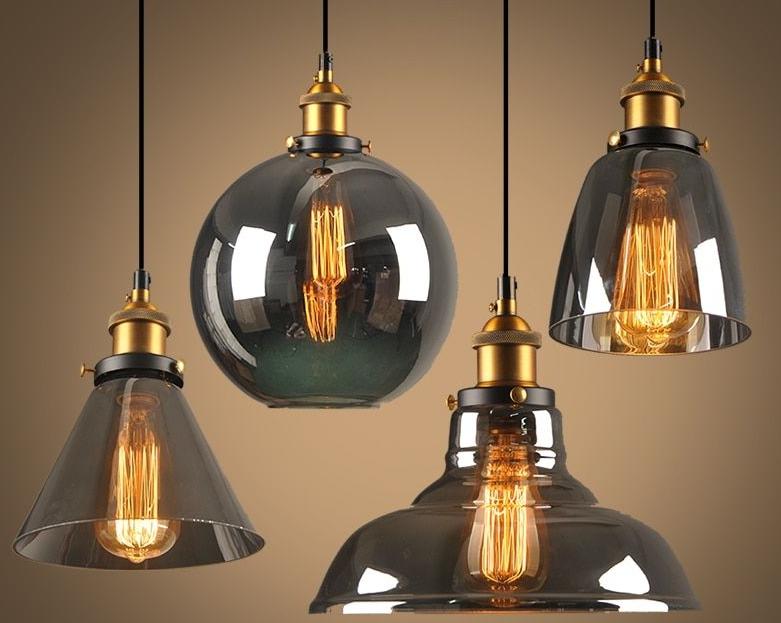
Luminaires include all artificial light sources designed to illuminate rooms and open spaces.. They are used for their intended purpose and for decorative purposes (highlighting a part of the interior, focusing attention on individual details, highlighting the facade, etc.).
The equipment can direct the luminous flux to a certain place or scatter it for uniform illumination, it all depends on the type and purpose of the luminaire. Lighting elements are part of the interior design and are selected according to the situation.
What parts does it consist of
In different types of fixtures, the components may vary, but the main elements are the same. It's easy to understand:
- Light source. These are lamps that come in different types. The second option is LEDs. There are also combined when two types of light sources are used.
- Bracket (in pendant and wall lamps) or stand (in floor and table lamps). The main load-bearing element on which the rest of the parts are attached. Branches to the lamps are called horns. If the design is compact, then all the parts are located inside the case.
- Mount - an element with which the luminaire is mounted on a wall or ceiling. Floor and desktop models do not have it, there is a base.
- The current is supplied through the wiring that runs inside the tubular bracket. Its characteristics depend on the design of the luminaire and the type of light sources used.
- There are cartridges in all models where light bulbs are installed. They are made under standard plinths.
- A reflector (plafond) or diffuser (lampshade) directs or scatters the light flux.
- The luminaire is controlled via a traditional switch or via a remote control. In desktop, floor and wall versions, there may be a power cord with a plug for plugging into an outlet.
The design may include various decorative elements. They are made from different materials, it all depends on the model.
Plastic products usually look cheap and do not last long.
Main varieties
There are different classifications of fixtures, you need to understand each of them in order to choose the right type of equipment for your home or site. It is necessary to take into account the purpose and design, the type of light sources, the features of inclusion and design.
Depending on destination
It is worth determining what the lamp will be used for. Products are divided into several groups:
- Luminaires for general purposes. This is the name of all models that illuminate the premises completely and are mounted on the ceiling in the middle of the room. These can be chandeliers, ceiling lamps, etc.
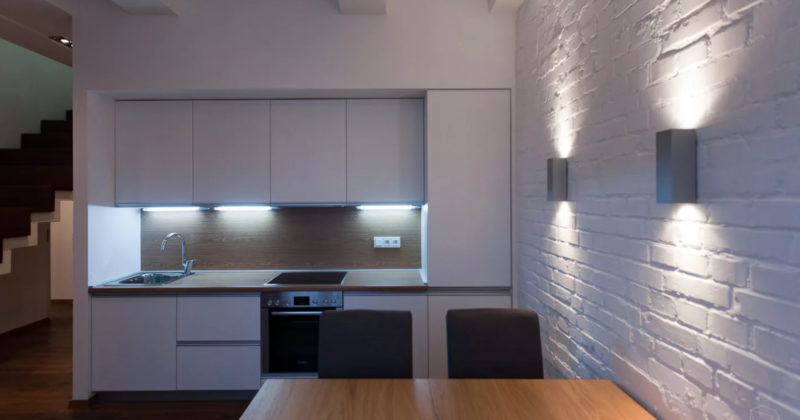
- Local lighting devices. Suitable for part of the room if general lighting is not needed. These are spots, sconces, table and wall lamps, lampshades on rods.
- Decorative options for highlighting the interior or facades of buildings. They can be both in a classic case and built-in.
- Street lamps work in the open air and in unheated rooms. They use weather-resistant materials, and the moisture protection class is higher than in devices for living rooms. When choosing, it is worth considering local climatic conditions.
- Garden models are most often self-powered or charged from the sun during the daytime. Underwater - a separate type with a sealed housing for illuminating pools.
Outdoor models can be installed in rooms, but vice versa cannot be done.
Classification by species diversity
There are a lot of species, all the main groups are on sale, each has its own characteristics:
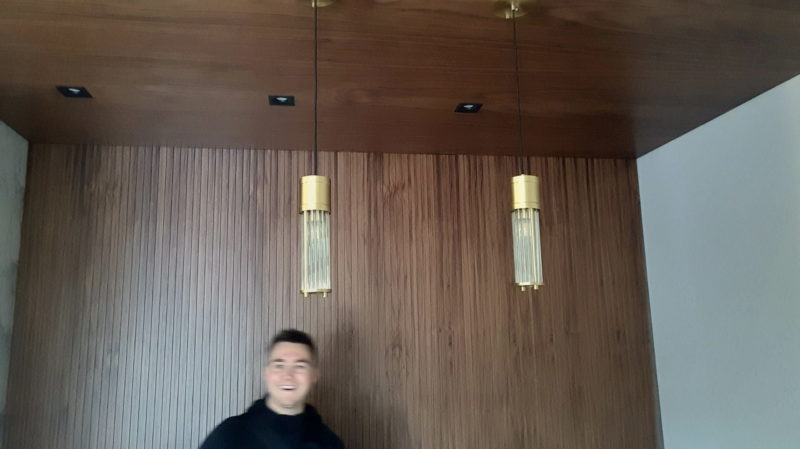
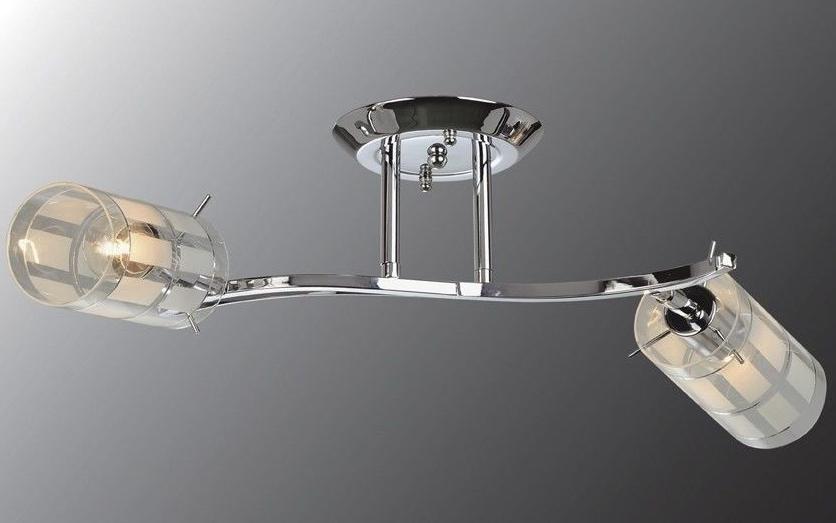
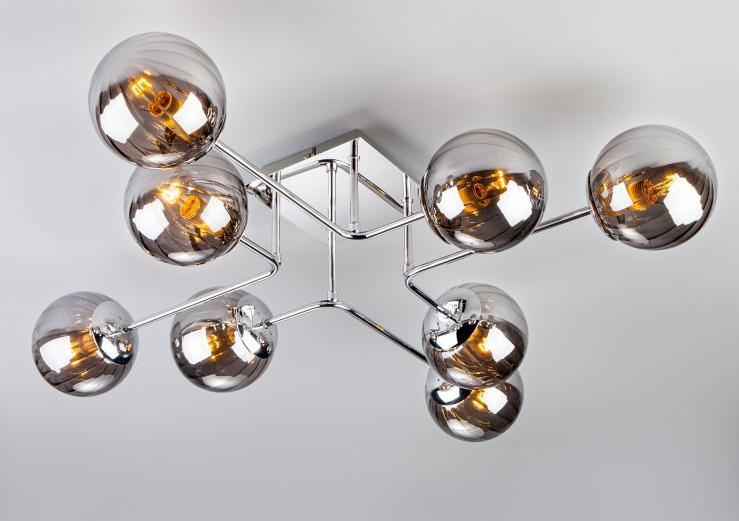
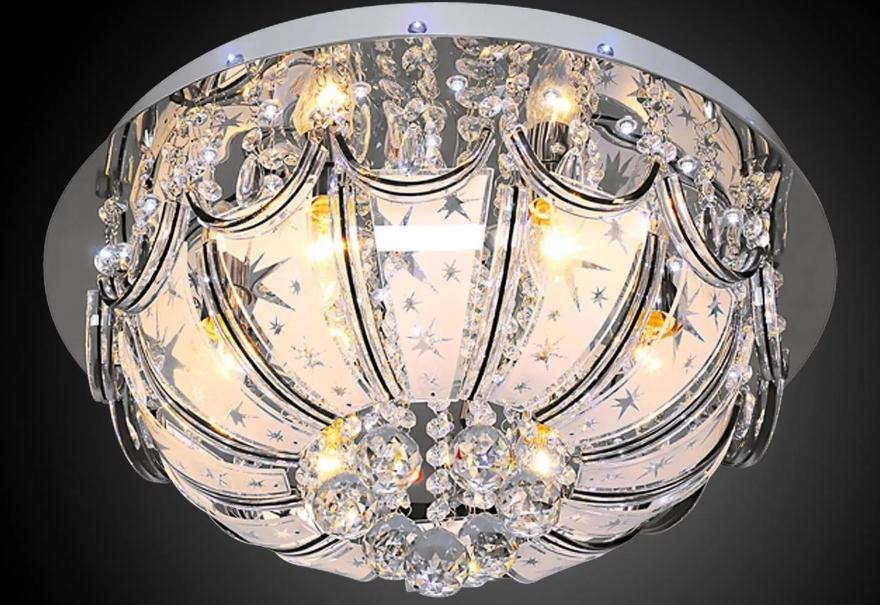
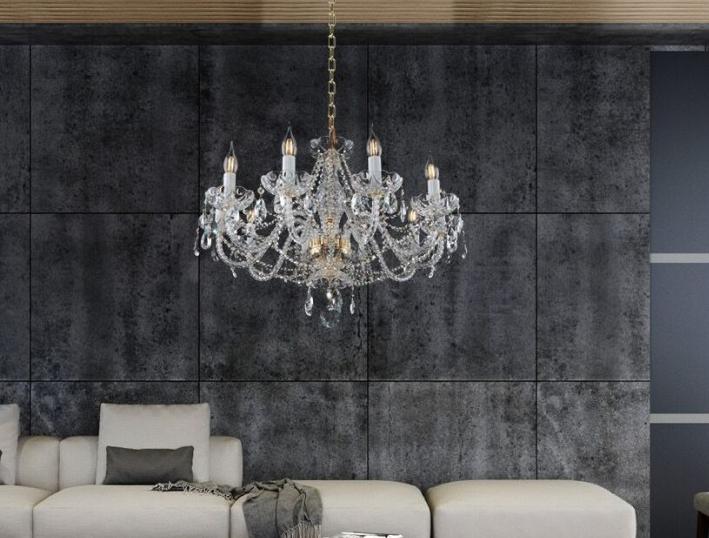
- Ceiling chandeliers are of two types.Suspended are mounted on a bracket, usually have several branches and take up a lot of space, which is not very convenient in rooms with low ceilings. Ceiling chandeliers are located at the very surface of the ceiling, it is either a wide ceiling or a design with branches that diverge to the sides, and not directed downwards.
- Wall lamps (sconces). They are attached in one or more places and are used both for local lighting (directional light flow) and general lighting if a diffuse lampshade is used. They can consist of one or more light sources, suitable for hallways and bedrooms.
- Desktop models are used to illuminate the workspace. Practicality, ease of adjustment (the position of the ceiling and the brightness of the light should change) and stability are important in them. Do not forget about the decorative component, the lamp should fit the interior.
- Floor lamps (floor lamps) are convenient in that they can be rearranged from place to place. Usually they have a massive lampshade.
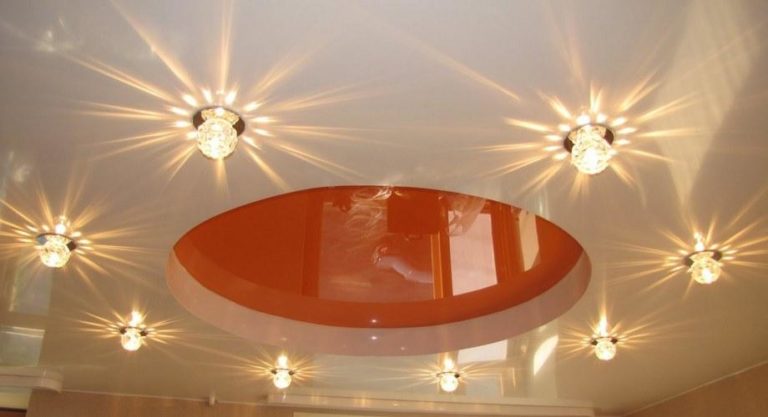
- Spots. Recessed luminaires that are located anywhere on the ceiling. They can practically not protrude beyond the surface, but they are also voluminous, while taking up less space than any other option. If you put several of these lamps, you can provide normal lighting for a room or part of it, highlight a wall or other object.
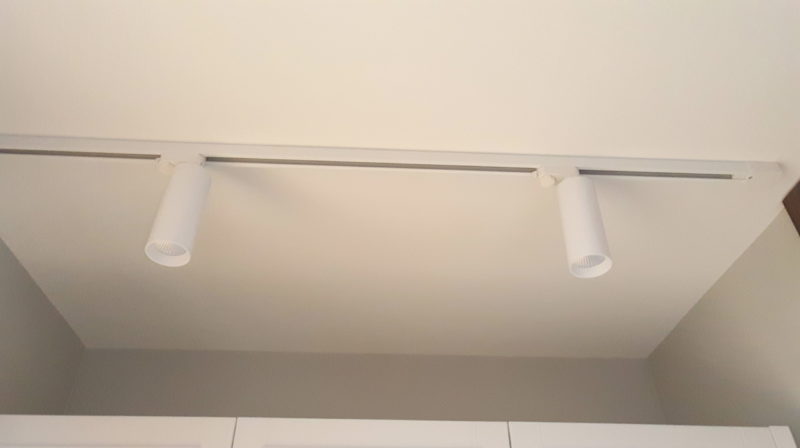
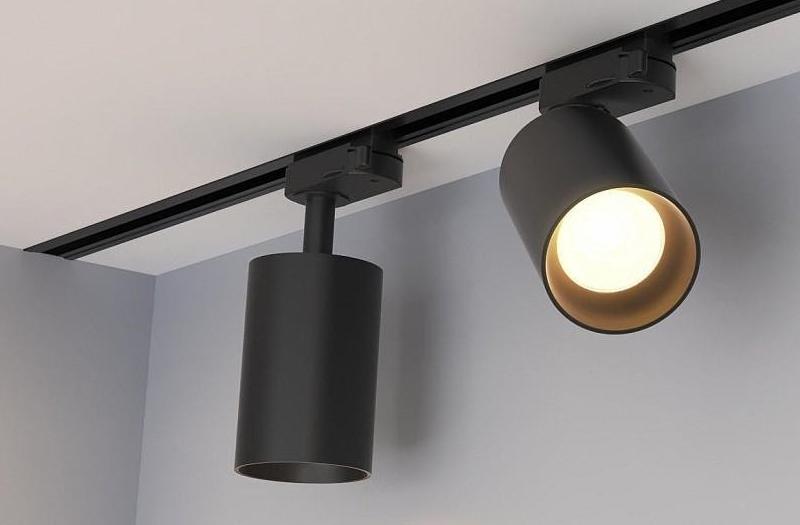
- Current-carrying tires (track lamps). Several shades are placed on one rod, the position and direction of which can be adjusted.
- Nightlights create a subdued backdrop in the bedroom. Can project images onto ceilings and walls.
- Lamps for ceilings "Armstrong".Their size matches the size of the plates, so installation is simple and does not require special equipment.
It is worth combining different types of lamps, this will create a comfortable environment and save electricity, since it is not advisable to constantly use a general lighting chandelier.
Views by light source
There are several types of lamps used in household lamps:
- Incandescent lamps. They have a small resource and consume the most electricity.
- Fluorescent lamps. There are options in the form of tubes, they are placed in industrial fixtures, and there are models with a standard base for domestic needs. Three times more economical than incandescent lamps and last longer.
- Halogen lamps installed in spotlights. They give a bright uniform light, a resource of about 3000 hours.
- LED light bulbs - the most economical. They are produced for different cartridges, during operation they heat up much less than analogues.
- Built-in LEDs are an interesting solution that has only one drawback. When light sources fail, it is often necessary to throw away the lamp, since it is difficult to find LEDs of the desired configuration.
- Combined - combine 2 types, usually light bulbs with a standard base and LED backlight.
Check the warranty period for lamps and keep the receipt until it expires.
Types by the number of light bulbs
When choosing, it is necessary to take into account the specific radiated power of different types of lamps: LED - 3 W per m2, fluorescent - 8 W per m2, halogen - 11 W per m2, incandescent lamps - 18 W per m2. According to the number of lamps, lamps are divided into 2 types:
- With one lamp. Usually these are large lamps, floor lamps, sconces that diffuse or direct light, depending on the purpose of use. Quite powerful light sources are usually used.
- Luminaires with two or more lamps or LEDs. The number can reach up to several tens, it all depends on the design, lighting area and power of the elements.
Switch types
There are several options, each has its own characteristics:
- Keyboards. Allows you to turn on or off the light with one touch. There are options with several keys to change lighting modes or turn on lights in different rooms.
- Rope is installed in floor lamps and wall lamps.
- Dimmers are devices that adjust the brightness of lighting due to a rotating element.
- Touch - allow you to turn on and off the light with the touch of your fingers, adjust its intensity.
- Acoustic. The module responds to the clap of the palms, which is quite convenient. But at the same time, the system will work on any loud sounds.
- Remote. Allows you to turn on and adjust the light using a remote control or a smartphone.
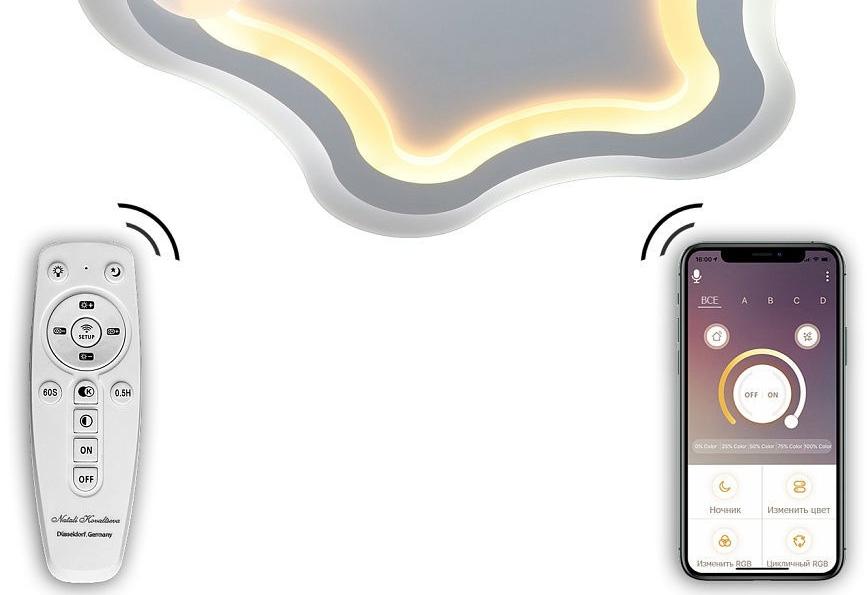
You can combine different types of switches for convenient lighting control.
7 simple rules for good lighting
Combination of different types of equipment
For high-quality and comfortable lighting of rooms, it is better to use more than one lamp, but to combine different types. This gives practical benefits, helps to decorate the interior and save energy. Combination options:
- A table or wall lamp in addition to a chandelier in the bedroom will allow you to read or do business without using the main light. In the same way, you can use the equipment in other rooms.
- Spotlights are suitable for the working area in the kitchen or in the room. They are used when necessary, as the chandelier will not give the desired quality of lighting.
- The backlight will highlight individual elements - paintings, sculptures, etc.
- If you correctly arrange wall and built-in lamps, you can not hang a chandelier.
- If you need to change the flow of directional light, use not spots, but a bar with several shades.
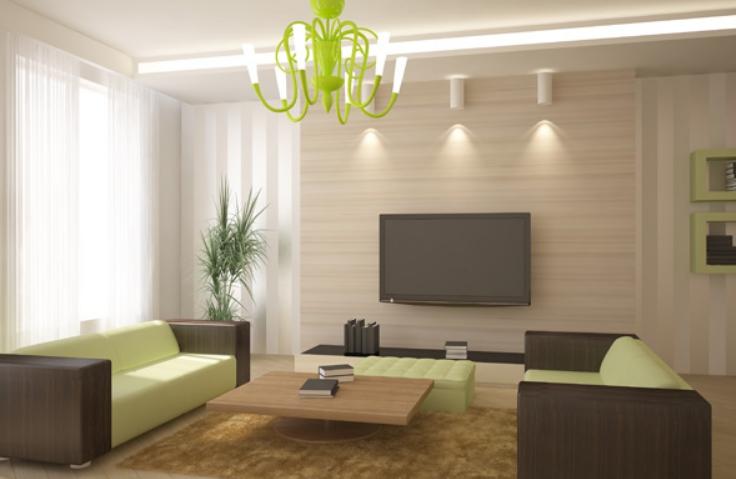
To ensure good quality lighting, you need to select lamps according to their power, as well as combine different types to illuminate the work area or recreation area. The equipment must be suitable for the situation, the size of the room must also be taken into account - the smaller it is, the more compact the ceiling lamps should be.