Features of LED lighting for museums, exhibitions and galleries
Lighting for museum halls differs from other options in a number of ways. Due to the light, you can focus on the objects of the exposition, create the necessary atmosphere and control the attention of visitors. At the same time, it is important to follow the basic rules established for this direction and use safe lamps.
What is the function of lighting in a museum?
In order to avoid mistakes when planning and installing lighting for museums or exhibitions, you need to understand what it is for and what tasks it should perform:
- Highlighting each exhibit and drawing attention to it. In this case, the lighting is selected so as to present the object in the most favorable light, but at the same time not disturb the perception.
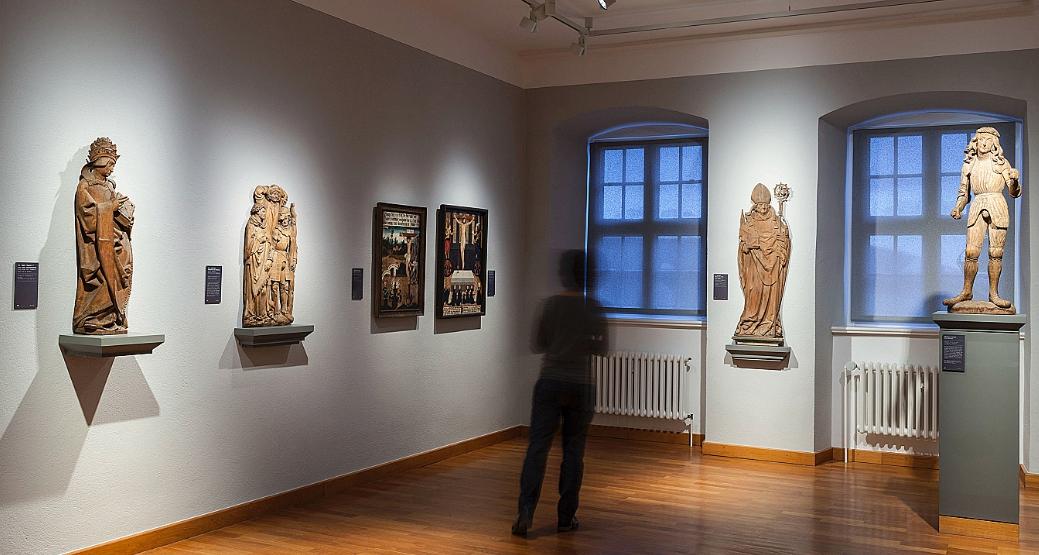
![Features of LED lighting for museums, exhibitions and galleries]() In the museum, the main focus of lighting is on the exhibits.
In the museum, the main focus of lighting is on the exhibits. - Ensuring good visibility for every person. This applies not only to the illumination of exhibits and other objects, but also to safety during movement and the allocation of all dangerous zones. When people are engrossed in exposure, they may not notice steps, floor height differences, and other nuances.
- Light should not damage the paintings and other exhibits. This can happen for two reasons - too much radiation has a bad effect on paints or decorative coatings, or the heat emanating from closely spaced lamps will gradually destroy the surface.
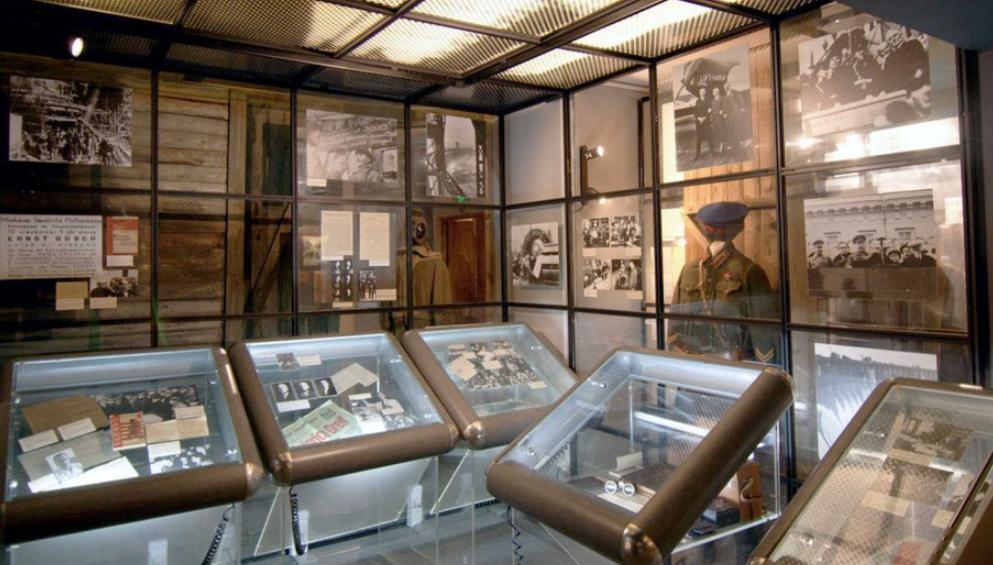
![The backlight can be installed in separate small modules.]() The backlight can be installed in separate small modules.
The backlight can be installed in separate small modules.
Pros and cons of diodes
Museum LED lighting has a number of advantages over other options that have made it the most popular today:
- Exhibit safety. LEDs emit almost no heat, so they do not adversely affect products. In addition, they operate from low voltage, which increases fire safety and eliminates fatal electric shock even if the wiring is broken.
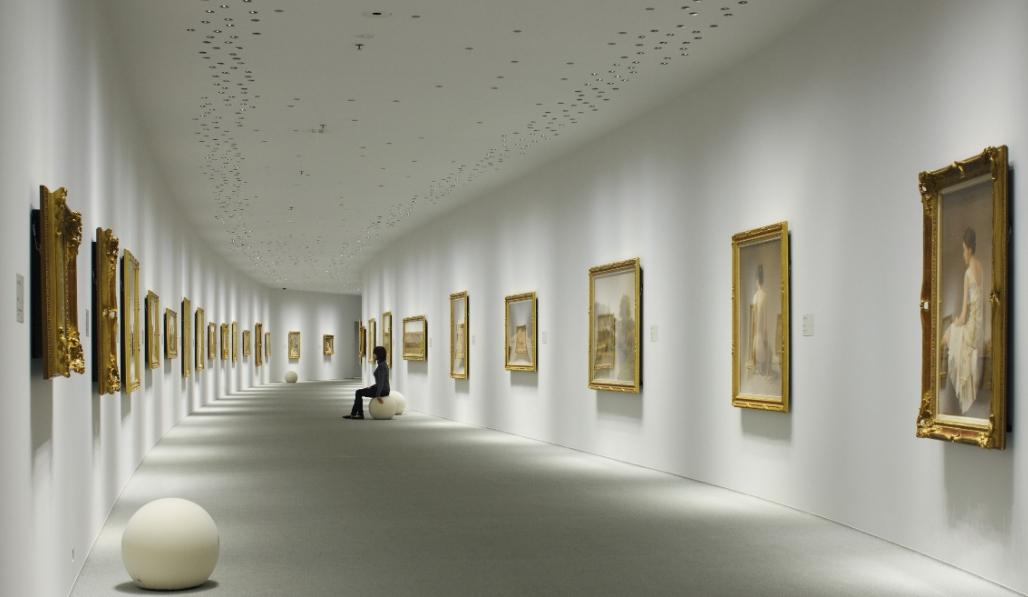
![LED lighting does not harm paintings.]() LED lighting does not harm paintings.
LED lighting does not harm paintings. - The lowest electricity consumption of all options. LEDs provide economical lighting, while the quality will be higher than that of analogues.
- Adjustable brightness and color temperature. This is an important advantage for museum lighting, as it is possible to find the best mode for each exhibit using the same fixtures. Adjustment takes a minimum of time.
- The resource of the equipment is from 50,000 hours or more.This is the most durable solution that will last for years even if it is always on.
LED lamps are compact and can have different sizes and shapes, which is also important for museums and exhibitions.
Among the shortcomings, a rather high price of equipment is distinguished, but if we take into account the large resource and low power consumption, then all costs quickly pay off.
What to consider when installing light
When planning lighting at exhibitions, first of all, it is necessary to take into account the following aspects:
- Decide what impressions this or that object or image should cause. Here you need to rely not only on your own feelings, but also on the author's idea.
- Follow a single concept for the entire exhibition, take into account the specifics of the products presented.
- Consider availability natural light, if it is, as during the day it will affect the perception of the exhibition.
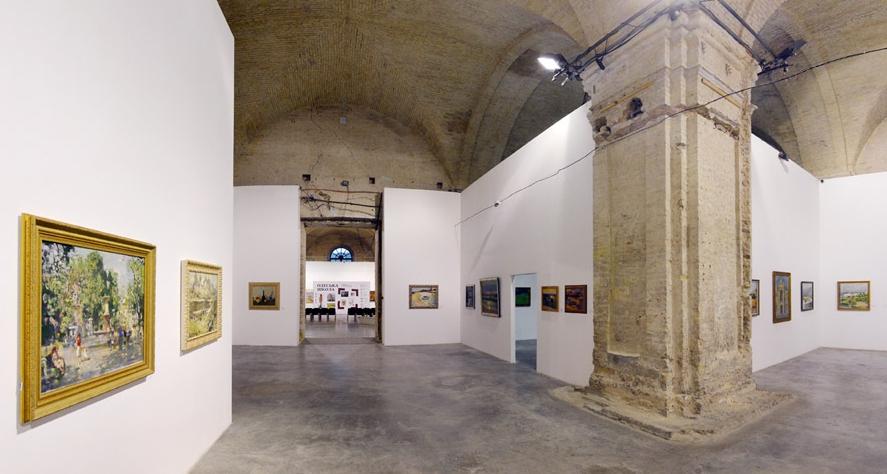
![Natural color rendering]() Natural color reproduction is an important requirement for exhibition lighting.
Natural color reproduction is an important requirement for exhibition lighting. - Interior color scheme and design. You can not lose sight of the environment and its features. The dimensions of the rooms and their proportions are also important.
Impact on exhibits
Any lighting can harm paintings or other products, as it radiates heat and a certain spectrum of waves. Worst effect on paint ultraviolet and blue radiation, so it is better to exclude them from the spectrum.
In this regard, they are ideal LEDs, since it is easy to adjust the color with them and minimize all negative effects. In addition, they do not get very hot, so the lamps can be placed at a fairly close distance.
attention management
Due to the brighter selection of a separate area, it will not be difficult to draw the visitor's attention to it. This allows you to set the general direction of movement so that people move from one object to another in a certain sequence. With proper arrangement, the elements are perceived as part of a single collection, and not as separate fragments.
You should not be too zealous when choosing the brightness of the light, as you need to attract attention, and not create discomfort for vision or distort perception due to improperly selected color temperature.
Light direction and shadow
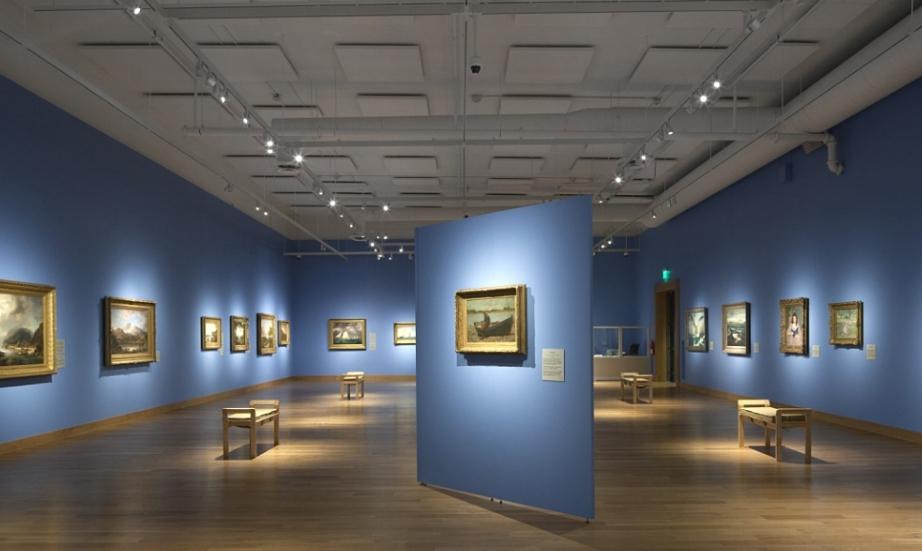
Light comes from a certain object, which is placed on top, side, front or any other side. Due to this, perception changes, so it is often necessary to have several lamps from different sides in order to correctly highlight any element or picture.
Exhibition objects should not be obscured by people passing by. You also need to take into account the natural lighting in the gallery, if any, as the rays of the sun can disrupt the harmony of light and distort perception or create visual discomfort due to glare and reflected rays.
Established standards for museum lighting
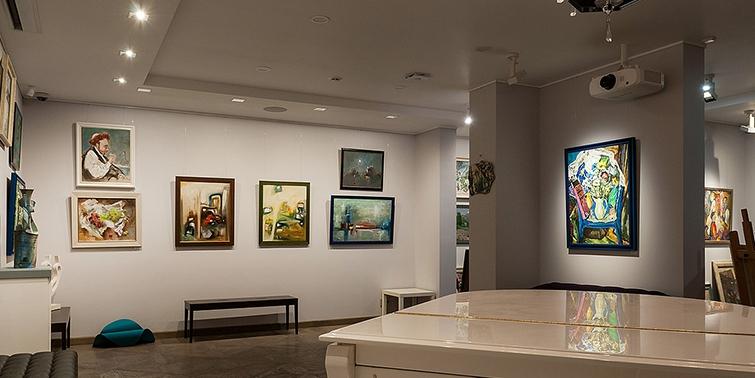
- For watercolor, textile and newsprint, the minimum illumination is 50 suites.
- Oil paintings are illuminated with an intensity of 150 Lux.
- When demonstrating jewelry and metals, the norm 500 lux.
By the way! Today, an important point is to reduce the proportion of ultraviolet radiation in lighting.
Integration of natural and artificial lighting
If there are windows in the room, and natural light does not harm the exposure, you need to arrange the objects so that they are not illuminated from the windows. To control the intensity of lighting, blinds are most often placed on window openings or blackout curtains are hung.
If paintings or other items that are afraid of ultraviolet radiation are hung in the hall, then it is better if there are no windows at all. The openings are closed with thick screens, and a reflective film is glued to the glass.
Techniques used in the lighting of museums, art galleries and exhibition halls
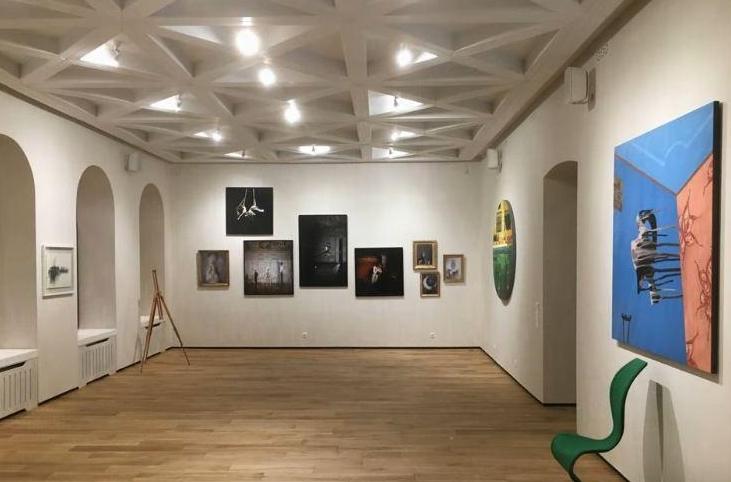
There can be a large number of options, it all depends on the characteristics of the exhibition. There are key areas to follow:
- The contrast of light and shadow to draw attention to the subject.
- Highlighting against the general background due to the unusual angle of incidence of light.
- Dynamic backlight - suitable for modern exposures.
- A slight difference in lighting if the room is bright.
- Ensuring uniformity of light incidence over the entire area of the object.
- Cycling brightness.
It is best to develop a general concept and stick to it.
From the video you will learn: 4 secret lighting techniques for the interior of the museum and the store on track lights.
Lighting for museums and exhibitions should highlight all objects, draw attention to them, but at the same time not damage the paint or material of manufacture. It is important to follow the established norms and not to put the lamps too close.