Features of the blue lamp for warming up
Description of the blue lamp
The so-called Minin lamp is a tungsten filament in a flask made of cobalt blue glass with a power of 60 watts.
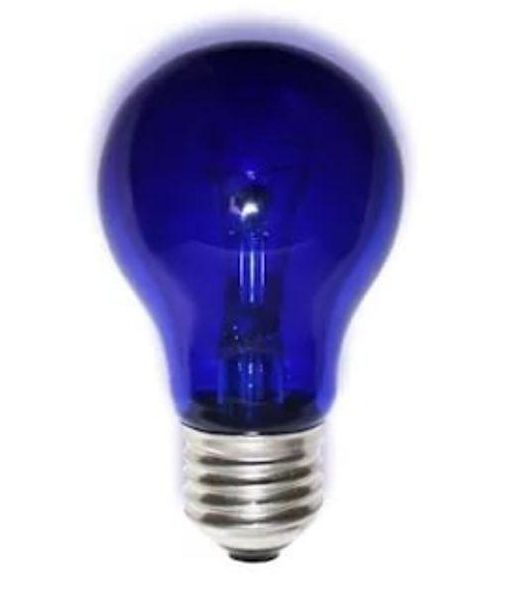
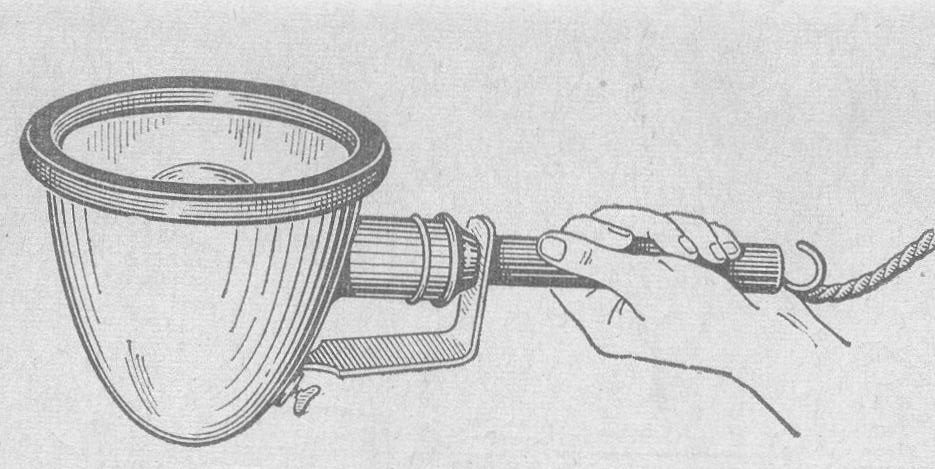
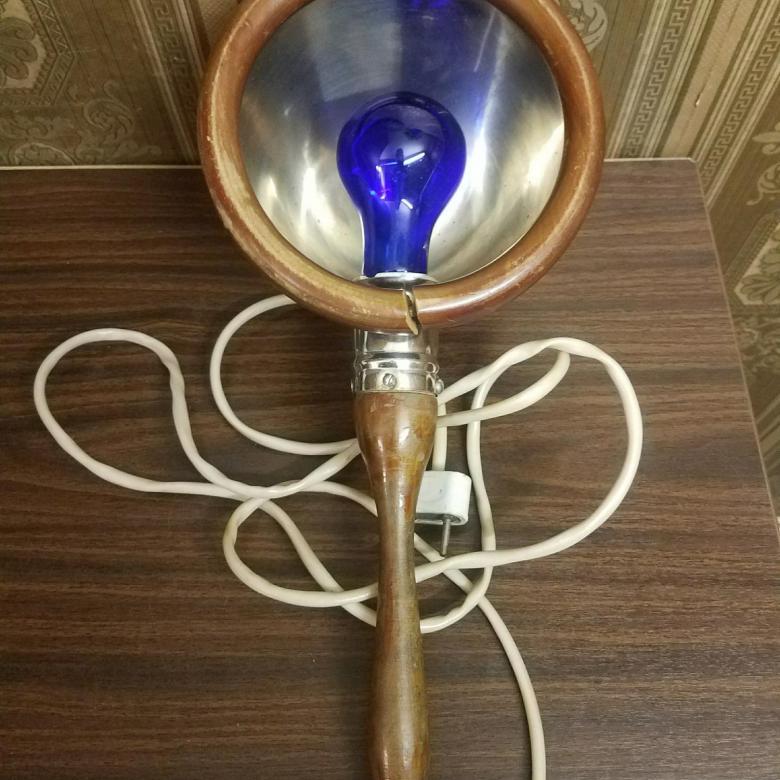
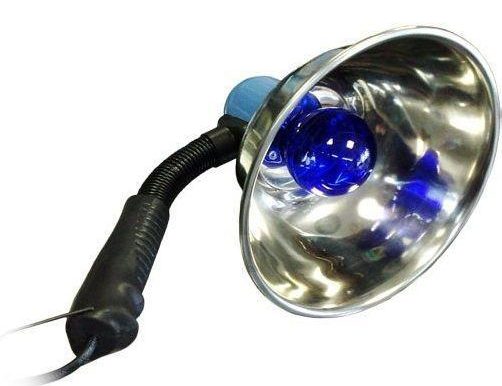
A standard E27 base is installed in a socket mounted in a metal reflector with a handle made of plastic, wood or metal. The device is simple and uncomplicated, it operates on a 220 volt network, to which it is connected via a cable with an electrical plug. The device got its name in 1900 due to the publication of the scientific work of the Russian military doctor A.V. Minin on the topic of light therapy for injuries, neuralgia, muscle and joint pathologies accompanied by pain.
In his works, Minin indicated that he used the achievements of other medical scientists - G.I. Gachkovsky and S.F. Stein, and the design of the device was invented by doctor D.A. Kessler in 1891Nevertheless, the blue warming lamp in medical circles began to be called the "Minin reflector", and this definition has remained so to this day. The peak of popularity of the device came in the days of the USSR. The Ministry of Health strongly encouraged its use in home treatment. It is known that the government compensated the plant for the cost of manufacturing reflectors in order to reduce their market value and increase accessibility for the Soviet consumer.
Principle of operation
The operation of the device is based on electromagnetic radiation of the infrared spectrum. According to the manufacturers, the operating range of the lamp lies in the range of 780-1000 nanometers. The blue color of the glass was chosen for the following reasons:
- filtering the visible spectrum of the glow to facilitate its perception by the eyes;
- somewhat deeper penetration of blue waves into tissues;
- therapeutic and aseptic effect of the blue glow.
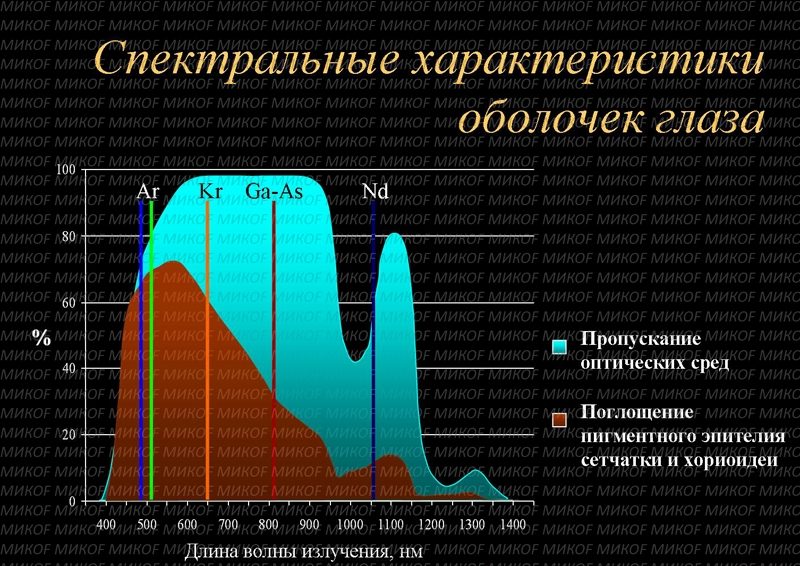
Regarding the second and third factors, there is a lot of conflicting data. If during the USSR studies were carried out regarding the effectiveness of blue light, then their results have not yet been published.
Blue should not be confused with ultraviolet. The UV range is not visible to the human eye, and its spectrum does not exceed 400 nm.
The design of the lampshade works on the principle of a focusing reflector. Modern reflectors are made of stainless steel, but Soviet products were coated on the inside with a layer of chromium, since this metal has the best reflection coefficient of the useful light spectrum after silver.
What is it used for
The Minin reflector has become one of the simplest devices allowed for home treatment when dry heat is indicated. In particular, such pathologies and conditions as:
- lesions of the peripheral nervous system with severe pain syndrome - neuralgia, neuritis in remission;
- diseases of the musculoskeletal system of non-infectious genesis without signs of acute inflammation - myositis, arthralgia, arthrosis, sciatica, osteochondrosis, spastic myalgia;
- injuries in remission - bruises, sprains, muscle pain after exercise;
- trophic ulcers, aseptic (non-infected) and contaminated (without signs of suppuration) wounds in the regeneration phase;
- diseases of internal organs in the subacute or chronic stage - sinusitis, otitis, sinusitis, mumps, tonsillitis, bronchitis;
- non-infectious lesions of external tissues - chalazion (barley);
- depression, increased nervous excitability.
In the hospital, it is used in the version of the Sollux lamp for the relief of complications in burn syndrome, extensive frostbite in the proliferative stage.
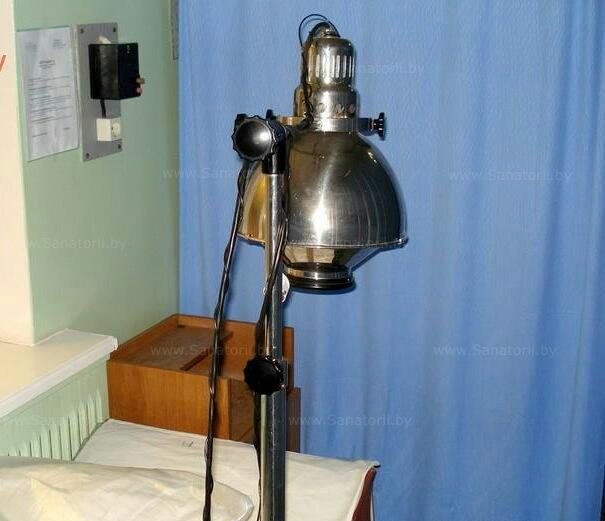
Considering that an incandescent lamp emits not only the infrared spectrum, but also the visible one, including a small fraction of the blue spectrum, bordering on the ultraviolet, Minin's reflector is credited with some antibacterial and bacteriostatic effect.
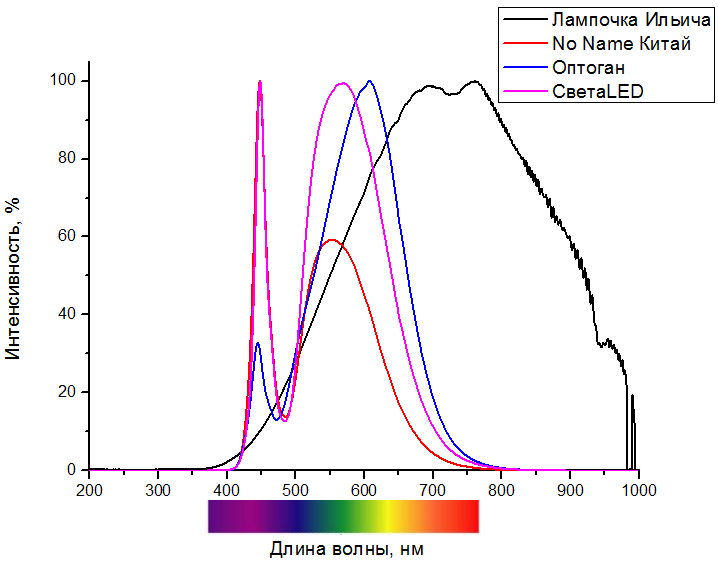
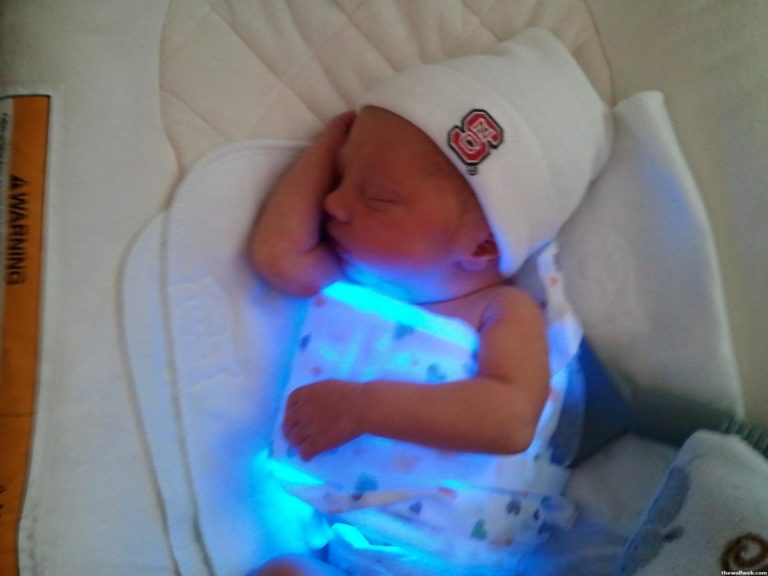
The graph shows that the UV radiation from the incandescent lamp is practically absent. Therefore, there is no reason to believe that there is a pronounced antiseptic effect, the peak of which falls on aggressive ultraviolet in the region of 254 nm.The same applies to the possibility of using the Minin reflector for the treatment of neonatal jaundice in newborns, for the treatment of which the radiation peak should lie in the range of 400-500 nm. In relation to the prevailing opinion about the possibility of using blue light for growing plants, a graph is given of the susceptibility of plants to various waves of electromagnetic radiation.
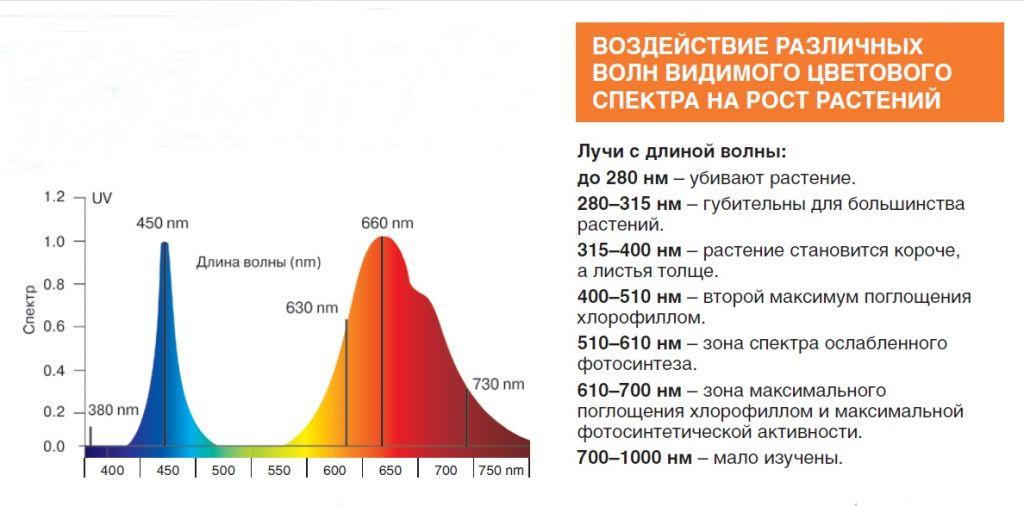
Based on the presented data, it is logical to conclude that the efficiency of the Minin lamp, the peak of which is at 780-1000 nm, and the visible range is limited to blue, is clearly not enough for full-fledged photosynthesis.
The effect of heating
The main healing factor of the Minin reflector is heat. However, it was noted that the heat infrared radiation affects biological organisms differently than contact heat from a heating pad applied to the body. Under the influence of electromagnetic radiation of the IR spectrum, aqueous solutions, which include biological fluids, including blood and lymph, change their structural and phase state. Infrared rays are absorbed by the liquid structures of tissues, enter into resonance with them, causing vibrations with the release of endogenous (internal origin) heat. That is, not so much the lamp heats the fabric (although this too), but the fabric releases heat, then heating the underlying layers.
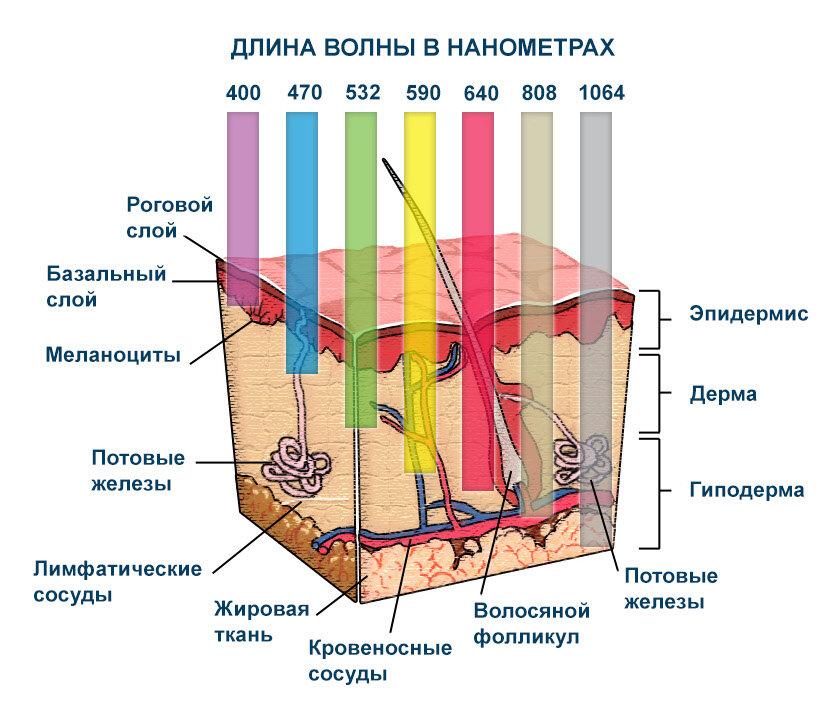
Heat from IR radiation has local consequences:
- enhancing the biological activity of cells and accelerating biochemical reactions;
- increased fermentation and glandular action;
- acceleration of blood flow and increased blood supply;
- acceleration of cell growth, and, as a result, regeneration;
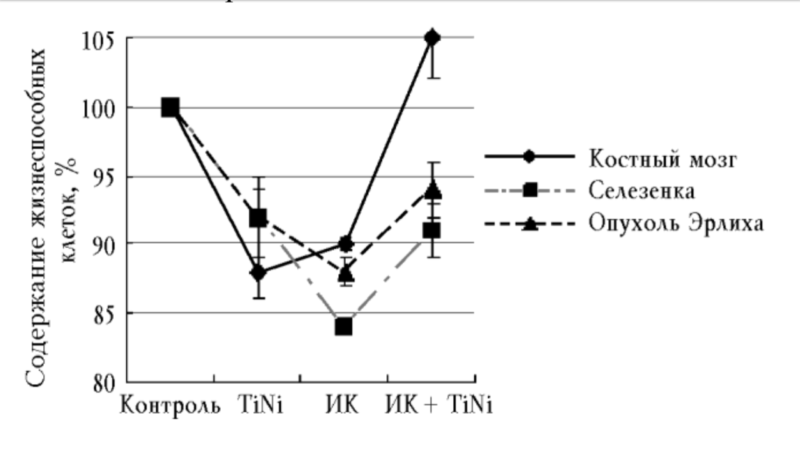
- removal of muscle and vascular spasms;
- reduction of pain syndrome;
- release of biologically active substances, including histamine in the skin.
The general effect of infrared rays is associated with deep tissue heating and is mainly reflex in nature:
- body temperature rises;
- sweating increases;
- increased systolic and decreased diastolic blood pressure;
- the tone of the autonomic and sympathetic nervous system decreases;
- blood is redistributed in tissues and vessels (toward the heated area);
- the percentage of eosinophils in the blood increases.
Some authors note an increase in the overall resistance of the body after a course of treatment with the Minin lamp. This effect is rather secondary, arising against the background of complete rehabilitation after the underlying disease and is not directly related to the immunostimulating effect of blue light.
How to choose
The original design of the times of the USSR implies holding the lamp in the hands, so the reflector must be equipped with a protective heat-insulating border along the edge of the lampshade.
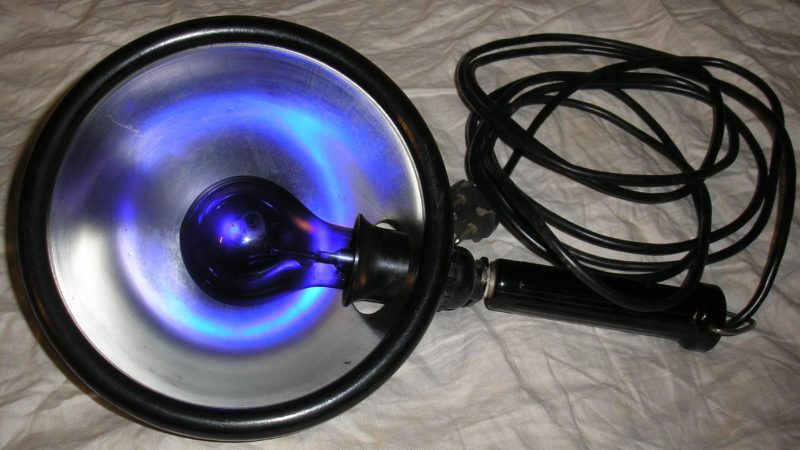
This border prevents burns if the edge of the reflector accidentally touches the skin.
In modern modifications, this protection is rare, but some manufacturers make the handle bendable to allow self-heating of the back.
Some samples are made on the principle of a table lamp with a holder attached to the edge of a table, shelf or tripod.
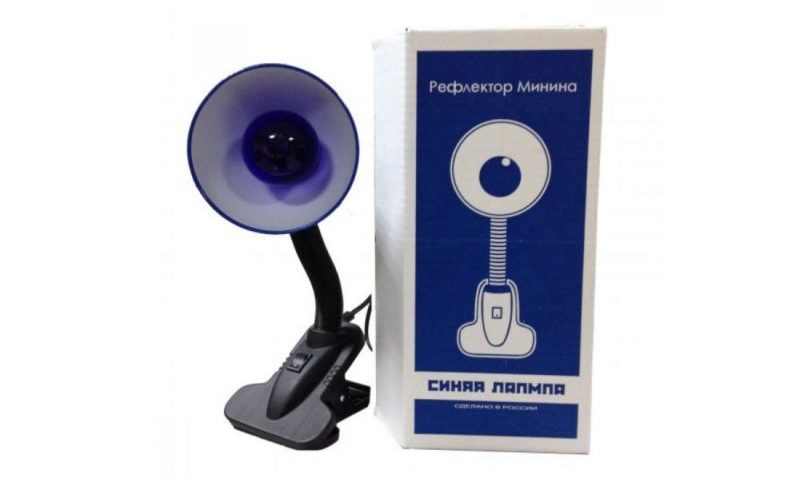
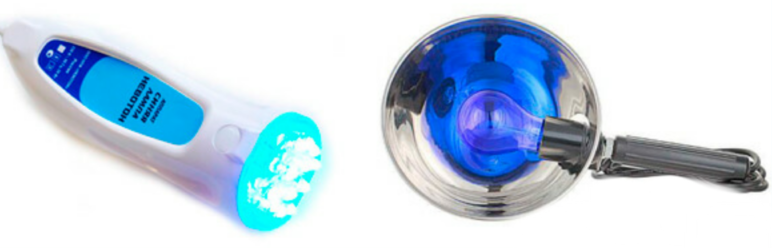
When choosing a device, the most important factor is the dimensions of the reflector. With an increase in the diameter of the reflector, the temperature of the irradiated surface decreases, but its area increases. The average diameter of the plafond lies in the range of 180-200 mm and allows you to warm up any parts of the body. The light source must be blue. An ordinary transparent lamp, of course, will also heat. But even taking into account all the contradictions, one should take into account the effect of blue light, described by Minin himself, a practicing doctor and an honored surgeon. There are modern analogues that work on blue LEDs. The infrared spectrum of LED-elements is insignificant, and the therapeutic effect is entirely tied to the color of the glow.
Instructions for use
Before the session, the integrity of the structure and insulation of the wire is checked. The floor and furniture on which the patient is located must be dry. It is desirable to exclude sources of noise and other irritating factors. It is allowed to include music or an audiobook. The algorithm for using the device is as follows:
- The patient is in a comfortable position.
- The device is connected to the network.
- The reflector is directed to the diseased area of the body and placed at a distance of 30-50 cm from the skin surface.
- The distance and dosage of irradiation are adjusted according to the patient's feelings. Heating the skin should be comfortable, without a burning sensation.
- At the end of the session, the device is disconnected from the network.
Avoid touching the reflector and the lamp during the session and 10 minutes after it, until the heated elements have completely cooled down.
Note! Minin's lamp is used only in cases where dry heat is indicated and only as an addition to the main complex of treatment prescribed by a doctor.
Warming up the nose
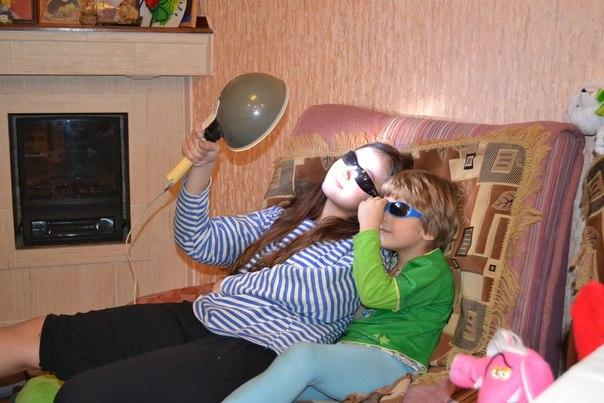
It is permissible to warm the nose in case of sinusitis - runny nose. To do this, a bandage is put on the eyes, the reflector is directed to the nose area at a distance of no closer than 20 cm. The number of sessions per day averages 4-5 repetitions with a duration of 20-25 minutes. The course of treatment continues until the symptoms disappear completely. After warming up, access to the cold is excluded for 30 minutes.
Application for sinusitis
Modern guidelines exclude the use of heat for the treatment of diseases accompanied by accumulation of pus in the lesion. This is due to the fact that in heat, the reproduction of pyogenic bacteria accelerates, and if it is impossible to remove the purulent contents from the focus, complications arise that require urgent surgical intervention. In most cases, sinusitis has a bacterial etiology, and the use of the Minin reflector is possible only with complete patency of all sinuses. Since it is impossible to find out this fact without a clinical examination, it is better to avoid self-treatment with heat in this case.
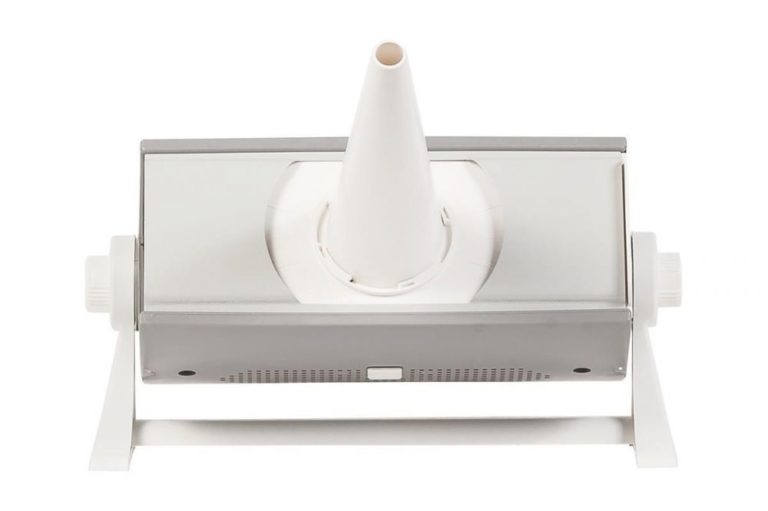
Ear warming
Permissible those in cases where dry heat is indicated. For example, in the treatment of mumps (mumps), a blue lamp replaces a heating pad wrapped in a cloth.
How to treat otitis media
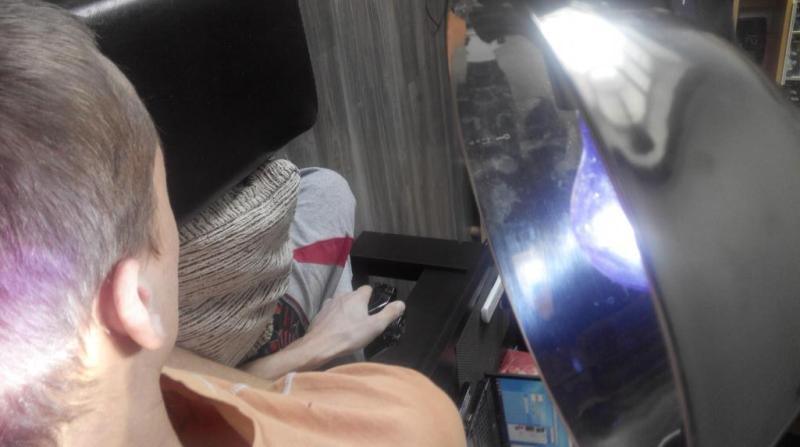
The Minin reflector is used to treat otitis externa and otitis media in cases where there is no discharge of purulent contents. To do this, the auricle is warmed up for 20 minutes 2-3 times a day, then a warming bandage or scarf is applied to the ear area.
Important note! Inflammation of the inner ear in the initial stages proceeds without discharge, but in the future, the accumulation of pus can damage the eardrum, depriving the patient of hearing. In this regard, the treatment of internal otitis is allowed only under the supervision of a doctor.
Warming up the throat
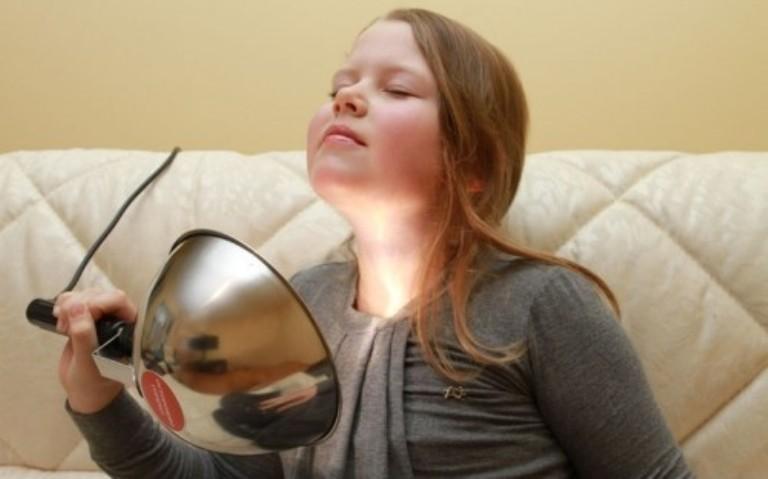
Heat treatment of purulent tonsillitis, diphtheria and other infectious diseases, accompanied by the formation of purulent plaque in the throat and swelling of the tissues, doctors prohibit. Blue lamp therapy for catarrhal tonsillitis, chronic and subacute tonsillitis is allowed, provided there are no disorders of the thyroid gland. To do this, the throat area is warmed up in sessions of 20-25 minutes 3-4 times a day. After each session, the throat is wrapped in a scarf. Exit to the cold immediately after warming up should also be excluded.
Bronchitis treatment
Blue light in the treatment of chronic bronchitis is used instead of mustard plasters and cans. To do this, the bronchial area (upper chest) is warmed up for 25-30 minutes several times a day and at bedtime, after which the patient wraps himself in a blanket for 1.5-2 hours.
For acne
As an independent remedy for acne, the Minin device will not give any significant effect, since the incandescent filament practically does not emit ultraviolet range. With short-term use, the lamp slightly dries the skin, improves microcirculation in the tissues. Prolonged exposure, on the contrary, leads to the activation of the sweat glands, which is undesirable in such a pathology as acne. In this regard, it is recommended to irradiate the affected areas of dry and clean skin in short sessions no longer than 10 minutes.
Recommendations for use for children
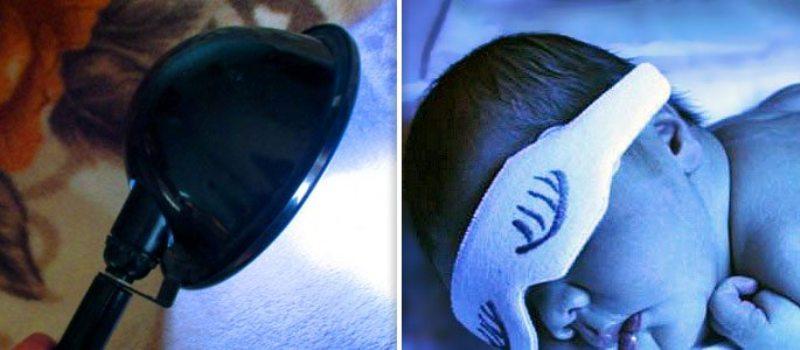
To avoid burns and electrical injury, children should not be trusted to use the blue lamp without adult supervision. In addition, the following instructions must be observed:
- the device holds the adult throughout the session;
- the distance is adjusted depending on the temperature of the irradiated area. The skin should not be hot to the touch and visually hyperemic;
- a bandage is put on the child’s eyes or a hat is lowered;
- an adult makes sure that the baby does not hook the device with his hand or foot.
After turning off the hot reflector is taken to another room to cool.
Contraindications
The action of concentrated infrared radiation is absolutely contraindicated in such cases as:
- oncological diseases;
- pathology of the thyroid gland (local effect);
- vegetovascular disorders (when irradiating large areas);
- cerebrovascular accident (heating of the neck and head area);
- acute and purulent inflammatory processes (locally);
- varicose veins (local effect);
- pregnancy - exclude irradiation of the abdominal area.
Hyperemia (redness) of the heated area of the skin is generally not dangerous, however, patients with impaired thermoregulation and heat perception should use the device with extreme caution. All instructions are advisory in nature, and it is necessary to use the Minin lamp only with the approval of the attending physician.
The video will help you make a Minin reflector or a Blue lamp at home for warming up areas of the body with dry heat.
