Requirements and norms for the height of lampposts
The height of the lamppost depends on the purpose of the structure. Therefore, before installation, you should understand the basic standards in order to avoid mistakes and choose the option in accordance with the requirements. In addition, the material of manufacture is also important, since strength, resistance to adverse effects and wind loads directly depend on this.
Maximum and minimum height of lampposts
Technical requirements". It contains all the necessary data regarding the parameters of products and requirements for them. With regard to height, several aspects can be distinguished:
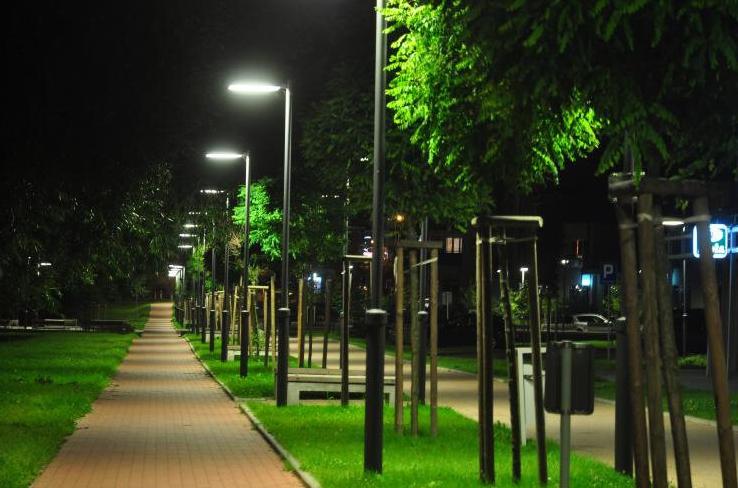
- Minimum luminaire height for pedestrian and park areas is 3 meters, while the maximum depends on the specific conditions. Usually it makes no sense to put lanterns very high, so the average size of the supports is 6 meters. For sites and large spaces, it is possible to raise the light sources higher to increase the area of illumination and reduce the number of fixtures.
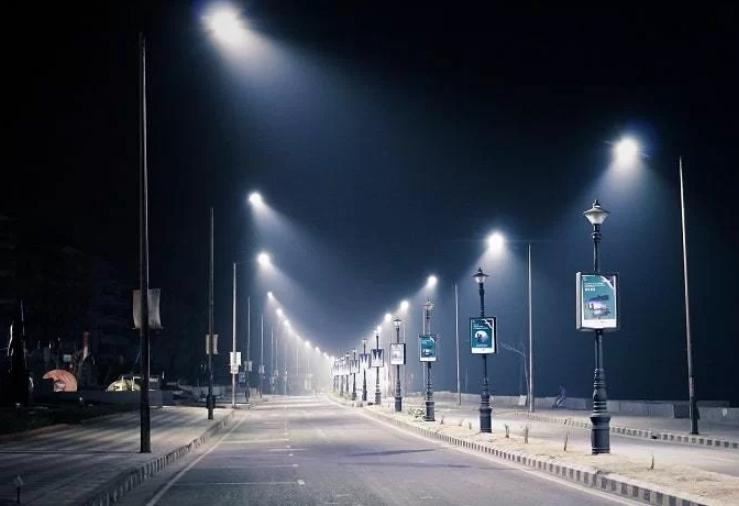
- For city streets, carriageways in all types of settlements, the minimum height of the pillars should not be less than 6 meters, this is the minimum required for the passage of medium-duty freight transport. As for the maximum most often, supports are made no higher than 13.5 meters. But in some cases, by special order, products up to 22 meters can be manufactured, most often reinforced concrete or galvanized steel is used for manufacturing.
![Requirements and norms for the height of lampposts]() On streets with car traffic, the height of the lamps should be much higher.
On streets with car traffic, the height of the lamps should be much higher.
By the way! The height of the lighting column is not only its above-ground part. If it is installed by concreting, then it is located in the ground from 120 to 300 cm, so the total length is greater.
What affects the height of the installation of fixtures
To deal with this moment, it is necessary to take into account a number of factors. This is the only way to determine the optimal location of the light source in order to ensure good visibility and eliminate any problems during operation. We must remember the following:
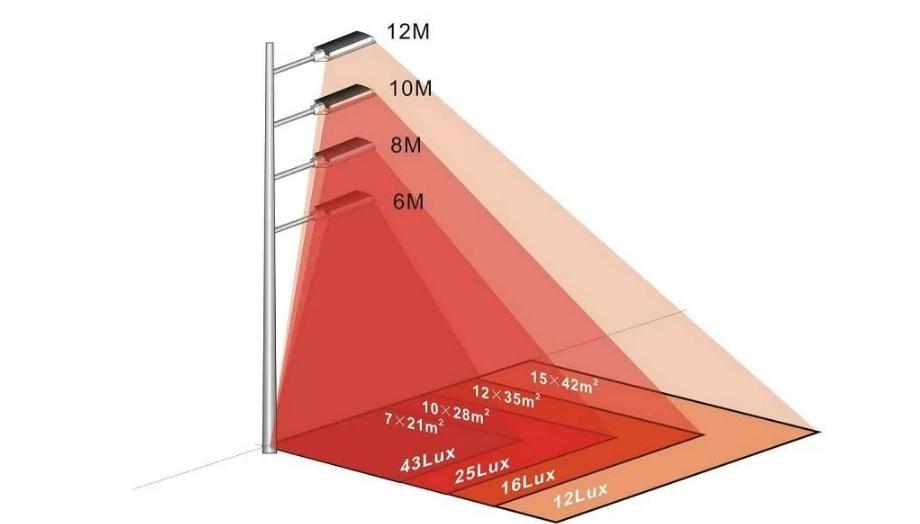
- Light flow luminaire to be mounted on a pole. The larger it is, the higher the shades should be placed in order to provide an optimal level of illumination and not create discomfort for the eyes. For automotive lighting usually range from 6 to 13.5 meters. With regard to pedestrian areas and private areas, for them choose a height of 3 meters, it all depends on the power of the lamp.
![The higher the lamp is located, the larger the area it covers, but the illumination decreases.]() The higher the lamp is located, the larger the area it covers, but the illumination decreases.
The higher the lamp is located, the larger the area it covers, but the illumination decreases. - Type of light source.If this is a special option with the distribution of the luminous flux over a certain area, then it most often needs to be mounted on a bracket in order to position it at a certain angle. When using a plafond that distributes diffused light in all directions, the height will be much less, since in this case it is not necessary to raise the light source for effective light distribution.
- production material. It all depends on the manufacturing technology. If it is possible to make poles of almost any height from metal - from half a meter or more, then concrete does not provide such opportunities, usually supports from 4 meters are made from this material. As for wood and composite materials, there are also different options, it all depends on the purpose of use and design.
If, after installing the lamp, it turned out that the light is too bright or vice versa, dim, you do not need to rearrange the lamp. The easiest way to replace the lamp is to choose the option with the right power.
Types of lighting poles in height
The height of the street lamp depends on the purpose and installation location. There are three main varieties, each of them has its own characteristics that you need to know:
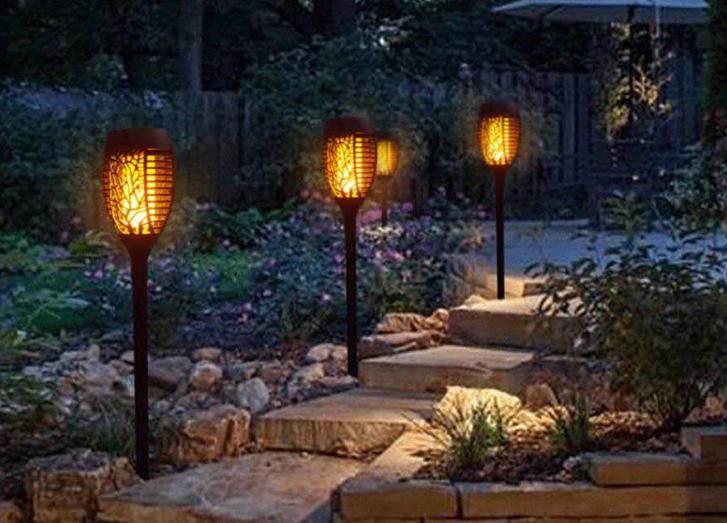
- Decorative, most often have a height from 3 to 6 meters, they usually use lamps floor lamp type. Plafonds can be from one to several, depending on the required brightness and installation location. This option is suitable for the private sector, as well as for park areas, alleys, footpaths, etc. Also, decorative supports are often used near public buildings, architectural structures, fountains, etc.
![decorative lanterns]() Decorative options can have different configurations and sizes.
Decorative options can have different configurations and sizes. - street may have a height from 6 to 12 meters and are used both in settlements of different sizes, and on highways. Most often, the lights are installed on special brackets that provide the optimal angle of incidence of light and its correct distribution along the roadway. Moreover, several lamps can be installed on the bracket, if necessary for high-quality lighting.
- Special options can be installed in places with special lighting requirements. They come in different heights from 15 to 50 m and are most often manufactured by special order in compliance with increased safety requirements. Usually, metal prefabricated structures are used for such supports, which are connected during installation by welding or bolting.
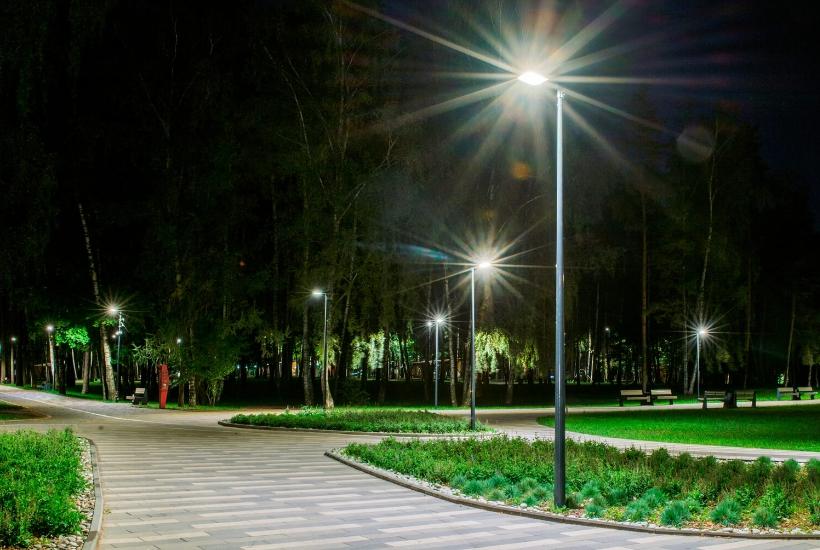
The height of the street lighting pole is adapted to the surrounding conditions, taking into account all objects that can interfere.
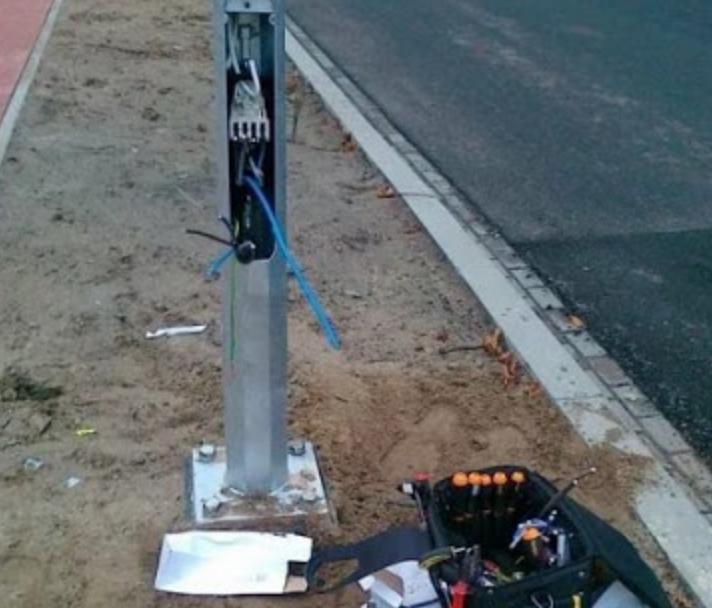
At what height on the support should the lamps be placed
There are separate standards prescribed in GOST and other documents that should be taken into account when determining the height of the lamp:
- For a summer residence or yard of a private house, you need to select the height based on the characteristics of the site and the goals of lighting. Usually, decorative supports are used for this, which can be decorated with decor. It is best to position the light source so that it is not accidentally damaged.
- When planning the installation of lanterns on the roadway, take into account the location of the trees, the crowns should not obscure the luminous flux.If trolleybuses are moving along the road, the minimum height of the lamps must be at least 9 m, for streets with tram tracks - from 8 m and more.
- It is also important to take into account distance between lampposts. The arrangement of supports should be such that the ratio of the height and spacing of the supports is no more than 1:7, and if a staggered installation scheme is used, then no more than 1:5. This allows for uniform illumination and no shaded areas.
![Requirements and norms for the height of lampposts]() To ensure uniform illumination, it is necessary to select not only the height of the pillars, but also the distance between them.
To ensure uniform illumination, it is necessary to select not only the height of the pillars, but also the distance between them.
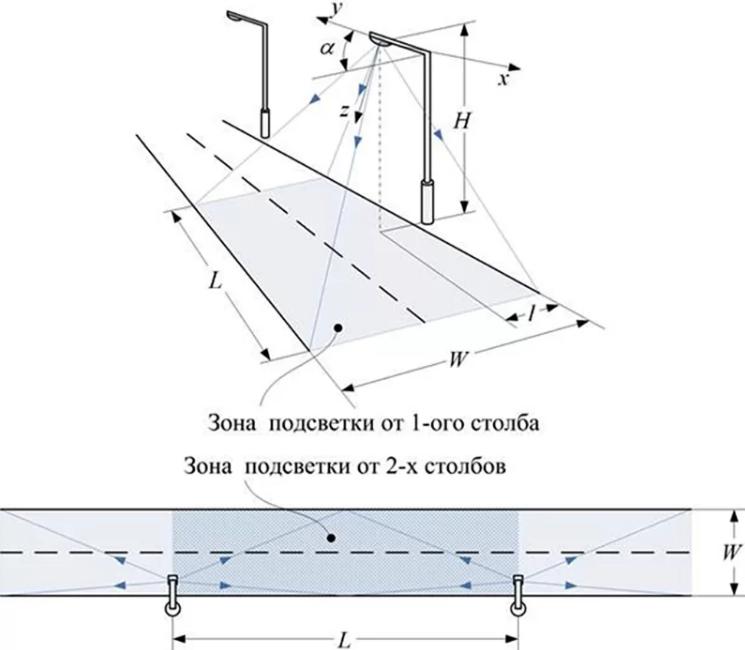
Lanterns should be placed above the roadway at a height of at least 6.5 meters. They should be on brackets facing the road or suspended from cables.
Installation height depends on the location of the lamp. So, on the highway they are put higher than in the city. There are no strict standards in pedestrian areas; here they usually proceed from safety and a decorative component.
