Types of LED TV backlighting - which is better Edge or Direct
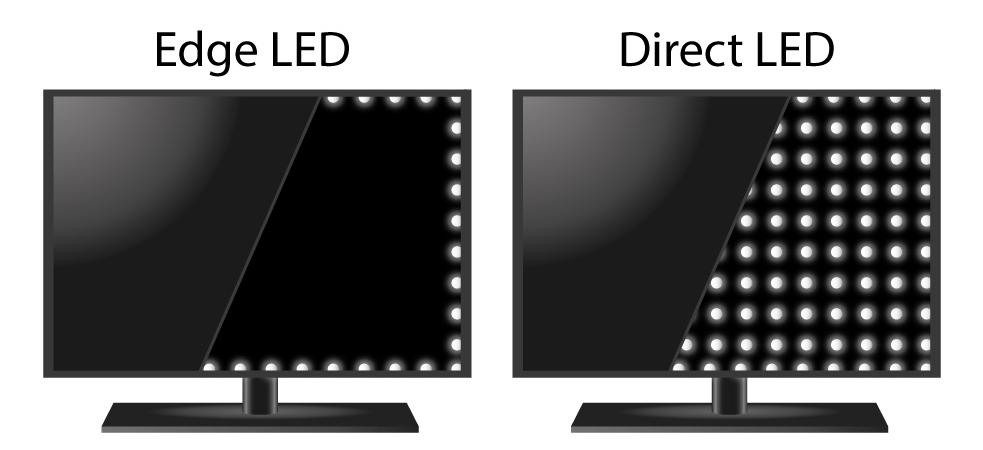
Many do not understand how the Edge LED backlight differs from Direct LED, but this point matters when buying a TV, so you need to deal with it separately. The image on the TV or on the monitor depends on the quality of the backlight and its type. Manufacturers are constantly improving systems, but there are two main options.
LED-backlit TV - what is it and why you need it
To understand the purpose of the backlight, you need to understand the device of the screen. It consists of three main parts - a protective outer layer, a matrix of pixels and diodes. The protective layer prevents the matrix, which is the main element and transmits the image, from being damaged. But since it does not emit light, then in order to see the picture, the presence of a backlight is necessary.
Previously used compact fluorescent lamps - an analogue of those installed in lamps. But they were too voluminous and did not give the desired effect, so they were replaced by more compact and brighter LEDs. Through their use, manufacturers were able to reduce the thickness and weight of the screen, as well as reduce the energy consumption of equipment.
The quality of the backlight depends on the installed diodes, you should not buy the cheapest models.
Backlight types
To understand the features of the options, you need to understand the device of each. There is nothing complicated about this, since the system is simple and has a similar design regardless of the manufacturer of the TV or monitor and the release date. Of course, the device is constantly being improved to improve the effect, so the backlight in new TVs can be an order of magnitude better with similar characteristics.
Direct LED
This variety is used in both expensive and cheap models and has the following features:
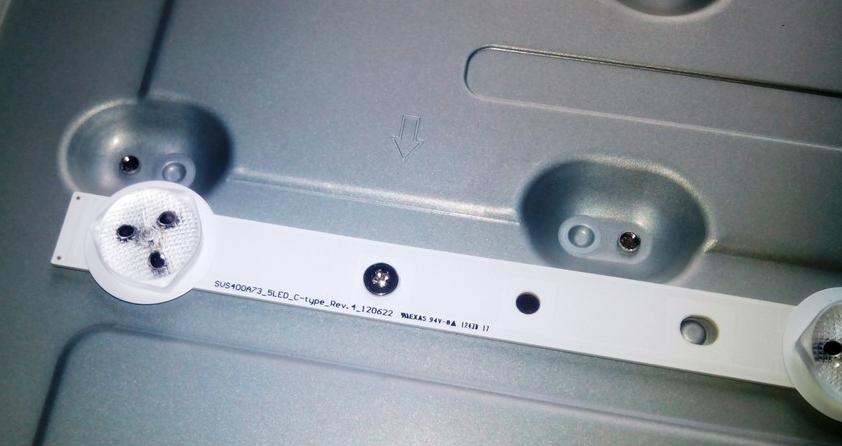
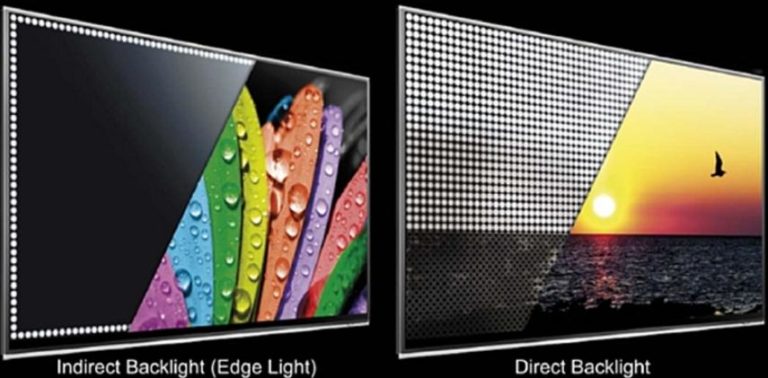
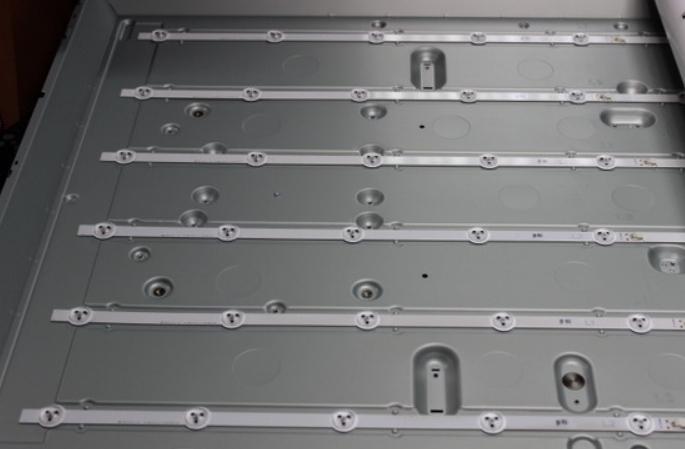
- The LEDs are located behind the matrix and are evenly distributed over the entire surface of the screen. This provides high-quality illumination, but its characteristics depend on the number of diodes. If 100 diodes can be installed in inexpensive TVs, then 1000 or even more in top models.
- To make the backlight more uniform and eliminate light at the locations of the LEDs, a diffuser is placed between them and the matrix. Most often, this is a matte sheet of small thickness, capable of distributing light from diodes evenly over the entire surface.
- The module with diodes is placed behind the screen, so such models always have a greater thickness than the second option.This does not affect the performance and service life in any way, but may be inconvenient when mounted on a wall.
By the way! Some models use FALD technology. This is the same as Direct LED, but there is an increased number of diodes on the surface, which provides better illumination.
Edge LED
This option differs from the previous one in the location of the LED block and design features:
- Most often, an LED strip is used, placed on the left and right side of the screen or on the top and bottom. For high-quality lighting, diffusers are used, which provide a uniform distribution of light throughout the matrix, the characteristics of the system largely depend on them.
- In expensive models, side lighting can be located on four sides, which increases quality and improves brightness. But at the same time, the accuracy of the location of the LEDs is important, if the geometry is violated or the diffuser is deformed, dark spots or lights appear on the screen, which are difficult to get rid of.
- Due to the lateral arrangement of light sources, the thickness of the screen is much smaller. This option is used in the manufacture of thin TVs, as well as computer monitors.
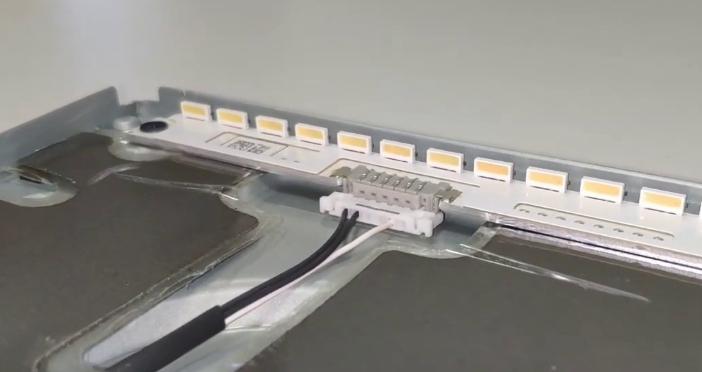
Video: Visual demonstration of Edge LED and Direct LED backlights.
Advantages and disadvantages of each option
To compare two solutions and understand the pros and cons of each, you need to compare the features of each and highlight the positive and negative sides.
| Backlight Direct LED | Edge LED backlight | |
|---|---|---|
| Advantages | Uniform illumination of the entire matrix due to the arrangement of light sources and the presence of a diffuser | High brightness and good image contrast. This applies to high-quality options with bright LEDs and well-tuned reflectors. Screens of this type are bright and well perceived by the eyes of people, delivering minimal discomfort. |
| Good contrast ratio, you can set the perfect image even on a large screen | The thickness of the screen is much smaller due to the lateral arrangement of the backlight, which allows you to make compact models without losing the quality of equipment and its performance. For example, the Slim Direct backlight means that the TV has an ultra-thin screen, many manufacturers name models in a special way, indicating their minimum thickness. | |
| Simple repair of the system due to the convenient location of the backlight unit. Such models are much easier to repair if the LEDs are out of order. | Due to the simplicity of the system, such models are often an order of magnitude cheaper, although it all depends on the manufacturer and the quality of the components. | |
| On a dark image, there are no highlights at the edges and in the corners of the screen. This is a very important factor for those who need a perfect picture. | ||
| When the matrix or case is deformed, the quality of lighting does not decrease, since the diodes are located at the back and such problems do not greatly affect them | ||
| Flaws | Large screen thickness due to the additional lighting module and lower brightness values. | Uneven illumination in some models, especially often this problem occurs over time, when the matrix is slightly deformed. Another common problem is light at the edges of the screen at the place where the diodes are installed. |
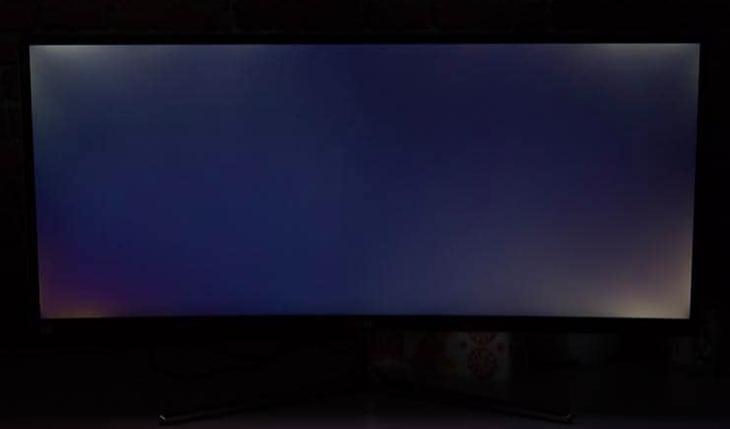
Which backlight to choose, on what factors it depends
To make a decision, you need to consider the conditions of use, the location of the TV or monitor, as well as a few additional recommendations:
- Slim body options are suitable for tight spaces as well as for direct wall mounting. This type is used where thickness matters and a thinner model is desirable.
- If the TV will be placed on the bracket at an angle, it is better to choose products with direct backlighting. The fact is that over time, the body can be slightly deformed, which, with side illumination, will lead to a violation of the normal illumination of the matrix.
- When choosing a variant with a lateral arrangement of diodes, it is worth checking the screen for glare even when buying. It is best to turn on the blue color, it is most visible on any problems.
It is better to give preference only to well-known companies with a good reputation.
At the end of the video, will help with choosing the right backlight.
Choosing the type of LED backlight in a TV or monitor is not difficult if you understand the features of each option and take into account the nature of the use of the equipment. The main thing is to purchase equipment from well-known manufacturers, this is the only way to guarantee that the declared characteristics will not differ from the actual ones.
