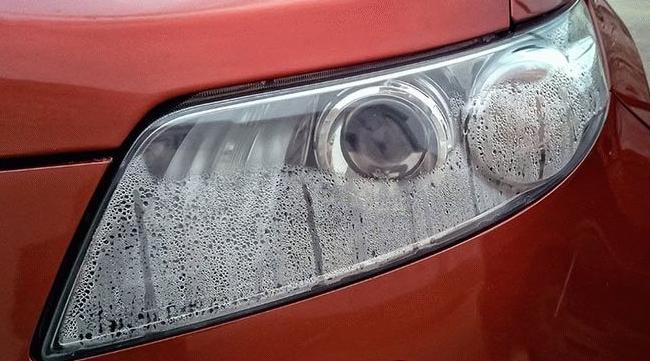
What to do when the headlights on the car sweat
Many drivers do not know why the headlight on a car fogs up from the inside and have been driving with such a problem for years. This not only impairs visibility, but also leads to accelerated wear of the elements - oxidation of contacts, damage to the reflector and contamination of the glass from the inside. It is worth dealing with condensate as early as possible, for this the cause is identified and the malfunction is eliminated.
Why do headlights fog up from the inside?
There may be several options, it all depends on the design features of the headlights, the mileage of the car and other factors. The easiest way is to deal with the main reasons in order to understand what to look for during the examination. The method of elimination depends on the nature of the problem, most often repairs do not take much time and are cheap.
Loose connection
One of the most common causes, especially in old headlights, where the plastic has lost its elasticity over time, and the seals have dried out and become hard. In this case, there may be different options, most often these are:
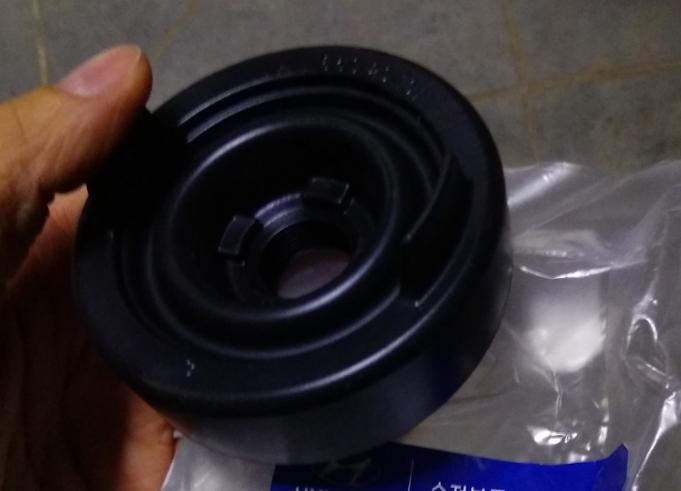
- Rear end caps not tightthrough which the lamps are changed. It is necessary to remove them and inspect the seal, usually over time it is pressed through and does not press against the body tightly enough. To solve the problem, you can apply a small layer of sealant around the perimeter and let it dry. The result is an elastic seal around the perimeter, which will fill all the cracks and prevent moisture from penetrating inside. If the layer is too thick, you can carefully cut it with a construction knife.
![What to do when the headlights on the car sweat]() If the rubber plug has lost its elasticity, it is better to replace it.
If the rubber plug has lost its elasticity, it is better to replace it. - Locks damaged or broken. Another common problem in older cars. Over time, the elements holding the covers break or crack, which prevents them from being properly pressed. In this case, the repair can be different - from soldering or gluing individual parts to installing homemade clamps or using strong tape so that they do not open due to vibration.
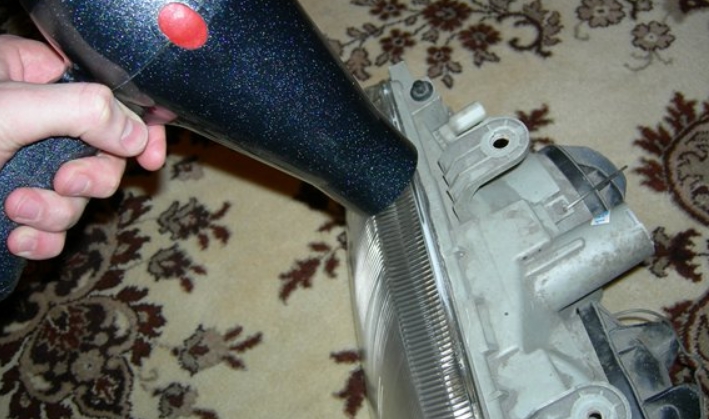
- The tightness is broken in the place where the glass is glued to the headlight housing. You can find this after removing the part. If the sealant is damaged in several places, it is better to remove the glass and re-glue it. In case of minor damage, they must be carefully sealed. sealant of a suitable color and allow the composition to dry before installing the headlight on the car.
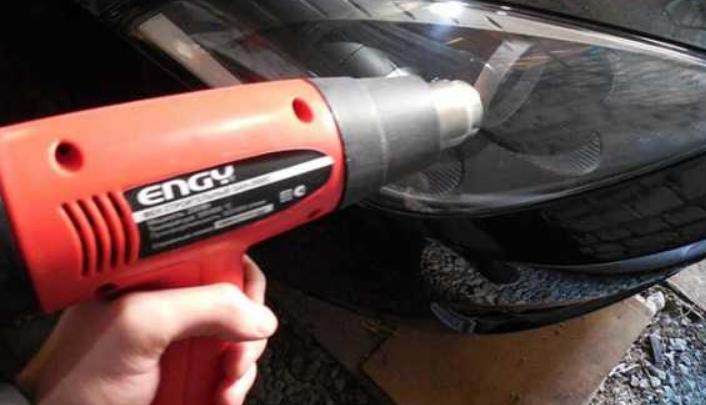
To remove glass with old sealant, it is best to warm it up with a building hair dryer, then it separates much easier.
Moisture penetration through check valve
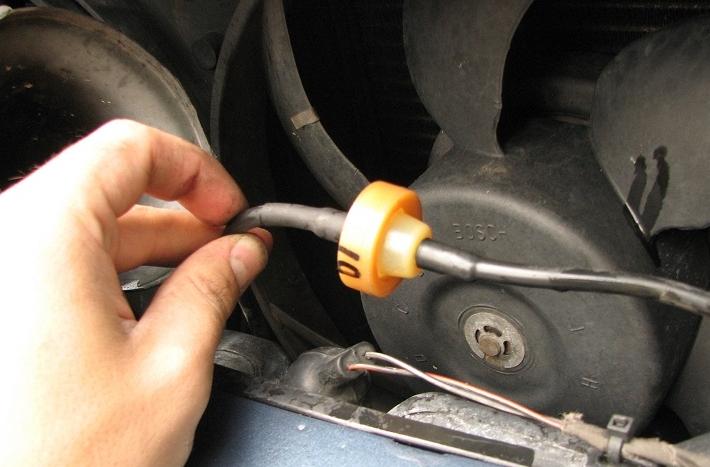
Since the bulbs in the headlights heat up during operation, the air expands and must be removed. Most modern machines use a non-return valve for this, which releases warm air, but does not let cold air in. The malfunction can be both in the valve itself and in the connections, it is worth inspecting them for cracks. Another option - tube damage or cracking, because over time it loses elasticity and becomes stiff.
Some headlights do not have a valve, but there are special ventilation holes on the body. Over time, they become clogged with dust and dirt and do not provide normal air exchange, which is why condensation accumulates inside. This is especially often observed in winter due to the large temperature difference inside the headlight and outside. You can fix the problem by cleaning the holes, they should be checked regularly, at least once a year, especially if the car often drives on dusty roads.
Violation of geometry during manufacture
If the headlights are fogged up on machines that have been used recently, then most often the cause is a violation of technology during production. This can manifest itself in different ways: poor bonding of glass to the body, design flaws, loose fitting of plugs, leaky joints, etc.
In this case, you should not make a headlight or taillight yourself. It is better to contact the seller so that the problem is fixed under warranty. Very often, such malfunctions are found on non-original cheap spare parts. Therefore, there is no need to save, it is wiser to buy quality products so that you do not have to remove the headlights and return them.
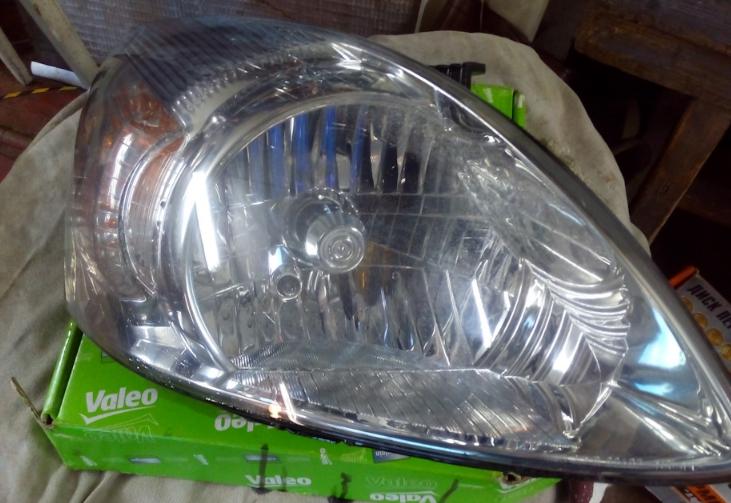
The easiest way is to read reviews about different brands from drivers. There you can find out typical problems and choose the option that causes the least complaints.
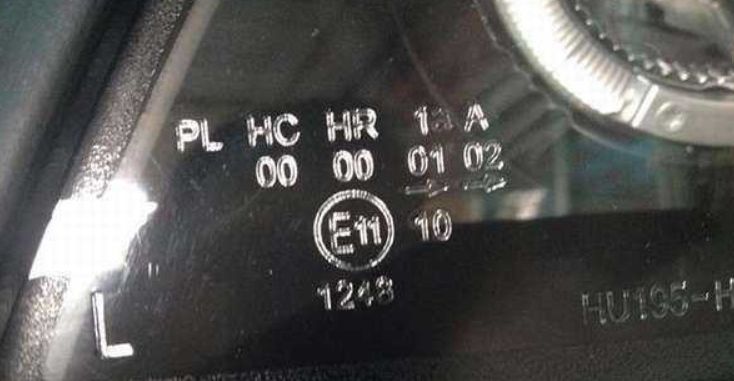
Depressurization due to cracks and broken glass
When driving, the glass of headlights or lanterns can be damaged by flying stones. Moreover, if large cracks can be detected, then small ones or those located in the lower part of the diffuser are invisible. Sometimes a thorough inspection is required to find damage. In this case, fogging is often observed after precipitation or washing the car. The easiest way to solve the problem is this:
- The damaged area is cleaned of dust and dirt. It is better to use a degreaser that does not damage the plastic. If there are fragments, they should be carefully removed, the headlight removed, put on a table or workbench and ensure convenient work and good lighting.
- For work, use special glue. On sale there are transparent compositions that are invisible on the glass and do not distort the light flux after drying. They differ in the volume of packaging and the degree of density. For thin cracks, liquid ones are suitable, for larger cracks, thick ones.
- The composition is applied strictly according to the instructions, it is impossible to violate the manufacturer's recommendations. After work, it takes from an hour to a day to dry, it all depends on the type of glue. When gluing, make sure that the glue does not drip inside, it can ruin the reflector and lens.
- After drying, you may need headlight polishingto remove excess glue. It will also help restore the transparency of the surface and improve the light.
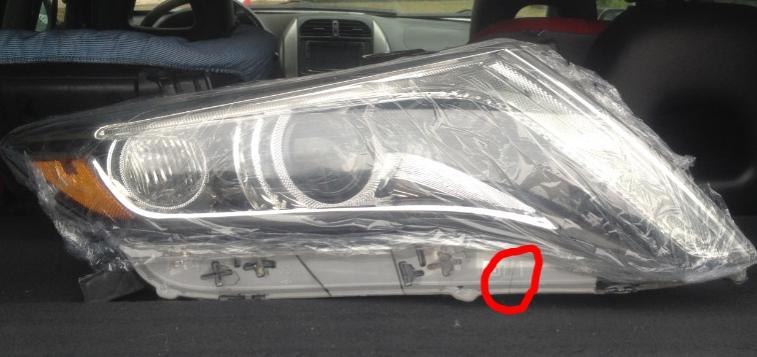
Should headlights sweat in a new car
Often in a new car, the headlights sweat from the inside. In many models, this is considered the norm and is written in the instructions., first of all it is worth looking for information there. Most often, the period of disappearance of excess moisture is from a week to a month. In addition, if condensation disappears after 5-10 minutes after turning on the dipped beam, this is not considered a malfunction.
If the headlights continue to sweat for several months, it is worth contacting the dealer for a replacement, as the design is clearly broken. Most often, such problems arise with new headlights in the cold, but if the fogging has not gone away in the spring, this indicates a malfunction.
This also applies to new headlights if they change. When buying, you need to clarify the issue of fogging in advance in order to understand in which cases it is worth contacting the store and for how long condensation is allowed to form inside.
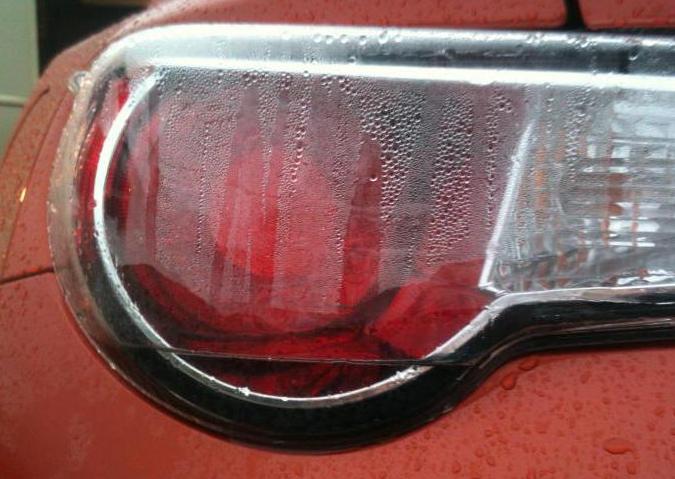
When it comes to rear lights, most often moisture inside is an indicator of a problem that needs to be addressed immediately. Usually, the tightness is broken or water enters the housing through the trunk drains, which quickly leads to the failure of the lamp.
If the instructions do not mention fogging headlights, the dealer must replace or repair them. Without official confirmation that condensation is acceptable, this is the basis for the elimination of the problem under warranty.
What to do when the headlight is fogged up
In some models, headlight fogging is a “disease” due to design flaws or poor build quality. If you do not solve the problem yourself, it will not disappear and will lead to accelerated wear and damage to parts inside the case.You can get rid of the problem in several ways:
- Place a bag of silica gel inside. It will absorb excess moisture and prevent headlights from fogging up. It must be placed away from the light bulbs to exclude the possibility of its movement. The easiest way is to fix the bag with a small piece of adhesive tape. This is usually enough for 3-6 months, after which you need to change the silica gel for fresh.
- Make an extra vent at the bottom of the case. Often regular breathers are not enough for normal air exchange. If this aggravated the problem, the hole is sealed with tape or sealed with autoplasticine.
- Remove caps from headlights and ride the day with open. Due to ventilation and heat from the engine compartment, the cavity will dry out. After that, the plugs are put in place, you can immediately put silica gel for reliability.
How to eliminate fogging without removing the headlight
If you need to quickly solve the problem, you can use one of the popular methods. You need to do the following:
- If there is a building hair dryer, you need to dry the glass well from the outside by opening the rear plugs. Since it heats the surface very much, you should not keep it very close. You also need to constantly move it over the surface, ensuring uniform heating.
- Put a thick cloth on the headlights, turn on the light for 5-10 minutes. It is not worth keeping more, as this can lead to overheating of the surfaces. After that, the moisture will disappear and you can go further.
On the road, you can use salt in a cloth bag as an absorbent material, this quickly removes moisture.
What to do if fog lights sweat in winter
LED bulbs heat up much less LED and xenon. When using them, the temperature difference is small, so the risk of condensation is the least. But if a similar problem appears in fog lamps with diode light sources, it is worth checking the body and glass.
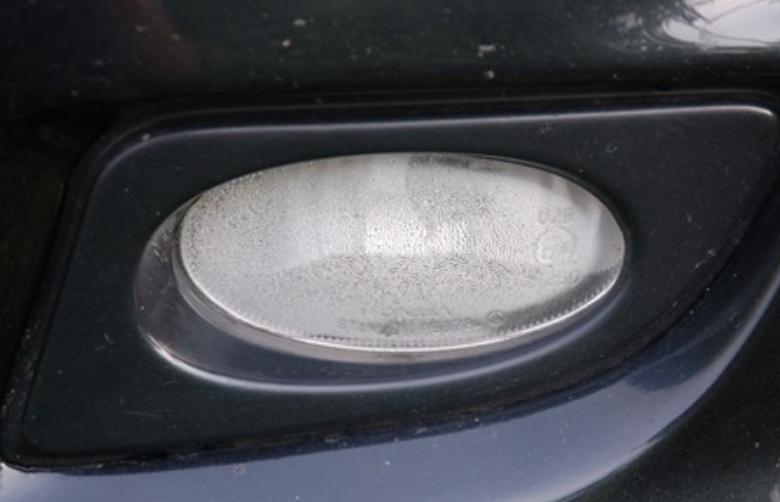
To begin with, the PTFs are removed and inspected for the presence of cracks, the integrity of the body and the tight fit of all joints. If there are signs of damage, they should be repaired. For reliability, you can put a bag of silica gel inside so that excess moisture is absorbed.
For clarity, a video for troubleshooting on popular models
Elimination on Renault Koleos.
Video instruction on the example of Lada Grant.
For Hyundai Solaris.
On the Lada Kalina.
Volkswagen Polo 2020.
Fogging of headlights is a malfunction that impairs visibility and shortens the life of bulbs and other headlight components. Therefore, it is worth fixing the problem in order to remove the condensate inside and ensure the normal operation of the lighting system.