What is a salt lamp for?
What is a salt lamp
The tendency to combine the beauty of the product with useful and even healing properties is fully justified. The Chinese have been particularly successful in this regard with their practice of Feng Shui and the use of plants, minerals, different palettes of colors to achieve a certain result. A salt lamp is one of the devices that combines the effects of several medical practices at once:
- speleotherapy - treatment with caves, in this case, salt;
![What is a salt lamp for?]()
- lithotherapy - treatment with minerals;
![What is a salt lamp for?]()
- chromotherapy - therapy with color and their combinations.
![What is a salt lamp for?]()

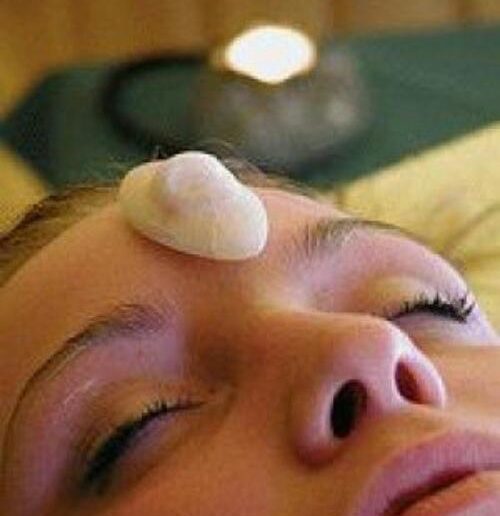
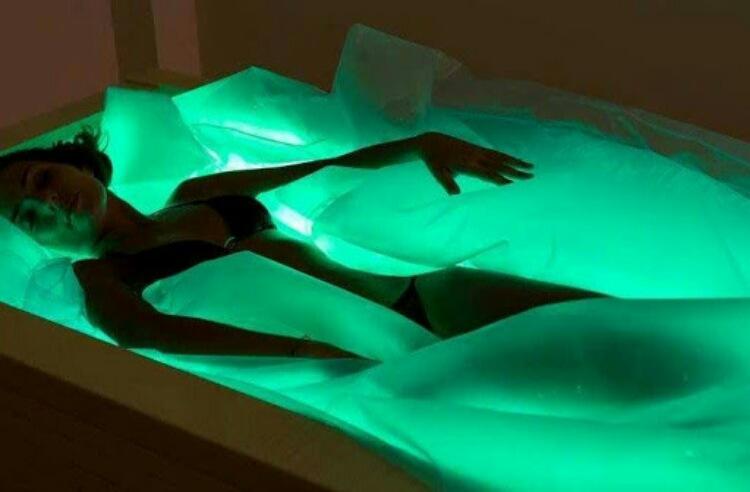
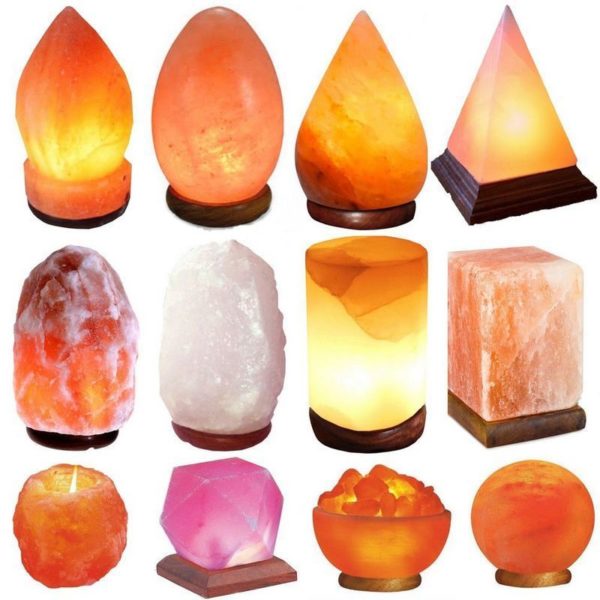
A salt lamp is, as a rule, an ordinary incandescent lamp of low power, installed in a lampshade made of rock salt of various shapes and colors. The shape of the plafonds is chosen for decorative reasons, but the color and composition of the salt used, as well as the type of light source, matter in a therapeutic sense, and this is worth analyzing in more detail.
Principle of operation
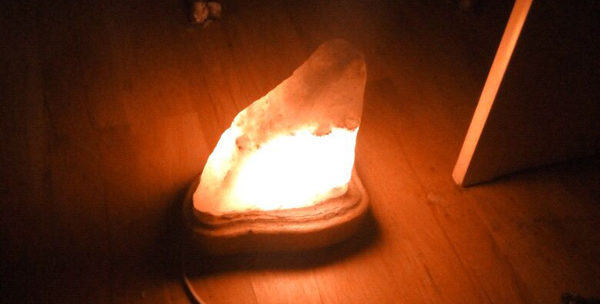
The heat from the filament is transferred to the sheath of salt. Since sodium chloride in a petrified form absorbs the natural moisture of the room, when heated, its molecules evaporate into the air along with the accumulated liquid. In addition, according to lamp manufacturers, when heated in a dry state, the mineral works like an air ionizer, releasing negative oxygen ions into the environment. Thus, the reproduction of pathogenic microflora is suppressed. Partial neutralization of harmful electromagnetic radiation from household electrical appliances is also mentioned, although it is difficult to verify this fact.
What is it used for
The idea of using rock salt for therapeutic purposes is not new. Back in the Soviet Union, there were entire resorts located in former salt mines deep underground. Due to the inaccessibility of caves for treatment, they are equipped in the form of salt rooms with walls, floors and ceilings lined with slabs carved from the mineral. The essence of the therapeutic effect is the positive effect of NaCl molecules on the skin, respiratory, nervous, endocrine systems of a person, which was noted in workers of mining enterprises for the extraction of rock salt. The salt lamp used for the home is an attempt to achieve a similar effect at home, using the device as an ordinary lamp: a night lamp, a floor lamp, a sconce, in general, additional lighting in a creative design and with healing properties.
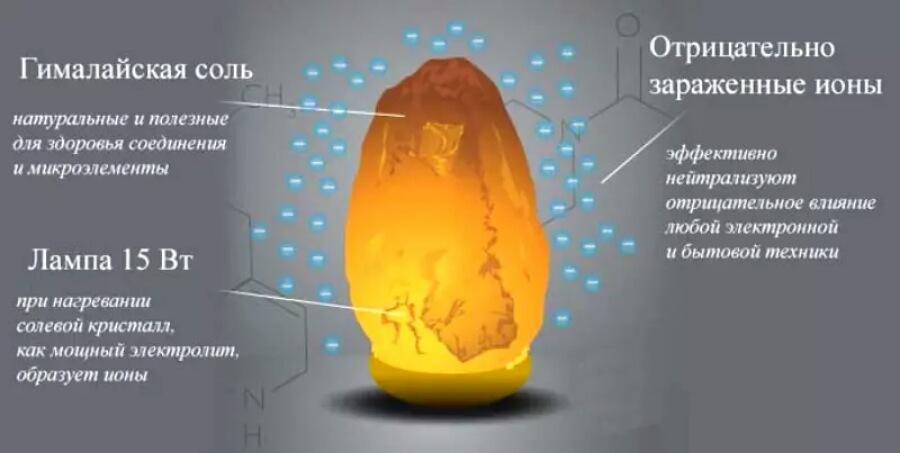
Is there an effect
Of course, in terms of intensity of action, the effectiveness of a salt lamp cannot be compared with a course of speleotherapy in a cave.But daily use of the device can reduce the severity of diseases:
- respiratory system - bronchitis, tracheitis, sinusitis, rhinitis;
- thyroid gland - hypothyroidism;
- nervous system - increased nervous excitability, sleep disturbances.
The positive effect is based not only on the inhalation of sodium chloride molecules, but also on other elements that make up the natural mineral. Depending on the place of extraction, salt contains up to 28% of impurities, useful and not very useful. The useful ones include potassium, magnesium and iodine, the ions of which we inhale in the first place. An admixture of calcium practically does not evaporate, as well as iron, whose oxides are abundant in yellow and pink Himalayan salt.
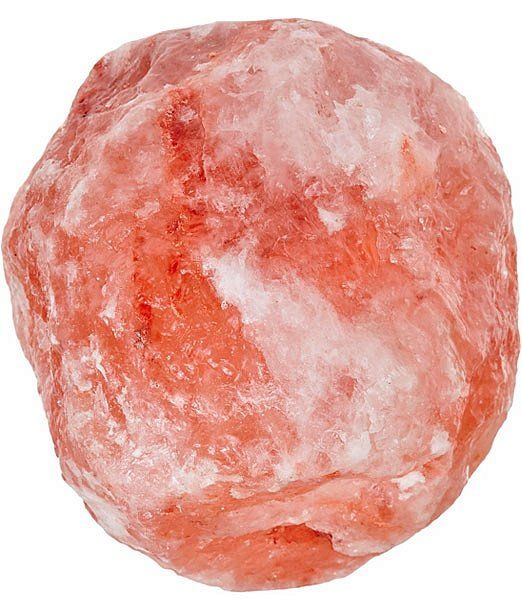
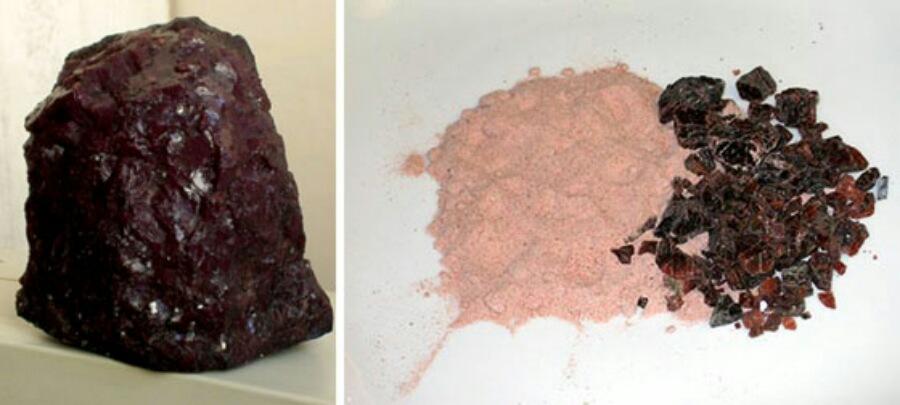
Also of little importance for the therapeutic effect are organic deposits of humus in exotic black African salt,
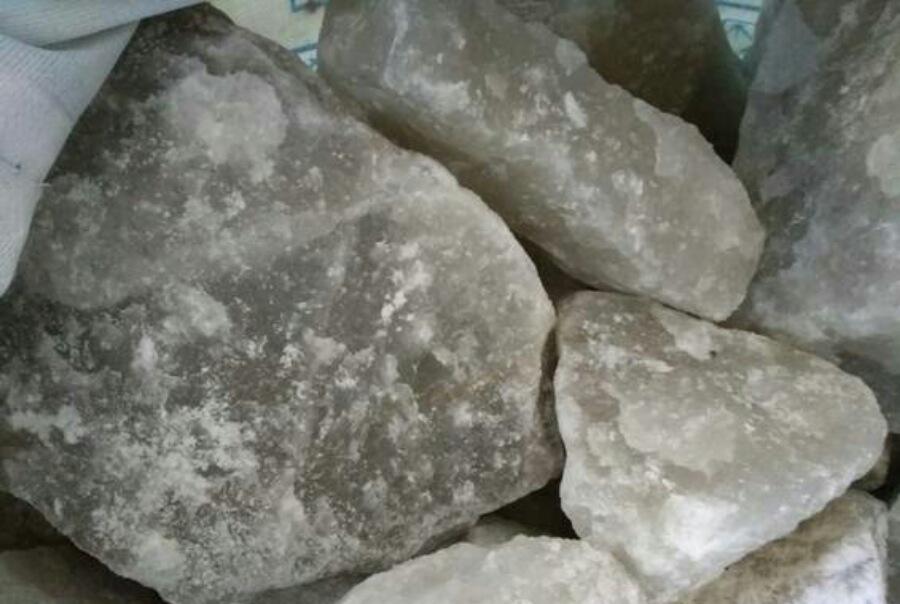
clay in gray salt,
potassium chloride in blue salt.
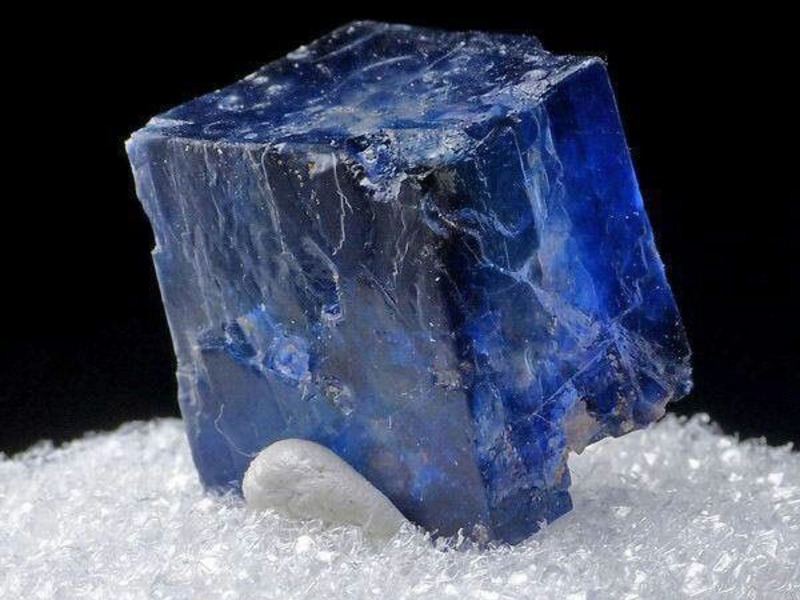
The main active ingredient is still NaCl, it is he who, in reasonable concentrations, has an anti-inflammatory and anti-edematous effect on the human respiratory system.
In addition, it was noted that the lamp to some extent neutralizes unpleasant odors, especially the smell of tobacco smoke, dampness, and mold. For the most part, the action from the device is felt subjectively and is based more on the level of psychosomatics. It is difficult to objectively assess the effectiveness of the device due to the duration of use required for a noticeable result. The second effect of the lamp is based on the application of the principles of chromotherapy. It's believed that:
- lamps with pink color it is better to install in the parent's bedroom - pink color exacerbates sensuality and emotionality;
![What is a salt lamp for?]() Pink night light made of salt.
Pink night light made of salt. - yellow - in the dining room, as they enhance the enzymatic activity of the liver;
- red - in the living room. They cheer up;
- blue and green - in the children's bedroom. They calm and normalize the psycho-emotional background.

It makes no sense to question the theory of chromotherapy, since its basic principles have long been used in China. Now the same principles are widely used by designers for marketing purposes when designing establishments in the appropriate palettes to manipulate the mood of users.
How to use a salt lamp
As the main light source, the device is ineffective due to low power, but the design of decorative lighting with salt lamps is fully justified and has practical significance. Due to the property of salt to actively absorb moisture, it is undesirable to install the device in the bathroom, next to the pool or aquarium. Otherwise, a white bubble coating will constantly form on the surface of the ceiling, which spoils the appearance of the shell and accelerates its wear. Evaporating, the salt loses mass, although slightly, and in a humid environment, this process is more active. It is best to clean the surface from plaque, dust, dirt with a brush if it is uneven, as on a “rock” shaped ceiling.
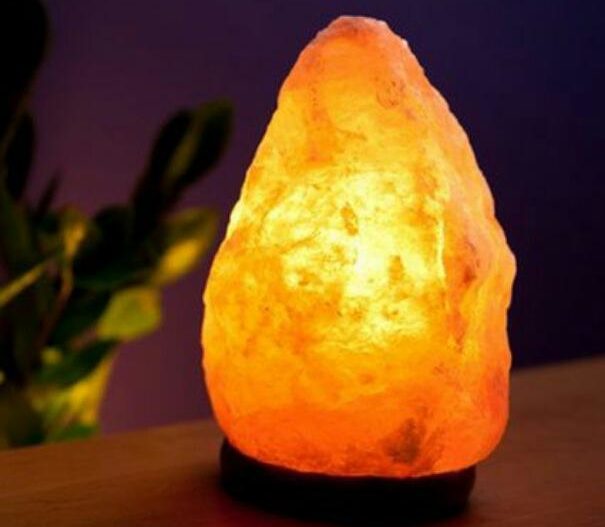
Smooth surfaces are simply wiped with a dry cloth.

How long should work
The salt lamp has such indications that, with its efficiency, it can work around the clock and its resource is limited only by the resource of the incandescent filament. An overdose of NaCl can not be feared due to the small working area of evaporation of the mineral.The use of the device as a constantly working night light is justified only in cases where it is indispensable. After all, the anti-stress hormone melatonin is produced during sleep only under the condition of complete darkness.
Is it possible to make a salt lamp with your own hands
As a basis, you can take any lamp with a standard E27 cartridge or a small E14. The lamp is necessary with an incandescent filament, since the LED or fluorescent does not heat the crystal to the temperature of its evaporation.

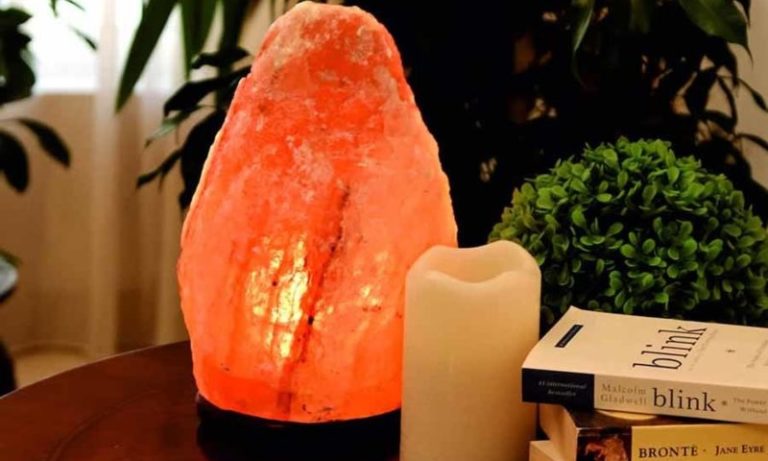
The power of the light source, depending on the mass of the ceiling, is taken at the rate of 15 watts per 1 kg. For a medium-sized ceiling lamp weighing 3 kg, a 45-watt light bulb is suitable. The cartridge is mounted in a wooden platform in such a way that the light bulb is installed vertically. For the manufacture of a ceiling, it is best to find layers of rock salt in stores selling bath accessories, accessories for stoves and fireplaces. Four walls and a lid are cut out of the layers by a grinder, which are then tightly fitted so that there are no gaps. The whole structure is fastened with a tin hoop as in the photo.
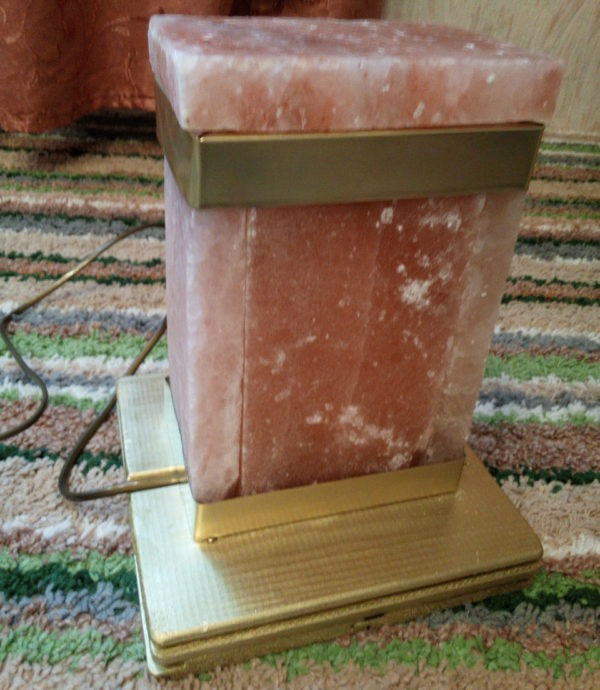
If there is a solid block weighing about 3 kg, then one of the sides is sawn off with a grinder to form an even end under the base. In it, a recess for a light bulb is drilled with a pen on a tree with a margin of at least 10 mm from its diameter. The whole structure is lowered onto a stand with a screwed light bulb.
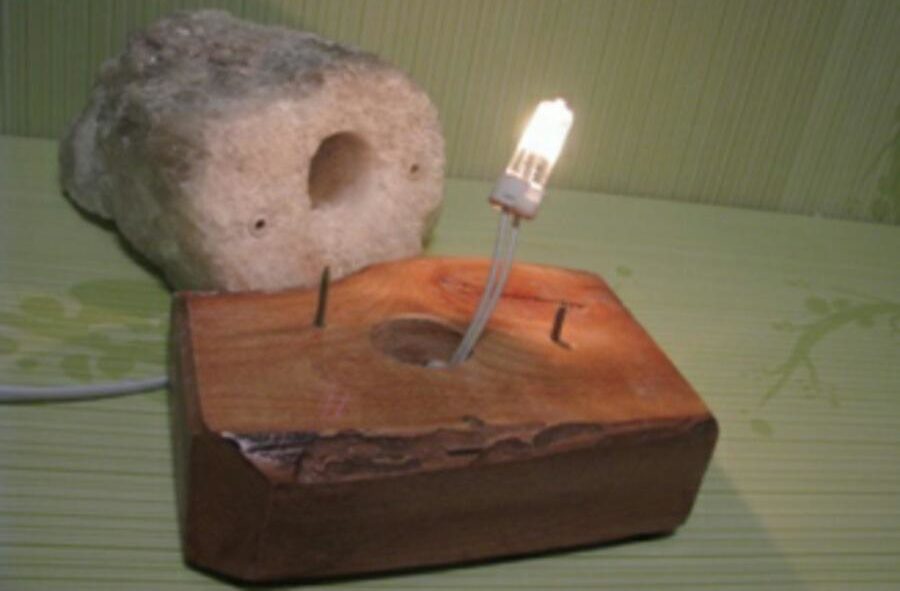
Another option is to use packs of table salt. To do this, several packs of sodium chloride are mixed in a container with water to a mushy consistency.The resulting slurry is poured into a round or square cone-shaped container for ease of extraction. A glass beaker is placed upside down in the center of the mass to create a recess for the light source. The mold is left to dry near a heat source. The solution can harden up to several weeks and remain damp. After hardening, the resulting ceiling is removed from the mold, the glass is removed and lowered onto a stand with a light bulb. If desired, the shape is adjusted using a drill with abrasive or cutting nozzles.
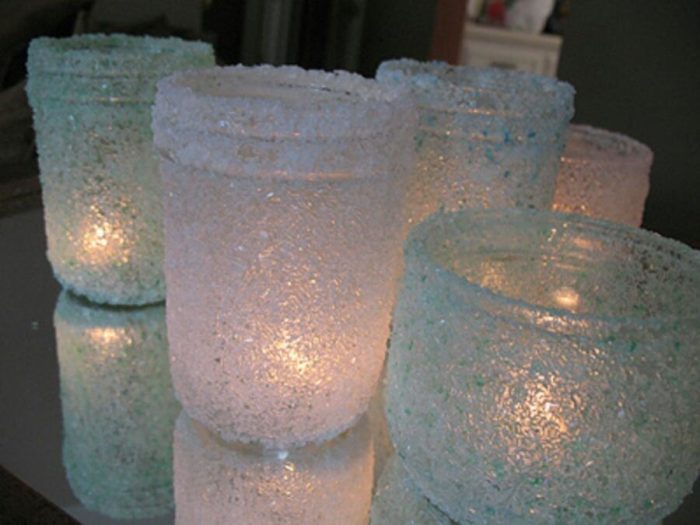
The final drying will occur already under the action of heat from the filament. It is noted that all-stone products are more efficient and stronger than cast ones, therefore, with a frozen solution, you need to be much more careful. It is best to rub the wooden stand with wax, as when heated, the paintwork will evaporate with an unpleasant odor.
The benefits and harms of the device
Adults
For speleoroom therapy, there are only two contraindications - diseases of the cardiovascular system and kidneys. The fact is that an excess of sodium chloride in the body creates an additional burden on the heart by retaining an excess amount of fluid in the bloodstream. With regard to salt lamps, due to their small area and efficiency, these restrictions are irrelevant. Appliance weighing approx. 3 kg in a room of 25 m2 will not create a concentration of salts in the air sufficient for absorption into the bloodstream through the bronchial mucosa and alveoli of the lungs.
Children and newborns

With regard to children, the most pronounced benefit of a salt lamp is manifested in the respiratory system.In particular, with frequent rhinitis and sinusitis, it was noted that after installing the lamp in the children's bedroom, breathing is easier for babies due to the cessation of rhinitis. Perhaps it is with this effect that the subsequent improvement in sleep and psycho-emotional background is associated. Or maybe the evaporation of magnesium sulfides has a calming effect, as a result of which the anti-stress factor leads to a strengthening of the immune system.
Anyway there is no evidence of a negative effect from the device, although a pronounced therapeutic effect should not be expected from it. It is safe to say that a salt lamp is a natural air ionizer that reduces the activity of pathogenic microflora and has a beneficial effect on the health of children and adults.
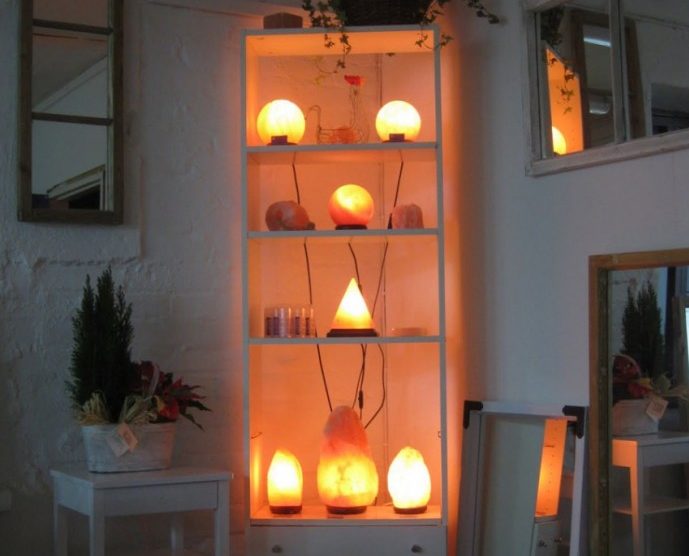
In addition, it is a way to decorate a living area with health benefits. What is definitely impossible is to consider the lamp as a panacea, pinning hopes on it to the detriment of the main treatment prescribed by the attending physician.
