Why are the reverse lights not on?
During the operation of the car, many owners are faced with the fact that the reverse does not light up. This problem occurs unexpectedly and requires immediate resolution. Driving with such a malfunction is prohibited and dangerous, as it can cause an accident due to a misinterpretation of the maneuver by other motorists or pedestrians. In this article we will talk about the main causes of failure and how to eliminate them.
The principle of operation of reversing lamps and the causes of their breakdowns
The reversing lights come on when the vehicle is in reverse gear and maneuvering backwards. A sensor located on the gearbox on the crankcase or in a mechanism that allows you to select speeds is responsible for their work. When reverse gear is engaged, power is supplied to the bulbs by closing the metal plates with a rod. When the position of the selector is changed, the chain opens, and the rod is pushed out by a spring. The lamps then stop burning.
With some malfunctions, the bulbs do not turn on when reversing. You can diagnose and fix many of these problems yourself. Appeal to the service station may be required only in the most difficult cases.

Burnt out light bulbs
A burned out light bulb is the simplest and most common reason why the reverse lights do not work. Typically, a car has two such lamps, and, as a rule, one lamp burns out. But sometimes two can fail at once.
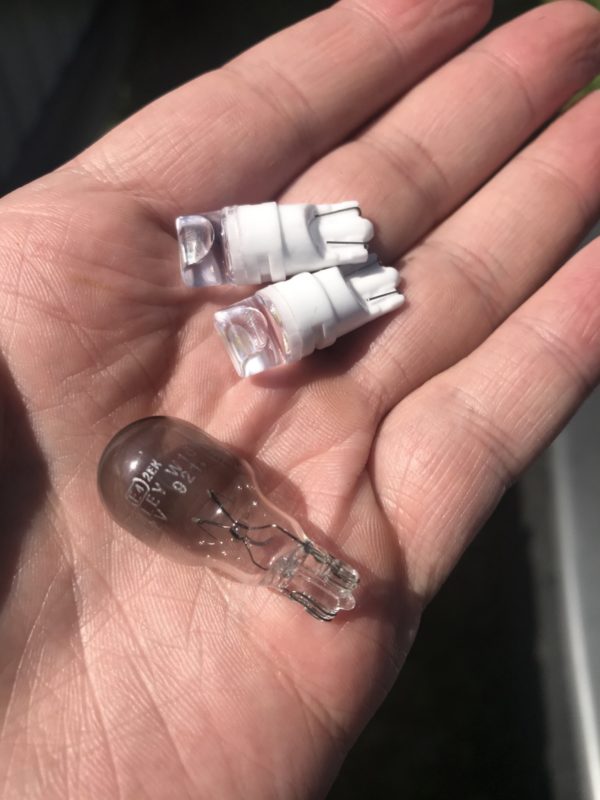
To understand that the lamp has burned out, a visual inspection is sufficient. The defective element must be replaced. Replacement takes a few minutes and can be done by hand. But some car models may have some difficulties with installing lamps due to design features. After replacing the lights should work. If the light bulbs often fail, it is recommended to clean their contacts, check the tightness of the optics and the voltage in the on-board network. Perhaps the burnout is not due to the poor quality of the elements, but to the above problems.
Read also: Types of marking and purpose of automotive lamps
Blown fuse
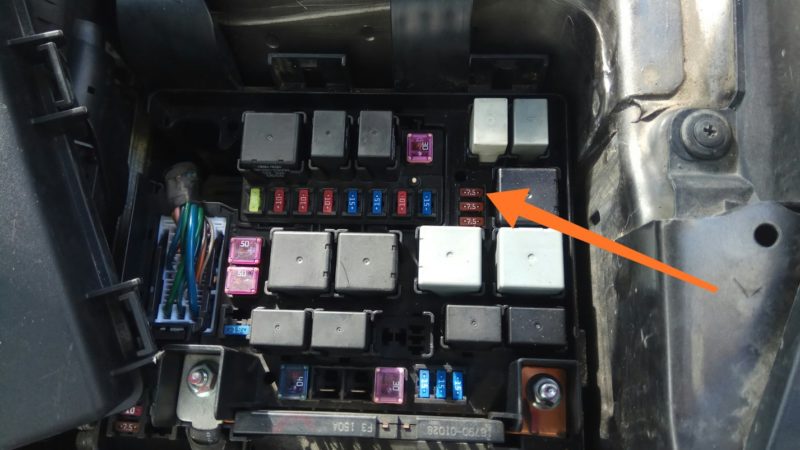
The failure of the fuse responsible for this electrical circuit is also one of the common causes of a malfunction. The fusible element is located in the mounting block under the hood of the car or in the cabin. Knowing its location will help you quickly find the faulty part and replace it.
You can usually identify a blown reversing lamp fuse by looking at it.If this does not help, you should replace it with a known-good part and check the operation of the lighting devices. Replacing the fusible element takes a couple of minutes. Even a novice motorist can do it. If the procedure was ineffective, you should look for another reason.
Frog malfunction
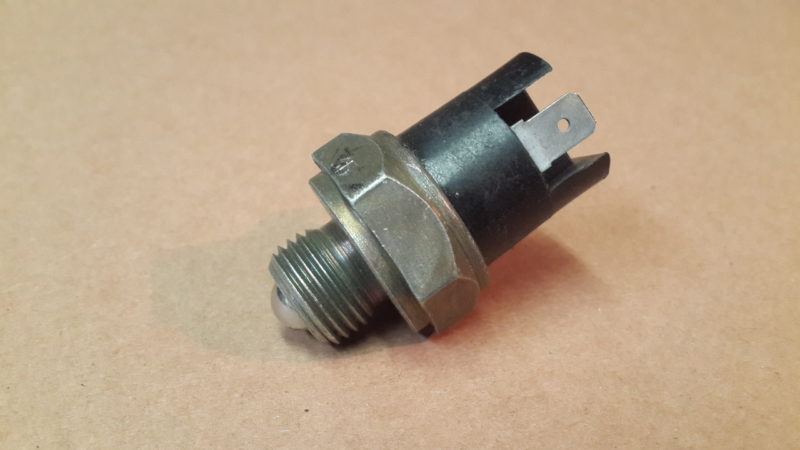
A frog is a sensor or reverse switch. It is quite durable, but despite this, it can still fail. This is common with many high mileage vehicles or vehicles that have been in rear end collisions.
It is not always possible to identify a faulty controller by its appearance. You can check its performance with a multimeter. If self-checking and replacing an element is difficult, it is better to contact a service station or resort to the help of a more experienced motorist. Changing the sensor is easy. To do this, you need to buy a new part and know its location in a particular model of the car.
Video: Malfunctions of the reverse frog on VAZ cars.
Circuit Integrity Violation
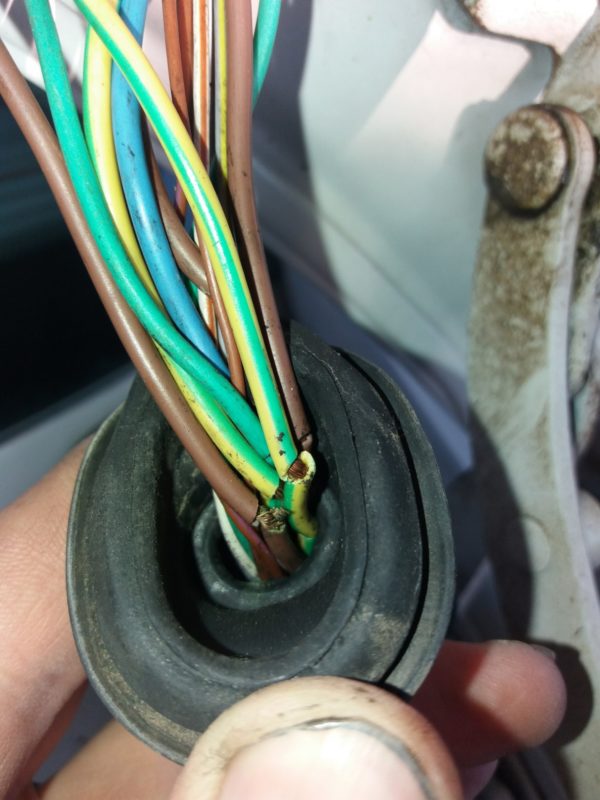
A break in the wiring that goes to the reversing lights can happen in any of its sections. This happens for the following reasons:
- Natural wear.
- Mechanical damage.
- exposure to various chemicals.
To determine the damaged area, you need to ring the entire wiring with a multimeter. This work takes some time and requires experience. Sometimes it takes several hours to find and fix the cliff. If such work seems complicated, it is better to contact an auto electrician.
Contacts are oxidized
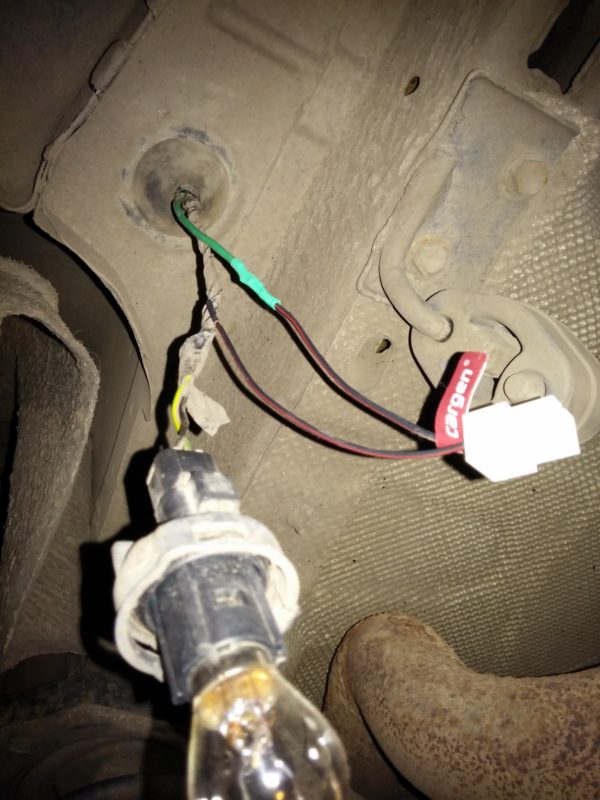
The reason for the inoperability of the reversing lights may be the oxidation of the contacts of the block or other connections of this circuit. Usually, contamination and corrosion are visible when parts are inspected. To fix the problem, it is enough to clean the contact connections from dirt and rust. Such problems are often found not only on heavily used, but also on practically new cars. Keeping the engine compartment clean will help you less likely to encounter such troubles.
Reverse sensor needs adjustment
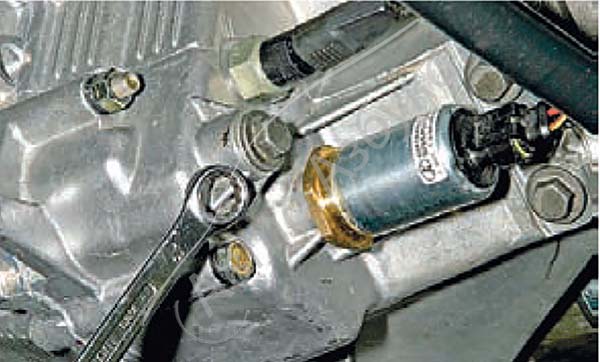
On some models of vehicles with a manual transmission, the position of the sensor on the gearbox may go astray. Therefore, when reverse gear is engaged, the electronics does not detect that it is engaged. Accordingly, the light signal does not work.
It is not recommended to adjust the position of the controller without experience. When adjusting, you should check the serviceability of the sensor itself. If it fails, replace it. The problem is typical for domestic models and some inexpensive foreign cars with mileage. Only experienced car owners involved in car repair and maintenance can solve it on their own. It is advisable for novice drivers to contact a car service, where tuning and diagnostics will be performed quickly and efficiently.

Sometimes the reversing lamps stop turning on for other, more rare reasons. Some of them are specific to certain car models. Troubleshooting these problems often requires a professional approach.Therefore, if it was not possible to independently determine and eliminate the cause of the problem, you should immediately contact a car service. Driving with faulty reversing lights is not only prohibited, but also very dangerous. It is not worth operating a car with such a malfunction even during daylight hours. This can lead to very sad consequences. The heaviest of them is collision on the pedestrian.
Does not pressurize the reverse sensor on the Renault Logan.
It is often difficult to notice a malfunction of the reverse lights on your own. Therefore, it is recommended to periodically check their performance with the help of third parties. Sometimes you can notice the problem in the dark by the lack of reflection on the walls and other objects.
Most often, the cause is minor and easily repairable damage. Usually you can solve the problem yourself. Contacting a service station is necessary only in difficult cases, if the cause of the malfunction is unclear or if the wiring needs to be restored, the sensor on the gearbox needs to be adjusted.