Cars with retractable headlights
The idea to create a car with headlights that can be hidden for a while belonged to Gordon Miller Burig. This designer from the USA designed bodies for the American company Cord in the 30s of the last century and his first car with opening headlights was the Cord 810.
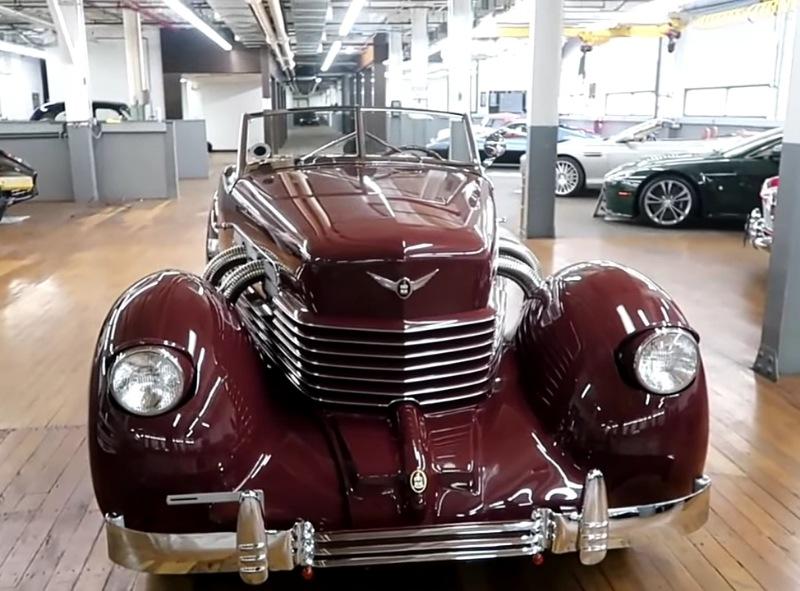
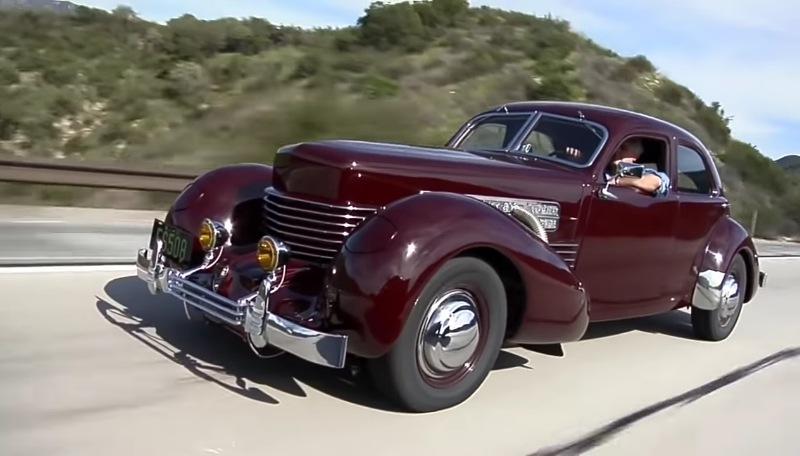
The principle was borrowed from the landing and taxiing lights, hiding in the fuselage of aircraft to improve aerodynamics. As a matter of fact, auto designers of those times did not particularly care about aerodynamics, and the new concept was used more for marketing purposes. The optics on the Cord 810 folded inside the wings by turning two "meat grinder" handles on the dashboard - one for the headlight. Gordon simply did not have time to design any acceptable electric drive, in a hurry to complete his development by the beginning of the New York Auto Show in 1935.
This car marked the beginning of a whole era of cars with hidden optics, which peaked in popularity in the 70s and 80s.The end of this trend was marked in 2004 with the adoption of new UNECE regulations regarding protruding elements on the body, including eyelashes and headlamp rims. The new rules banned the release of cars with protruding sharp and fragile elements on the body, which increase the risk of injury to pedestrians in the event of an accident. However, these bans did not affect previously released models, and in most countries of the world, movement on public roads in cars with headlights raised or hidden is not limited by law.
What are the advantages of such machines
There are two main options for hidden optics:
- When the headlight housing extends and hides in the hood or fenders by a swivel or retractable mechanism.
- When the optics remain stationary, but are partially or completely closed by shutters.
Initially, these design solutions were purely fashion in nature, since the introduction of aviation technology spoke at least about the level of the manufacturer, its technological capabilities. Consequently, all this increased consumer confidence in the products and was useful for marketing companies using hidden optics.
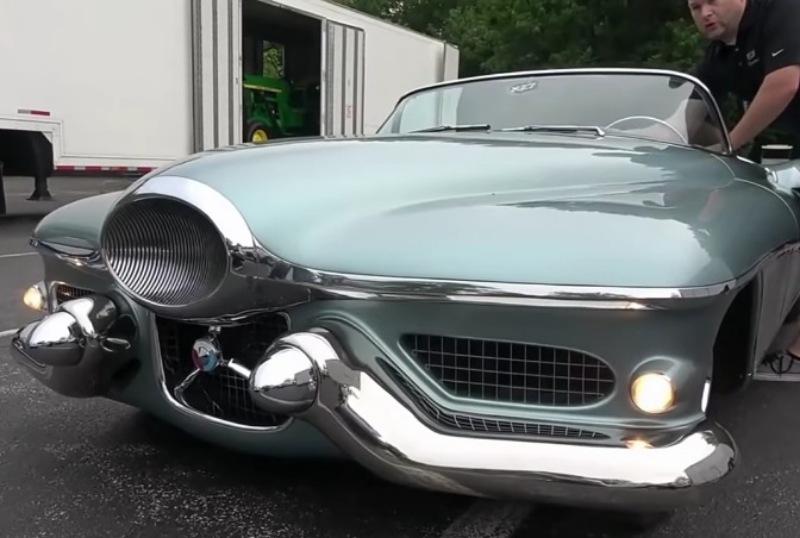
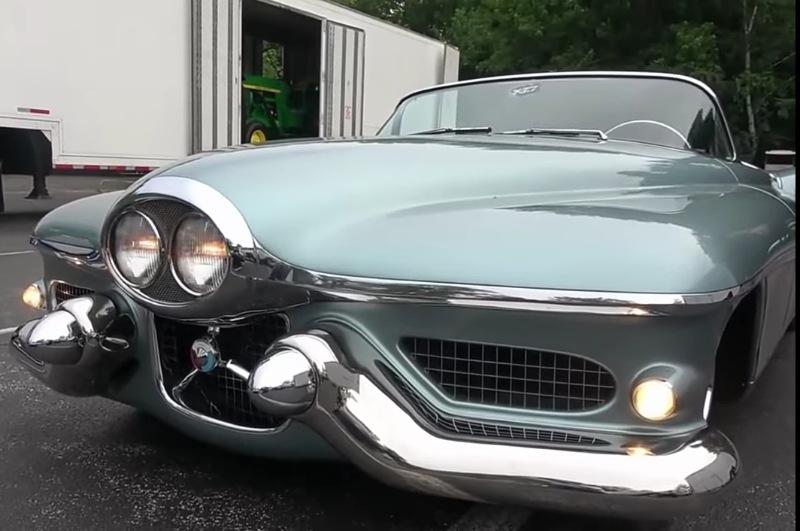
Thus, the concept was applied mainly to luxury cars.
But by the 60s, sports car manufacturers adopted the idea, since the smoothed shape of the nose made it possible to reduce the area of \u200b\u200bair resistance at high speeds and increase the aerodynamic properties of the car.
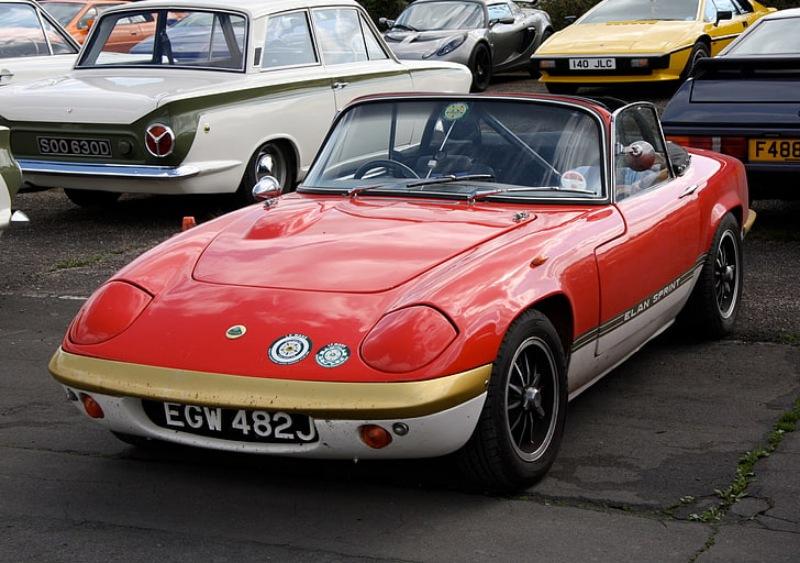
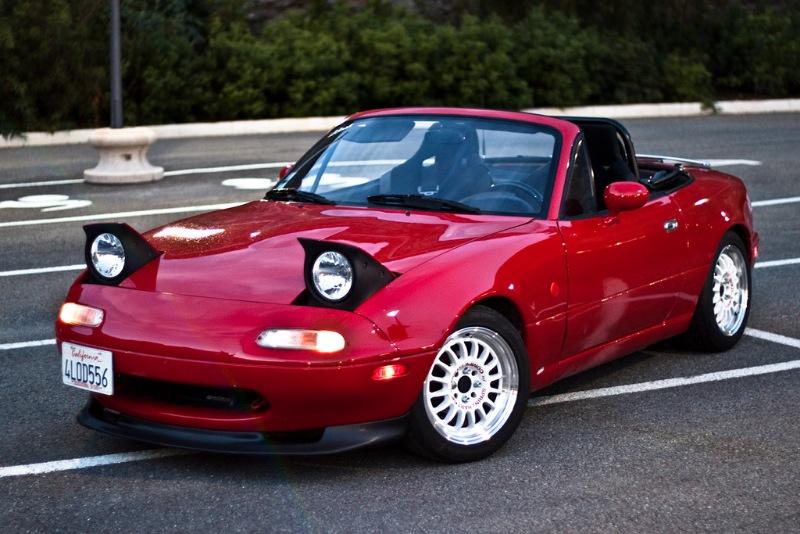
The height of fantasy for fans of sports cars in the eighties was the 1974 Lamborghini Countach with predatory angular forms, a wedge-shaped nose, bird-wing doors and, of course, opening headlights.
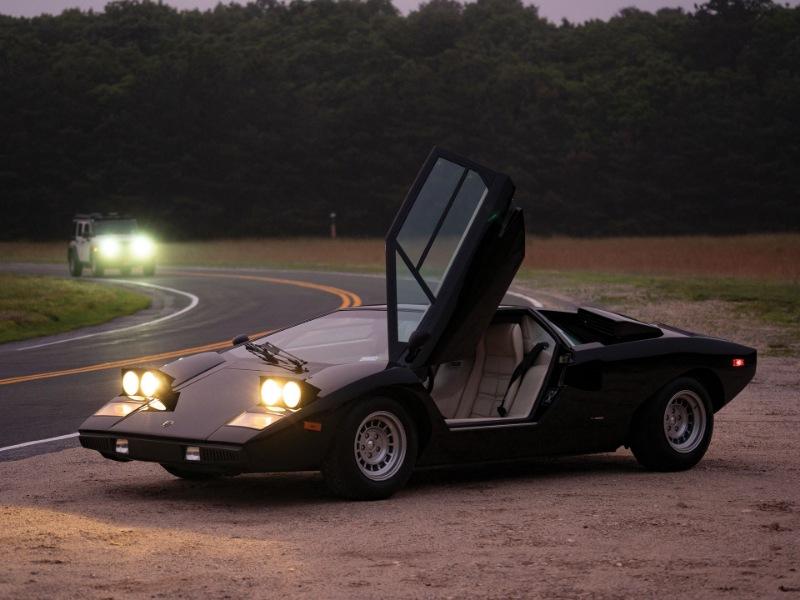
Since then, the presence of mechanical optics in a car has become an indicator of prestige, and it is this factor that can be called the main motivating factor when choosing cars with a similar element of lighting equipment. Along with the advantages in the form of image and aerodynamic performance, sleep optics are in some way more durable, since the transparent plastic of the headlight is less subject to mechanical damage when hidden.
For the sake of objectivity, it is worth mentioning the existing shortcomings of such a head light. The fact is that the mechanical component is an electric, pneumatic or hydraulic drive, and in practice this particular unit has become a weak link in the design. The mechanics are clogged with dust and sand or freeze, as a result of which one-eyed representatives of the legendary representatives of the class are sometimes found on the road. Residents of the northern regions noticed another problem with some models: when driving in heavy snowfall, snow sticks to open optics. Firstly, it reduces visibility when driving at night, and secondly, adhering snow turns into frost and prevents the headlights from closing. The cost of maintaining the mechanics and electrics of lighting systems of this type is also puzzling.But all this is trifles, if you understand that no one else makes such cars, and each sample is an exclusive that both collectors and ordinary admirers of old-school cars want to own.
What is the best choice
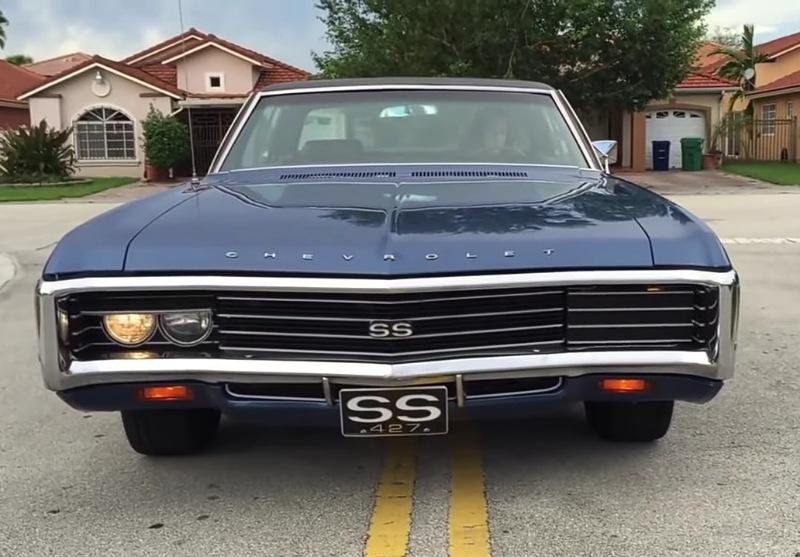
With regard to the reliability of one or another type of mechanism, it is worth saying that models with fixed optics and mechanical covers are more durable. The wires leading to the lamp are not kinked and do not consume the strength resource, which is implemented, for example, on the Chevrolet Impala.
A compromise between approaches could be the shape of the headlights folding, like on the Lamborghini Miura.
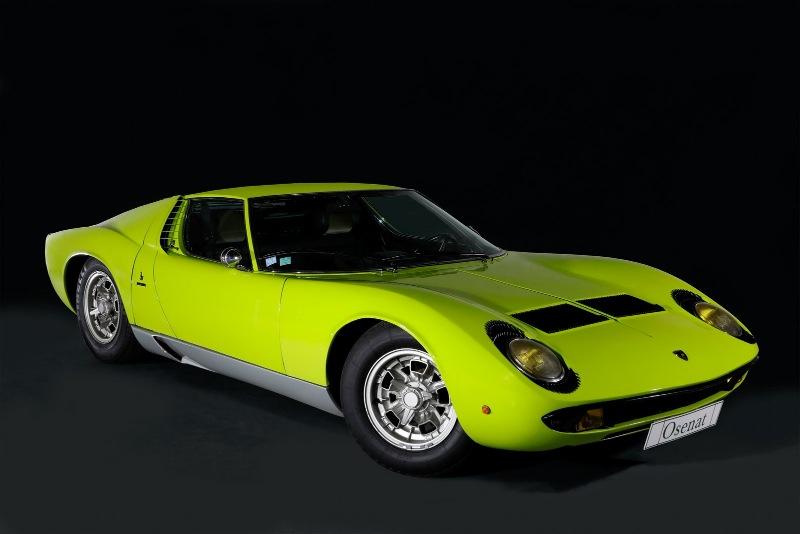
When folded, the optics are in a slightly lowered state, which aligns them with the body, but does not completely hide them. When switched on, the headlights are raised just enough so that the cone of light falls on the road surface. This principle allowed to keep the wires from kinks and to achieve the best aerodynamics with the included headlights on the sports car.
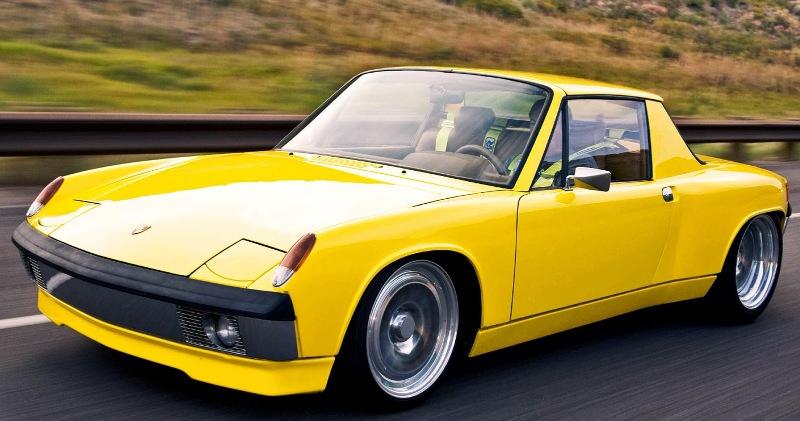
As for style, it is difficult to give specific advice, although some representatives are still worthy of special attention. For example, we can say with confidence that in 1969, against the backdrop of a creative crisis, the German automaker Porsche, together with colleagues from Volkswagen, released perhaps the most ridiculous and ugly roadster in its own line - the VW-Porsche 914.
Some models look quite decent with the headlight off, as in the case of the 1967 Chevrolet Corvette C2 Stingray.
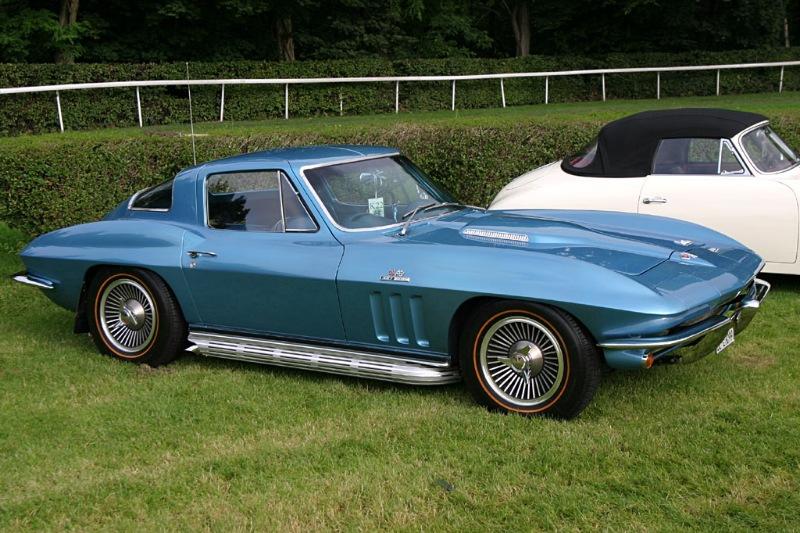
But it is only necessary to turn the optics, mounted in the cone-shaped front part of the body, and the whole impression collapses in the bud.
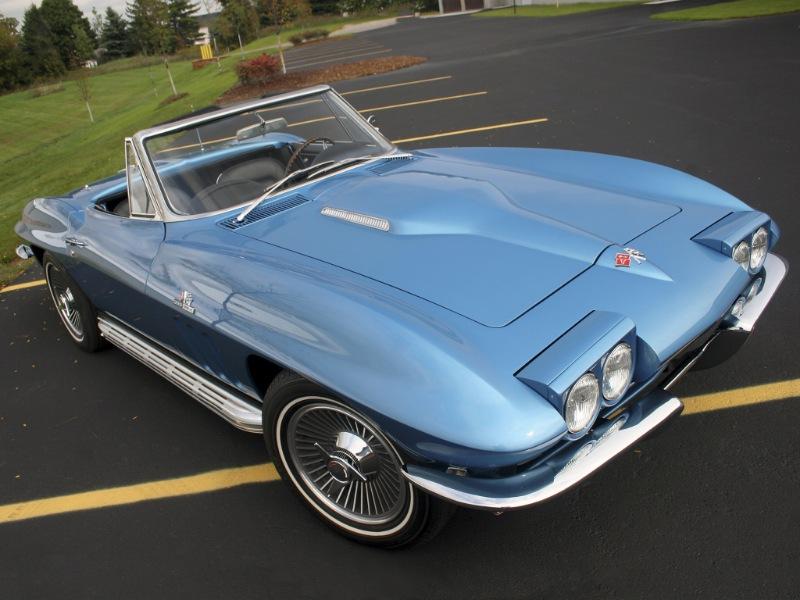
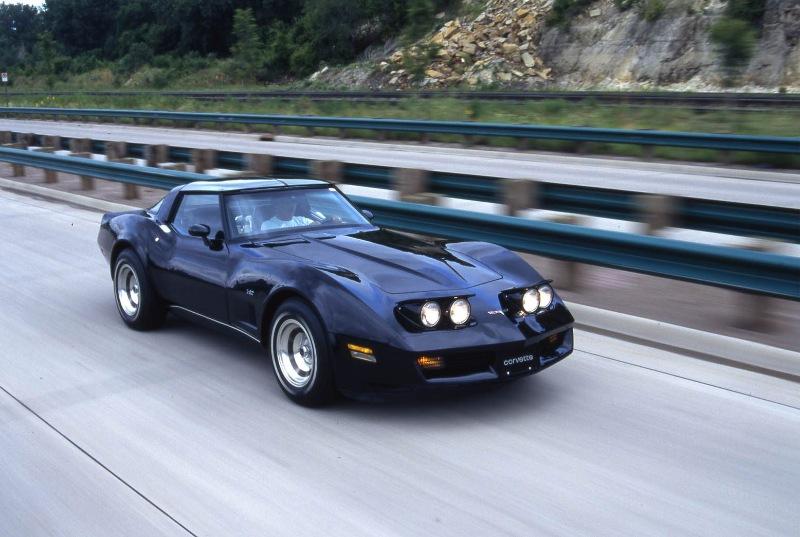
Even a person with a non-trivial sense of taste will be at least uncomfortable to ride in this form.However, on subsequent models of the line, this drawback was eliminated by placing lighting in the plane of the hood.
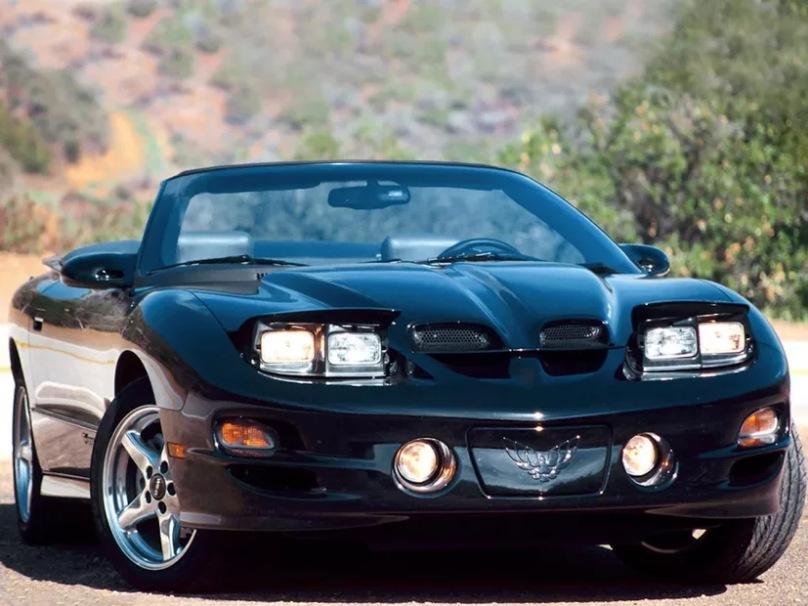
Other cars, on the contrary, seem to be designed for night driving, and one does not raise a hand to close their optics even during the day. The best example of this is the 2002 Pontiac Firebird.
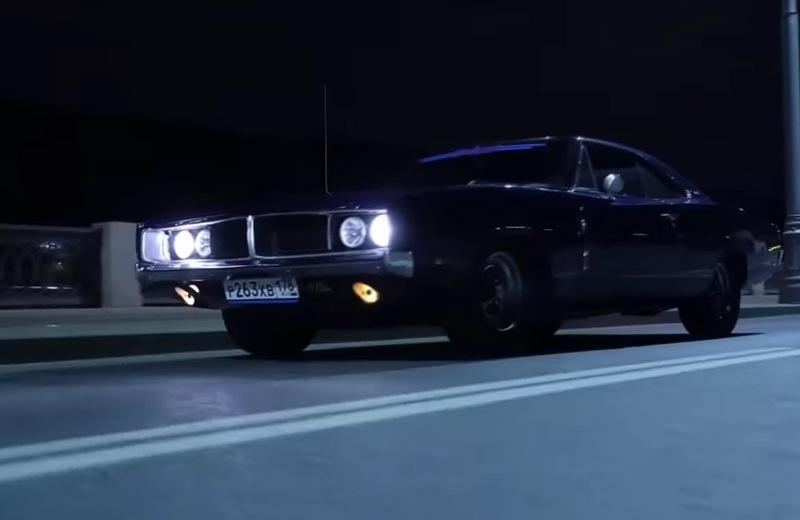
The best harmony was achieved in this regard by the Americans on the example of the 1968 Dodge Charger.
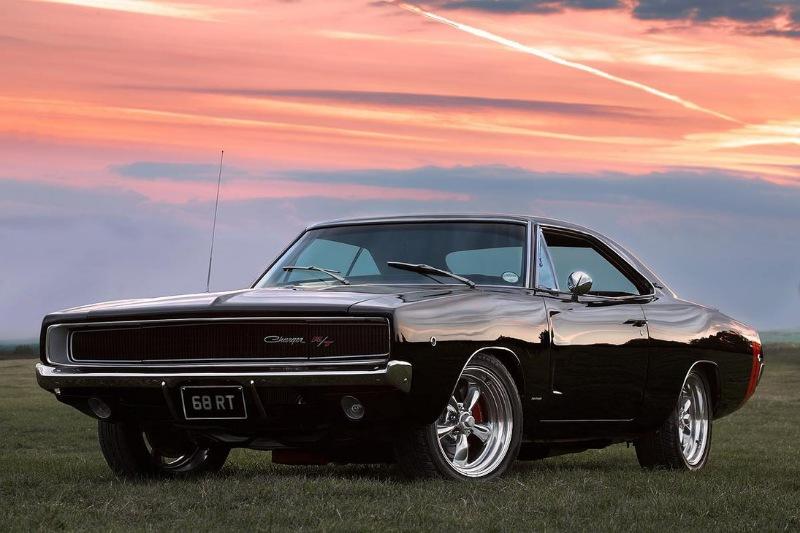
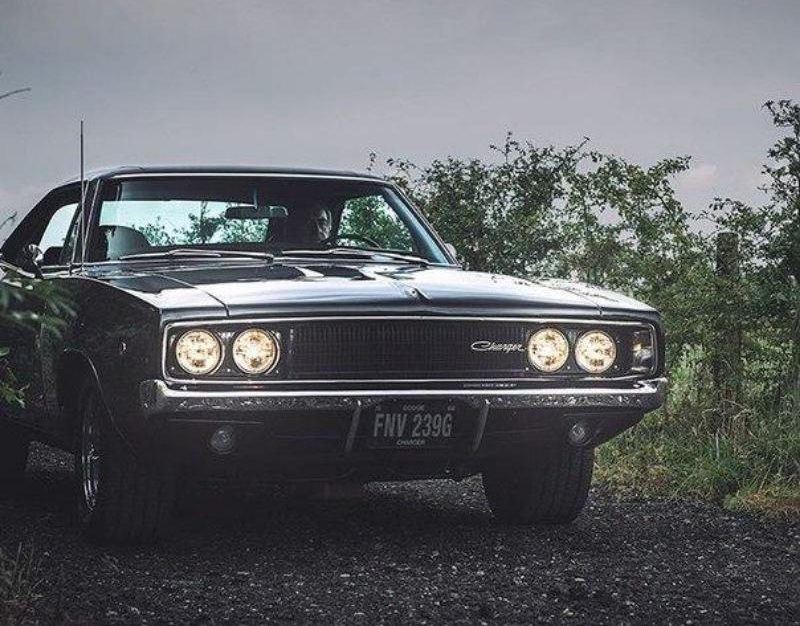
In both positions, the headlights look equally brutal, and the razor-shaped radiator emphasizes the masculine nature of this car.
The Bavarian designers also achieved success with their 1989 BMW 8 Series.
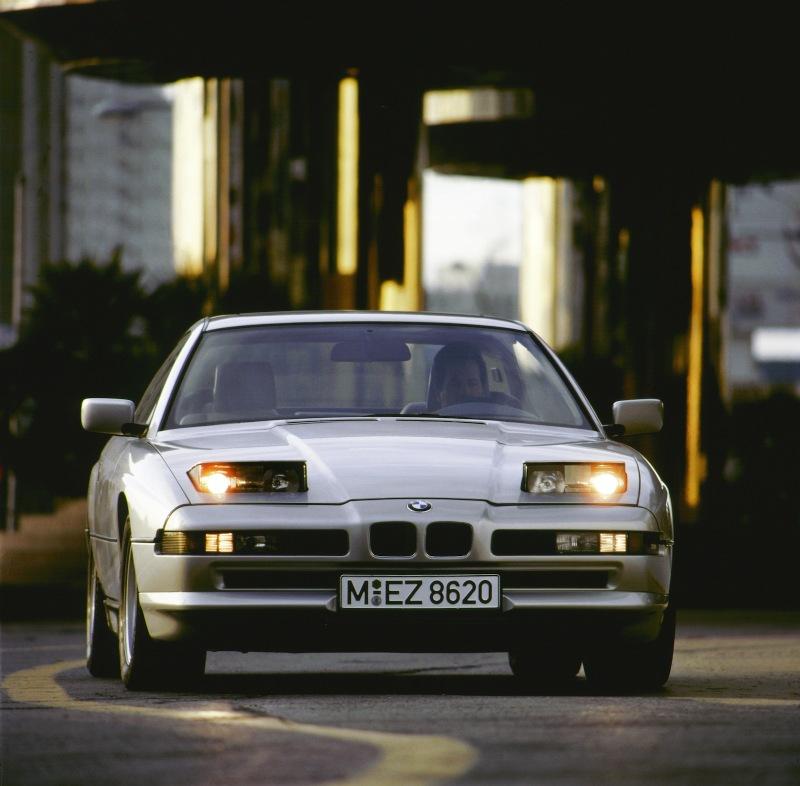
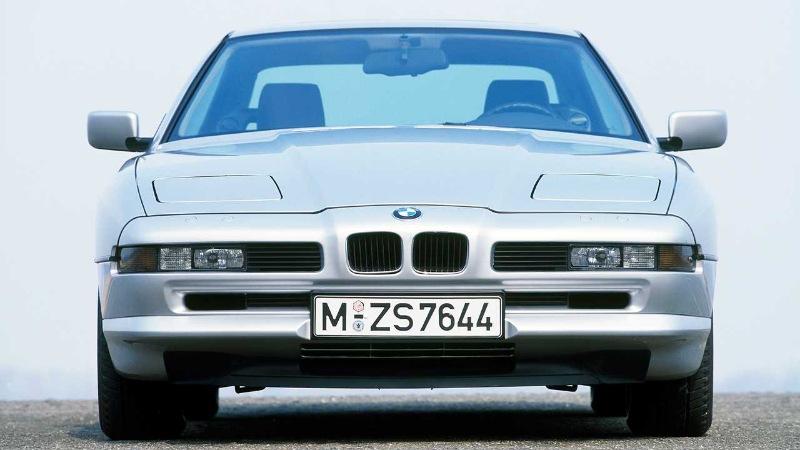
But despite the fact that the sample came out very successful and harmonious, the model did not receive support among admirers of the classic BMW concept. Due to the low popularity, the car was released in a limited edition, but thanks to this it became exclusive in its own way.
The most expensive and cheapest car with opening headlights
One of the most expensive and rarest representatives of the endangered class was the 1993 Cizeta V16T.
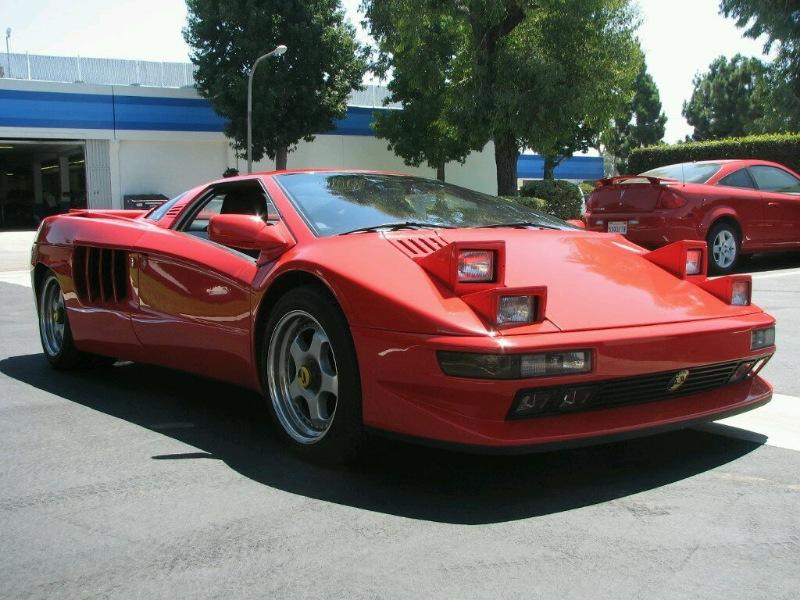
This brainchild belongs to the Italian Claudio Zampolli, one of the engineers of Ferrari and Maserati. In addition to the unusual double-deck concealed optics, this monster has a T-shaped 16-cylinder engine, which made the Cizeta the only car of its kind with such a power plant. Unfortunately, the model did not go into the series, and in total 18 units of these beauties were produced. At the moment, the car is estimated, according to various sources, from 650 to 720 thousand dollars.
The most affordable cars with sleepy headlights at the time of 2021 include three models:
- Toyota Celica V (T180) GT, 1993.
![Cars with retractable headlights]()
- Ford Probe 1989
![Cars with retractable headlights]()
- Mitsubishi Eclipse 1991
![Cars with retractable headlights]()
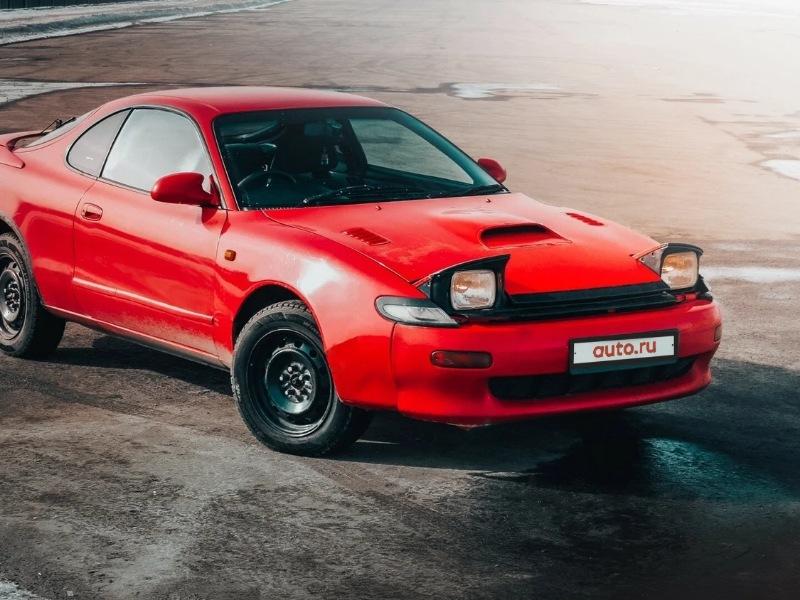
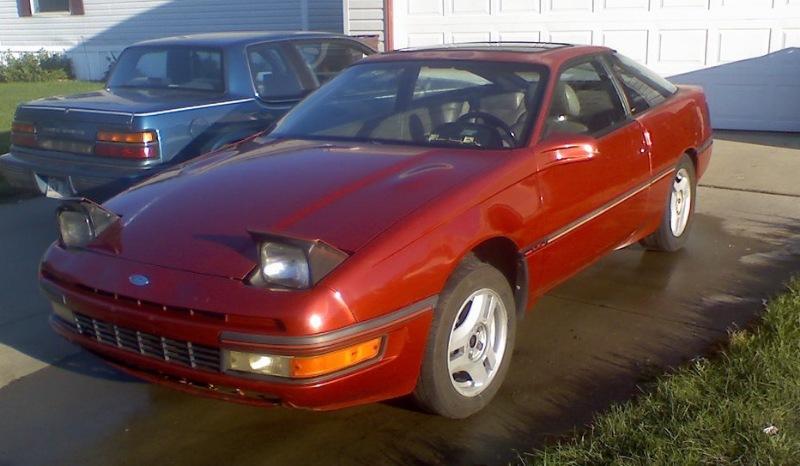
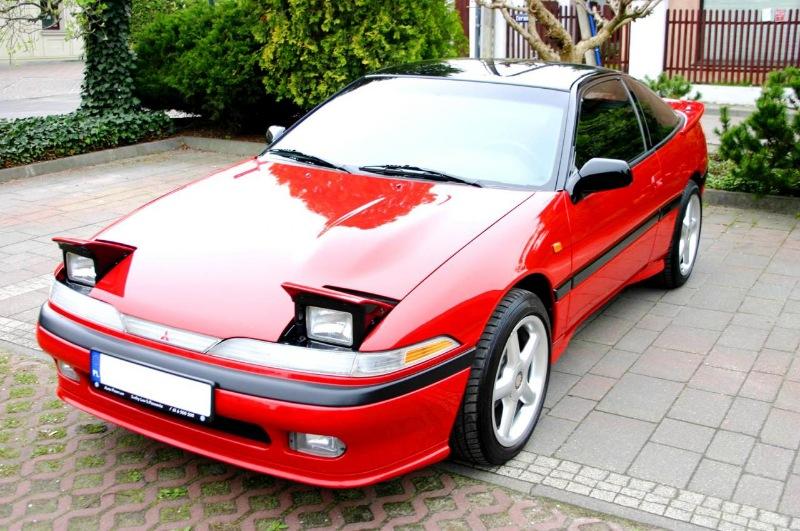
All three cars are approximately the same layout, with the same type of headlights, and they are estimated, depending on the condition, from 3 to 5 thousand dollars.
List of all cars with blind headlights
Of course, it is almost impossible to list all the samples with sleeping optics ever produced by the global auto industry, but there are bright representatives who simply cannot be ignored. Such vehicles, in addition to those already mentioned earlier, include:
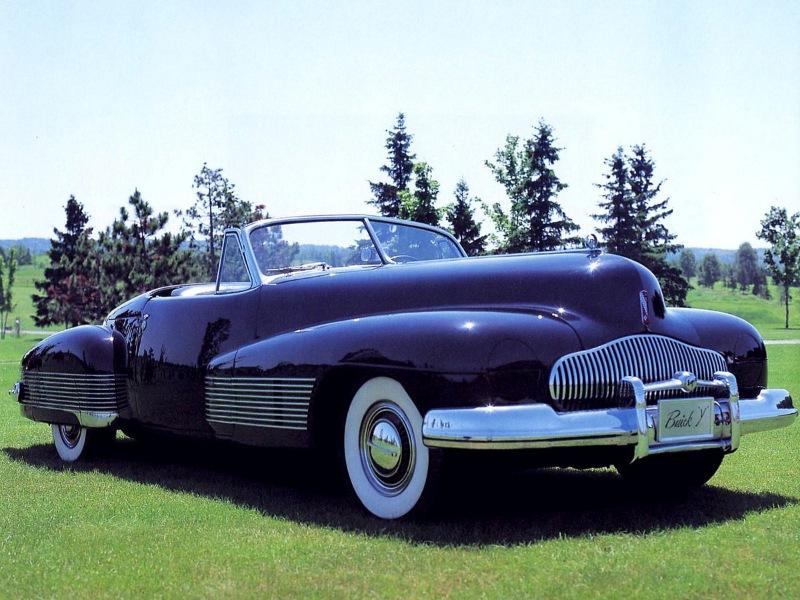
- Buick Y Job;
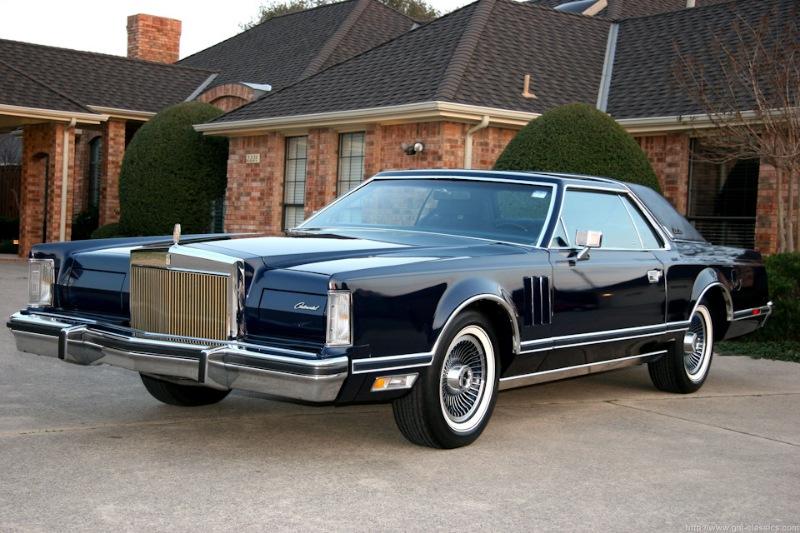
- Lincoln Continental;
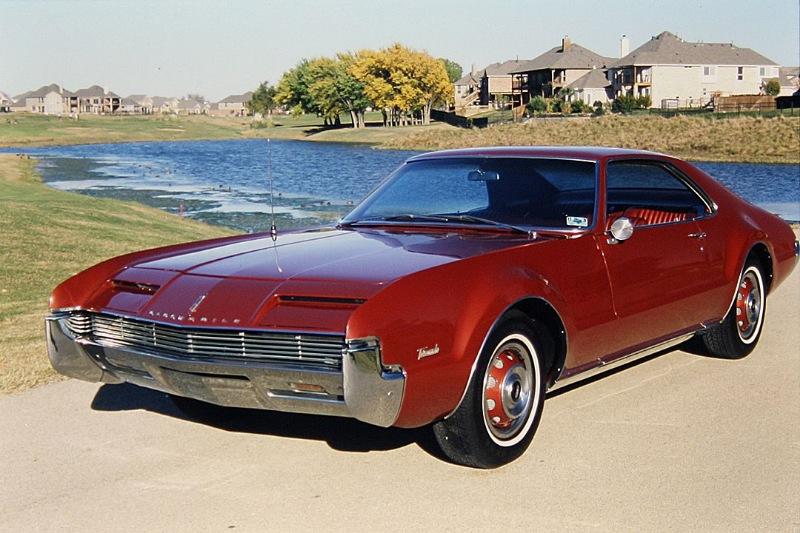
- oldsmobile toronado;
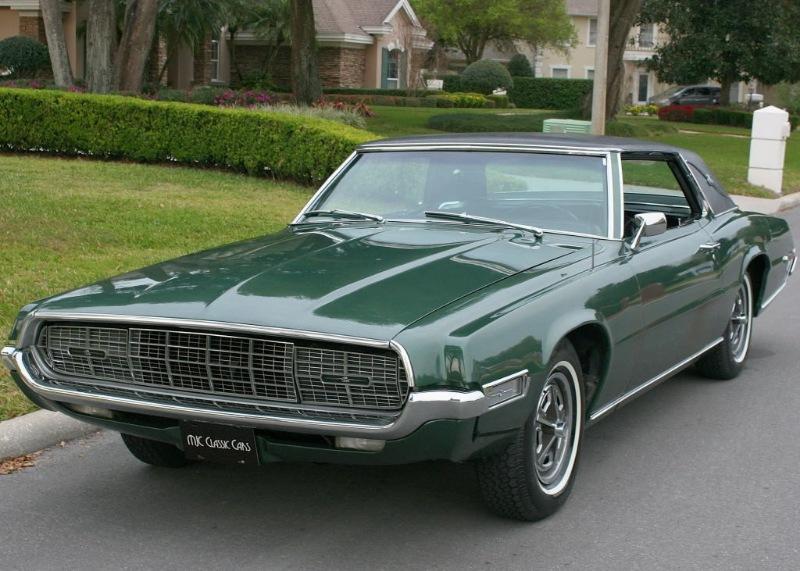
- Ford Thunderbird;
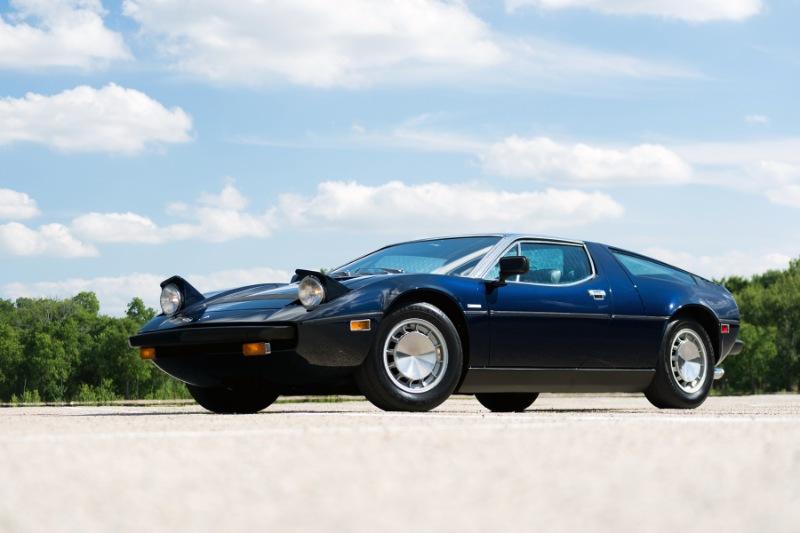
- Maserati Bora;
- Aston Martin Lagonda;
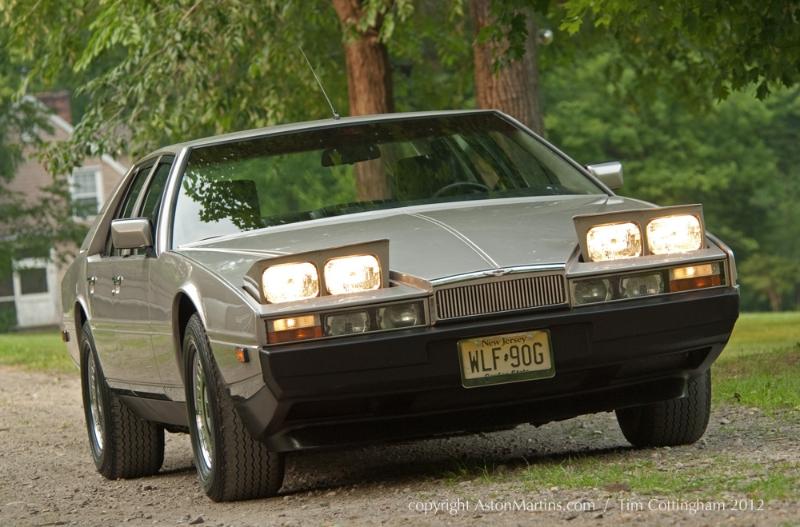
- Alfa Romeo Montreal;
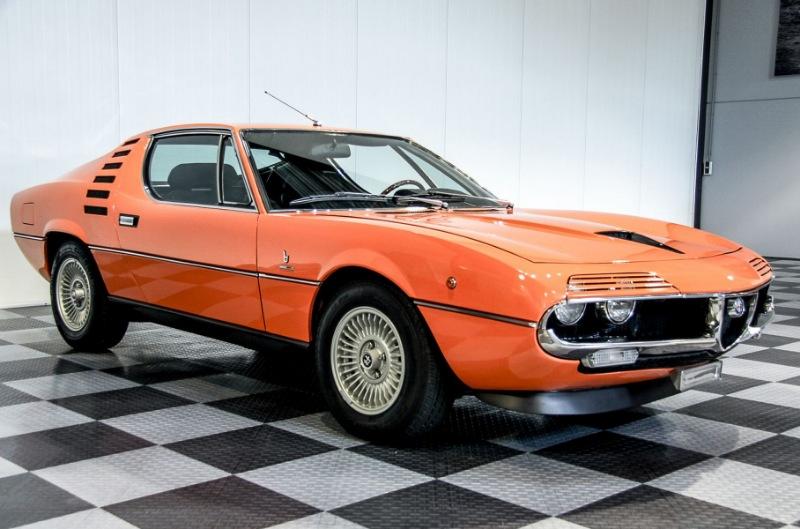
- Ferrari 308/328;
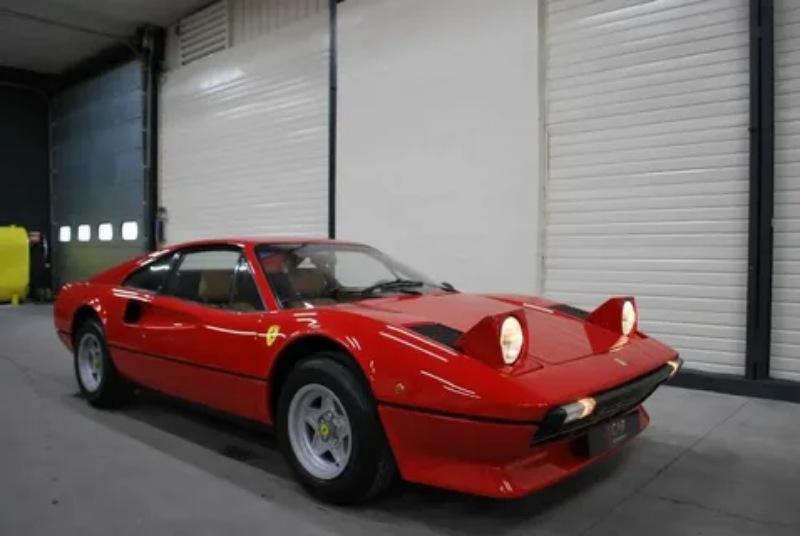
- Fiat X1/9;
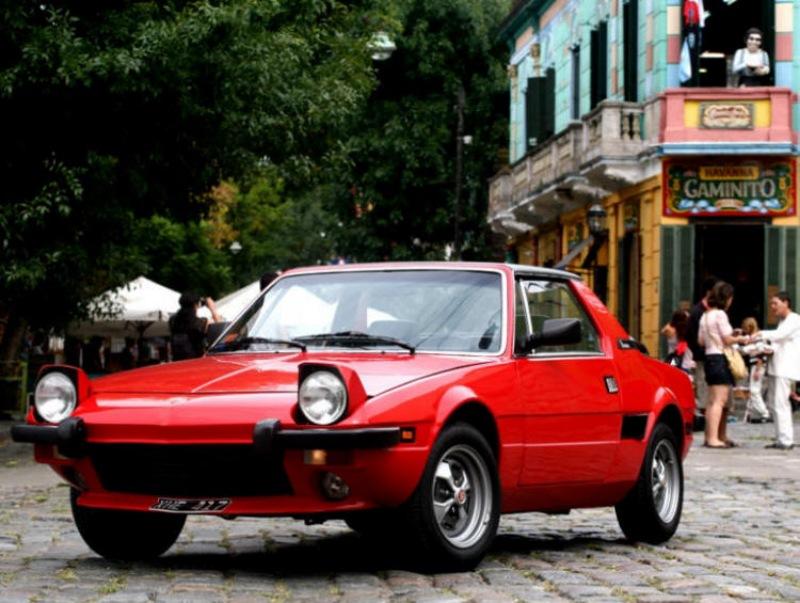
- Alpine A610;
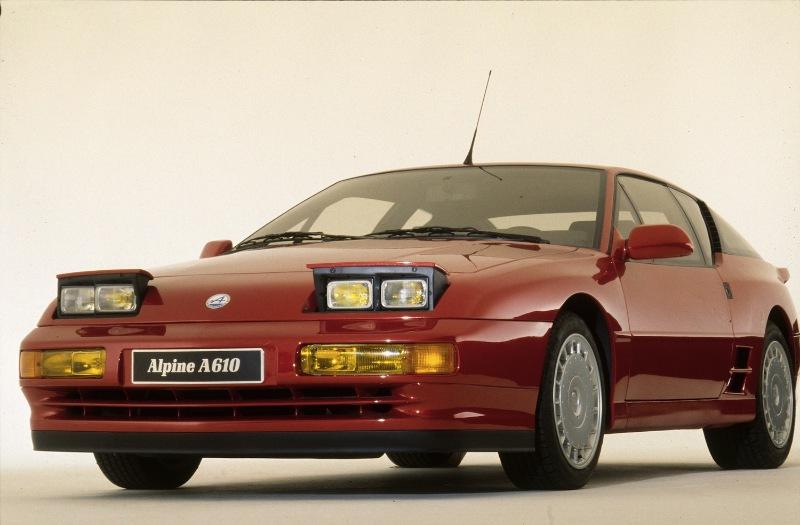
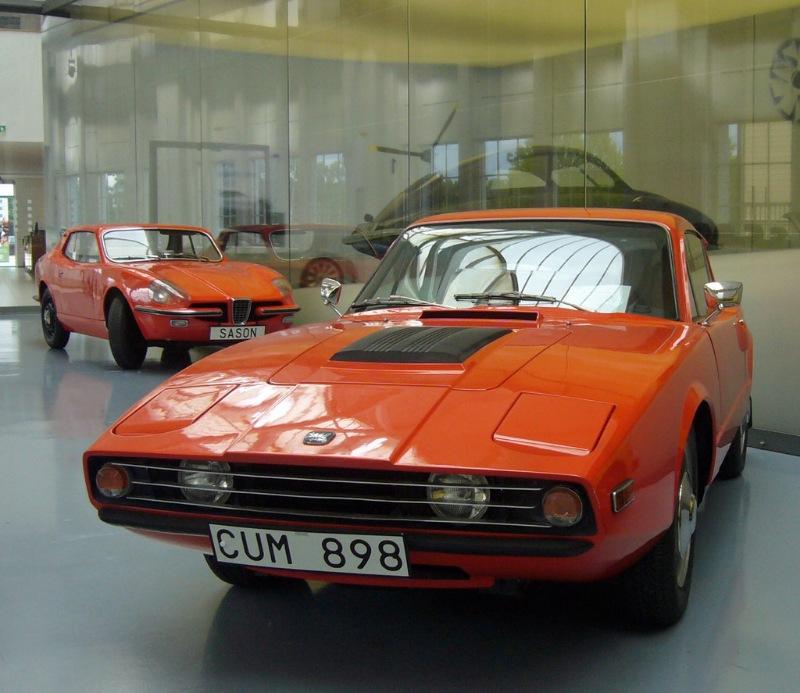
- Saab Sonett;
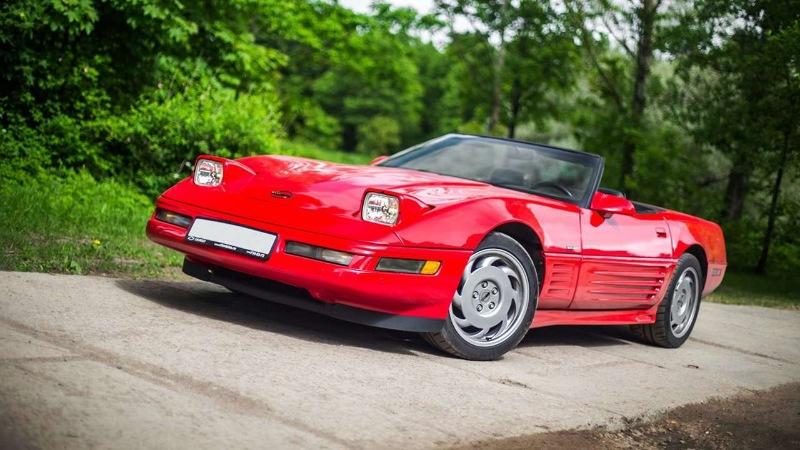
- Chevrolet Corvette C4 Stingray;
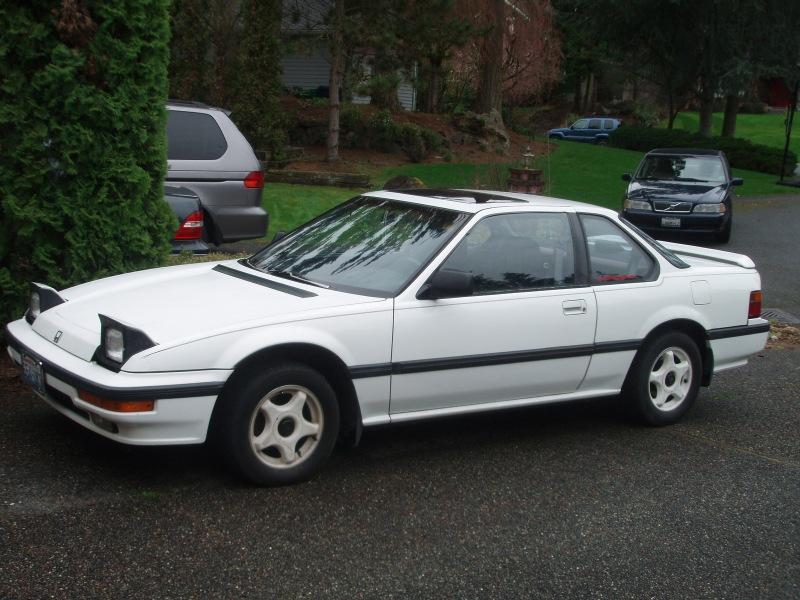
- Honda Prelude;
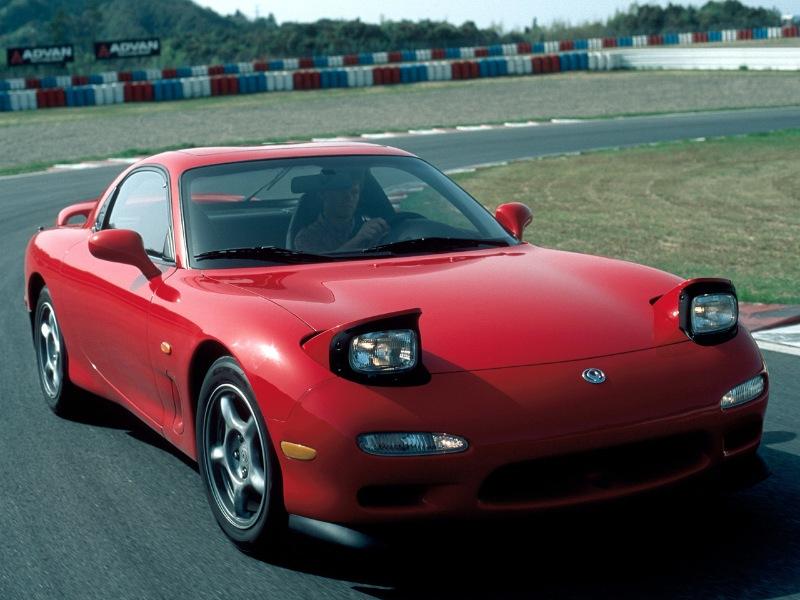
- Mazda RX-7
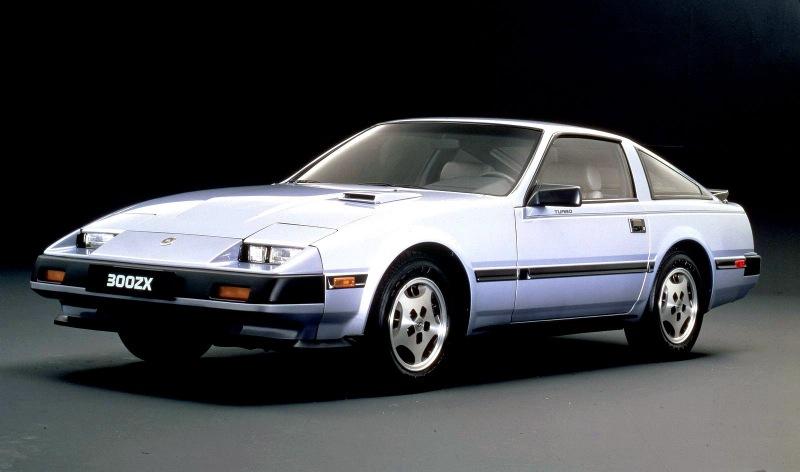
- Nissan 300ZX;
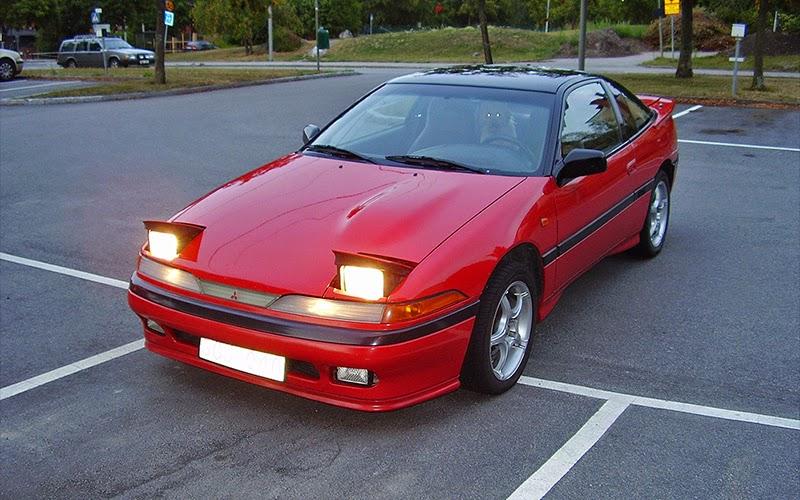
- Mitsubishi Eclipse;
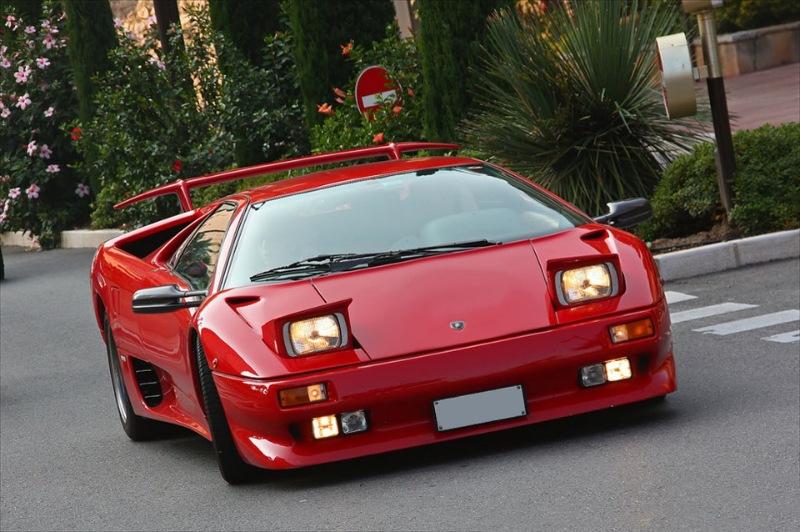
- Lamborghini Diablo;
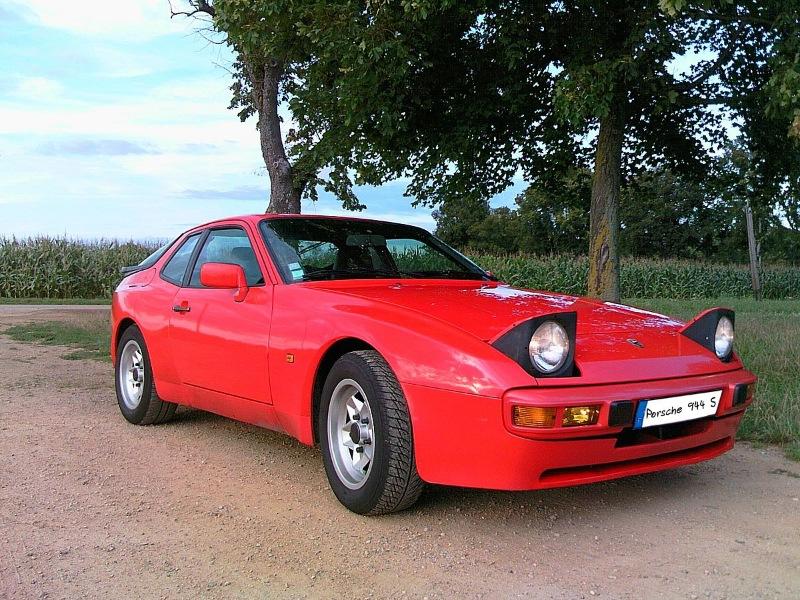
- Porsche 944S;
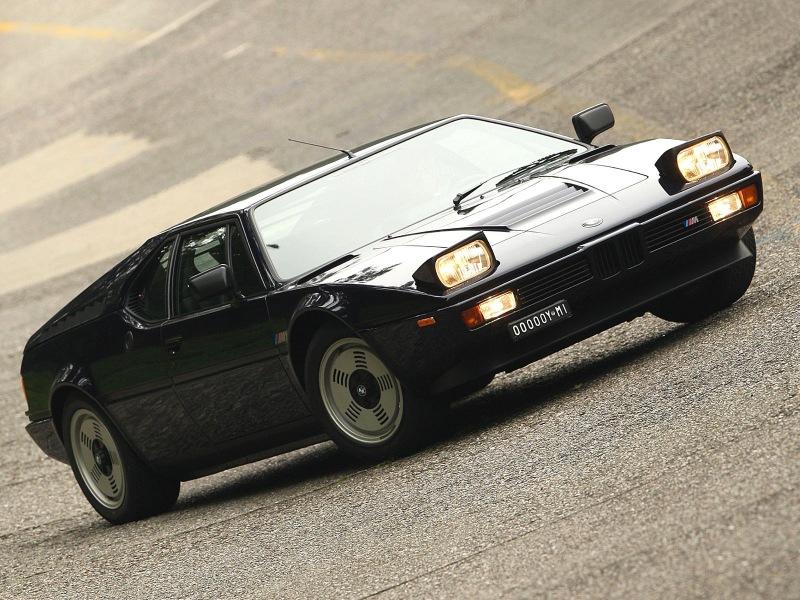
- BMW M1;
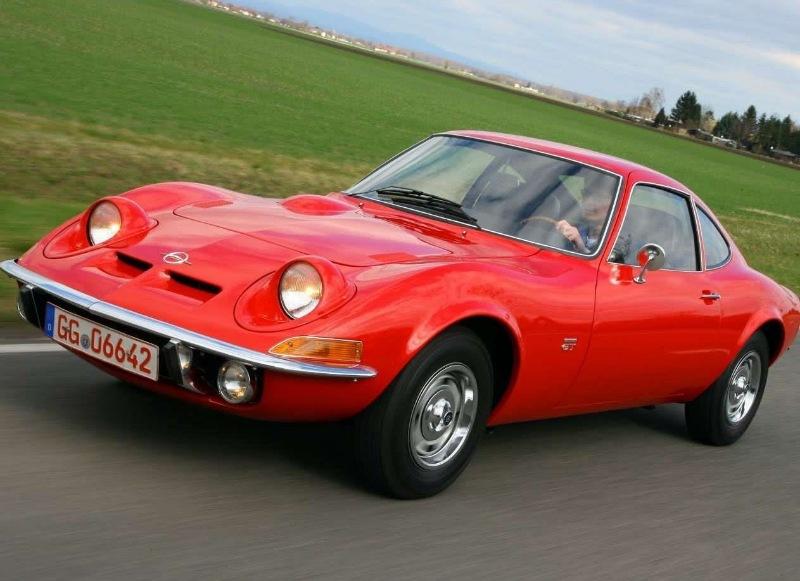
- Opel GT;
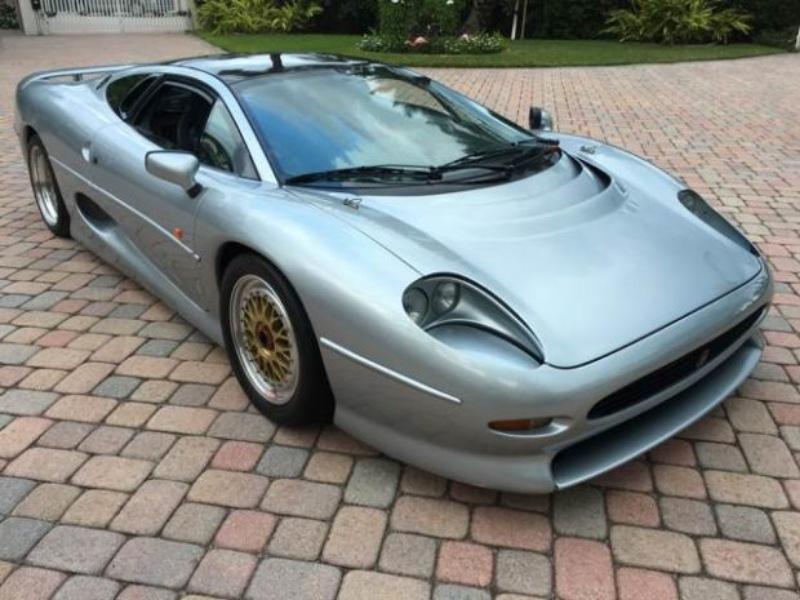
- Jaguar XJ220;
- Triumph TR7;
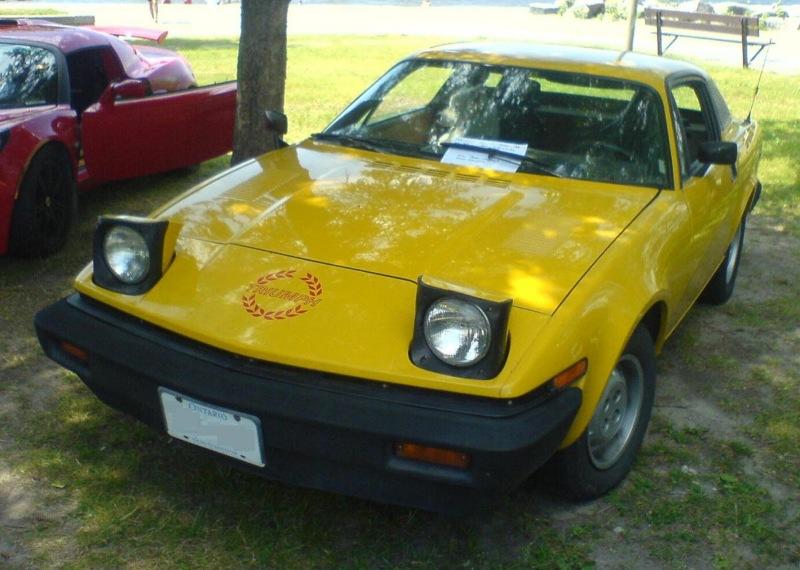
At the beginning of the 2000s, the trend for hidden headlights began to subside, and by the ban on the production of such optics in 2004, only three cars remained in production:
- Lotus Esprit 2004.
![Cars with retractable headlights]()
- Chevrolet Corvette C5.
![Cars with retractable headlights]()
- De Tomaso Guara.
![Cars with retractable headlights]()
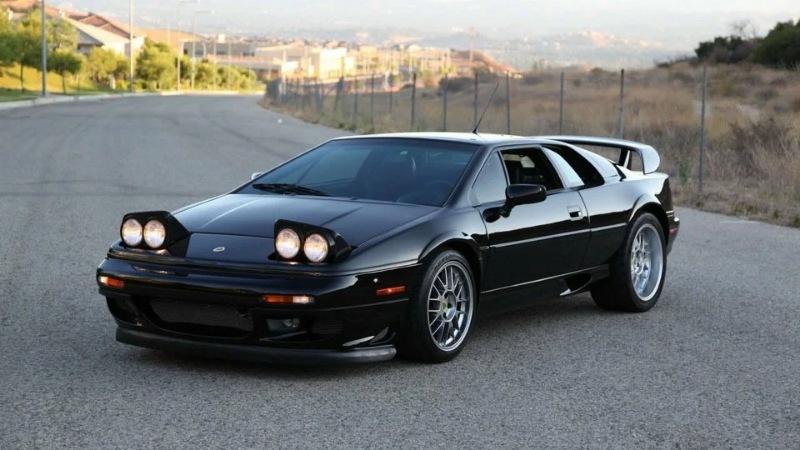
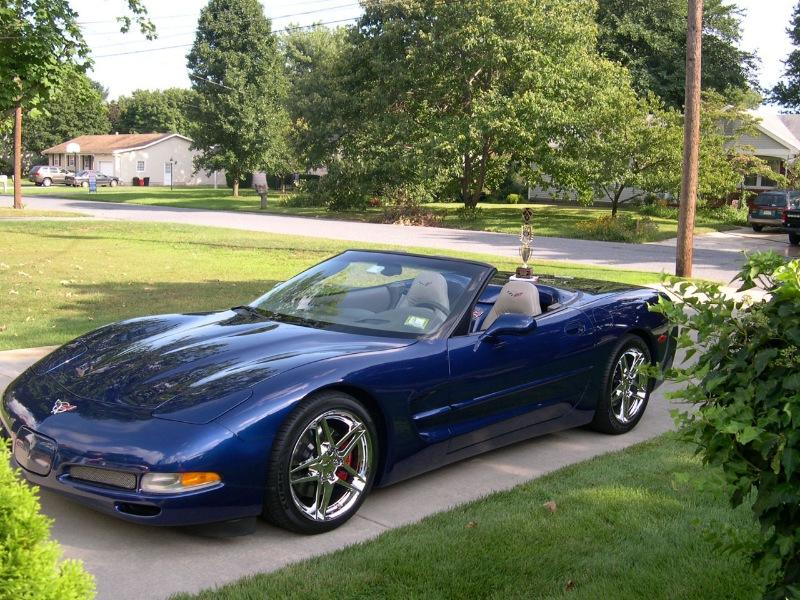
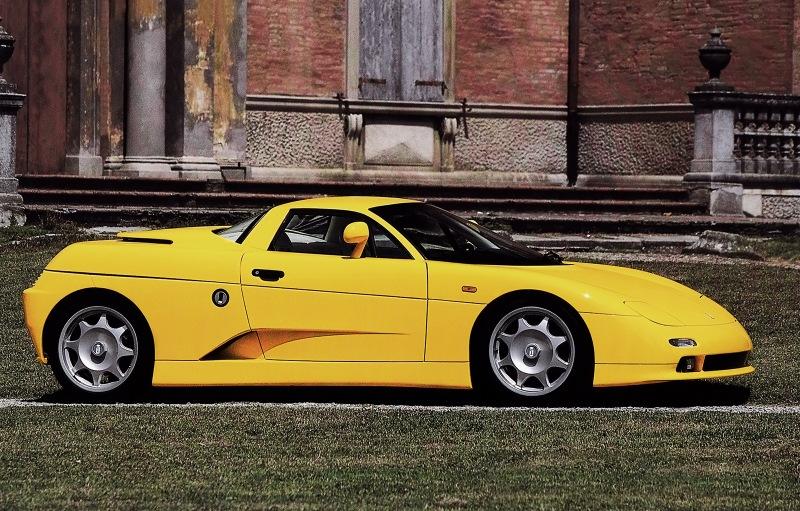
These centenarians completed the era of mass production of cars with hidden head light optics.
In conclusion, it can be mentioned that developments in this direction were also carried out in the Soviet Union and there are prototypes of sports cars with similar headlights.
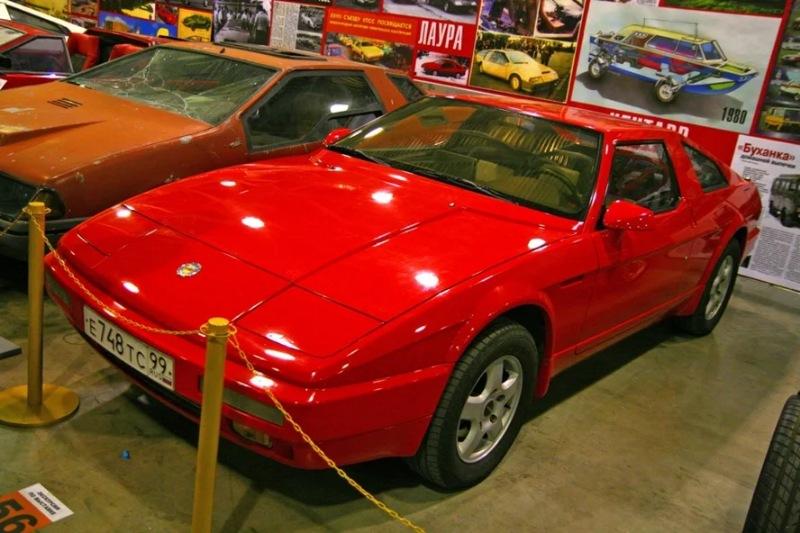
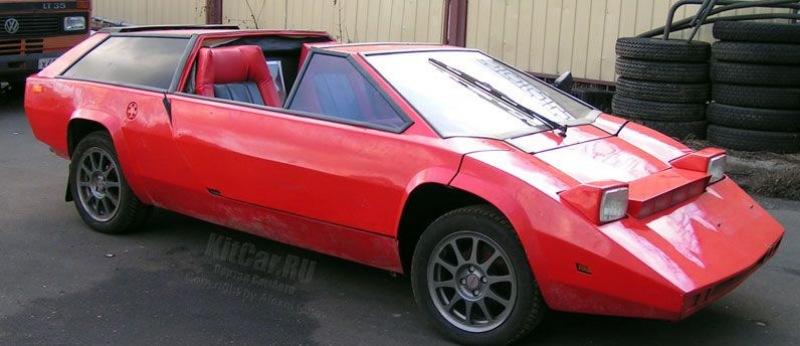
Although the maximum speeds (180 km / h for Pangolina and 200 km / h for Yuna) were quite consistent with the sports cars of that time, these concepts did not go into mass production, unfortunately.

