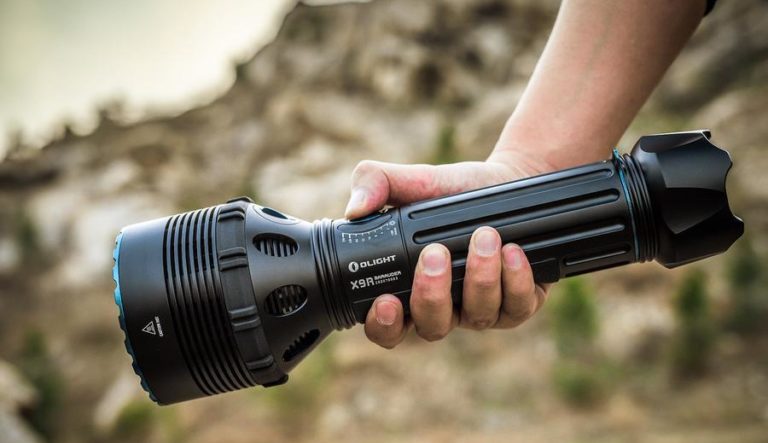
Varieties of flashlights: how not to get confused when choosing
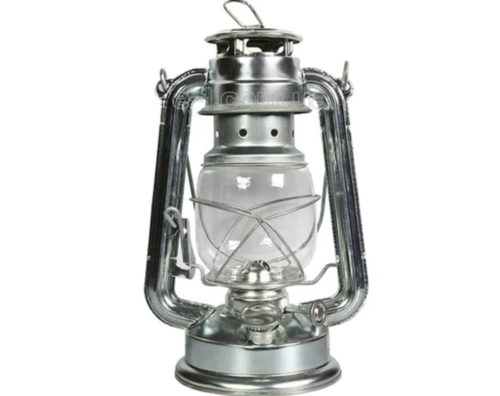
Hand lanterns, which are a candle end in an iron can with a damper, appear only in films about the Middle Ages. However, at the end of the last century, during power outages in many homes, lamps were used that worked on the principle of a burning wick. The fuel for these types of lanterns is most often oil, kerosene or diesel fuel, and until now, old kerosene stoves are found in everyday life of residents of remote settlements where it is not possible to buy batteries or stably charge batteries.
With the development of technologies and increasing their availability to the population, the use of outdated systems has become not only inconvenient, but also economically unprofitable.Of course, a lot depends on the type of device, the company, the prevalence of power sources, and these points should be analyzed in more detail.
Power source classification
Different types of modern flashlights, depending on the intended purpose, design features, use different power sources:
- replaceable batteries;
- integrated or removable batteries;
- electric generators or their combinations with storage.
The price of the device, the approach to operation, and sometimes the resource of work as a whole depend on what the light source works on.
Battery powered
In portable lighting fixtures, the following formats of chemical power sources are most often used:
- finger - type AA;
- microfinger - type AAA;
- tablets - type LR, SR and their categories;
- kegs - type C and D.
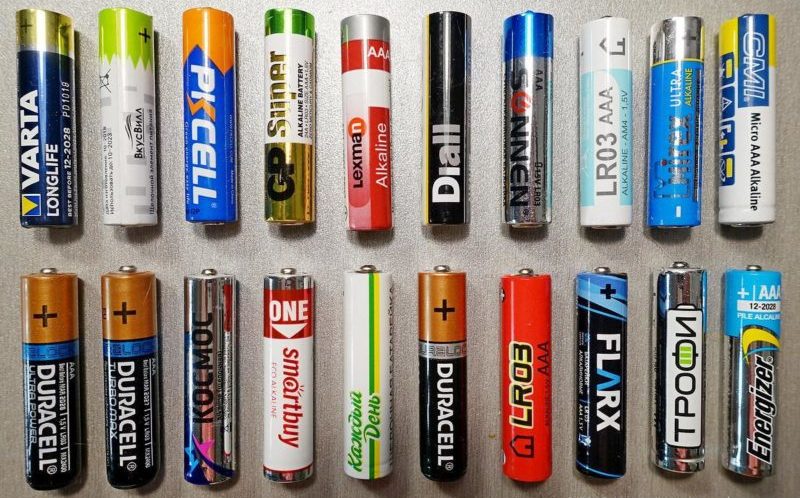
Some keg appliances have a cartridge of the same size with connectors for smaller batteries. By type of electrolyte, batteries are:
- salt - small capacity, cheap and obsolete;
- alkaline - the most common type. Trade-off between durability and cost;
- lithium - with increased capacity and maximum service life.
Flashlights on non-rechargeable batteries are designed for rare and short-term use, since it is expensive to constantly buy new ones. However, such power supplies do not discharge when stored for a long time, and the availability of batteries in most stores and supermarkets makes them the choice for those who live in well-lit cities and metropolitan areas.
Rechargeable
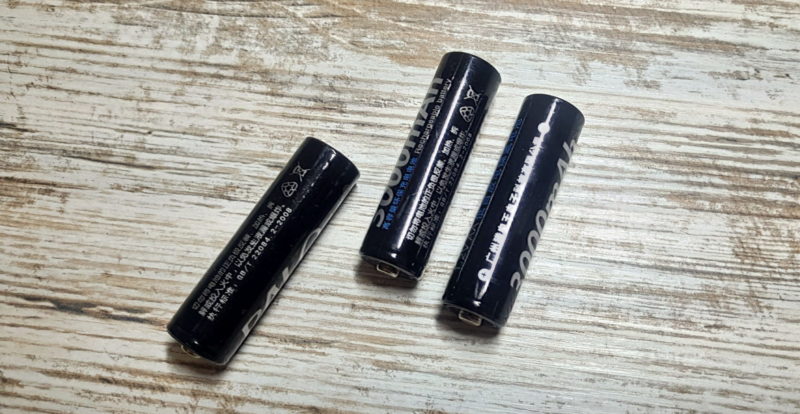
Occupy the main segment of the market due to the possibility of multiple use. There are several types of batteries depending on the device.The most popular of them:
- nickel-metal hydride - the safest;
- lithium-cobalt - capacitive, short-lived, explosive;
- lithium ferrophosphate - relatively safe with an integrated controller. Designed for several thousand charge cycles.
Most flashlights run on A, AA batteries, as well as common types 18650 and 16340.
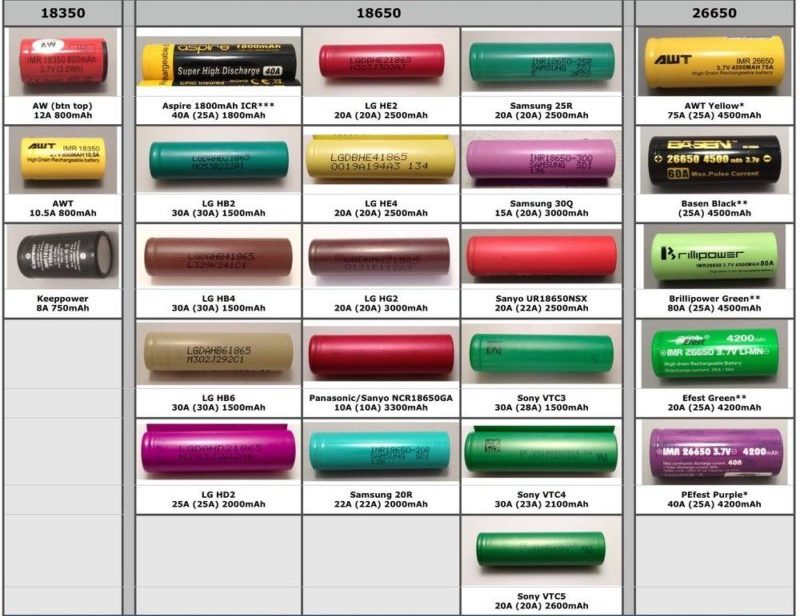
The use of batteries has its own difficulties, for example:
- availability of sources of electricity for frequent recharging;
- a decrease in the total capacity of the battery after a series of charge-discharge cycles;
- loss of charge at rest;
- fire hazard of some types of devices.
In flashlights with an integrated battery, its replacement after the expiration date or resource depletion is possible only at a service center. Self-replacement is associated with the difficulty in finding the original type of battery or selecting an analogue, as well as knowledge of electrical engineering. The battery life is on average 5 years, and the number of cycles depends on the specific company.
It should be said that self-respecting manufacturers of lighting devices supply flashlights without batteries, and you have to purchase them separately. At the same time, most little-known companies, especially Chinese ones, write unreliable data on the capacity of the batteries they produce, and you can check the real characteristics of the battery only with the help of special testers after purchase. In this regard, the purchase of budget power supplies with a capacity of 5000 mAh or more does not make sense. At best, they will give out half of the declared figures, and one can not talk about the durability of such elements.
With electrical device
Lanterns with a generator are:
- working by rotating the handle, as in a manual meat grinder;
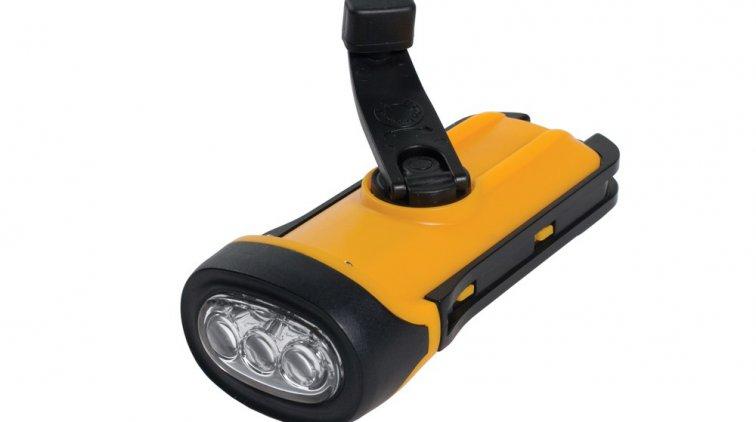
- acting from squeezing the lever, as on a spring expander.
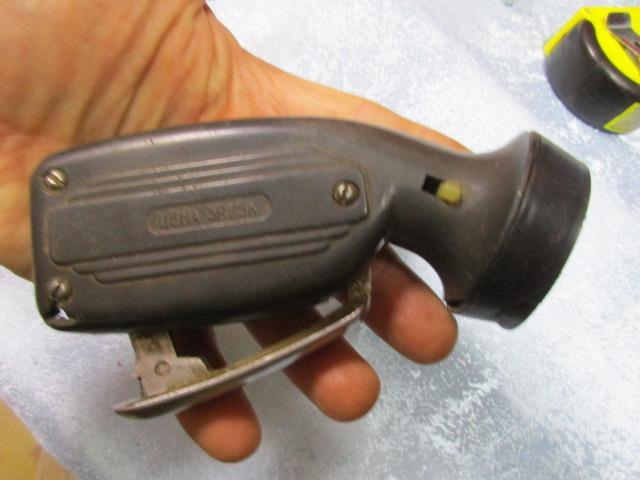
The dynamo also has a certain life, but some branded manufacturers claim that their generators can produce alternating current for 70,000 hours of continuous operation. The experience of using some samples really shows that they are almost eternal. The disadvantage of generator flashlights is that work must be done to maintain the glow, which takes up the hands.
As soon as the rotation stops, the light goes out. Manufacturers coped with this problem by placing a storage battery in the device. Thus, a few minutes of crank rotation provides several minutes of glow. This makes it possible to perform short-term manipulations with the hands and maintains a stable level of luminescence without dips in amplitude. Some models are equipped with a USB-output for recharging mobile phones, which makes them indispensable for hiking, where there is no access to the mains, and the climate does not allow full use of solar panels.
Views depending on the light source
The second, but no less significant factor that determines the effectiveness of mobile lighting devices is the lamp. Technical solutions were moving in the direction of increasing the range and brightness of the glow, as well as the duration of the light element. Leading characteristics for lamps that you need to pay attention to:
- lumens (Lux or Lm) is a unit of measurement of the strength of the luminous flux. As the number of lumens increases, the distance of the light beam increases;
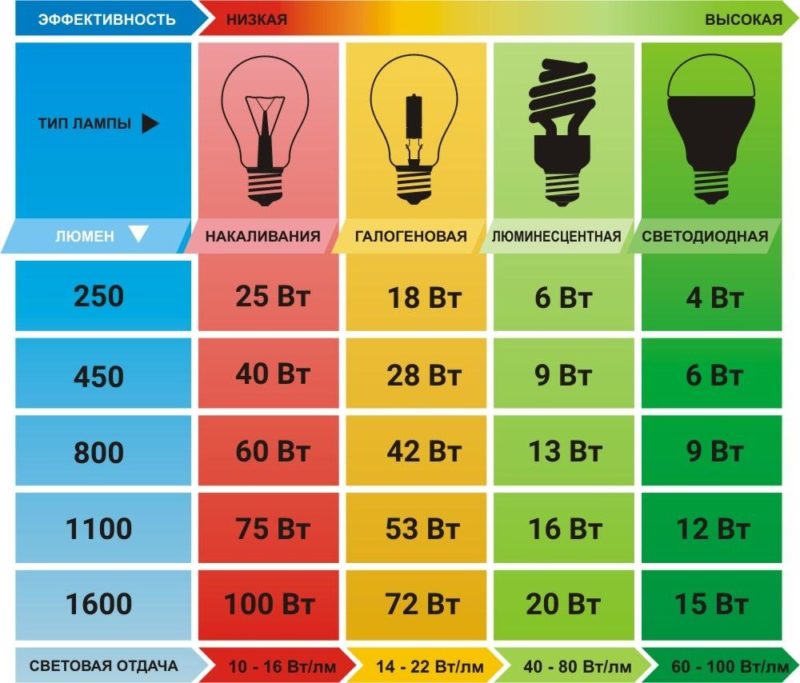
- Kelvin (K) is a unit of temperature in thermodynamics.With regard to light sources, kelvins measure the color temperature, while the larger the value, the colder the color.
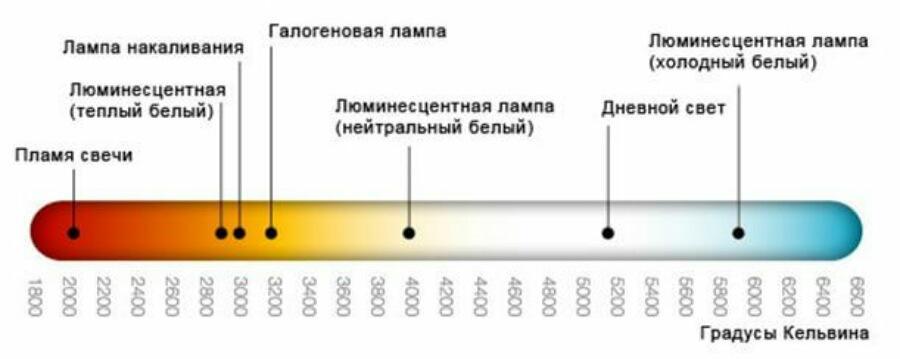
incandescent lamp
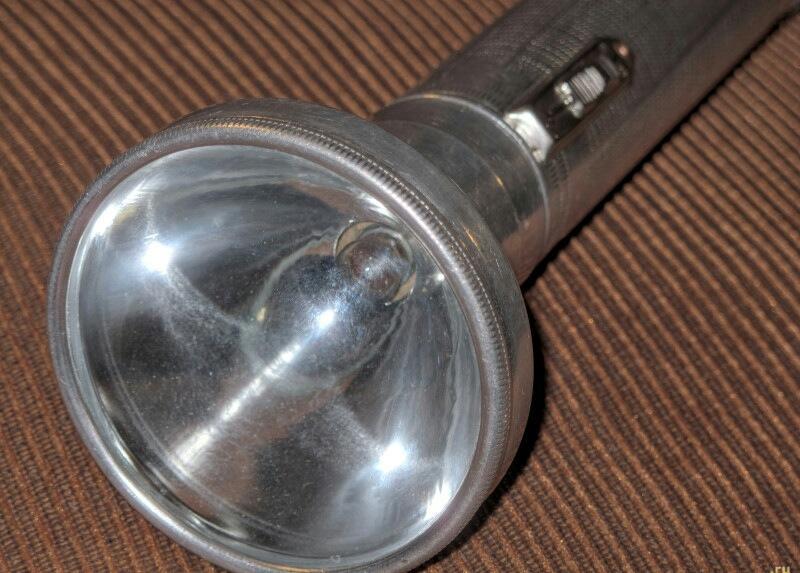
Tungsten or carbon filament in an evacuated flask. An electric light source that gives a yellow glow in the thermal range up to 2500 K. Flashlights with incandescent lamps are practically no longer produced for the following reasons:
- weak glow with high power consumption;
- relatively small resource;
- mechanical instability;
- tendency to burn out the thread with an unstable battery.
Now this type of lighting is found only in obsolete mining and some emergency lights, but their replacement is a matter of time.
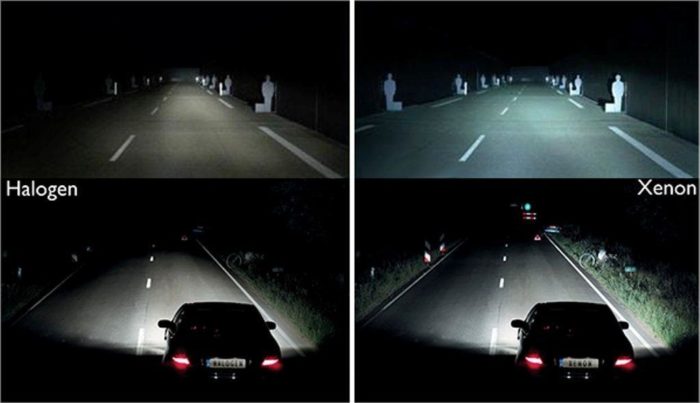
Halogen lamp
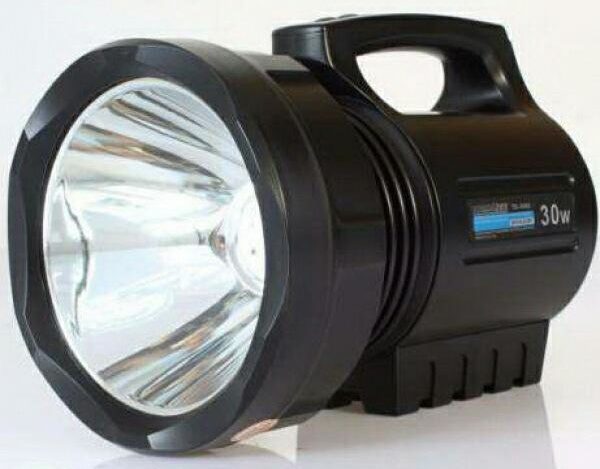
An inert gas, halogen, is pumped into a flask with an incandescent filament. This made it possible to achieve an increase in brightness by 30%, and extend the life of the lamp several times. At the same time, the power consumption still does not correspond to the required efficiency, and heating the light element with a power of 15 W in the "turbo" mode to 300 ° C complicates and makes the design heavier, since the housing in the reflector area and the reflector itself must be heat-resistant with a layer of thermal insulating material.
Most of the samples of manual halogens are bulky and weighty. Such spotlights shine brightly, but only in turbo mode, designed for several minutes. During this time, the light source reaches the peak of its temperature, and the batteries sit down by 20-30%. Further operation of the device continues on the cooling elements of the structure with a brightness of 50-60% of the original.
xenon lamp
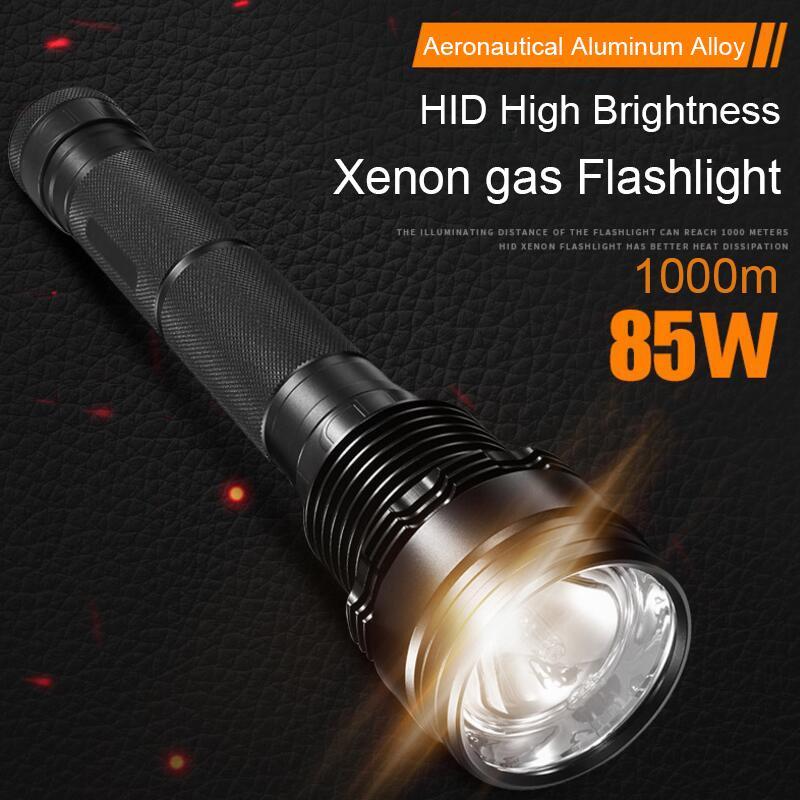
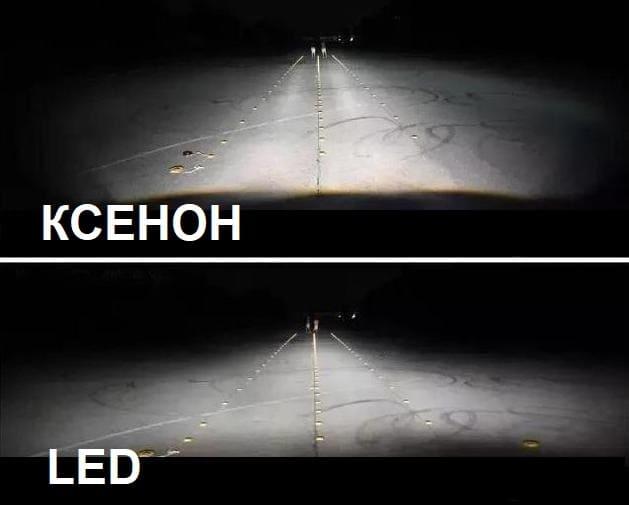
Works on the principle of gas-discharge lighting devices. The main area of application is automotive light, and, thanks to good color reproduction, night photography and video filming. It shows impressive results in portable zone lighting devices, but the ratio between power consumption and light output allows such spotlights to work for 2-3 hours, depending on the type of battery. In fact, this is a manual car headlight. The advantages of xenons include:
- high power;
- natural color reproduction - the spectrum of light is close to the sun;
- low heat.
Main disadvantages:
- low resource - degradation by 30% after 3000 hours of operation;
- cost - from $ 200 for an average quality device.
LEDs
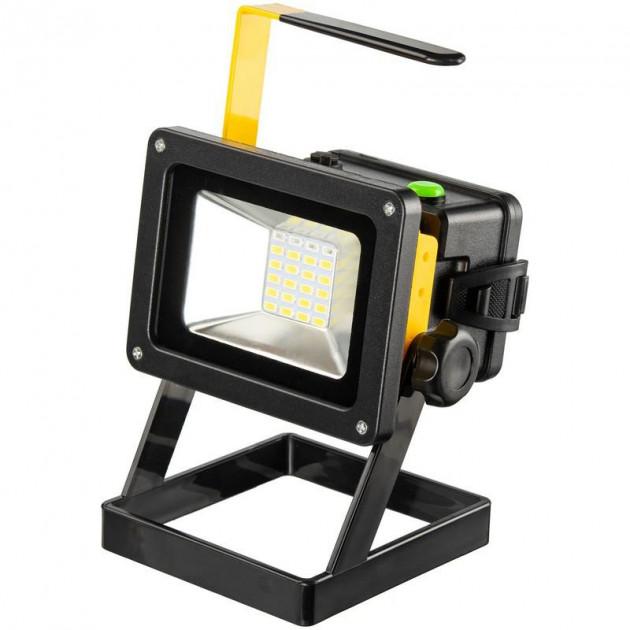
Almost all lighting fixtures gradually and inevitably migrate to this light source. There are only two complaints about LED elements:
- High heating of elements with a light output of more than 3000 lumens in devices with passive cooling, without a high-quality heat sink;
- Abuse by manufacturers of the cold spectrum of the glow to increase the range.
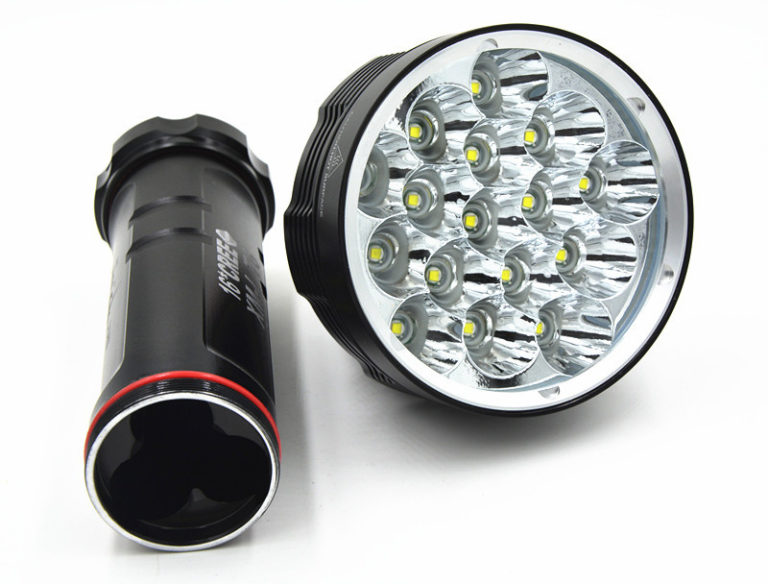
The first problem is solved by increasing the mass of the structure by placing radiators and thermal insulation. The second one remains relevant, since the range of LEDs with soft light and high brightness is small, and the white-blue light from cheap LED lamps does not allow you to distinguish the colors of illuminated objects and dazzles your eyes. Otherwise, LEDs are devoid of all the shortcomings of previous generations of lamps due to affordability, compactness, impact resistance and a resource of 50,000 hours of operation.
Types of lanterns depending on the purpose
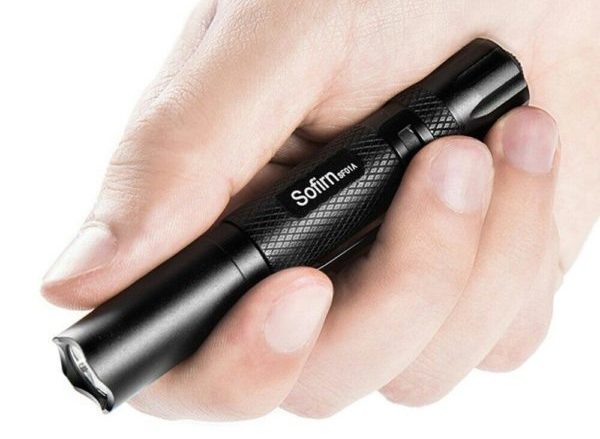
1.EDC or pocket - small low-power flashlights with a glow range of 20-25 m. As a rule, they work on battery-powered LED elements.
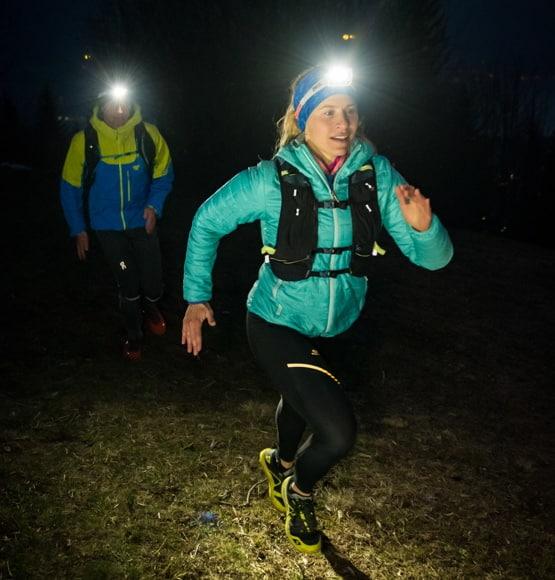
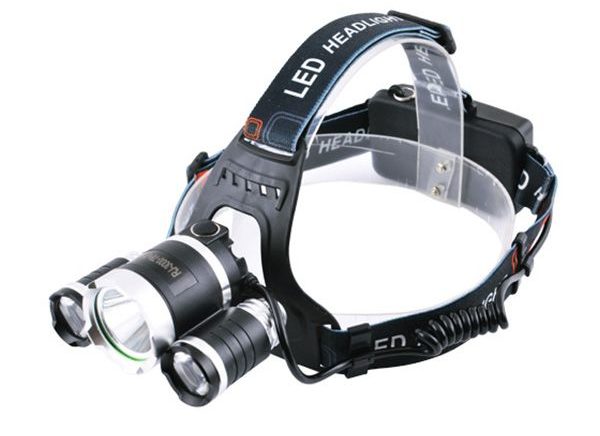
2. Tourist - Shock-resistant and moisture-resistant hand or headlamps. Work from accumulators or the manual electric generator.
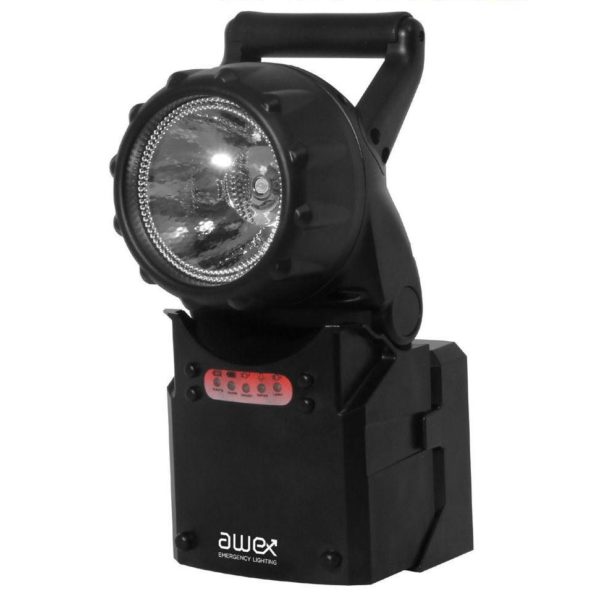
3. Emergency - moisture-resistant explosion-proof devices that allow you to work in gassed rooms. They are stored in emergency stowage and cabinets, so they are powered by batteries.
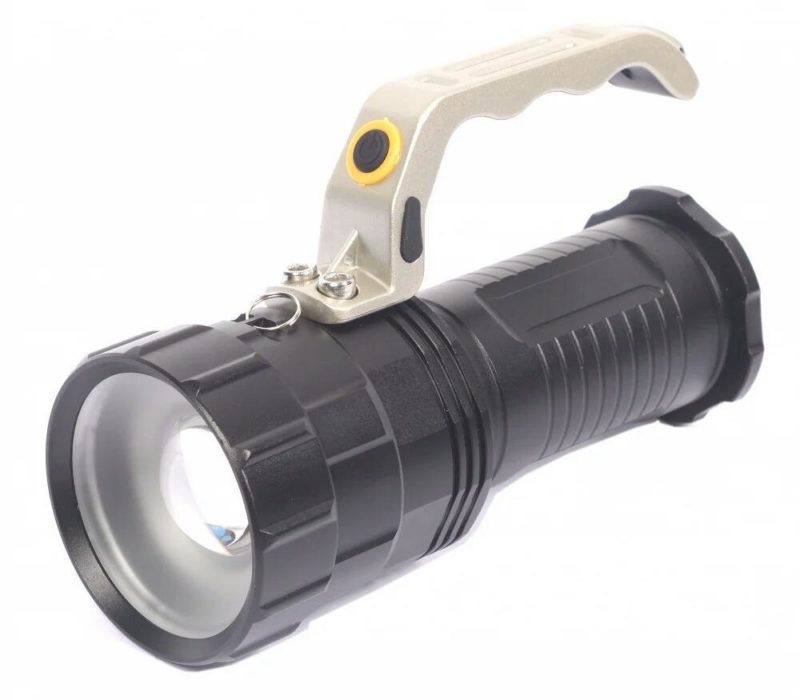
4. Search engines — powerful xenon or LED floodlights with warm light in the range of 3500 K, "penetrating" through fog, rain, smoke. Sometimes they weigh up to 3 kg, they are powered by a battery.
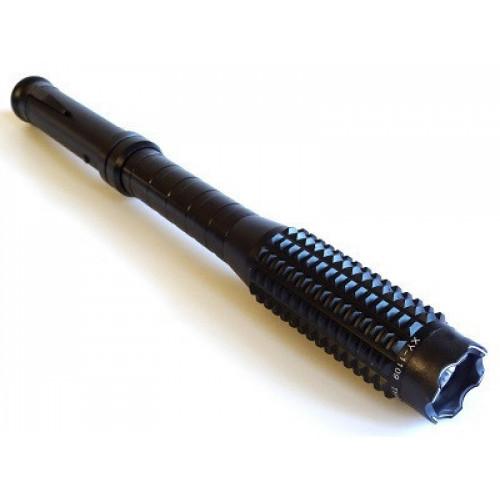
4. Security - are a shock-resistant baton, sometimes combined with a stun gun.
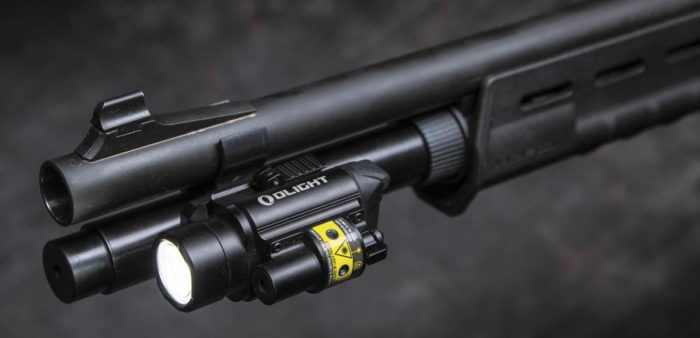
5. Tactical - compact devices mounted on the receiver or the barrel of a firearm. Resistant to strong recoil of large calibers, they have a remote power button on a wire, attached near the handle.
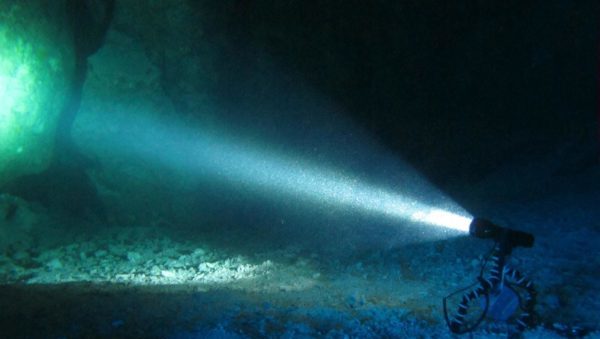
6. Diving - hermetic, with a lamp that "pierces" through the thickness of muddy water.
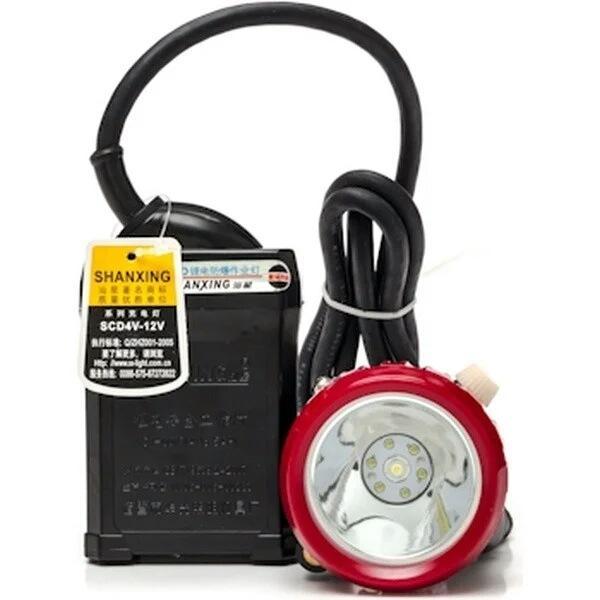
7. Mining — explosion-proof headlamps with high-capacity batteries.
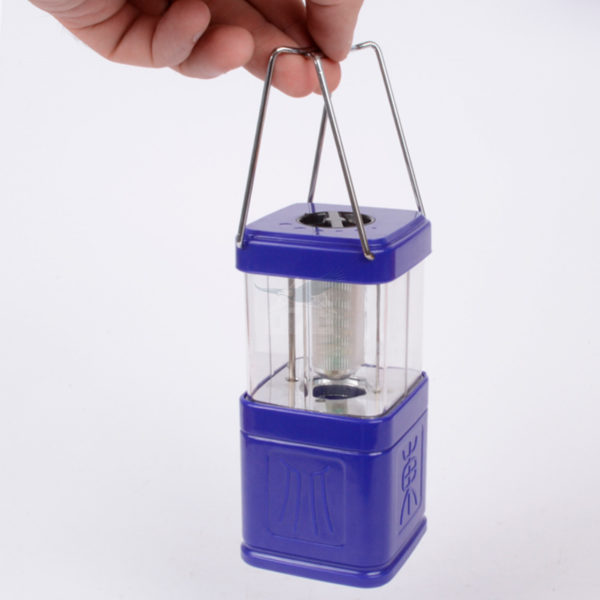
8. Camping - 360° luminous, temperature-resistant lamps. Mounted on a stand, fastened with a magnet or hung on a rope.
How to choose the right flashlight
When choosing any flashlight, the focus is on:
- build quality - all structural elements must be tightly fitted, not have chips, cracks, play, not rattle when shaken;
- complete set - self-respecting manufacturers do not load a lot of "usefulness" into the box with the device;
- compliance with the declared characteristics - it is checked using a luxmeter and testers.
Often, the glow strength indicators indicated by the manufacturer correspond to the figures in turbo mode. Serious brands make a footnote that, for example, their product produces 4000 Lux with a drop to 2800 Lux after 3 minutes of turbo mode.
The best indicators of color rendering and "penetration" lie in the temperature range of 3500-4000 K. Models with these characteristics are preferred by rescuers and searchers.
Thematic video: How to choose flashlights.
Leaders in production
ArmyTek
Canadian company with factories in China. The designers of the organization, who have worked in the space industry in the past, prioritized LED lamps and versatility. Most of the samples come with a kit or are purchased separately for mounting a flashlight on a bicycle, head, backpack, even on the hood of a car using a magnet.
Recommended for viewing: The coolest ArmyTek flashlight
Bosch
German quality, practically no flaws. Most of the Bosch lighting products are hand and head lamps designed to work in construction and repair conditions, with a high level of dust and vibration.
Energizer
A company from the USA, which began its journey with the production of power supplies. Made a bet on high technology. Releases samples with wireless charging, touch control and smart turn on when wrapped around the hand.
ERA
Domestic manufacturer of lighting fixtures. He relied on efficiency and reliability, which made it possible to fulfill government orders for the Russian Ministry of Defense.The assortment is small, but the company has already filled the main niche with quite competitive samples.
Fenix
Perhaps the only Chinese brand that deserves attention. The company was one of the first to give a guarantee for products for a period of 2 years. Part of the components, including LEDs, the organization buys from the United States and Japan.
space
Chinese budget segment. The quality is noticeably inferior to most competitors, but the prices for products are quite affordable.
LED Lenser
German brand with facilities in China and Taiwan. He has several patents for his own technological inventions, including a method for quickly focusing light. Designed for lovers of tourism and extreme sports.
Maglite
American legend. Along with LED, it continues to produce lamp samples. There are no headlamps in the range. The company's feature is the ability to quickly change the body and convert a hand lantern to a camping lamp. In terms of reliability, the products are close to eternal.
Metabo
German manufacturer of construction tools. Lighting devices are presented in most additions for work at night. Bosch is the main competitor in this segment.