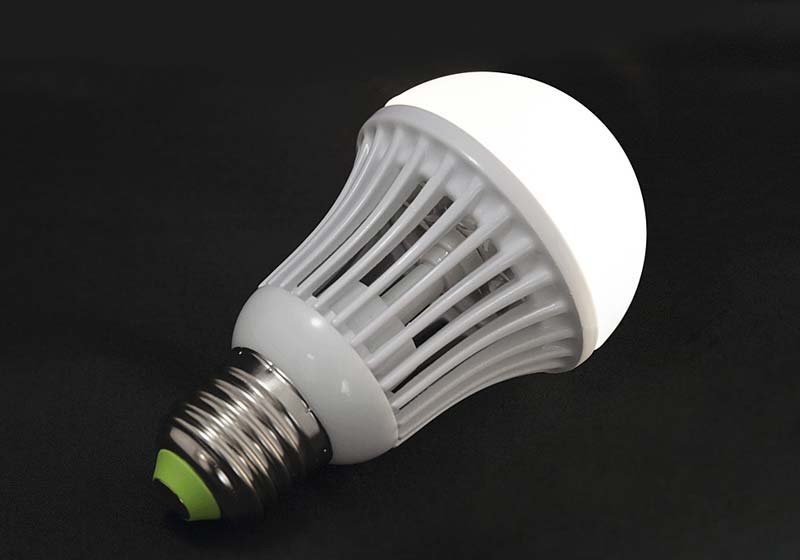
Advantages and disadvantages of LEDs and LED lamps
In the context of regular increase in electricity prices, consumers of housing and communal services began to use economical analogues of incandescent lamps. Modern interiors of apartments and households can no longer be imagined without LED lighting. But in addition to the desire to reduce the cost of light and change the decoration of rooms, it is necessary to take into account certain disadvantages of LED lamps. Consider the main disadvantages and advantages of using LED lighting.
Economy
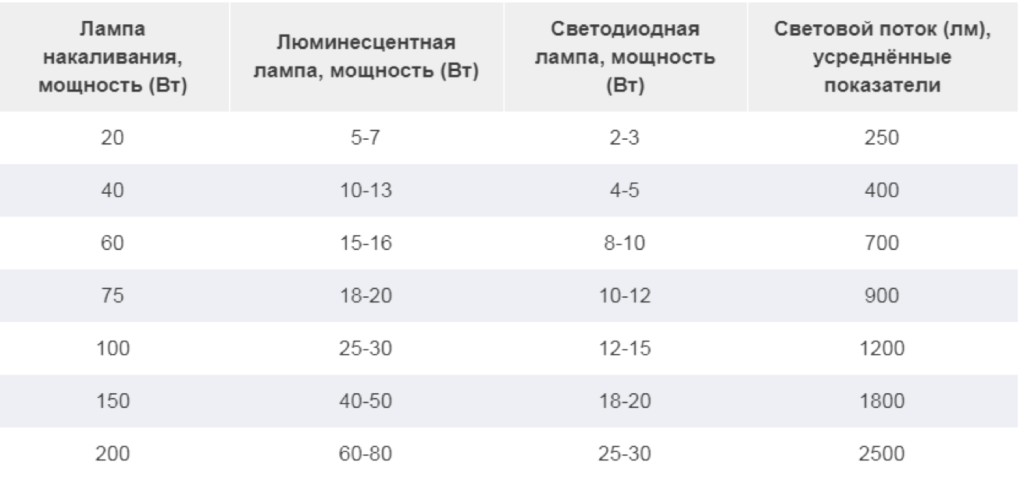
One of the priority advantages of LED elements is the minimization of electricity costs. The power level of LEDs is lower than that of incandescent lamps, so one 8-10 W semiconductor element is functionally equivalent to a 60 W counterpart with a "tungsten filament". Models with an electron-hole transition are more economical than fluorescent lighting sources, since their power indicators reach 15-16 watts.
In an attempt to minimize electricity bills, do not change incandescent lamps to LED devices in all rooms. It is more rational to provide LED lighting in those rooms where family members are used to spending most of their leisure time.
LED devices are also appropriate for the local area, which accounts for most of the electricity in autumn and winter.
Life time
LED lamps are durable. LED manufacturers declare that the warranty period for an innovative product is 2 years.
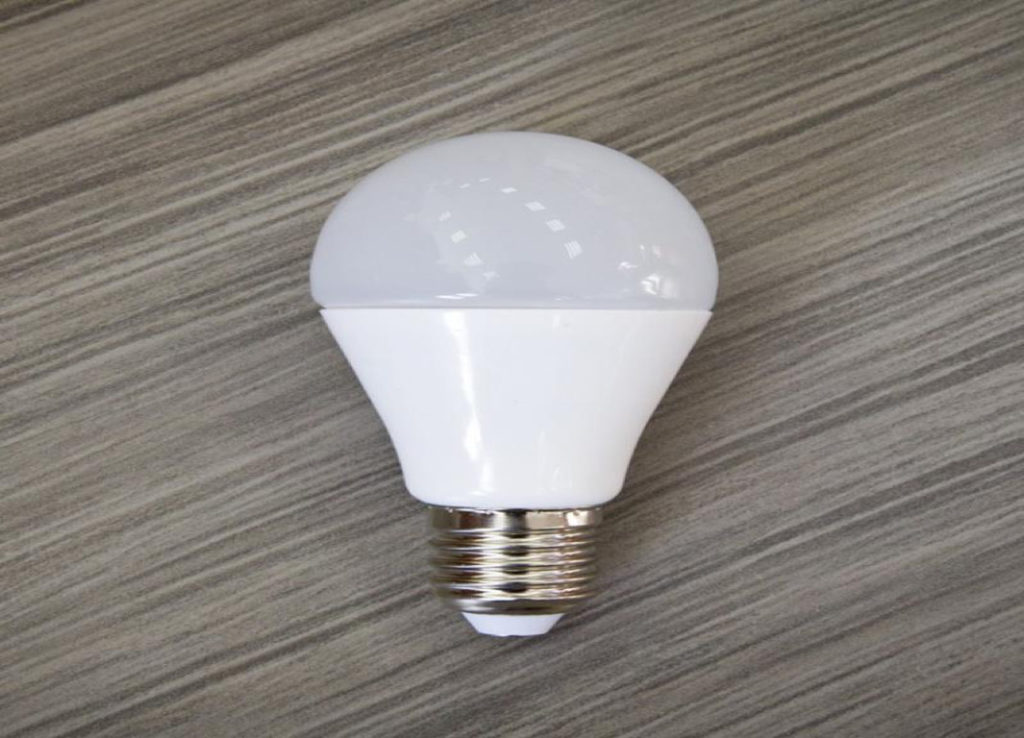
If the lamp is properly maintained, it will last at least 30 thousand hours. During the specified period of time, several dozen lighting devices operating on the principle of incandescence would have to be replaced.
But, evaluating the strengths and weaknesses of LED lamps for the home, some consumers doubt that LED elements are designed for long-term operation. Manufacturers of LED lamps may deliberately overestimate the life of LEDs, declaring that products will function for 5-10 years. In fact, in the production process they use cheap raw materials, which allows LED lamps to work no more than 1 year.
Damage resistance
Traditional light-emitting devices are not very durable, since they are based on a glass case and a thin filament.
In the manufacture of LED lamps, aluminum components and high-quality plastics are often used, so the risk of product deformation is minimized.
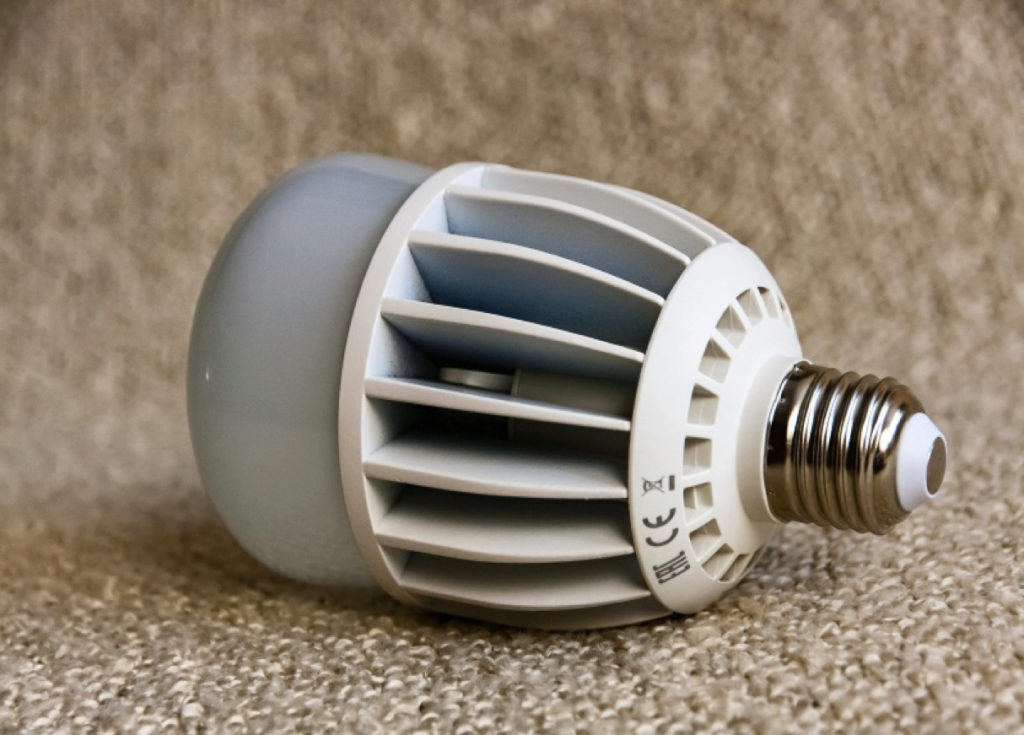
The LED product may be subject to mechanical damage in the event of a manufacturing defect.Connections soldered in violation of manufacturing standards may break during lamp operation, which is fraught with a broken circuit. In the absence of contact between the crystal and the heat-removing substrate, the probability of accelerated wear of the LED is high.
The joints that bind the components of an LED lamp are sometimes destroyed as a result of an increase in the concentration of internal mechanical stresses in the plastic. They are caused by both manufacturing defects and non-compliance with the temperature values recommended for the operation of lighting sources.
To minimize the risk of LED breakage, manufacturers began to add transparent silicone to the crystals. It allows you to evenly distribute mechanical stresses and strengthen the connecting elements between the components of the LED lamp.
Minimum flicker
The degree of light pulsation is the most important parameter when choosing a lamp for a living space. The human organ of vision is sensitive to devices with high flicker rates, which provokes frequent headaches and insomnia. The coefficient of light pulsation is fixed as a percentage. Manufacturers of consumables for sconces and chandeliers must comply with the standards specified in SNiP 23-05-95 and SanPiN 2.2.1 / 2.1.1.1278-03.
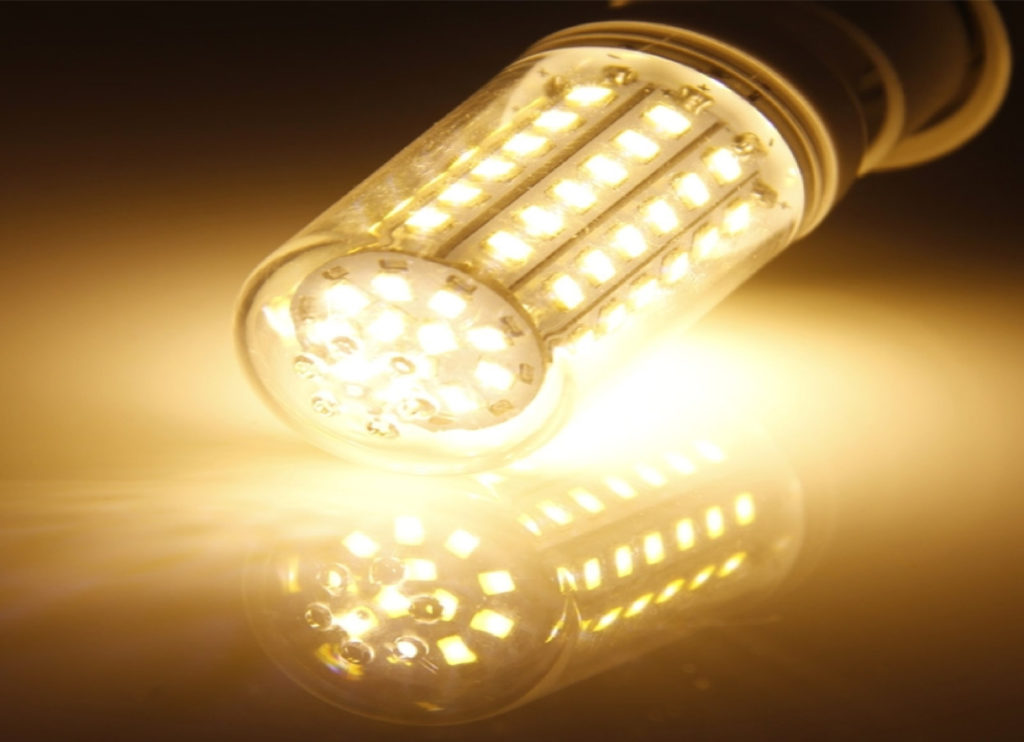
The flicker index of a lamp equipped with a tungsten filament reaches a range of 15 to 18%. For LED lighting sources, it is 4-5 times lower, since they are equipped with drivers that supply electric current to the crystal. But some suppliers of consumables are limited to trivial microcircuits in order to reduce their cost.Low-grade products, positioned as LED-lamps, have a light pulsation coefficient of 40%, which is 2 times higher than the permissible values.
Response time
An additional advantage of LED products is the speed of turning them on and off. It takes only 10 nanoseconds for the LED lamp to turn on and off. With frequent switching, the risk of dimming the light in an innovative device is minimized.
Heat transfer
The design of LED lamps does not provide for an incandescent filament that provides not only light radiation, but also the release of thermal energy, which can increase the temperature of the air and nearby objects. This circumstance guarantees high-quality lighting of perfumery products, museum exhibits, flowers and other items for which strict storage conditions are important. But a certain percentage of heat transfer in light emitting diodes cannot be ruled out, which is due to the peculiarities of the semiconductor p-n junction process. In order to level the risk of overheating of parts in LED lamps, manufacturers are forced to equip products with elements that provide high-quality heat dissipation.
Safety
Often, LEDs heat up no more than 50 ° C. Innovative lighting sources do not cause significant harm to human health, unlike incandescent lamps, which reach temperatures ranging from 150° to 200°C. The body of the LED lamp is made of plastic, and the product is equipped with a steel base. The basis of a semiconductor light source is a printed circuit board, diodes and a driver. The flask of the LED device is not filled with gas and is not sealed.
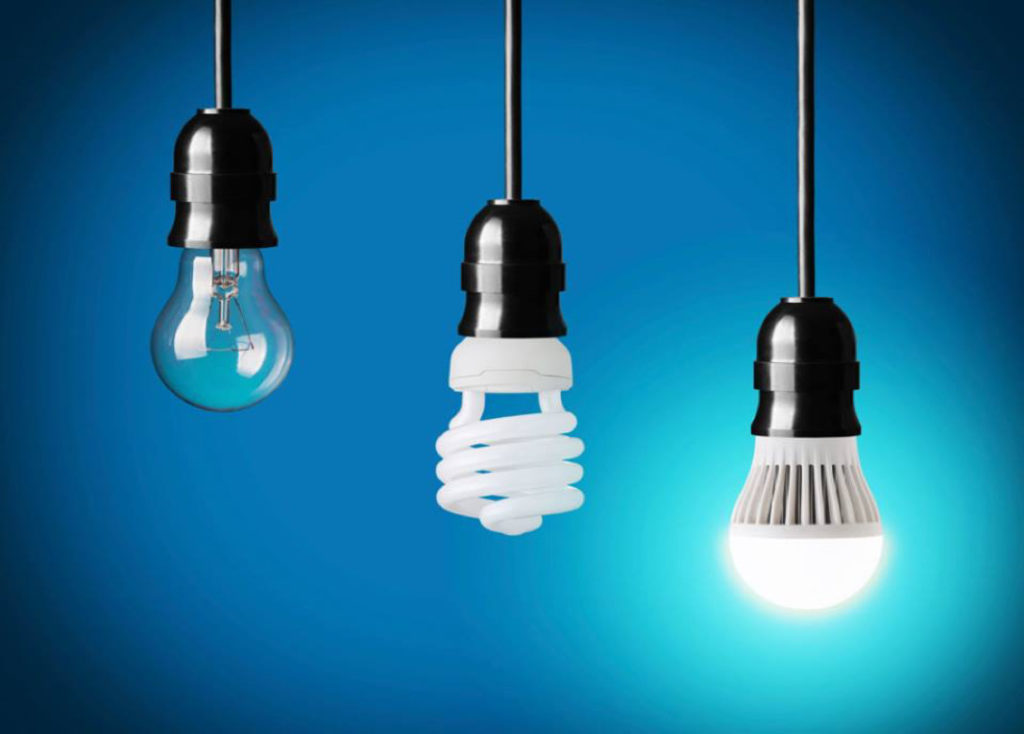
According to the degree of concentration of harmful substances, LED lamps are similar to most models of electronic devices that operate without a battery. One of the indisputable advantages of LED devices is a safe mode of operation.
When choosing an LED device, it is necessary to analyze the color temperature of the model. If its performance is high, then the intensity of radiation in the blue and blue spectra will be maximum. The retina of the eye is most susceptible to blue tint, which can impair vision over time. It is not recommended to mount LED-elements emitting a cold color in children's rooms.
Warm light causes the least damage to the eyes. It is recommended to use LED devices whose color temperature range is 2700-3200K.
Environmental friendliness
LED lamps are safe light sources for the environment. Mercury is not used in their manufacture (unlike luminescent analogs and devices with a tungsten filament). The only risk of damage to the innovative device is cuts from fragments of the flask. Due to the low heat transfer coefficient, the LED lamp will not explode in the hands, and special places are not required for its disposal.
Price
The price of LEDs reaches 200-700 rubles, depending on the model of the device and the purpose of its use. Some consider the high cost of the LED lamp to be its main disadvantage, since tungsten filament light sources and fluorescent products are sold cheaper.
But if we compare the service life of LED devices and alternative consumables, then the choice of a device with an electron-hole p-n junction will be obvious.
Difficulty of replacement
Often there are cases when LED-elements cease to function after 6-12 months of operation. Given the high price of innovative lighting sources, some are trying to repair them themselves. In 90% of cases, premium lamp models are equipped with only one diode. If it fails for any reason, then repairing the product will become impractical, since you will have to pay dearly for the part that needs to be replaced. LED lamps of the "economy" category often break down ahead of time due to the poor quality of work in their manufacture, so spending time on repairing such models is futile.
We advise you to watch the video: "LED lamps: pros and cons."
Advantages and disadvantages of LEDs
Light-emitting diodes - LED (light emitting diode) or LED - as sources of electric artificial light have many advantages. Compared to traditional incandescent lamps LN, incl. and halogen, they are more energy efficient. This is confirmed by such a parameter as light output. For example, light output, i.e. the ratio of the amount of light that a light source produces to the power consumed by different sources has the following values, in Lm / W:
- for conventional incandescent lamps - from 4-5 to 12-13;
- for halogen ones - from 14 to 17-18;
- for luminescent ones - from 45-50 to 70;
- for discharge metal halide - from 75-80 to 100-105;
- for LEDs and powerful discharge sodium lamps - about 110-115;
- promising LEDs have about 250-270.
Other pluses include:
- long service life, which is 10-100 times longer than the nominal service life of incandescent lamps;
- efficiency significantly larger than other light sources;
- the highest reliability is ensured by the mechanical strength of the solid-state crystal, soldering on large planes of contact pads, small dimensions and weight of the instrument case, etc.;
- electrical safety - the operating voltage does not exceed 12-18 V and only some LED products are powered directly from the 230 V network;
- safety for human health and nature - the materials used in the construction are neutral or low-hazard, while in other energy-efficient light sources - discharge lamps, fluorescent tubular, compact, induction, etc. mercury is used - a material of the 1st hazard group, which has the ability to accumulate in the human and animal body;
- sufficiently high quality of light: different color temperatures, accurate color reproduction, low level of light flux pulsations, etc.;
- work in different climatic conditions: at high humidity and dust content of air, at a temperature of minus 50-60℃;
- instant exit to working mode. For discharge lamps, this takes from 30 seconds to several minutes;
- unlimited number of inclusions. Luminescent light sources have from 7-8 to 20-25 thousand inclusions;
- high stability of parameters in time.
Thematic video
White LEDs with a three-component phosphor have 3-5 spectral lines in the emission spectrum, and modern gas-discharge lamps have 2-3. Therefore, LEDs have a higher color rendering index than fluorescent lamps.
But LEDs also have their disadvantages:
- upper operating temperature limit not exceeding 80-100℃;
- high cost, but it is offset by long operation and a minimum of maintenance.
Some varieties of LEDs are manufactured to provide the desired shade of white light - from super warm to very cool, or almost any color. Adjustable LEDs - RGB triads, triples of multi-colored crystals in one package, allow you to get any white or color shade. In lamps, strips and rulers, LED-based modules, these possibilities are even greater.
Conclusion
LED lighting sources have more pros than cons. Modernization of LED production technologies will increase their power characteristics and optimize the cost of innovative products for the mass consumer. Subsequently, it will be possible to significantly save the family budget on electricity bills.