Where do the high and low beam headlights turn on?
Along with other rules of the road, the topic of using lights is one of the most difficult for two reasons. First, in different countries, the regulatory legislation imposes different requirements on drivers. For example, Ukrainian traffic rules require turning on the dipped beam at any time of the day only from October 1 to May 1, and in the Russian Federation this requirement must be observed all year round. Secondly, vehicle manufacturers equip their cars with lighting equipment in different ways. If now you don’t really surprise anyone with daytime running lights, then for the most part these parts are not yet on cars produced before the 2000s. The same applies to the control of lighting devices, implemented differently on different machines. On some tricky models, turning on the headlights can be a challenge. But still there are provisions that are common to everyone, and we will analyze this topic using the example of the legislation of the Russian Federation, which is relevant at the time of 2021.
Where and how do the headlights turn on
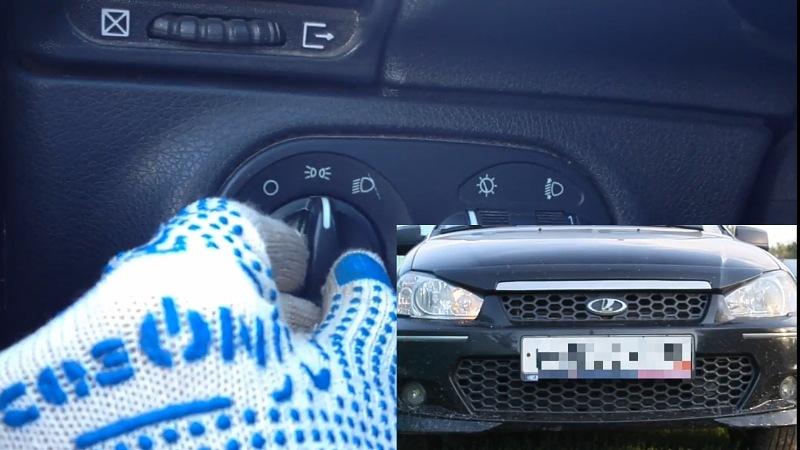
Regarding the location of the headlight controls, automakers have a tradition of installing them in one of three places:
- On the dashboard, to the right of the steering wheel.
![Where do the high and low beam headlights turn on?]() In the form of a toggle switch or push button.
In the form of a toggle switch or push button. - On the dashboard to the left of the steering wheel.
![Where do the high and low beam headlights turn on?]() In the form of a rotary knob.
In the form of a rotary knob. - On the steering column switch.
![Where do the high and low beam headlights turn on?]() It is placed on the very edge of the lever in the form of a swivel top.
It is placed on the very edge of the lever in the form of a swivel top.
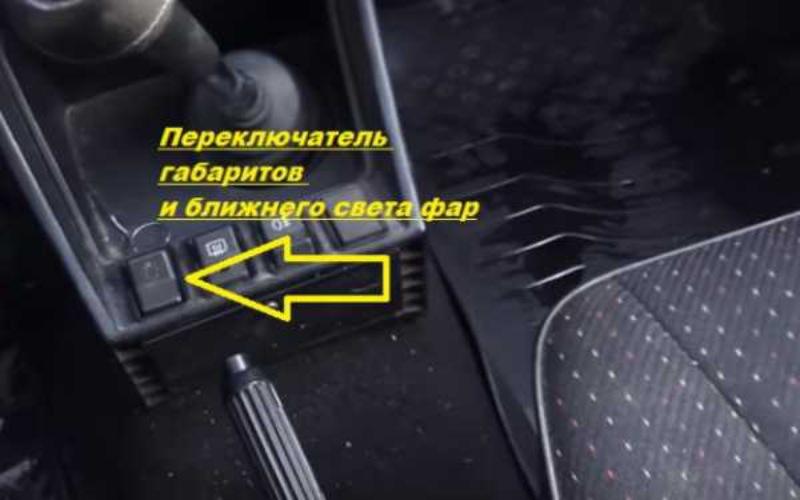
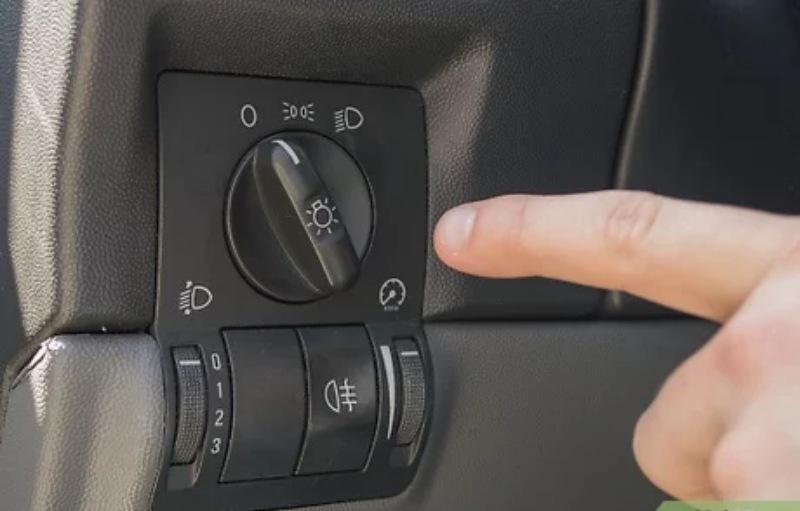
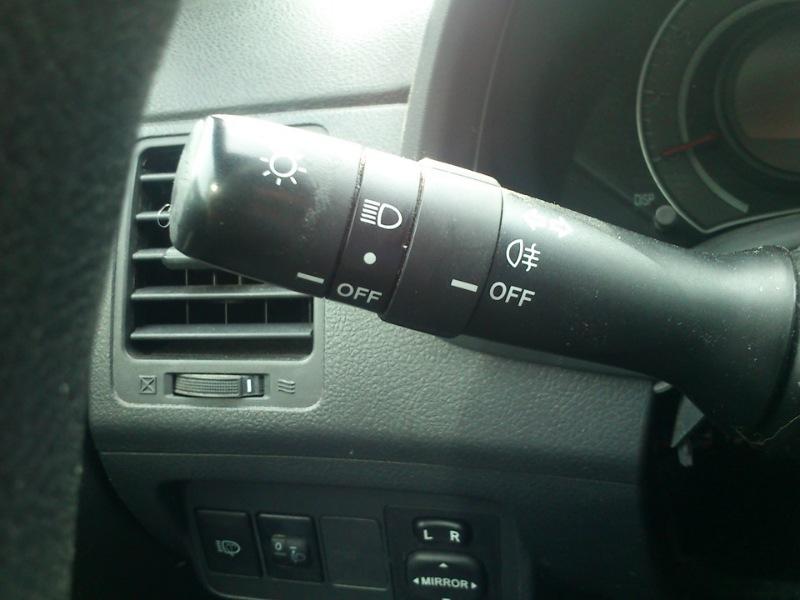
This decision somewhat complicated the process of controlling lighting devices, but saved space on the dashboard.
In a separate row include modern models with touch control panels.

low beam
Although the location of the controls may vary, finding the switch to turn on and off the low beam headlights in most cases will not be difficult. To do this, you need to find a toggle switch or a rotary knob, next to which there is a pictogram in the form of a jellyfish with paws down.

In most cases, the first division (far left) on the rotary knob made in the form of zero or the inscription OFF, which means the off state of all external optical devices.
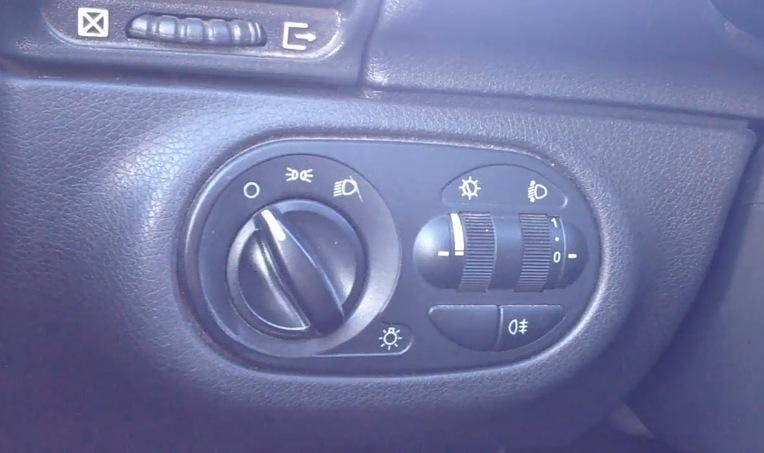
An exception may be models on which, when the key is inserted into the ignition lock, the daytime running lights immediately turn on.
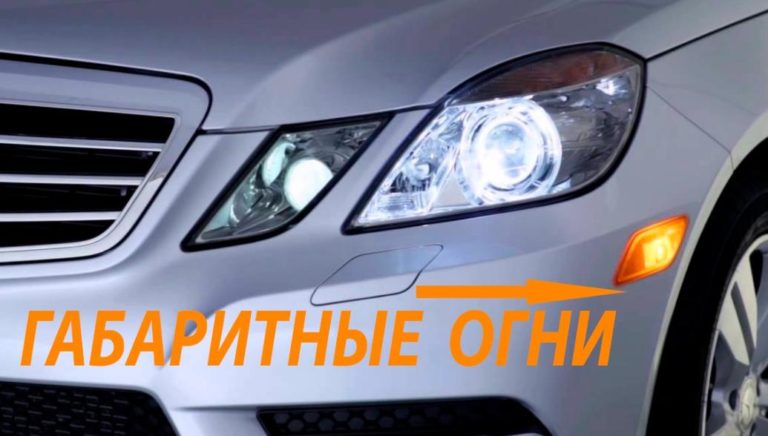
The second position of the handle means the inclusion of marker lights necessary to indicate the dimensions of the vehicle in the parking position and in poor visibility.
On some modern samples there is an automatic headlight control mode, activated by the fourth position of the switch (AUTO).
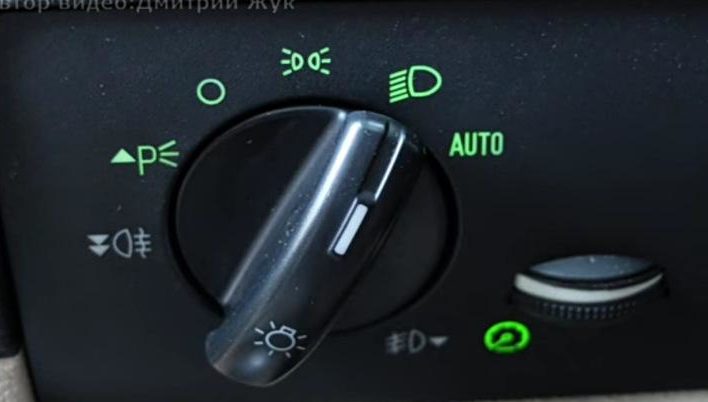
In this mode, the dipped beam will turn on in the evening when sensors are triggered that determine the level of illumination of the roadway or simply when you start driving.
Do not mistake the crossed-out legs of a jellyfish for a function to turn off the low beam.
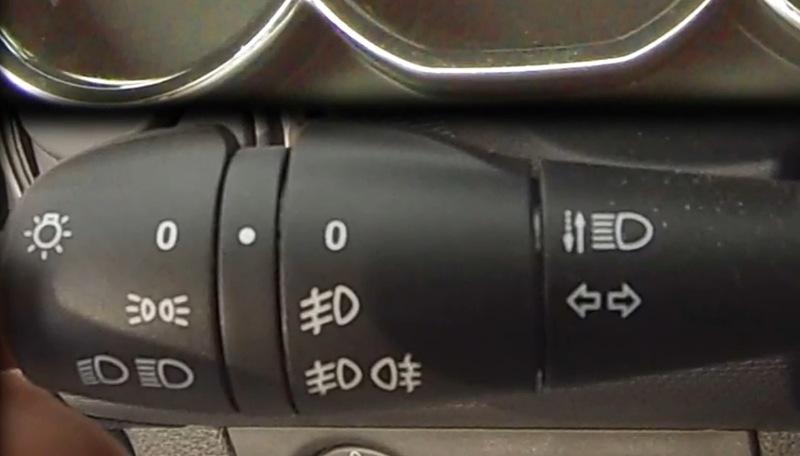
high beam
It so happened that switching between low beam and high beam optics is not implemented on one rotary knob. On almost all models, a separate function on the steering column lever is allocated for launching high-beam headlights.
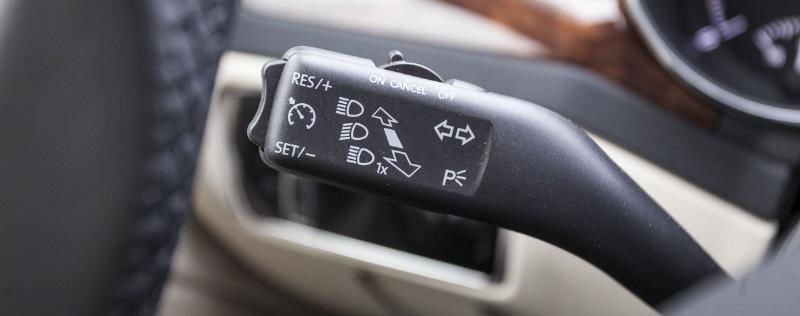
Moreover, the toggle switch or rotary button can be located on the dashboard, but the high beam is always turned on by the turn switch.
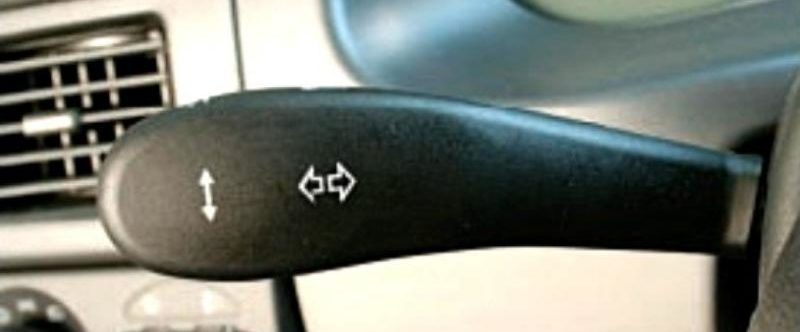
To do this, with the dipped beam on lever must be pushed forward. Thus, the switch is fixed in the far position, and the blue icon of a jellyfish with straight legs will light up on the dashboard display.
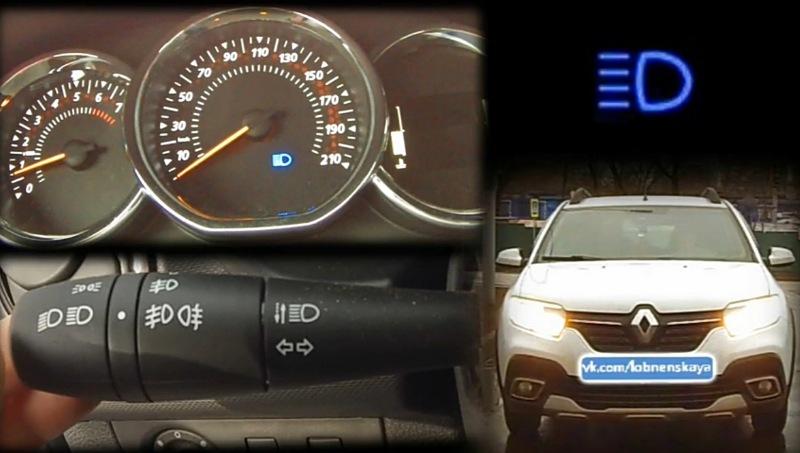
This indicator on all vehicles has the same shape and a bright blue color that distinguishes it from other indicators. This is important because the driver must be informed that the headlights of his vehicle may dazzle other road users.
Recommended: Marker and running lights: what are their differences
If you pull the lever towards you to the closest position, the high beam will turn on, even if all other optical devices are turned off. However, this position is not fixed and if you release the lever, it will spring back to the middle position, and the headlights will go out.This function is used exclusively as a signal, so that by briefly pressing it it is possible to flash the headlights of other road users.
How to use them correctly
Having dealt with the controls for the optics of high and low illumination of the road, it is worthwhile to figure out the appropriateness of using one or another light. The legislation specifies the factors on which the type of headlights used depends:
- place - a settlement, a suburban highway, a tunnel;
- time - daytime or nighttime;
- degree of illumination - illuminated or unlit road;
- finding transport in motion, stopping or parking;
- distance to other road users driving power-driven vehicles.
When you can and when you can't
Regarding the rules for using headlights on a vehicle, the SDA of the Russian Federation can be summarized as follows.
Dipped beam is necessary when driving a car, regardless of the time of day, not only for personal, but also for public safety. This improves the visibility of the vehicle to other drivers. Turns on when:
- The vehicle has started moving (without daytime running lights).
- When switching from high beam at least 150 m to the nearest vehicle of oncoming or passing traffic or at the signal of an oncoming driver. The flashing high beam is used as a signal, informing or warning the oncoming driver about possible blinding by the headlights.
Read also: Designation of bulbs on the dashboard
High beam headlights turn on as needed in the following cases:
- At night, outside of built-up areas.
- At night, within settlements, but in the absence of centralized road lighting.
Thus, the driver must always drive with the dipped headlights on, and turn off the high beam even if a warning signal is received, and the oncoming car is much more than 150 m away. It should be borne in mind that passing drivers can also be blinded through the rear mirrors view, but their signal is not visible to drivers driving behind. Therefore, you must switch between modes yourself in all cases that, in the opinion of the driver, can lead to dazzling other road users.
If you yourself are blinded by the bright light of the oncoming lane, the first thing to do is turn on the emergency signal, slow down to a stop, and if possible, pull over to the side of the road.
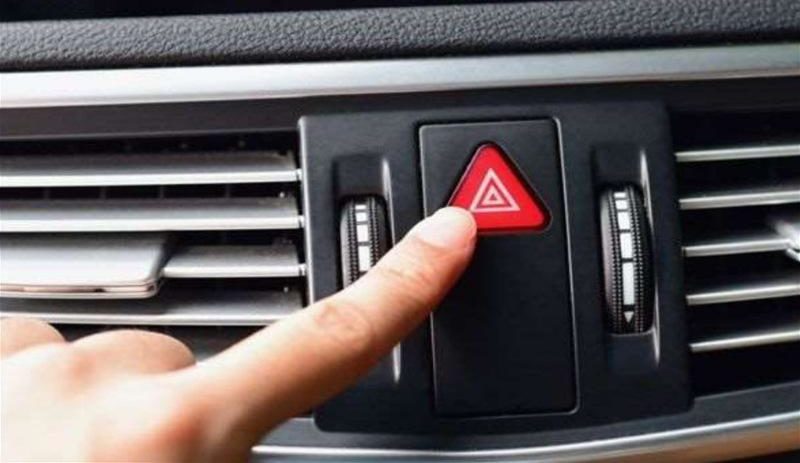
A warning signal with distant headlights is not prescribed in the traffic rules as mandatory, but an emergency signal in this case is absolutely necessary. In the daytime, the dipped beam can be replaced by daytime running lights or fog lights. If the driver, at the beginning of the movement, did not turn on one of the described optical devices, or moves with distant headlights within the city on an illuminated highway, then he faces a fine for violating Art. 12.20 Administrative Code. As of 2021, the fine for violating this article is 500 rubles.
Although it is not necessary to turn on the high beam during the day, driving with this headlight mode is not a violation during the daytime, since during the day this light does not dazzle other drivers.The law also specifically states that a prerequisite for a violation is driving with high beams on on an illuminated city road or blinding other drivers at night. Blinking headlights to warn other drivers of an approaching traffic police post is also not spelled out in the laws as a violation.
At the end of a series of thematic videos.
Controls Hyundai Salyaris.
Exterior lighting fixtures on Renault Sandero.