Differences between quartz and ultraviolet lamp
Quartz and ultraviolet lamps are used to disinfect rooms and surfaces. However, despite the similar purpose, they have differences on which the choice depends in a particular situation.
What is the difference between an ultraviolet lamp and a quartz lamp
Quartz and ultraviolet elements operate on a similar principle, emitting waves of the same range. Both devices are designed to generate ultraviolet radiation.
The main difference between a quartz lamp and an ultraviolet lamp is that the second one creates softer radiation, which has practically no harmful effect on humans. Quartz elements are more aggressive when exposed to the skin, eyes and internal organs.
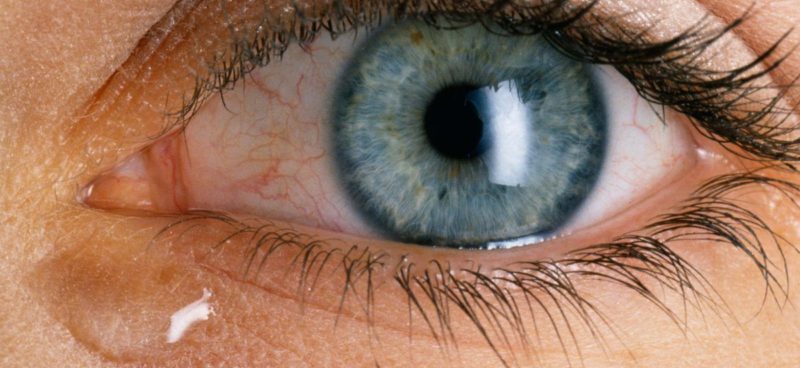
It is possible to determine which lamp is better only on the basis of specific operating conditions and tasks to be solved. Germicidal lamps are more common, the radiation of which is safer. Quartz elements require more care and are therefore less popular.
How lamps are used
Both elements are designed to generate ultraviolet radiation. Therefore, the areas of use are similar and mainly concern decontamination and disinfection. But there are differences that are worth considering.
Quartz
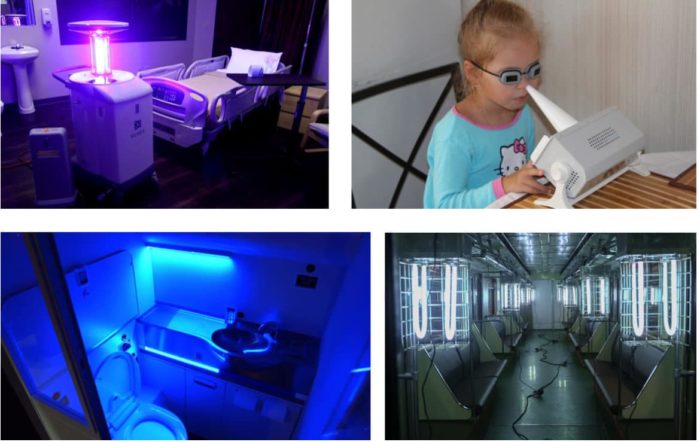
Quartz elements are highly active, but require increased attention to safety measures. They are used in a professional environment, and not in household emitters.
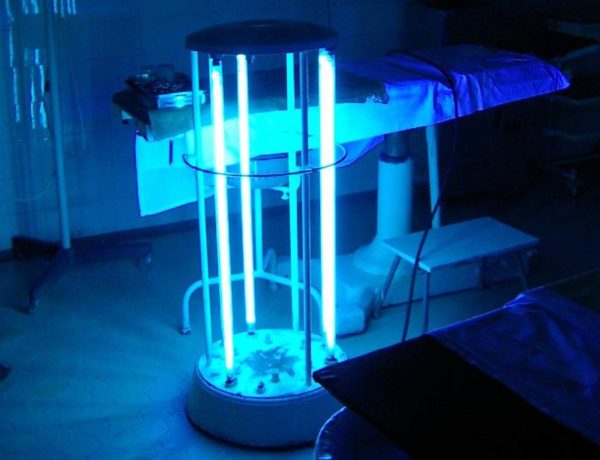
Application:
- disinfection of medical equipment or premises;
- removal of unwanted microorganisms from water and products;
- therapeutic procedures associated with diseases of the throat, auditory canals and respiratory tract;
- treatment of wounds in surgery;
- treatment of skin diseases.
ultraviolet
Ultraviolet elements are less active, but just as effective in treating rooms and removing microorganisms. Radiation is difficult to cause serious harm, so the elements are used in everyday life. They are built into air cleaners, filters and vacuum cleaners.
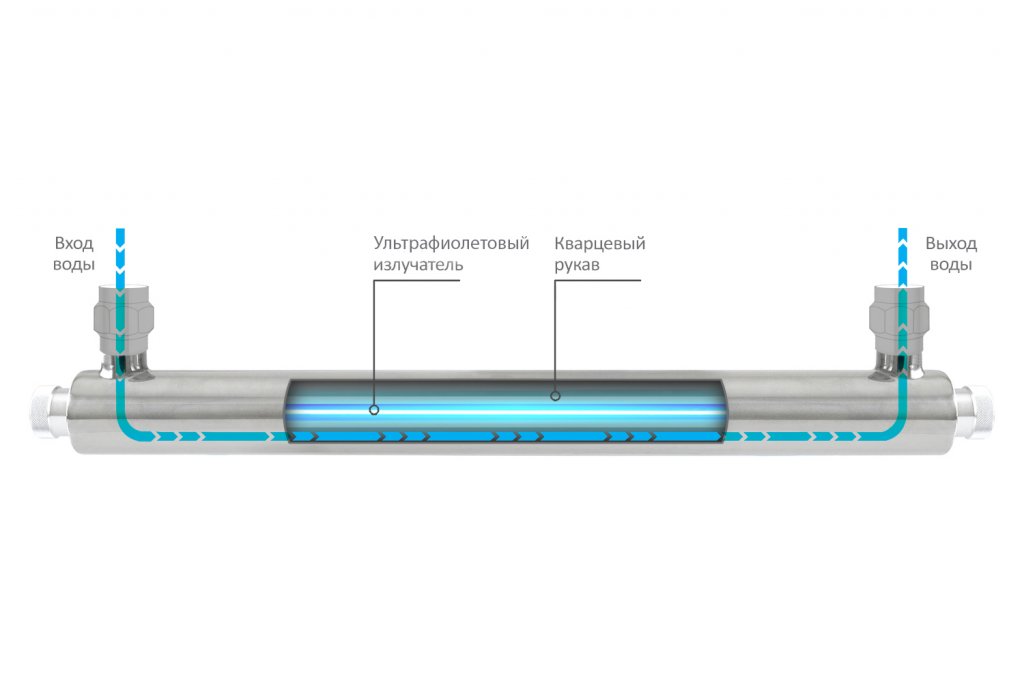
Ultraviolet emitters are used for:
- purification of air in a confined space;
- disinfection of water and products;
- removal of microorganisms from surfaces;
- prevention of skin diseases.
Despite their relative safety, protection measures should not be neglected. Excessive exposure to UV rays can lead to visual impairment or allergic skin reactions.
Lamp selection rules
When choosing a UV lamp, pay attention to materials, radiation intensity and principle of operation.
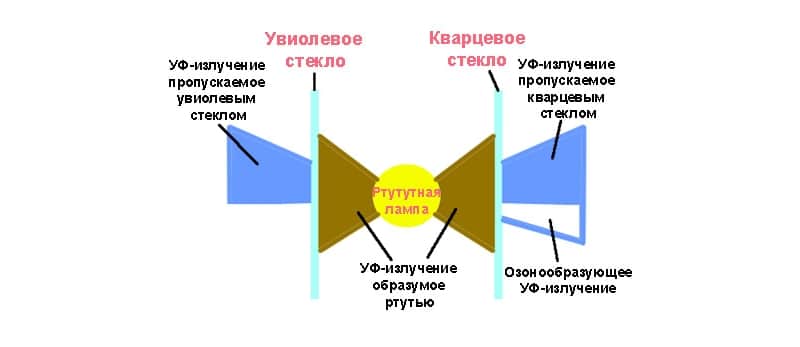
Quartz elements are effective for disinfection. The ozone formed in the process easily copes with bacteria, however, exceeding the dose can harm a person.The element is suitable for hospitals and premises from which it is easy to remove people during processing (warehouses, production halls, etc.).
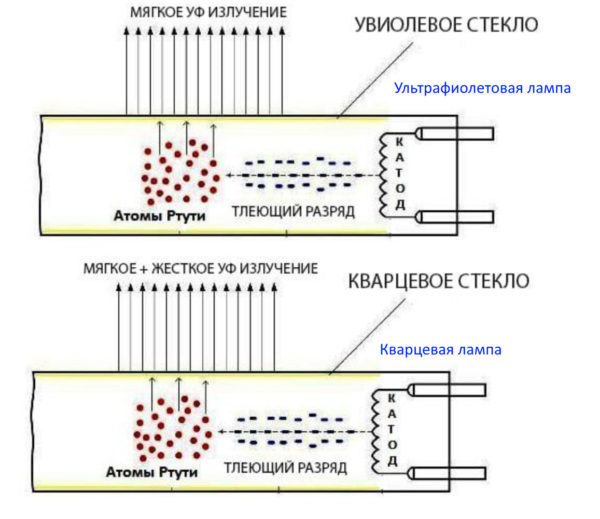
In germicidal ultraviolet emitters, uviol glass is used instead of quartz. The solution helped to remove harmful ozone from the composition and secure the process. It is optimal when the speed and level of bactericidal treatment are not critical.
For the home, it is better to purchase a bactericidal UV lamp. When processing, it is advisable to wear protective goggles. Often they are supplied complete with an emitter.
Service life and storage rules
Typically, the life of any UV lamp is approximately 6,000 to 13,000 hours, depending on power. The resource is affected by the number of on and off cycles, as well as operating conditions.
You can determine the expired service life by a significant decrease in the brightness and efficiency of the luminous flux. You can measure functional performance or time of use.
To extend the life of the devices, you must follow the recommendations:
- Stabilize voltage as much as possible. Any jumps or drops accelerate the degradation of the electrodes.
- The circuit must have current-limiting chokes.
- Do not allow the ambient temperature to drop below 10 degrees Celsius.
- Do not turn the lamp on and off too often.
We recommend watching the video
Harm and benefit of the lamp
When choosing an element, consider the advantages and disadvantages of quartz and UV elements.
Quartz
The benefits of quartz radiation sources come down to the antibacterial effect. Opportunities stand out:
- Use for the prevention of colds, which is especially important during a period of high incidence.
- Ultraviolet rays destroy the bacteria that cause chronic bronchitis and the common cold.
- Successfully treat ear otitis media and other inflammations of the auditory canals.
- Dosed radiation cures psoriasis, acne, eczema and other skin diseases.
- Exposure to ultraviolet light helps to effectively stop toothache.
- Ultraviolet promotes fusion of bones, strengthens joints and ligaments. Regular cleaning of the premises speeds up recovery after operations.
- Quartzization of the room creates a favorable environment for young children, minimizing the likelihood of developing rickets or other diseases.
There are also negative impacts to consider. It is better to consult with a specialist.
If the lamp is used for purposes other than intended or the instructions are not followed, harm, such as visual impairment, is likely.
Now users are offered quartz lamps of open and closed type. Open devices are suitable only for medical institutions, their use at home is risky. The aggressive impact of direct radiation causes damage to living tissues of humans, animals and even plants.
Closed lamps are more convenient and safer. They ensure the complete absence of the harmful effects of ultraviolet radiation on the surrounding space. Air is passed through the tube, where the medium is cleaned.
UV
UV lamps have similar benefits but are safer to use. With their help, you can effectively treat arthritis, diseases of the respiratory system, stomatitis, and disinfect wounds.
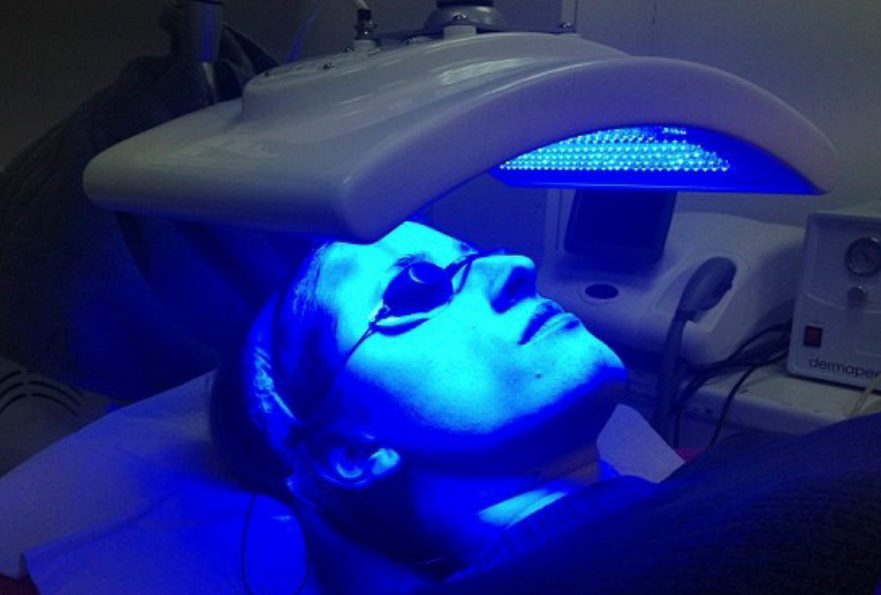
The relative safety of the elements allows them to be used in tanning salons and nail salons for the treatment of skin and nails.
UV glass effectively filters radiation and prevents harmful ozone from penetrating into the external environment. UV lamps can be comfortably used at home.
However, safety will have to be paid for by weakening the bactericidal properties. Rooms may take longer to process than when using a quartz source.
The negative effect is similar to quartz elements, but it takes much longer to manifest itself. This reduces the requirement for precautionary measures.